Table of Contents >> Show >> Hide
- What Were the 2014 Remodelista Considered Design Awards?
- Why the Voting Moment Mattered
- The Categories: A Tour Through the Considered Home
- What “Considered Design” Really Means
- Why Amateur Projects Were Essential
- What Professionals Brought to the Awards
- Lessons Homeowners Can Still Use Today
- Experience Notes: What Voting on Design Teaches Us
- Conclusion
Design awards can sometimes feel like a velvet-rope event where the chairs are impossibly beautiful, the coffee table has a passport, and everyone pretends they understand the lighting plan. The 2014 Remodelista Considered Design Awards were refreshingly different. They invited real homeowners, renters, design professionals, and devoted interiors enthusiasts to step forward and say, “Here is a room I made with care, patience, and probably one very long argument about tile.”
The 2014 program marked the second annual Remodelista + Gardenista Considered Design Awards, and it arrived with serious momentum. More than 1,000 projects were submitted, roughly twice the number from the previous year. Editors and guest judges reviewed more than 5,000 photos before narrowing each Remodelista category to five finalists. Then came the best part: readers were asked to vote. Not just admire. Not just pin. Vote.
That public-voting element is what made the awards feel alive. The event was not only about polished interiors; it was about how people respond to spaces that feel smart, livable, personal, and beautifully edited. In other words, the awards celebrated the kind of design that makes you want to remove your shoes, inspect the cabinet pulls, and quietly rethink your own laundry room.
What Were the 2014 Remodelista Considered Design Awards?
The Remodelista Considered Design Awards honored thoughtfully designed domestic spaces across amateur and professional categories. Remodelista focused on interiors, while its sister site Gardenista celebrated gardens and outdoor living. Together, the program created a broad snapshot of how people were thinking about home design in 2014: practical, personal, clean-lined, and increasingly democratic.
For Remodelista, the contest included five major room types: kitchen, living/dining space, bedroom, office, and bath. Each room type had both amateur and professional subcategories, creating 10 Remodelista categories in total. This structure mattered because it put a homeowner’s carefully planned kitchen in conversation with a professionally executed remodel, without pretending the two were the same thing.
That was the quiet brilliance of the awards. A great amateur project might shine because of resourcefulness, emotional warmth, or clever use of a tricky footprint. A great professional project might impress through architecture, material discipline, or construction detail. Both could be excellent. Both could teach readers something. And both could make a person stare at their own bathroom and whisper, “We need to talk.”
Why the Voting Moment Mattered
The phrase “Time to Vote” was more than a headline. It signaled a shift from expert curation to community judgment. Guest judges and editors selected the finalists, but readers chose the winners. Voting was open once per day in each category through August 8, with winners scheduled to be announced after the voting period.
This process made the awards interactive in a way that felt very native to design culture online. Readers were not passive consumers of pretty rooms. They became participants, comparing layouts, finishes, lighting, storage, atmosphere, and that mysterious quality every memorable room has: the feeling that someone actually lives there, but in a highly edited way that does not involve visible phone chargers.
Public voting also encouraged finalists to share their work across social platforms such as Pinterest, Facebook, and Twitter. In 2014, visual discovery was already shaping how home design spread online. A strong room could travel quickly because people did not need a technical explanation to respond to it. They could simply see a warm kitchen, a spare office, or a calm bath and think, “Yes. That. Whatever that is, I want more of it.”
The Categories: A Tour Through the Considered Home
Best Kitchen Space
The kitchen is where design ideals meet crumbs. It is easy to make a kitchen look beautiful in a photograph; it is harder to make it work when someone is chopping herbs, unloading groceries, and asking where the good scissors went. The 2014 kitchen categories rewarded spaces that balanced utility with atmosphere.
Among the winners, Maya Ivanir of Los Angeles took the Best Amateur Kitchen honor, while Space Exploration of Brooklyn won Best Professional Kitchen. Space Exploration’s winning project was especially memorable because it transformed a loft kitchen in a former school building into a warm, functional space for a young family. The project respected the scale and history of the room while making it practical for daily cooking. That is the sweet spot: design with a brain and a pulse.
Best Living/Dining Space
Living and dining rooms are tricky because they must do several jobs without complaining. They host meals, conversations, reading, lounging, homework, holidays, and the occasional person pretending not to nap. In the 2014 awards, these spaces were judged not only for style but also for flow, comfort, and personality.
Theresa di Scianni of East Hampton won Best Amateur Living/Dining Space, while Massim Design Studio of Brooklyn won the professional category. Massim’s project showed how architecture, furniture, and material contrast can create a space that feels layered without feeling crowded. The lesson is simple but powerful: a living room does not need to shout. Sometimes the most confident room speaks in a low, excellent voice.
Best Bedroom Space
A good bedroom should calm the nervous system, not stage a design intervention at midnight. The 2014 bedroom finalists demonstrated how restraint, texture, and proportion can make a room feel restful without turning it into a beige cloud. Anne S. Holtermann of South Dartmouth won Best Amateur Bedroom, and Hyde Evans Design of Rockaway Beach, Washington, won Best Professional Bedroom.
These winning bedroom spaces reflected a core Remodelista idea: considered design is not about owning more. It is about choosing better. Fewer objects, better light, useful storage, natural materials, and a sense of quiet can do more for a bedroom than a dozen decorative pillows lined up like tiny upholstered soldiers.
Best Office Space
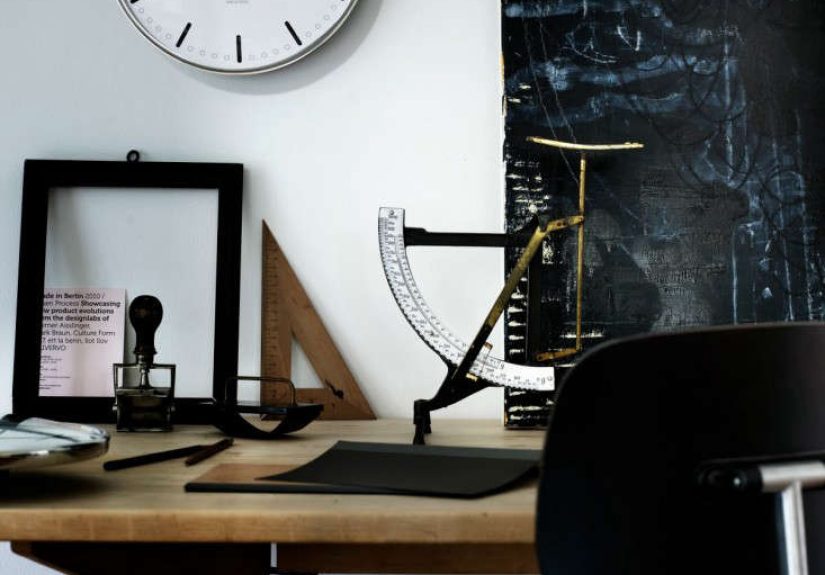
The office category feels even more interesting today, now that home offices have become a normal part of modern life. In 2014, a well-designed office already needed to be more than a desk and a chair. It had to support focus, storage, comfort, and visual order. Caitlin Long of San Francisco won Best Amateur Office, while Egon Walesch of London won Best Professional Office.
The strongest office spaces tend to solve the same problem: how to make work feel organized without making the room feel cold. Good office design gives everything a place, including paper, books, cables, and ambition. Bonus points if the room does not look like a printer showroom after a mild earthquake.
Best Bath Space
Bathrooms are small rooms with big expectations. They need privacy, durability, storage, lighting, ventilation, and a sense of calm. They also need to survive toothpaste, steam, and the mysterious disappearance of matching towels. In the 2014 Remodelista awards, Deborah Bowman of Calistoga won Best Amateur Bathroom, and Etelamaki Architecture of Brooklyn won Best Professional Bathroom.
The best bath spaces in this kind of competition usually share a few traits: honest materials, simple fixtures, intelligent lighting, and a layout that does not require gymnastic movement. When a bathroom is truly considered, it looks peaceful because the hard work has been handled invisibly.
What “Considered Design” Really Means
The word “considered” is doing a lot of work here. It does not mean expensive. It does not mean sparse. It does not mean the room has to look as if it was assembled by a Scandinavian monk with a museum membership. Considered design means intentional design. Every choice has a reason, whether that reason is function, beauty, history, durability, budget, or emotional attachment.
In the 2014 awards, considered design appeared in many forms. A kitchen could be modern but still warm. A bath could be minimal but not sterile. A bedroom could be simple but deeply personal. A living room could feel collected rather than decorated. The best projects did not chase trends blindly. They made decisions that fit the people, the architecture, and the rhythm of daily life.
This is why the awards still feel relevant. Trends change quickly. Brass comes back, goes away, and returns wearing a slightly different jacket. But thoughtful proportions, natural light, functional storage, and rooms that respect how people actually live do not expire.
Why Amateur Projects Were Essential
One of the strongest parts of the 2014 Remodelista Considered Design Awards was the equal respect given to amateur entrants. Design media can sometimes over-focus on professional work, which is understandable; professionals have access to teams, vendors, trades, and polished photography. But amateur spaces often reveal the most relatable design lessons.
An amateur project might show how to stretch a budget, reuse existing furniture, improve a rental, or make a room better over time instead of all at once. These projects speak to readers who are not hiring an architect tomorrow but still want to live in a home that feels more beautiful and more functional.
That made the 2014 voting experience more engaging. Readers were not just choosing the most impressive room. They were choosing spaces they could imagine learning from. Sometimes the winning idea was not a grand architectural move but a smart shelf, a disciplined palette, a better furniture arrangement, or the courage to remove three unnecessary things. Design, after all, is often subtraction wearing a very nice sweater.
What Professionals Brought to the Awards
The professional categories added another layer of value. Professional designers and architects can show what happens when concept, craft, and execution align. Their work often involves solving complex spatial problems, coordinating trades, specifying materials, and making technical details look effortless.
The professional winners in 2014 demonstrated how design can elevate everyday rooms without making them feel untouchable. Space Exploration’s kitchen, Massim Design Studio’s living/dining space, Egon Walesch’s office, Hyde Evans Design’s bedroom, and Etelamaki Architecture’s bathroom each offered a different lesson in control, atmosphere, and purpose.
For readers, the professional projects worked like a design education. They showed how scale affects comfort, how lighting changes mood, how material contrast creates depth, and how architectural details can guide the entire feeling of a room. A good professional space does not simply look finished. It looks inevitable, as if every choice was meant to be there all along.
Lessons Homeowners Can Still Use Today
The 2014 Remodelista Considered Design Awards may belong to a specific year, but the ideas behind them are still useful for anyone planning a remodel, room refresh, or design project today.
Start with how the room needs to work
Before choosing finishes, ask what the room must do. A kitchen for a serious cook needs different storage, surfaces, and lighting than a kitchen mostly used for coffee and takeout. A home office used daily needs better ergonomics than a decorative writing nook. Function is not the enemy of beauty; it is the skeleton beauty hangs on.
Edit before you decorate
Many strong Remodelista-style spaces rely on restraint. That does not mean empty rooms. It means removing visual noise so the best elements can breathe. Before buying something new, try taking something away. It is the cheapest design move available, unless you count moving a chair three inches and calling it a breakthrough.
Use materials with staying power
Natural wood, stone, ceramic tile, linen, metal, plaster, and well-made fixtures tend to age better than overly trendy finishes. The 2014 finalists often showed the appeal of materials that develop character rather than simply wear out.
Let personality in
Considered design is not about copying a catalog. The most memorable rooms usually include something personal: a vintage table, a handmade object, a family piece, a bold art choice, or a layout shaped by real habits. A home should not look like nobody has ever opened a drawer.
Experience Notes: What Voting on Design Teaches Us
There is something surprisingly enjoyable about voting in a design award. At first, it seems easy. You look at five kitchens and assume your favorite will announce itself like a celebrity entering a restaurant. But then the questions begin. Is the most beautiful kitchen also the most livable? Is the boldest room the best room? Does clever storage beat dramatic lighting? Should a small, humble space win because it solved harder problems with fewer resources?
That is where the 2014 Remodelista Considered Design Awards became more than a gallery of attractive interiors. Voting made readers slow down and look carefully. A person might begin by choosing the room with the most striking photograph, then notice the details: the position of the sink, the height of the shelves, the relationship between furniture and windows, the way the floor material carries through the space, or how a single pendant light changes the room’s mood.
In my experience, design voting also reveals personal priorities. Some people always choose warmth. Others choose minimalism. Some love historic character; others want crisp modern lines. One voter might be seduced by black cabinetry, while another worries about fingerprints and quietly backs away. This is not a flaw in the process. It is the point. Homes are personal, and public voting captures that beautifully messy range of preferences.
The awards also remind us that good design is not always loud. A winning room may not be the flashiest one. It may be the one that keeps making sense the longer you look at it. The proportions feel right. The materials are calm. The storage is discreet. The room has enough personality to feel human but not so much personality that it starts telling you about its screenplay.
For homeowners, the most valuable experience is not simply seeing who won. It is studying why certain rooms attracted attention. Maybe the kitchen used a restrained palette to make a high ceiling feel grounded. Maybe the office proved that a compact workspace can still feel elegant. Maybe the bath showed that small rooms benefit from fewer, better materials. These observations become practical design tools.
Voting also builds confidence. The more rooms you compare, the better you become at identifying what you like and why. That skill matters when making real decisions about paint, furniture, fixtures, and layouts. Instead of saying, “I want it to look nice,” you begin saying, “I want warm materials, hidden storage, simple lighting, and a dining area that feels relaxed but not casual to the point of cereal-box chic.” That is progress.
Ultimately, the 2014 Remodelista Considered Design Awards offered a useful lesson: beautiful homes are not created by accident. They are built through attention, editing, problem-solving, and many small decisions that add up. Public voting turned that process into a shared conversation. And like any good conversation about design, it probably ended with someone opening another browser tab and searching for wall-mounted faucets.
Conclusion
The 2014 Remodelista Considered Design Awards captured a meaningful moment in online design culture. They combined expert curation with reader participation, professional polish with amateur creativity, and beautiful photography with practical lessons for real homes. More than a contest, the awards became a celebration of thoughtful domestic designrooms that worked hard, looked calm, and proved that good taste does not need to yell across the house.
For anyone planning a remodel today, the awards still offer inspiration. Focus on function first. Edit with discipline. Choose materials that age well. Respect the architecture. Let personal details in. And when in doubt, remember the spirit of considered design: every choice should earn its place. Even the throw pillow. Especially the throw pillow.
Note: This article is written as an original SEO-focused analysis based on publicly available information about the 2014 Remodelista + Gardenista Considered Design Awards, including the voting period, categories, finalist process, and announced Remodelista winners. No source links or citation placeholders are included in the HTML for clean web publishing.