Table of Contents >> Show >> Hide
- What People Mean by “Breast Implant Cancer”
- Risk Factors: Who’s More Likely to Develop These Cancers?
- Symptoms: The Warning Signs People Often Miss
- How Breast Implant-Associated Cancers Are Diagnosed
- Treatment: What Actually Works
- Prognosis and Follow-Up
- If You Have Breast Implants and Feel Fine, What Should You Do?
- A Concrete Example: How a Typical BIA-ALCL Workup Might Look
- Questions to Ask Your Surgeon or Care Team
- Real-World Experiences: What the Journey Can Feel Like (500+ Words)
- Conclusion
Let’s clear up the biggest misunderstanding right away: when people say “breast implant cancer,” they’re usually
not talking about typical breast cancer that starts in breast tissue. They’re talking about rare cancers that can
develop in the scar tissue (the “capsule”) or fluid around an implant.
The good news: these conditions are uncommon, and many casesespecially when caught earlyare very treatable.
The not-so-fun news: they’re real, they can be serious, and they’re easy to miss if you don’t know what to watch for.
Think of this article as your “know the signs, don’t spiral” guide.
Quick note: This is educational information, not personal medical advice. If you have implants and notice
new swelling, a lump, pain, or shape changes, it’s worth getting checkedpromptly.
What People Mean by “Breast Implant Cancer”
1) BIA-ALCL (Breast Implant-Associated Anaplastic Large Cell Lymphoma)
BIA-ALCL is the most well-known breast implant-associated cancer. Despite the scary name, it’s not breast cancer.
It’s a rare type of non-Hodgkin lymphoma (a cancer of immune system cells) that usually shows up in the fluid
or scar capsule around an implant rather than inside breast tissue.
In many cases, it develops years after surgeryoften around 7–10 years laterso it’s not something that appears
right after you’ve healed and moved on with life (which, frankly, would be more convenient).
2) BIA-SCC (Breast Implant-Associated Squamous Cell Carcinoma) and Other Rare Capsule Cancers
More recently, the FDA has warned about reports of squamous cell carcinoma (SCC) and other rare lymphomas found
in the implant capsule. BIA-SCC is considered extremely rare, but it may be aggressive in some reported cases.
The medical community is still learning about causes, true frequency, and best treatment strategies.
Risk Factors: Who’s More Likely to Develop These Cancers?
Textured implants (the big one for BIA-ALCL)
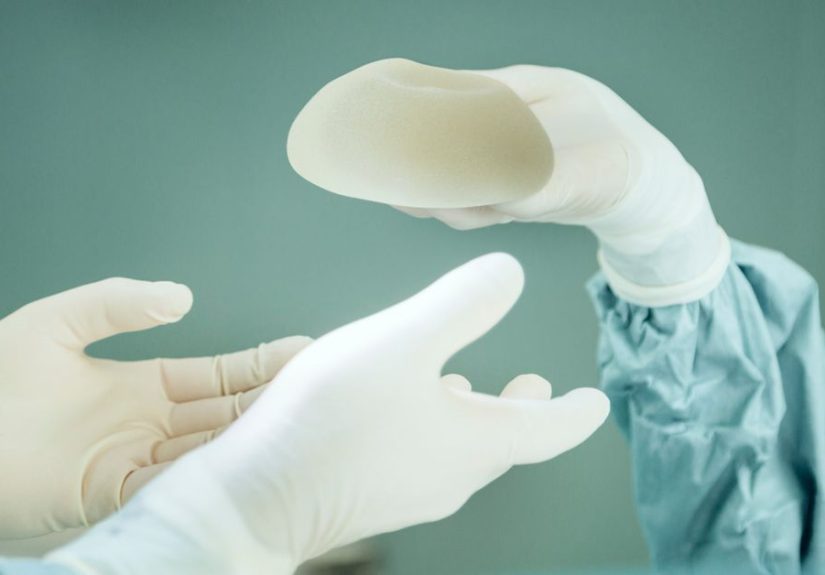
The strongest known risk factor for BIA-ALCL is a history of textured implants (a rougher outer surface).
Most confirmed BIA-ALCL cases involve textured implants; when a patient has (or had) smooth implants,
there’s often a history of textured implants or textured tissue expanders somewhere in the timeline.
Why would texture matter? The leading theories involve chronic inflammation and immune stimulation around the implant.
A textured surface has more “nooks and crannies,” which may influence bacterial biofilm formation and irritation of
surrounding tissuebasically, your immune system can end up running a long-term complaint department in that area.
In 2019, Allergan recalled its BIOCELL textured breast implants and tissue expanders at the FDA’s request due to
the association with BIA-ALCL. Importantly, regulators did not recommend removing implants in people without
symptomsbecause surgery has risks too.
Time since implantation
Timing is a clue. BIA-ALCL most often appears years after implantation (commonly in the 7–10 year range, though
it can occur earlier or later). BIA-SCC reports frequently involve long-standing implantssometimes decadesalthough
data is still limited.
Implant history: revisions, exchanges, and tissue expanders
Risk discussions should include your whole implant “life story,” not just what’s in place today. People may have had:
- Textured implants in the past (even if they have smooth implants now)
- Textured tissue expanders during reconstruction
- Multiple revision surgeries (capsule changes over time)
Possible genetic and immune factors (still emerging)
Researchers are exploring whether certain genetic changes or immune system factors may increase susceptibility.
Some cancer centers note possible associations with specific mutations in a subset of patients, but this is not
yet a routine screening situation. For now, implant surface history remains the clearest risk signal.
Symptoms: The Warning Signs People Often Miss
The classic presentation for implant-associated cancers is not “a tiny dot you can barely feel.” It’s usually more
obviousespecially for BIA-ALCL.
Common symptoms to take seriously
- New breast swelling (especially one-sided) months or years after surgery
- Fluid collection around the implant (a “late seroma”)
- Breast pain or persistent tenderness that’s new
- A lump in the breast, along the implant capsule, or in the armpit
- Changes in shape (new asymmetry, firmness, or distortion)
- Skin changes like redness or rash over the breast
- Enlarged lymph nodes (often in the armpit)
These symptoms don’t automatically mean cancer. Infection, implant rupture, benign seromas, and capsular contracture
can cause overlapping signs. But the key is this: late-onset swelling or fluid should be evaluated,
not “waited out” with positive vibes and sports bras.
How Breast Implant-Associated Cancers Are Diagnosed
Step 1: Imaging (usually ultrasound first)
Many clinicians start with ultrasound to look for fluid around the implant or a capsular mass. MRI may be used for
more detail, especially when evaluating silicone implants, capsule abnormalities, or unclear findings.
Step 2: Fluid aspiration and pathology (this step is critical)
If there’s a fluid collection, the next move is often a needle aspiration (drainage) so the fluid can be analyzed.
For suspected BIA-ALCL, pathologists typically perform specialized testingmost notably a marker called CD30.
In BIA-ALCL, tumor cells are generally CD30-positive and ALK-negative.
Why does this matter? Because if a late seroma is treated like a routine fluid issue without the right tests, diagnosis
can be delayed. And in cancer, “later” is almost never the preferred timeline.
Step 3: Biopsy of a mass or capsule (especially for BIA-SCC)
If imaging shows a mass or thickened capsuleor if BIA-SCC is a concerndoctors may biopsy capsule tissue.
Squamous cell carcinoma is diagnosed by pathology of the capsule tumor itself.
Step 4: Staging workup (often PET/CT)
If BIA-ALCL is confirmed, clinicians often use PET/CT to check for disease beyond the capsule, including lymph nodes
or distant spread. Staging helps decide whether surgery alone is enough or whether systemic therapy is needed.
Treatment: What Actually Works
Surgery is the cornerstone for many cases
For early-stage BIA-ALCL limited to the capsule or fluid, the most effective treatment is usually
complete surgical removal of the implant and surrounding capsule (often called an explant with total
capsulectomy). Many patients do very well when disease is caught early and fully removed.
Surgeons may discuss removing one or both implants, depending on the situation and your implant history. If you have
implants on both sides, your care team may recommend a plan that addresses bothbecause the goal is not “half safe.”
A helpful nuance: removing implants “just because you’re worried” is not automatically the same thing as cancer treatment.
Professional societies note that total capsulectomy in an otherwise healthy patient is not proven to eliminate future
BIA-ALCL riskso decisions about preventive removal should be individualized.
When treatment goes beyond surgery
If BIA-ALCL involves a solid mass, lymph nodes, or more widespread disease, surgery may be combined with:
- Chemotherapy (regimens may differ based on stage and oncology guidance)
- Targeted therapy in some cases (your oncologist will guide this)
- Radiation therapy when appropriate
For BIA-SCC, because reported cases are few and outcomes can be serious, treatment is typically aggressive and
multidisciplinaryoften involving complete removal of implant and capsule and oncology-directed therapy
based on staging.
Reconstruction after treatment
After treatment, reconstruction choices can include:
- No replacement (going flat or using external prosthetics)
- Replacement with smooth implants (if appropriate)
- Autologous reconstruction (using your own tissue)
There isn’t a one-size-fits-all answer here. The “best” choice is the one that fits your risk profile, medical plan,
and personal comfortplus your very valid desire not to make major decisions while you’re stressed and sleep-deprived.
Prognosis and Follow-Up
Prognosis depends heavily on stage. Early-stage BIA-ALCL confined to the capsule or fluid often has favorable outcomes
after complete surgical removal. More advanced disease requires oncology care and closer follow-up.
Follow-up typically includes clinical exams and, when indicated, imaging. Your team may also discuss symptom monitoring
and what changes should trigger a call (spoiler: anything that looks like a late seroma or a growing mass).
If You Have Breast Implants and Feel Fine, What Should You Do?
Don’t panic-remove your implants “just in case”
Health authorities have generally not recommended routine removal of implants in people without symptomseven for
those with recalled textured devicesbecause preventive surgery has its own risks and complications.
Know what you have
If you’re not sure whether your implants were textured or smooth, ask your surgeon’s office for your implant
records (manufacturer, model, surface type, and date of implantation). Information is power, and power is calming.
Keep up with recommended monitoring
If you have silicone gel implants, the FDA has recommended imaging surveillance for silent rupturetypically
ultrasound or MRI starting around 5–6 years after implantation and then every 2–3 years.
(This is about rupture screening, not cancer screening, but it’s still part of smart implant care.)
Watch for symptoms that show up late
The most practical advice is also the least glamorous: pay attention to changes. New swelling, new fluid, new lumps,
or new shape distortionespecially years after surgerydeserve evaluation.
A Concrete Example: How a Typical BIA-ALCL Workup Might Look
Imagine this scenario: A patient had reconstruction with a textured expander and later an implant exchange.
Eight years later, one breast suddenly swells and feels tight. Ultrasound shows a fluid collection.
The clinician aspirates the fluid and sends it for cytology and CD30 testing. The pathology suggests BIA-ALCL.
A PET/CT is ordered for staging. If disease is confined to the capsule, the patient undergoes implant removal
with complete capsulectomy, followed by oncology follow-up.
The takeaway isn’t “this will happen to you.” It’s “there’s a clear pathway for diagnosis and treatmentand fast
action helps.”
Questions to Ask Your Surgeon or Care Team
- Do I have (or did I ever have) textured implants or expanders?
- What symptoms should prompt an urgent visit?
- If I have swelling/fluid, will the sample be tested for markers like CD30?
- If cancer is confirmed, do you work with a multidisciplinary team (plastic surgery + oncology)?
- What are my options after explantation: smooth implants, tissue reconstruction, or no implants?
- What follow-up schedule do you recommend for my situation?
Real-World Experiences: What the Journey Can Feel Like (500+ Words)
If you’ve ever Googled “breast implant cancer” at 1:00 a.m., you already know the emotional arc: curiosity → concern →
full-blown mental movie of worst-case scenarios. What people often describe in real life is more groundedand more
step-by-stepthan the internet makes it seem.
Many patients say the first sign wasn’t subtle. It was a “Wait, why is this side bigger?” moment that showed up
months or years after everything had been stable. Sometimes it’s swelling that seems to come out of nowhere, sometimes
it’s a tightness that won’t quit, and sometimes it’s a lump that triggers an immediate call to the doctor.
The most common feeling at this stage is not braveryit’s confusion. People wonder if they slept wrong, exercised too
hard, or “somehow caused it.” (For the record: you didn’t.)
The diagnostic process can feel strangely routine and deeply intense at the same time. Getting an ultrasound is quick.
Waiting for results is not. If fluid is drained, patients often describe the procedure as more uncomfortable than painful,
but the emotional discomfort is bigger: you’re watching a syringe fill and thinking, “Please let this be nothing.”
The wait for pathologyespecially specialized testingcan be the hardest part. A lot of people cope by organizing:
they request implant records, write down timelines, and bring a friend to appointments because it’s easy to miss details
when your brain is doing somersaults.
If the diagnosis is BIA-ALCL caught early, patients often describe a weird mix of relief and anger: relief that there’s a
clear treatment path (often surgery) and anger that they never heard about this risk or didn’t fully understand implant
surface types. Many also say it’s the first time they learned that implants are not “set it and forget it” devices.
The surgery conversation can bring up practical questions (“Will insurance cover this?” “What about symmetry?”) and very
personal ones (“Will I feel like myself?”). Some people choose no replacement because they want zero implant-related
risk going forward. Others choose smooth implants or tissue reconstruction after discussing risks and benefits. The
“right” choice tends to be the one that lets a person exhale again.
Recovery experiences vary, but a common theme is that patients feel better emotionally once the uncertain waiting is over.
It’s easier to heal when you have a plan. Follow-up appointments can still trigger anxietyscan days are rarely anyone’s
favorite holidaybut many people say they regain confidence by learning what symptoms matter and by having a team that
takes concerns seriously.
For those navigating the newer, rarer reports like BIA-SCC, experiences can feel more frustrating because information is
limited and guidance may depend on a specialist’s judgment. Patients often recommend seeking care at (or at least getting
an opinion from) a center experienced with implant-associated cancers. They also emphasize one practical lesson:
if something changesespecially swelling, a lump, or persistent paindon’t let anyone dismiss it as “probably nothing”
without proper evaluation.
The most encouraging thing patients share is this: knowledge is a form of control. Once you understand the red flags,
the testing steps, and the treatment options, it becomes less of a mystery monster and more of a medical problem with a
real playbook.
Conclusion
“Breast implant cancer” is an umbrella term people use for rare cancers that can arise in the capsule or fluid around an
implantmost commonly BIA-ALCL, and more rarely BIA-SCC and other lymphomas. The biggest known risk factor for BIA-ALCL is
a history of textured implants, and symptoms often show up years later as swelling, fluid, pain, or a lump. Diagnosis
typically involves imaging plus testing of fluid or capsule tissue, and early-stage BIA-ALCL is often highly treatable
with complete surgical removal of implant and capsule. If you have implants, the best approach is informed calm:
know your implant type, keep up with recommended monitoring, and get new symptoms evaluated promptly.