Table of Contents >> Show >> Hide
- What Makes a Crispy Chicken Sandwich Actually Crispy?
- Best Crispy Chicken Sandwich Ingredients
- How To Make Crispy Chicken Sandwich (Step-by-Step)
- Toppings & Sauce Ideas (Because Personality Matters)
- Variations: Pick Your Crunch Adventure
- Troubleshooting: Common Crispy Chicken Sandwich Problems
- Serving & Storage Tips
- FAQ: Crispy Chicken Sandwich Questions People Actually Ask
- Conclusion: Your New Go-To Crispy Chicken Sandwich
- Real-World Kitchen Experiences (The Part Nobody Tells You)
The crispy chicken sandwich is a small miracle: crunchy, juicy, tangy, spicy (if you’re feeling brave), and somehow still polite enough to eat with your hands.
This version pulls the smartest moves from a bunch of classic American recipe heavy-hittersthink pickle brine, buttermilk, cornstarch, double-dredging, and the kind of bun-toasting
that makes your kitchen smell like a burger joint with good intentions.
What Makes a Crispy Chicken Sandwich Actually Crispy?
“Crispy” isn’t one thingit’s a whole system. The best fried chicken sandwiches nail four layers of success:
(1) well-seasoned chicken, (2) a coating that turns craggy and crunchy, (3) steady frying temperature, and (4) assembly that doesn’t steam your hard-earned crunch into sadness.
1) Brine for juiciness (and flavor)
A buttermilk brine (often boosted with pickle juice) seasons the chicken throughout and helps it stay juicy after frying.
Translation: your chicken won’t taste like a bland, fried pillow.
2) Cornstarch + a little leavener = lighter crunch
A flour-only coating can get tough if it develops too much gluten. Mixing in cornstarch helps keep the crust crisp.
A small amount of baking powder can add airy, crunchy texturelike the coating got a tiny gym membership and started doing “crisp reps.”
3) Double dredge for those craggy bits
The hallmark of a great crispy chicken sandwich is that rugged, bumpy crust that shatters when you bite it.
Double dredgingand intentionally creating little clumps in the flourbuilds those crunchy nooks and crannies.
4) Oil temperature is the boss
The coating sets fast in properly heated oil. Too cool and it absorbs oil (greasy). Too hot and it browns before the chicken cooks through.
You’re aiming for a steady 350°F (give or take a few degrees).
Best Crispy Chicken Sandwich Ingredients
This recipe makes 4 big, restaurant-style sandwiches. Use thighs for extra juiciness and flavor, or breasts if you want that classic “chicken filet” vibe.
Chicken
- 4 boneless, skinless chicken thighs (or 2 large chicken breasts, sliced into 4 cutlets)
- Salt and black pepper
- Neutral high-heat oil for frying (canola, peanut, or vegetable)
- 4 brioche buns or potato rolls
- Butter (for toasting buns)
- Dill pickle chips (mandatory for many sandwich lovers, optional for pickle skeptics)
- Shredded lettuce or a quick slaw (optional but highly recommended)
Pickle-Buttermilk Brine
- 1 cup buttermilk
- 1/2 cup dill pickle juice (from a jar of pickles)
- 1–2 tbsp hot sauce (optional, but fun)
- 1 tsp garlic powder
- 1 tsp onion powder
- 1 tsp paprika
- 1 1/2 tsp kosher salt
Crispy Dredge
- 1 1/2 cups all-purpose flour
- 1/2 cup cornstarch
- 1 tsp baking powder
- 1 1/2 tsp kosher salt
- 1 tsp black pepper
- 1 tsp paprika
- 1/2 tsp cayenne (optional)
- 1/2 tsp ground mustard (optional, great “chicken sandwich” flavor)
Spicy Mayo (Fast & Dangerous-Delicious)
- 1/2 cup mayonnaise
- 1–2 tbsp hot sauce
- 1 tsp pickle juice (optional, but it wakes everything up)
- 1/2 tsp garlic powder (optional)
How To Make Crispy Chicken Sandwich (Step-by-Step)
Step 1: Pound (or at least even out) the chicken
Even thickness = even cooking. If using breasts, slice into cutlets and gently pound to about 1/2 inch thick.
For thighs, you can lightly flatten them so they fry evenly and fit the bun like they pay rent.
Step 2: Brine it
In a bowl, whisk together the buttermilk, pickle juice, hot sauce, and seasonings.
Add chicken, cover, and refrigerate for at least 2 hours (overnight is even better if you plan ahead like a kitchen wizard).
Step 3: Make the dredge (and the “craggy bits” on purpose)
In a wide bowl, whisk flour, cornstarch, baking powder, salt, pepper, paprika, and any optional spices.
Now the pro move: drizzle in 2–3 tablespoons of the brine mixture and toss with your fingers until small clumps form.
Those clumps become the crunchy craters everyone fights over.
Step 4: Dredge (double, for maximum crunch)
Remove chicken from brine, letting excess drip off. Press chicken into the flour mixture firmlydon’t be shy.
For extra crunch: dip it back briefly into the brine, then press into the dredge again.
Place breaded chicken on a wire rack and let it sit 10–15 minutes. This helps the coating adhere and fry up crisp instead of sliding off like a bad toupee.
Step 5: Fry at the right temperature
Heat 1–1 1/2 inches of oil in a heavy skillet or Dutch oven to 350°F.
Fry in batchesovercrowding drops the temperature and makes the chicken soggy.
- Thighs: about 4–6 minutes per side, depending on thickness
- Breast cutlets: about 3–5 minutes per side
Cook until deep golden brown and the chicken reaches 165°F internal temperature at the thickest part.
Transfer to a wire rack (not paper towels) and lightly salt while hot.
Step 6: Toast the buns like you mean it
Spread butter on the cut sides and toast in a skillet until golden.
This isn’t just for flavorthe toasted bun forms a barrier so the sauce doesn’t turn your bread into a sponge.
Step 7: Mix sauce and assemble fast
Stir together mayo, hot sauce, and a splash of pickle juice.
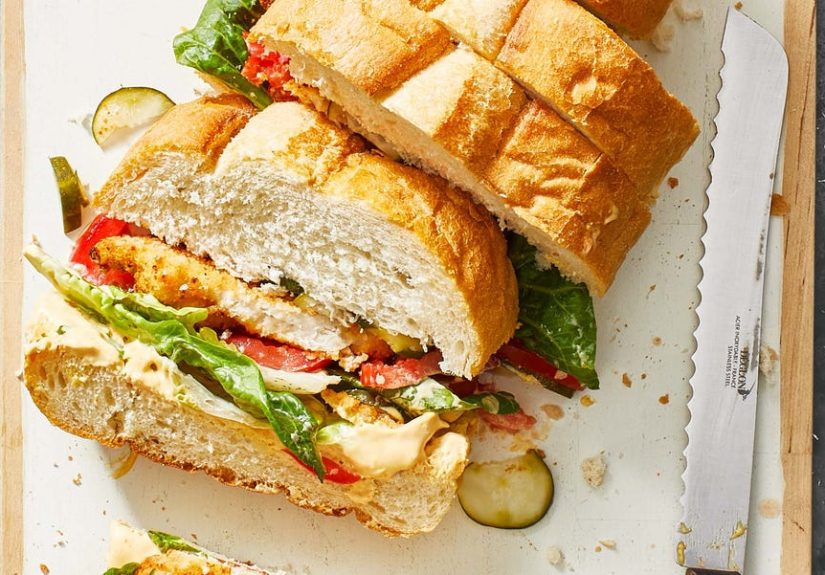
Spread sauce on both bun halves. Add pickles on the bottom bun, place the chicken on top, then add lettuce or slaw.
Cap it with the top bun and serve immediately while the crust is still singing.
Toppings & Sauce Ideas (Because Personality Matters)
The Classic
- Mayo (or spicy mayo)
- Dill pickle chips
- Shredded iceberg lettuce
Sweet Heat
- Spicy mayo + a drizzle of hot honey
- Pickles
- Thin-sliced cabbage for crunch
Slaw Power
Quick slaw is the easiest way to balance rich fried chicken. Toss shredded cabbage (or lettuce) with a spoon of mayo, a splash of pickle juice,
salt, and pepper. Add a pinch of sugar if you like it slightly sweet.
Alabama-Style Twist
Swap spicy mayo for a tangy “white BBQ” vibe: mayo + a little vinegar + lots of black pepper + a pinch of garlic powder.
It’s bright, peppery, and aggressively snackable.
Variations: Pick Your Crunch Adventure
Nashville Hot Chicken Sandwich
After frying, brush or drizzle the chicken with a spicy oil sauce (cayenne, paprika, brown sugar, salt, and hot oil).
Keep pickles and mayoheat loves a cooling sidekick.
Oven-Fried (Less Mess, Still Crunchy)
Use the same brine and dredge, then bake on a wire rack over a sheet pan at 425°F.
Spray or brush the breading with oil for browning. You won’t get deep-fry crunch, but you’ll get satisfying crispness with easier cleanup.
Air Fryer Crispy Chicken Sandwich
Air fry at 390–400°F, flipping halfway, until crisp and cooked through.
Lightly oil-spray the exterior for better browning. Think “weeknight crispy,” not “state fair deep-fried,” and you’ll be happy.
Gluten-Free Option
Use a 1:1 gluten-free flour blend plus cornstarch. The cornstarch still does heavy lifting for crunch.
Watch browning closely; some blends darken faster.
Troubleshooting: Common Crispy Chicken Sandwich Problems
“My breading fell off.”
Usually caused by skipping the resting step, oil being too cool, or not pressing the dredge firmly onto the chicken.
Let the breaded chicken sit on a rack 10–15 minutes before frying and keep oil near 350°F.
“It’s crispy… but greasy.”
Oil was too cool or the pan was overcrowded. Fry in batches and monitor temperature with a thermometer.
Drain on a wire rack so steam doesn’t soften the crust.
“The crust got dark before the chicken cooked.”
Oil too hot, or chicken too thick. Lower heat slightly and keep pieces an even thickness.
If needed, finish cooked chicken in a 300°F oven for a few minutes.
“It was crunchy… then it went soft.”
Two main culprits: paper towels (steam trap) and slow assembly. Use a wire rack and assemble right before eating.
Also toast those bunsuntoasted buns can turn into moisture magnets.
Serving & Storage Tips
- Best served: Immediately after frying and resting 2–3 minutes.
- Holding: Keep fried chicken on a rack in a 250°F oven while you fry batches.
- Reheating: Oven or air fryer beats microwave. Re-crisp on a rack at 375°F until hot.
- Make-ahead: Mix dredge and sauce ahead. Brine chicken up to overnight. Fry right before serving for peak crunch.
FAQ: Crispy Chicken Sandwich Questions People Actually Ask
Is chicken thigh or breast better for a fried chicken sandwich?
Thighs are naturally juicier and more forgiving. Breasts can be amazing, but they demand even thickness and careful cooking so they don’t dry out.
If you want “fast-food style filet,” go breast. If you want “I’m never ordering delivery again,” go thigh.
Do I really need pickle juice?
Need? No. Recommend? Yes. Pickle brine adds salt and tang, and it plays perfectly with fried chicken.
If you hate pickles, skip it and use more buttermilk plus a squeeze of lemon.
How do I keep the coating super crunchy?
Cornstarch in the dredge, clumps in the flour, correct oil temp, wire rack draining, and fast assembly.
Crunch is a team sport.
What internal temperature should fried chicken reach?
165°F at the thickest part. A quick-read thermometer is the easiest way to avoid undercooked chicken and overcooked sadness.
Conclusion: Your New Go-To Crispy Chicken Sandwich
If you take only a few things from this recipe, let them be these: brine for flavor and juiciness, use cornstarch for crunch,
build craggy bits with a smart dredge, fry at 350°F, and assemble like you’re racing a clock that says “steam.”
Do that, and you’ll get a crispy chicken sandwich with a shattering crust, tender meat, and the kind of bite that makes people go quiet for a second.
(That’s the highest compliment a sandwich can receive.)
Real-World Kitchen Experiences (The Part Nobody Tells You)
Let’s talk about what actually happens when people make a crispy chicken sandwich at homebecause the gap between “perfect recipe photo” and “my oil is doing something weird”
is where most dinners live. First experience: the mess. Dredging is basically edible arts and crafts, and flour will end up places flour has no business being (including, somehow,
the handle of your fridge). The easiest way to stay sane is to set up a simple station: brined chicken on the left, dredge in the middle, empty rack on the right. Use one hand
for wet and one for dry. You’ll still get a little chaos, but it’ll be the charming kind, not the “why is there buttermilk on the ceiling” kind.
Second experience: oil temperature mood swings. Home stoves don’t hold temps like commercial fryers. You add chicken, the oil cools down. You crank the heat, and suddenly it’s
too hot. This is why a thermometer feels like cheatingin the best way. Many home cooks find that aiming for 350°F before adding chicken, then allowing it to dip to around
325–340°F during frying, creates a steady rhythm. If your oil is dropping fast, your pot may be too small or you’re frying too many pieces at once. If it’s climbing too high,
lower the heat and wait 30 seconds before the next batch. Small adjustments beat panic-heat every time.
Third experience: the coating dilemma. People often expect the breading to look “smooth and tidy” before frying. That’s the trap. Smooth coating usually fries up flatter and less
crunchy. The best sandwiches come from breading that looks ruggedlittle clumps, uneven edges, texture that says, “I’m here to crunch.” Press the dredge onto the chicken like
you’re trying to help it adhere for a long-term relationship. Then let it rest on a rack. That rest time feels unnecessary until the first time you skip it and watch your crust
detach like it’s avoiding responsibility.
Fourth experience: the assembly regret. If you build the sandwich and let it sit while you “just quickly” pour drinks or scroll for the perfect side dish, steam will soften the crust.
The fix is simple: toast the buns, keep toppings cold, and assemble right before eating. Another trick many cooks love is adding pickles on the bottom bun first. They act like a tiny,
tangy spacer between bun and chicken. Also, don’t drown the chicken in sauce. Put sauce on the bun, not directly on the crustunless you’re deliberately making a sauced style like
Nashville hot and you’re okay with “crispy-adjacent” after a few minutes.
Finally, the best experience: the second batch. The first batch teaches you your stove’s personality. The second batch is where you start feeling like you could open a food truck
with a suspiciously confident name like “Cluck Yeah.” By the time you’re frying the last piece, you’ll have your timing down, your buns toasted, your pickles staged, and you’ll
understand why crispy chicken sandwiches inspire so much devotion. It’s not just the crunch. It’s the little victory of pulling off something that tastes like a restaurant,
right in your own kitchenwithout paying twelve dollars for a sandwich and pretending soggy fries are fine.