Table of Contents >> Show >> Hide
Whether you’re sitting in a hospital bed, relaxing at home with prescribed oxygen therapy, or buckling up for a long flight, knowing how to wear an oxygen mask correctly is a big deal. Done right, it can help you breathe easier and stay safer in emergencies. Done wrong, it’s basically an uncomfortable piece of plastic flapping around your face while everyone else looks extremely concerned.
This guide breaks the process down into three easy methods inspired by the classic wikiHow step-by-step style: wearing a medical oxygen face mask, using a nasal cannula, and putting on an airplane oxygen mask. We’ll also walk through safety tips, common mistakes, and real-life experiences from people who actually live with oxygen therapy. Remember: this article is for general education only and is not a substitute for advice from your doctor, respiratory therapist, or airline crew.
Understanding Oxygen Masks and When You Might Need One
Oxygen masks and related devices are used to deliver extra oxygen when your lungs need a little backup support. You might see them in hospital emergency rooms, during surgery, at home for chronic lung conditions, or on airplanes if cabin pressure drops. Medical masks are designed to fit over your nose and mouth, while nasal cannulas sit just inside your nostrils. Airplane masks are usually cup-shaped with elastic straps, ready to drop from overhead panels in an emergency.
Common Types of Oxygen Delivery Devices
- Simple face masks: Clear masks that cover the nose and mouth, often used in hospitals for short-term oxygen support.
- Non-rebreather masks: Masks with a one-way valve and reservoir bag that deliver higher oxygen levels in emergencies.
- Nasal cannulas: Thin tubing with two soft prongs that fit into your nostrils, commonly used for home oxygen therapy.
- Airplane oxygen masks: Emergency masks that drop from overhead compartments and supply oxygen during in-flight decompression events.
The exact device and oxygen flow rate are determined by your healthcare provider or the medical team caring for you. Never adjust the flow rate on your own unless your provider has clearly told you how.
Method 1: Wearing a Medical Oxygen Face Mask
A medical oxygen face mask is common in hospitals and sometimes at home if you need more oxygen than a nasal cannula can comfortably provide. The key is getting a snug, comfortable fit so oxygen goes where it’s supposed to go: into your lungs, not into the room.
Step 1: Check the Oxygen Setup
Before anyone puts the mask on you, a nurse, respiratory therapist, or trained caregiver should make sure the oxygen source is ready. That means the concentrator or tank is turned on, the tubing is connected, and the prescribed flow rate is set. At home, you should follow written instructions from your provider and never change the settings just because “you feel like more oxygen today.”
Step 2: Position the Mask on Your Face
Hold the mask by its edges or the plastic frame, not by the tubing, and gently bring it toward your face. The wider part of the mask goes at the bottom, covering your mouth, while the narrower part rests across the bridge of your nose. The goal is to cover both your nose and mouth without jabbing your eyes, smashing your nose, or squashing your glasses.
Step 3: Secure the Elastic Strap
Once the mask is in place, pull the elastic strap over your head and rest it above your ears on the back of your head. It should be snug enough to hold the mask in place but not tight enough to give you a headache or a surprise facelift. If the mask slips down or feels too loose, ask your provider or caregiver to help you readjust it.
Step 4: Adjust for a Comfortable Seal
Check for gaps around the sides of the mask and along the bridge of your nose. You should feel the gentle flow of air but not a strong blast into your eyes. Some masks have a metal nose clip that can be molded to help improve the seal. A good fit reduces air leaks and makes oxygen delivery more efficient, but it should still feel comfortable enough to wear for the prescribed time.
Step 5: Breathe Normally and Monitor How You Feel
Once the mask is on, breathe in and out calmly through your nose or mouth. You may hear a soft hiss or feel slightly cooler air inside the mask, depending on your oxygen source. Let your care team know if you feel dizzy, unusually short of breath, or overly sleepythose can be signs that your oxygen levels or other health conditions need attention.
Method 2: Using a Nasal Cannula
A nasal cannula is the MVP of long-term oxygen therapy. It’s lightweight, less claustrophobic than a mask, and lets you talk, eat, and drink more easily. The trade-off is that it delivers a lower concentration of oxygen than some masks, so it’s typically used when you need “a little extra help” rather than emergency-level support.
Step 1: Identify the Prongs and the Curve
Take a look at the cannula: there are two soft prongs on one end and loops of tubing designed to go over your ears. The prongs should curve gently downwardthink of them as tiny slides that point into your nostrils, not spikes attacking your nose. If they’re facing upward, rotate the cannula before putting it on.
Step 2: Place the Prongs into Your Nostrils
Gently insert the prongs into your nostrils. They should sit inside just enough to direct oxygen into your nasal passages without digging in or causing pain. If they hurt, feel too stiff, or create sores, ask your provider about softer cannulas or moisturizing options specifically designed for oxygen users (never use petroleum-based products near oxygen).
Step 3: Loop the Tubing Around Your Ears
Bring the tubing up over your ears on both sides, like you’re putting on eyeglasses made of flexible plastic. Some people like to tuck the tubing lightly behind their head; others let it sit under the chin. Most cannulas have a small slider that you can move up or down to gently secure the tubing under your chin. Aim for a fit that is stable but doesn’t dig into your skin.
Step 4: Check for Comfort Throughout the Day
If you wear a nasal cannula for many hours, it can cause pressure points on your ears or nose. Soft foam pads, ear protectors, or cannula cushions can help. Let your provider know if you develop redness, irritation, or skin breakdownthose are not just annoying, they’re signs your setup might need an adjustment.
Method 3: Putting on an Airplane Oxygen Mask
Airplane oxygen masks are designed to be simple, fast, and foolproofbecause nobody does their best thinking at 30,000 feet with turbulence and alarms. If cabin pressure unexpectedly drops, masks fall from the overhead panel. This is where those safety demos you half-watch while scrolling your phone suddenly become very relevant.
Step 1: Pull the Mask Firmly Toward You
When you see the mask drop, grab the one closest to you and pull it toward your face. That tug usually starts the flow of oxygen in many systems. Don’t waste time looking for the “perfect mask” or finishing a textat high altitude, you can become confused or lose consciousness in seconds without oxygen.
Step 2: Place the Mask Over Your Nose and Mouth
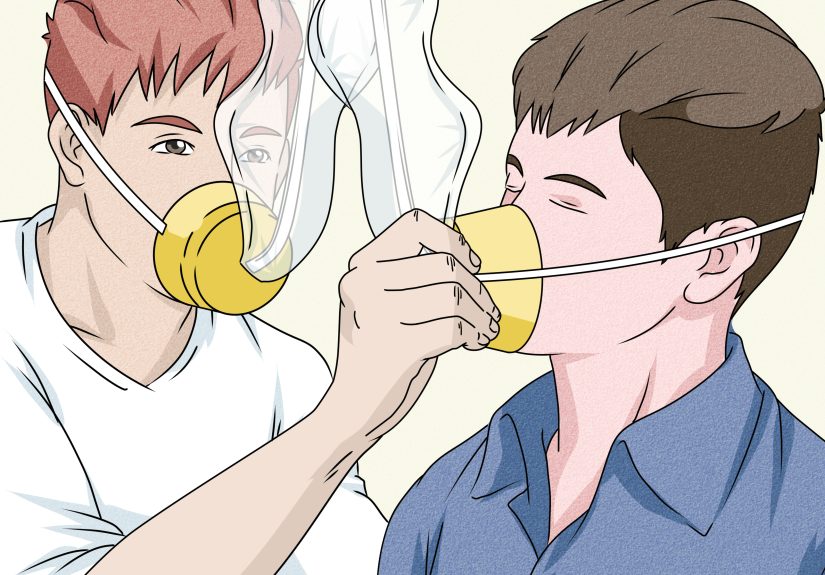
Put the yellow cup over both your nose and mouth. It may not inflate fully, but oxygen may still be flowing even if the bag looks partially flattened. Press the mask against your face with one hand while you position the elastic strap with the other. The mask does not need to be painfully tightjust snug enough that you can breathe comfortably without major leaks.
Step 3: Secure the Elastic Strap and Breathe Normally
Pull the elastic band over your head and adjust it as needed. Breathe in and out normally. Even if you feel anxious, try to avoid rapid, shallow breathing, which can make you feel more panicked. Once your own mask is secure, you can help children or anyone nearby who is struggling with theirs. Yes, the classic instruction is correct: put on your own oxygen mask first so you’re alert enough to assist others safely.
Essential Oxygen Mask Safety Tips
Oxygen itself does not explode, but it does make fires burn faster and hotter. That’s why safety rules around oxygen are so strict. Treat oxygen equipment with respect and follow every instruction your provider or airline gives you.
- Stay away from flames: No smoking, candles, gas stoves, or open flames near oxygen.
- Avoid petroleum products: Skip petroleum-based balms or creams on your face or inside your nose while using oxygen; ask for oxygen-safe alternatives.
- Keep the equipment upright and ventilated: Don’t cover concentrators, tanks, or tubing with blankets or clothing.
- Turn off oxygen when not in use: Don’t leave a running oxygen mask or cannula on the bed, couch, or chair.
- Watch for tripping hazards: Long tubing can be easy to step on, roll over, or tangleroute it carefully.
If you ever feel more short of breath than usual, develop chest pain, bluish lips or fingertips, or severe dizziness, seek urgent medical care or call emergency services right away.
Common Mistakes to Avoid
Even well-intentioned people make simple oxygen mask mistakes. The most common issues include wearing the mask too loosely (oxygen leaks everywhere), wearing it too tightly (instant headache and sore skin), flipping the cannula the wrong way, or adjusting the flow rate without medical guidance. Some people also forget that high-concentration devices like non-rebreather masks are for short-term medical use only and are not meant for unsupervised home use.
Real-Life Experiences and Practical Tips
Reading a list of steps is useful, but hearing how oxygen masks fit into real life can make everything feel more manageable. Here are some common experiences and practical lessons reported by people who rely on oxygen therapy, caregivers who help them, and frequent flyers who have actually paid attention to the safety demos.
Getting Over the Awkward Phase
Many people say the first time they wear a medical oxygen mask or nasal cannula, they feel self-conscious. It’s easy to worry about how you look, especially in public. Over time, however, that anxiety tends to fade as breathing comfortably becomes the priority. Users often say things like, “Once I realized I could walk farther without gasping, I stopped caring what anyone thought.” Learning how to position and adjust your equipment quickly becomes just another part of your daily routinelike putting in contacts or wearing a smartwatch.
Finding the Right Fit and Gear
People who use oxygen for long periods often experiment with different cannula styles, softer tubing, ear cushions, and mask shapes to reduce pressure points. Some find that a nasal cannula works better during the day, while a mask is more effective at night. Others discover that small adjustmentslike routing the tubing behind their head instead of under the chin while sleepingdramatically reduce tangling and discomfort. The big takeaway: if something hurts, tell your provider. There are more options than you might think, and comfort matters for long-term success.
Balancing Safety and Everyday Life at Home
Home oxygen users quickly become experts at reorganizing their living spaces. Coffee tables get shifted to reduce tripping, rugs are secured, and electrical cords are moved away from oxygen tubing. Some people keep a small “oxygen checklist” near their door: shut off oxygen if instructed, check tubing, bring portable tank if going out, and make sure smoke detectors are working. Caregivers often say they feel more confident once they understand how to turn the system on and off safely and how to respond if something doesn’t look right.
Air Travel Confidence
Frequent flyers who have watched (and sometimes lived through) oxygen mask demos say that mentally rehearsing the steps makes a big difference. Instead of tuning out the pre-flight safety video, they imagine themselves actually grabbing the mask, pulling it toward their face, and securing the strap. That mental run-through can reduce panic if the masks ever drop for real. People also mention that the “put your own mask on first” rule feels harsh at first, but they understand that staying conscious is the only way to help children or others nearby.
Emotional Ups and Downs
Using oxygen therapy can come with a wave of emotions: relief that breathing is easier, frustration about equipment, and sometimes grief over health changes. Many users say that allowing themselves to feel those emotionsand seeking support from friends, family, or counseling when neededhelps them adjust. They also learn that accepting oxygen is not a sign of weakness; it’s an active step toward protecting their health, energy, and independence.
The same idea applies on airplanes. People who have been through in-flight emergencies often describe how surreal it feels, but they also underline that calmly following instructions, securing their own mask, and helping others afterward can turn a terrifying moment into a controlled, survivable event. Knowing the steps ahead of time can give you a sense of control you didn’t know you had.
Final Thoughts
Oxygen masks and nasal cannulas may look intimidating at first, but they all boil down to a few core principles: get the right device for your situation, put it on correctly, keep it comfortably snug, and follow all safety rules. Whether you’re using a medical face mask in the hospital, a nasal cannula at home, or an emergency mask on a plane, a little knowledge and practice can make the experience far less stressful.
Always follow your healthcare provider’s instructions, ask questions when something feels off, and pay attention to safety briefings during air travel. Breathing easier isn’t just about oxygenit’s also about feeling prepared, informed, and confident in what to do when that mask comes out.