Table of Contents >> Show >> Hide
- Step 1: Know What You’re Looking For (Standing Heat Is the Gold Standard)
- Step 2: Understand the Clock (Cycle Length and Heat Duration)
- Step 3: Watch at the Right Times (Cows Love a Night Shift)
- Step 4: Commit to a Repeatable Observation Routine
- Step 5: Set Up the Stage (Footing, Space, and Fewer Distractions)
- Step 6: Confirm Standing-to-Be-Mounted (Yes, You Really Need to See It)
- Step 7: Track “Near-Heat” Behaviors (Proestrus and Post-Heat Can Trick You)
- Step 8: Look for “Heat Makeup” (Mud, Rub Marks, and Tailhead Evidence)
- Step 9: Check the Vulva and Discharge (Mucus Tells a Story)
- Step 10: Don’t Misread Post-Heat “Bloody Show”
- Step 11: Use Tail Paint or Chalk (Because Cows Don’t Text You Updates)
- Step 12: Try Heat Detection Patches or Mount Detectors
- Step 13: Consider Activity Monitoring (When You Want Data at 2 A.M.)
- Step 14: Time Breeding Intentionally (Not Randomly)
- Step 15: Troubleshoot Missed or “Quiet” Heats
- Conclusion: Heat Detection Is a System, Not a Superpower
- Extra: Real-World Heat Detection Experiences (About )
Estrus (aka “heat”) is the short window when a cow or heifer is willing to stand for breeding. If you miss it, you don’t just miss a momentyou miss an entire cycle. And since most cycling females come back around about every three weeks, “Oops” can turn into “Where did my calving season go?” pretty fast.
This guide breaks heat detection into practical, repeatable steps you can use in beef or dairy settingswhether you’re turning out a bull, doing AI, or running a synchronized breeding program. We’ll keep it science-based, field-friendly, and just humorous enough to keep you awake for those early-morning checks.
Step 1: Know What You’re Looking For (Standing Heat Is the Gold Standard)
If you remember only one thing, make it this: standing to be mounted is the most reliable sign of estrus. Everything elsemucus, bellowing, sniffing, restlessnessis supporting evidence.
What “standing heat” looks like
A cow or heifer in standing heat will stand solid while another animal mounts her. If she scoots away, kicks, or refuses to stand, she may be near heatbut she’s not giving you the “now” signal yet.
Step 2: Understand the Clock (Cycle Length and Heat Duration)
Most normal, cycling females show heat roughly every 21 days, though real life can range wider (think “cow biology,” not “Swiss train schedule”). Standing heat itself is usually shortoften around half a day, sometimes less, sometimes longer.
Why this matters
A short estrus period means the difference between “caught it” and “missed it” can be one busy afternoon, one rainstorm, or one slippery pen where nobody feels like mounting.
Step 3: Watch at the Right Times (Cows Love a Night Shift)
Many cows start or show stronger standing heat behavior during the evening, overnight, and early morning hours. Translation: the cattle are doing their best work when you’re doing your best sleeping.
Practical takeaway
Put your most intentional observation windows early morning and late evening. If you can add a midday check, even better.
Step 4: Commit to a Repeatable Observation Routine
Heat detection isn’t a “glance while driving by with coffee” activity. You’re watching for social behavior that can be brief and easy to miss.
Minimum standard
Plan on at least two focused checks daily (morning and evening). Each check should be long enough to actually see interactionsthink in minutes, not seconds.
Step 5: Set Up the Stage (Footing, Space, and Fewer Distractions)
Mounting behavior needs traction and room. If the surface is slick, crowded, or stressful, cows will “vote no” on standing heat theatrics.
Make heat behavior easier to express
- Non-slip footing where animals can mount safely
- Enough space for cattle to interact without getting jammed
- Observe away from feed delivery so eating doesn’t mask behavior
Step 6: Confirm Standing-to-Be-Mounted (Yes, You Really Need to See It)
When you spot a mount attempt, identify two animals: the rider and the one being ridden. The one that stands is your top estrus suspect.
Quick rule
Rider = maybe. Stander = likely. Don’t breed the “enthusiastic climber” just because she’s athletic; breed the one holding still.
Step 7: Track “Near-Heat” Behaviors (Proestrus and Post-Heat Can Trick You)
Not every cow reads the textbook out loud. Some show early or late signs without obvious standing heat. That’s where secondary signs help you predict who to watch harder.
Common near-heat behaviors
- Restlessness, extra walking, or “I can’t even” energy
- Sniffing, chin resting, following other females
- Mounting others but refusing to stand herself
- More vocalization than usual
Step 8: Look for “Heat Makeup” (Mud, Rub Marks, and Tailhead Evidence)
Standing heat leaves clues. If mounts happened while you were doing something irresponsible like sleeping, the cow may still wear the evidence.
Physical clues
- Dirty flanks or hindquarters (mud/manure from being mounted)
- Roughened tailhead hair
- Scuffed hips or rubbed spots from repeated mounting
Step 9: Check the Vulva and Discharge (Mucus Tells a Story)
Estrogen changes the reproductive tract and often produces clear, cohesive mucus. You may see a string hanging from the vulva or smeared on the tail and rump.
What you want to see
Clear, stretchy mucus is a strong supporting signespecially when paired with behavioral changes. A swollen, slightly reddened vulva can also show up around heat.
Step 10: Don’t Misread Post-Heat “Bloody Show”
A small amount of bloody discharge can appear after estrus/ovulation in some animals. It’s not automatically an emergency, and it’s not a “breed me now” signit’s usually a “she was in heat recently” clue.
Why it matters
If you see blood and panic-breed immediately, you may be late. Treat it as a calendar hint, not a green light.
Step 11: Use Tail Paint or Chalk (Because Cows Don’t Text You Updates)
Tail paint/chalk is one of the simplest, cheapest heat detection aids. Apply a strip on the tailhead area. When a cow stands and gets mounted, rubbing and pressure will smear or remove the mark.
Make it work
- Apply consistently and check daily (or as your protocol requires)
- Reapply as needed so “missing paint” actually means something
- Combine with observationpaint isn’t magic, it’s evidence
Step 12: Try Heat Detection Patches or Mount Detectors
If tail paint feels like finger-painting in a windstorm, patches and mount detectors can help. Many are designed to change color or reveal a bright layer when enough mounting occurs.
Two common types
- Friction-activated patches that scratch/rub off with mounting activity
- Pressure-activated detectors that trigger after a mount lasts long enough to be meaningful
They’re especially handy when labor is tight or groups are largethough nothing replaces good timing and good eyes.
Step 13: Consider Activity Monitoring (When You Want Data at 2 A.M.)
Activity monitors (pedometers, collars, ear tags) look for changes in movement and behavior patterns that often spike during estrus. They can improve detectionparticularly when heats are subtlethough they still need management and interpretation.
Best use case
Monitors are a strong fit for larger herds, for operations that breed year-round, or when “watching cows” competes with “doing literally everything else on the farm.”
Step 14: Time Breeding Intentionally (Not Randomly)
Once you’ve identified standing heat, the next question is when to breed. For AI programs, many producers follow the logic of breeding in the latter part of standing heatoften roughly half a day after first seeing a cow stand. The goal is to align insemination with ovulation timing, not with your lunch break.
A practical example
If you first see a heifer standing at 6:00 a.m., you’d plan breeding later that day rather than immediatelyassuming she’s still in the correct window and your protocol matches your herd goals.
Step 15: Troubleshoot Missed or “Quiet” Heats
If you’re checking, using aids, and still missing heats, it’s usually not because the cows are conspiring against you (though it can feel personal).
Common reasons heats look weak
- Heat stress (reduced activity; shorter, less intense estrus)
- Lameness or slick flooring (mounting drops when it hurts or feels risky)
- High stress/crowding (less natural interaction)
- Postpartum or nutrition issues (delayed cycling, silent heats)
- Bad records (you’re watching the wrong animals on the wrong days)
If a cow repeatedly fails to cycle, shows abnormal discharge, or you suspect reproductive disease, involve your veterinarian. Heat detection is a management skill; persistent reproductive problems are a health issue.
Conclusion: Heat Detection Is a System, Not a Superpower
The best heat detectors aren’t “born with it”they build a system: smart observation timing, safe footing, simple aids, solid records, and a habit of confirming standing heat before making breeding decisions. Stack enough small advantages, and you’ll catch more heats with less stress (yours and the cows’).
Extra: Real-World Heat Detection Experiences (About )
Ask a group of producers what heat looks like, and you’ll get answers ranging from “obvious rodeo” to “a subtle glance and a single moo that felt judgmental.” The truth is: both can be correctsometimes in the same pasture.
Experience #1: The midnight athlete. Many herds have at least one female who shows her strongest standing heat after dark. Folks will swear “she wasn’t in heat yesterday,” then wake up to tail paint rubbed clean off like someone took a belt sander to it. The lesson: if you only check during daylight, you’ll miss a meaningful share of heats. A late-night check isn’t always realistic, but you can compensate with early-morning observation and a detection aid that records mounting you didn’t witness.
Experience #2: The mount-happy imposter. In group settings, you’ll often see one cow that mounts everything that moveswhether she’s actually in standing heat or just feeling competitive. This is where people get burned. They breed the rider, then wonder why conception rates look like a coin flip. When you force yourself to identify the stander, you stop rewarding athleticism and start breeding fertility. A simple trick is to watch the group for a few minutes and ask: “Who’s letting this happen?” That animal is your priority suspect.
Experience #3: The heat-stress whisper. During hot spells, heats can get quieter: less riding, shorter standing, more nighttime activity. Producers often report that cows “still cycle,” but the show is toned down. The practical workaround is shade, water, and timing. If your breeding window is flexible, you may get better detection and better conception by observing and breeding at cooler hoursand by leaning on patches/paint or monitors when visual signs are muted.
Experience #4: The slippery-floor shutdown. If your observation area is slick, you’ll see fewer mountsperiod. Cows don’t want to risk falling, and injuries are expensive. Producers who improve traction often notice a sudden jump in visible heats that looks like “more cycling,” when it’s really “more confidence to express behavior.” It’s a reminder that heat detection is partly biology and partly environment.
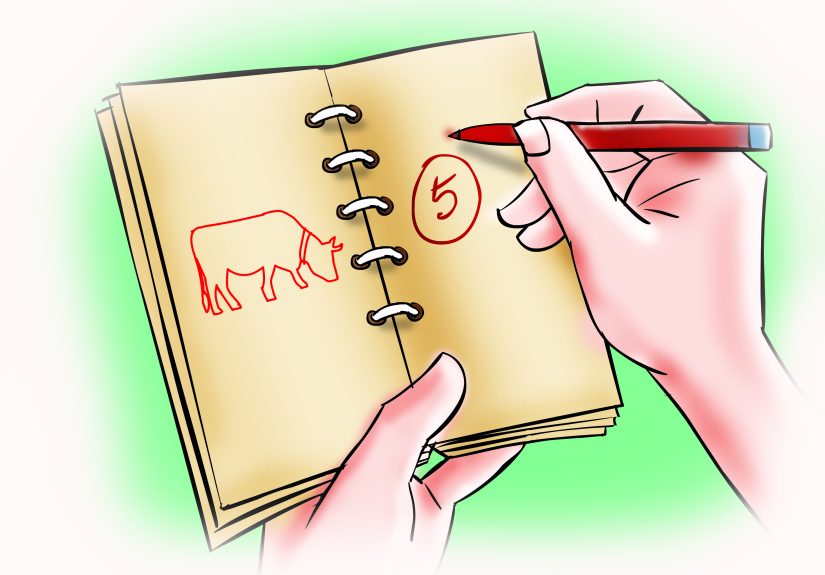
Experience #5: The record-keeping glow-up. One of the fastest “no new equipment” improvements is simply writing things down: date, animal ID, what you saw, and what you did. After two cycles, patterns emerge. You’ll know who tends to show subtle heats, who cycles like clockwork, and who should be investigated for health or nutrition issues. Good records also prevent the classic mistake of watching the wrong cow intensely… while the real one stands in heat ten feet away.
Across all these stories, the takeaway is consistent: heat detection improves when you treat it like a repeatable process. Combine behavior observation with physical clues, add one detection aid if labor is tight, and time breeding like it mattersbecause it does.