Table of Contents >> Show >> Hide
- What Was Remodelista Market, New York?
- Why New York Was the Perfect Setting
- The Remodelista Aesthetic, Brought to Life
- What You Might Find at Remodelista Market, New York
- Notable Maker Energy: Why the Vendor Mix Worked
- Why the Market Mattered Beyond One Weekend
- What Today’s Design Lovers Can Learn from Remodelista Market, New York
- Experience: Spending a Day at Remodelista Market, New York
- Conclusion
If most markets are built to tempt your stomach, Remodelista Market, New York was built to tempt your better judgment in the home section. You know the feeling: you walk in telling yourself you are “just browsing,” and twenty minutes later you are emotionally attached to a hand-thrown bowl, a linen throw, and a candle that somehow smells like a chic person’s imaginary cabin in the woods. That was the magic of this market. It was not loud, flashy, or desperate to impress. It was curated, tactile, and gloriously grown-up in the best possible way.
At its heart, Remodelista Market in New York was an extension of the editorial world that made Remodelista so beloved among design fans: thoughtful, pared-back, and deeply interested in objects that earn their place in a home. Rather than functioning like a giant trade show or a bargain-bin maze, the market translated the site’s “considered home” philosophy into real life. Visitors could meet makers, handle beautifully made goods, and understand the stories behind the products. In a city that often moves at cartoon-speed, that slower, more intentional energy was a big part of the appeal.
This article explores what made Remodelista Market, New York feel special, why New York was such a fitting backdrop, what kinds of vendors and products defined the experience, and why the event still matters as a model for modern design retail. Think of it as equal parts design history, shopping guide, and love letter to the sort of home goods that make you whisper, “I absolutely do need this ceramic spoon rest.”
What Was Remodelista Market, New York?
Remodelista Market, New York was the physical, shop-in-person counterpart to the Remodelista editorial universe. The New York edition brought together a carefully selected group of makers, designers, and small brands whose work aligned with the site’s aesthetic: practical beauty, natural materials, strong craftsmanship, and objects that feel useful without being boring. That last part matters. Plenty of useful objects are about as charismatic as office carpet. Remodelista’s taste has always leaned toward items that quietly improve daily life while still looking very good on a shelf.
The New York market was especially notable because it captured the spirit of the city’s design culture without becoming too slick. It welcomed independent brands, studio makers, and artisan-driven businesses rather than defaulting to mass luxury. That difference gave the market personality. Visitors did not just buy a product; they bought into a point of viewone that valued handwork, longevity, and the idea that home should be edited with care rather than stuffed to the ceiling with random stuff from the internet at 1:14 a.m.
That made the event feel both aspirational and approachable. You could admire a beautiful object because it was beautifully made, but you could also picture it in a real home: on a Brooklyn dining table, in a West Village apartment kitchen, or beside a bed in a compact studio where every single object has to pull its weight. Remodelista Market understood that New Yorkers do not just decorate for show. They decorate for survival, sanity, and dinner parties in very limited square footage.
Why New York Was the Perfect Setting
New York is a city obsessed with editing. Closets are edited. Furniture is edited. Friend groups are edited. Apartment layouts are edited within an inch of their lives. That makes the city a natural home for a market built around considered living. When space is tight, quality matters more. A bowl cannot merely be a bowl; it has to stack well, look good, and ideally make your takeout salad feel like a life decision instead of a coping mechanism.
That is why the New York design scene has long embraced well-made, small-scale, high-function objects. In many city homes, there is no room for decorative nonsense that contributes nothing. A market like Remodelista’s spoke directly to that reality. Its emphasis on ceramics, textiles, tabletop goods, fragrance, and compact homewares made perfect sense for residents who want homes with soul but not clutter.
New York also brings together local makers, global influence, and a shopping audience that can appreciate both. The city’s best home stores and design shops often thrive on a mix of handmade pieces, vintage finds, and curated imports. Remodelista Market fit that rhythm beautifully. It felt less like a conventional retail event and more like a temporary neighborhood of excellent tasteone where the residents all happened to know a lot about glaze finishes, woven textiles, and why one cutting board is charming while another is merely a plank with confidence issues.
The Remodelista Aesthetic, Brought to Life
One reason the market still feels memorable is that it translated the Remodelista editorial voice into a physical experience. Online, Remodelista has always championed simplicity with depth: clean lines, honest materials, storied spaces, and products that are useful enough for daily life but distinctive enough to avoid feeling generic. In person, that philosophy becomes tangible.
You can see it in the types of goods associated with the market. There were textiles with softness and personality instead of generic beige resignation. There were ceramics with visible handwork and subtle variation rather than identical pieces stamped out by the thousands. There were fragrance brands that made scent feel architectural, tabletop brands that elevated everyday meals, and makers whose objects looked especially at home in apartments where every corner had been negotiated carefully.
That curation matters because it separates a design market from a shopping free-for-all. Remodelista Market was not trying to be everything to everyone. It was trying to be specific. And in retail, specificity is a superpower. When shoppers trust the point of view, they relax. They browse longer. They imagine more. They begin to believe that yes, maybe the handwoven runner really will fix the whole dining area. Rationally? No. Spiritually? Absolutely.
What You Might Find at Remodelista Market, New York
Ceramics That Made Everyday Rituals Feel Better
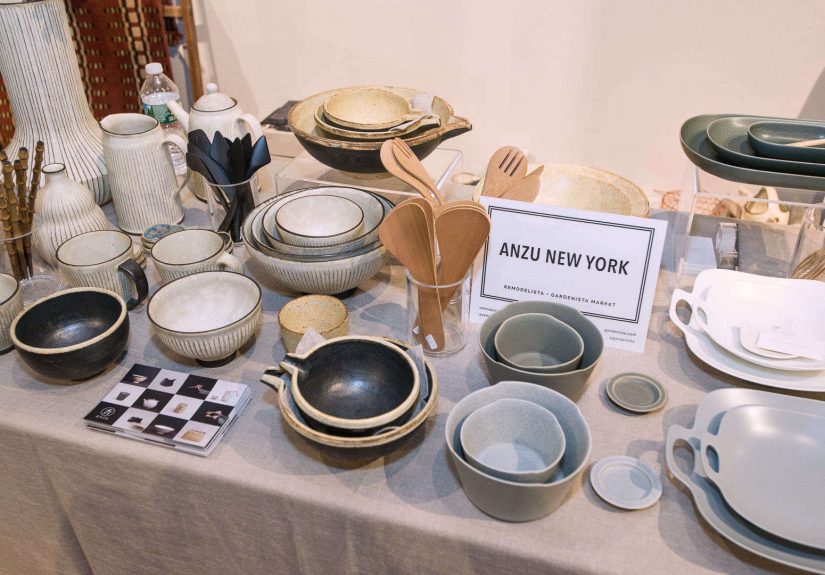
Ceramics were a natural fit for the market because they embody everything Remodelista tends to celebrate: utility, material honesty, and subtle beauty. Handmade bowls, mugs, plates, and vessels have a way of making routine moments feel less routine. Morning coffee tastes more intentional. Pasta night gets promoted from “Tuesday” to “tiny event.” A fruit bowl suddenly becomes a still life.
That is part of the allure of makers such as ceramic artists spotlighted around the market. Their work offered shape, texture, and variationsmall details that make an object feel alive. In New York, where many people eat, work, host, and occasionally spiral in the same room, these tactile upgrades matter. Good ceramics do not just decorate a home. They humanize it.
Textiles With Personality, Not Just Pattern
Textiles also played a big role in the market’s identity. Think pillows, runners, napkins, linens, and woven pieces that add softness without visual chaos. This is classic Remodelista territory: not fussy, not overworked, just beautifully made fabric doing the heavy lifting of making a room feel finished.
Brands associated with the event, including names known for painterly or story-driven textiles, helped reinforce the market’s warmth. In New York apartments especially, textiles can change everything. They soften acoustics, add comfort, introduce color, and make small spaces feel layered rather than cramped. Or, to put it less elegantly, they keep a room from looking like you moved in yesterday and forgot to become a person.
Fragrance, Botanicals, and the Invisible Layer of Design
Good design is not only visual. Remodelista Market understood that smell, mood, and atmosphere are part of the home experience too. That is why fragrance and botanical brands made so much sense within the vendor mix. Candles, soaps, apothecary goods, and natural elements can shift the energy of a space without requiring a full redesign or a terrifying trip to buy furniture.
This category also reflects the increasing overlap between design and lifestyle. A well-designed home is not just about what sits on the table. It is about how the whole place feels when you walk in. Warm wood, soft linen, a hint of smoke or cedar or citrus from a candlethese details create memory. They tell guests something about the space before anyone says a word.
Edible Goods and the Entertaining Connection
The presence of gourmet food vendors and related makers was another smart touch. Remodelista has long understood that kitchens, dining rituals, and entertaining are central to the life of a home. Beautiful serving pieces become more meaningful when paired with good chocolate, cocktail ingredients, pantry items, or table-ready treats. A market that includes both objects and edible pleasures feels complete.
It also makes the experience more social. You are not just buying decor. You are imagining a dinner party, a weekend breakfast, a host gift, or a last-minute excuse to arrange cheese on your best board and pretend this level of effort is normal for you.
Notable Maker Energy: Why the Vendor Mix Worked
Part of the strength of Remodelista Market, New York was the vendor roster. The names connected to the event represented a pleasing range of categories and personalities while still feeling cohesive. A homewares brand such as Hawkins New York speaks to functional elegance and everyday utility. A fragrance brand such as APOTHEKE brings scent, ritual, and Brooklyn-rooted polish. Textile-focused names like Rebecca Atwood or Coral & Tusk add color, softness, story, and illustration-driven charm. Ceramic and studio makers contribute the handcrafted irregularity that mass retail can imitate but rarely duplicate.
Then there are the more surprising touches: inventive clothing, jewelry, artisan foods, and multi-hyphenate creative spaces like ÖR Gallery and Tavern. These additions prevented the market from feeling too narrowly “decor-only.” That broader mix mirrored real life. Homes are not assembled from one category. They are made from overlap: what we wear, what we eat, what we light, what we place on shelves, and what we use every day without wanting it to be ugly.
The result was a retail environment with rhythm. One table might offer hand-embroidered textiles, the next stoneware, the next a candle that makes you suddenly believe in moody lighting, and the next a food item you were not planning to buy but now feel morally obligated to sample. It was carefully varied, which is harder to pull off than it looks.
Why the Market Mattered Beyond One Weekend
It would be easy to dismiss a design market as a stylish weekend diversion, but Remodelista Market pointed toward something more meaningful in retail culture. It showed the value of curation in an era increasingly dominated by endless scrolls, algorithmic recommendations, and marketplaces where “handmade” sometimes means “questionable.” By putting editors, makers, and shoppers in the same room, the market restored context to the buying process.
That matters because context is what gives design depth. Knowing who made an object, where it was produced, what inspired it, and how it fits into a broader design philosophy changes how people shop. It encourages fewer impulse buys and more lasting purchases. It also helps smaller makers compete on something other than speed and scale. At a market like this, craftsmanship has a fighting chance.
The event also underscored a lesson that still feels relevant now: people want physical retail experiences when those experiences offer expertise, intimacy, and discovery. A beautifully run market can do what giant e-commerce platforms cannot. It can surprise you. It can slow you down. It can make shopping feel social, educational, and oddly restorative rather than purely transactional.
What Today’s Design Lovers Can Learn from Remodelista Market, New York
Even if you never attended the market, its logic remains useful. Start with a clear point of view. Buy fewer, better things. Mix function with feeling. Pay attention to makers. Favor objects that tell a story, improve a routine, or make a small space work harder. This is not about creating a museum apartment where no one is allowed to touch the throw pillows. It is about building a home that looks calm, lives well, and reflects actual values.
There is also a lesson here for anyone overwhelmed by decorating decisions. Instead of trying to “finish” an entire home in one big retail sprint, think like a market shopper. Add a ceramic bowl you love. Choose a candle with real presence. Invest in linens that get softer over time. Pick a textile that introduces personality. One good object leads to another, and eventually the room begins to feel like yours.
That, ultimately, is the legacy of Remodelista Market, New York. It made design feel personal rather than performative. It celebrated the kinds of pieces that improve everyday life quietly and consistently. And in a city famous for spectacle, it proved that restraint can still be wildly compelling.
Experience: Spending a Day at Remodelista Market, New York
To understand the appeal of Remodelista Market, New York, imagine arriving on a brisk Manhattan morning with coffee in hand and absolutely no intention of buying anything substantial. Within minutes, that plan starts to wobble. The atmosphere is relaxed but charged, the way good bookstores and excellent dinner parties feel: there is energy in the room, but nobody is shouting for your attention. Tables are arranged with care. Ceramics catch the light. Linen looks touchable from ten feet away. Candles are quietly performing their aromatic witchcraft. You start slowing down without even realizing it.
One of the best parts of a market like this is the permission to be curious. You can ask why a glaze looks smoky on one mug and chalky on another. You can learn how a textile pattern began as a sketchbook painting. You can hear why a fragrance maker chose a particular blend or how a small home brand thinks about form and function. That exchange changes the mood completely. Shopping stops feeling like extraction and starts feeling like conversation.
The New York setting adds another layer. Outside, the city is doing what it doeshonking, hurrying, reminding everyone they are three minutes behind. Inside, the market feels edited and intentional, like someone pressed pause on the chaos and made room for objects with patience. That contrast is part of the thrill. You are still in Manhattan, but for an hour or two, your brain is somewhere calmer, somewhere with better tableware and less email.
Then there is the delight of seeing categories mix together in a way that makes home life feel whole. A hand-thrown bowl does not live alone; it imagines itself next to striped napkins, a cutting board, a bottle of olive oil, maybe a moody candle for the table. The embroidered pillow wants a nearby throw. The soap wants a better tray. The market encourages those connections naturally, not in a pushy upsell way, but in the deeply persuasive language of “look how beautifully these things belong together.” Dangerous? A little. Inspiring? Very.
By the time you leave, you may or may not be carrying a small bag, a wrapped ceramic piece, or a candle you justified as “practical.” But the real takeaway is often less literal. You leave with sharper instincts. You notice texture more. You understand your own taste a little better. You become more suspicious of disposable decor and more interested in objects that can age well, gather meaning, and survive more than one apartment lease. In that sense, the experience of Remodelista Market, New York is bigger than the event itself. It is a reminder that the best design shopping does not just fill a home. It teaches you how to see one.
Conclusion
Remodelista Market, New York was never just about buying pretty things, though it certainly did not hurt that the pretty things were excellent. Its real achievement was showing how an editorial philosophy could become a physical environment: calm, curated, useful, and full of makers worth knowing. It captured a version of New York design culture that prized craft over hype, story over sameness, and quality over impulse.
That is why the idea still resonates. In a world of overproduction and endless digital noise, a market centered on handmade goods, thoughtful curation, and real conversations feels refreshingly human. Whether you are a seasoned interiors obsessive or simply someone trying to make a small apartment feel a little more like home, the lessons of Remodelista Market remain wonderfully practical: buy with intention, live with what you love, and never underestimate the emotional power of a very good bowl.