Table of Contents >> Show >> Hide
- Before You Buy Anything: Measure Like You Mean It
- The 10 Easy Pieces: Under-Bed Storage Solutions That Actually Work
- 1) The Clear, Snap-Lid Bin (a.k.a. “No Surprises” Storage)
- 2) The Zippered Fabric Container with a Clear Top (Soft Sides, Strong Personality)
- 3) The Low-Profile Rolling Box (Because Your Back Didn’t Sign Up for This)
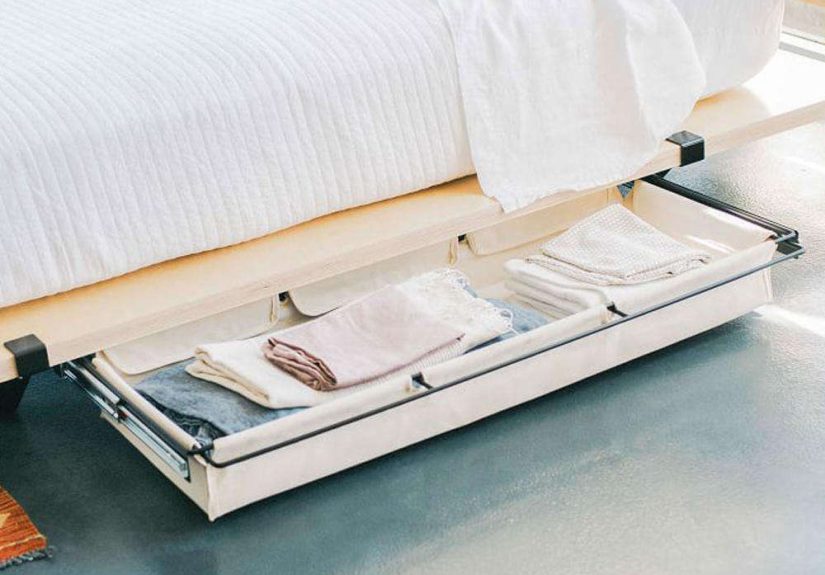
- 4) The Under-Bed Drawer That Looks Like Furniture (The Grown-Up Option)
- 5) The Structured Under-Bed Fabric Bin (Budget-Friendly, Surprisingly Polished)
- 6) The Vacuum Storage Bag (When Your Comforter Needs to Go on a Diet)
- 7) The Canvas Under-Bed Bag (Lightweight and Unfussy)
- 8) The Compartment Shoe Organizer (So Shoes Stop Becoming a Pile of Regret)
- 9) The Shallow Basket or Tray (Pretty Storage for Everyday Stuff)
- 10) The Bed Riser + Matching Containers Combo (Create Space Where None Exists)
- What You Shouldn’t Store Under the Bed (Even If It Fits)
- Pro Tips to Make Under-Bed Storage Feel Effortless
- Extra: Real-World Experiences and Lessons from Under-Bed Storage (Approx. )
- Conclusion
- SEO Tags
The space under your bed is the Bermuda Triangle of bedrooms: socks vanish, dust bunnies form alliances, and somehow your life decisions end up down there.
But here’s the twistunder-bed space is also some of the best storage “real estate” in the house when you treat it like a tiny, hidden closet instead of a
last-minute shove zone. Remodelista framed it perfectly: a little intention goes a long way, especially when your storage tools are actually designed to slide,
seal, and behave.
In this guide, you’ll get a Remodelista-inspired “10 Easy Pieces” roundupplus practical advice pulled from hands-on testing and editor recommendations from
major home-and-lifestyle outlets. The goal is simple: store more, see less, and stop re-buying things you already own because you forgot they were under the bed
for six months.
Before You Buy Anything: Measure Like You Mean It
Under-bed storage succeeds or fails on one boring detail: dimensions. Don’t eyeball itmeasure it. Testing teams and professional organizers consistently flag
“check the measurements” as the difference between a smooth slide and a daily wrestling match.
A quick measuring checklist
- Clearance height: floor to the lowest part of your bed frame (not the mattress edge).
- Usable width: account for center legs/support beams that block long containers.
- Reach zones: sides are easiest; the middle is “special ops” storage unless you use wheels.
- Floor type: carpet favors smooth-bottom bags; hard floors love wheels.
The 10 Easy Pieces: Under-Bed Storage Solutions That Actually Work
1) The Clear, Snap-Lid Bin (a.k.a. “No Surprises” Storage)
If you want the under-bed equivalent of a reliable coworker who always replies, choose a clear plastic bin with a secure snap lid. Testers at The Spruce praised
durable construction, easy access, and the visibility factorbecause seeing your stuff beats opening five mystery boxes like it’s a storage-themed escape room.
Best for: folded clothes, linens, gift wrap, craft supplies. Watch out for: very low bedsconfirm height.
2) The Zippered Fabric Container with a Clear Top (Soft Sides, Strong Personality)
Fabric under-bed organizers used to be flimsy. The better versions now balance structure and flexibilityfirm sides that hold shape, plus a top that “gives” for bulkier
items. Multiple outlets highlight this style for smooth zippers, handles, and a cleaner look when your bed doesn’t hide what’s underneath.
Best for: sweaters, spare bedding, kids’ clothing. Watch out for: overstuffing that stresses zippers (yes, the zipper remembers).
3) The Low-Profile Rolling Box (Because Your Back Didn’t Sign Up for This)
Wheels are the secret weapon for the “middle-of-the-bed” zone. Reviewed highlights wheeled bins as favorites for accessibility, especially for heavier loads. If you’re
storing anything densebooks, shoes, stacked jeansrolling beats dragging every time.
Best for: shoes, heavier clothing, kids’ toys. Watch out for: thick carpetsmall wheels can struggle.
4) The Under-Bed Drawer That Looks Like Furniture (The Grown-Up Option)
Remodelista loves under-bed drawers that are designed to coordinate with bed framesoften in wood or metalso storage looks intentional, not accidental. This is the move
when your bed is open underneath and you don’t want your storage screaming “I panic-organized last night.”
Best for: guest rooms, minimalist bedrooms, platform beds. Watch out for: matching heights and clearancesdrawer systems need room to glide.
5) The Structured Under-Bed Fabric Bin (Budget-Friendly, Surprisingly Polished)
Big home publications routinely recommend structured fabric bins for everyday overflowextra tees, kids’ pajamas, workout gearespecially if you want something softer than
plastic. Testing notes often emphasize handles and lids that open easily without pulling the whole bin out.
Best for: frequently accessed basics. Watch out for: bins that “look huge online” but arrive smalleralways verify dimensions.
6) The Vacuum Storage Bag (When Your Comforter Needs to Go on a Diet)
Vacuum bags are the king of compression. Martha Stewart’s experts recommend them for bulky items like comforters and winter jackets, and Reviewed calls out vacuum bags as a
budget-friendly way to compress soft goods.
Best for: seasonal bedding and puffer jackets. Watch out for: sharp items and frequent accessvacuum storage is great, but it’s not “grab-and-go.”
7) The Canvas Under-Bed Bag (Lightweight and Unfussy)
Canvas bags are the simple, durable middle ground: lighter than plastic, less fussy than vacuum sealing, and easy to slide. Remodelista includes classic canvas under-bed
options that keep things tidy without looking overly “storage aisle.”
Best for: spare linens, off-season clothes, guest bedding. Watch out for: dustchoose a fully enclosed bag with a solid zipper.
8) The Compartment Shoe Organizer (So Shoes Stop Becoming a Pile of Regret)
Shoe-specific under-bed organizers with dividers keep pairs separated and prevent the “single-shoe mystery.” Testing coverage notes that dividers and handles make a huge
difference in usability, especially if you’re storing multiple pairs and want quick retrieval.
Best for: flats, sandals, kids’ shoes. Watch out for: very bulky bootsmeasure height and divider size.
9) The Shallow Basket or Tray (Pretty Storage for Everyday Stuff)
If you want “open storage” that still feels calm, use a shallow basket or tray for items you grab oftenslippers, a book, a small blanket. Better Homes & Gardens
specifically highlights shallow baskets/trays as a practical under-bed option for quick-access items.
Best for: bedtime essentials, slippers, reading materials. Watch out for: dustopen storage needs more frequent cleaning.
10) The Bed Riser + Matching Containers Combo (Create Space Where None Exists)
When clearance is tight, risers can turn “no storage” into “actual storage.” Martha Stewart explicitly calls out bed risers as a way to expand under-bed capacity, and
mainstream guides frequently pair risers with low-profile bins for a clean system.
Best for: small bedrooms, rentals, dorms. Watch out for: stabilityuse sturdy risers rated for the load and keep the bed level.
What You Shouldn’t Store Under the Bed (Even If It Fits)
Under-bed storage is fantasticbut it’s also close to the floor, where dust settles and airflow can be limited. Sleep-focused experts warn that poor ventilation and
excess humidity can contribute to mold issues in bedrooms, and mattress/bed-frame guidance often emphasizes airflow to reduce moisture problems. In other words: don’t
store items that hate moisture or need pristine conditions.
- Important paper documents (unless sealed in airtight protection).
- Food, candles, or anything that attracts pests (you’re basically hosting an all-you-can-eat buffet).
- Delicate heirlooms unless properly protected from dust and humidity.
- Anything you need weekly if it’s stored in the awkward “center zone” with no wheels.
Pro Tips to Make Under-Bed Storage Feel Effortless
Make it a system, not a dumping ground
The best-tested products share a theme: easy access (handles/wheels), secure closures (snap lids or explaining-to-your-zipper-why-it-must-work), and visibility. Testing
teams repeatedly prioritize durability and convenience because under-bed storage gets dragged, bumped, and yanked more than people admit.
Label like Future-You is a stranger
Labels reduce re-buying and rummaging. Martha Stewart’s guidance explicitly calls out labeling so you can find what you need fastespecially when the storage is sealed.
Keep airflow and cleanliness in mind
If your bedroom runs humid or you’re storing textiles long-term, prioritize sealed containers and occasional cleaning under the bed. Mold can form with humidity and poor
ventilationeven without obvious leaksso don’t let “out of sight” become “out of control.”
Extra: Real-World Experiences and Lessons from Under-Bed Storage (Approx. )
Here’s the part most storage guides skip: under-bed storage isn’t just about what you buyit’s about what happens after week three, when you’re tired, busy,
and one missing sock away from giving up and becoming a minimalist monk.
A recurring theme from editorial testing is that the “best” container isn’t always the fanciestit’s the one you’ll actually use. In long-term trials, structured
zippered fabric containers earned praise for surviving real life: moving, daily access, overstuffing (lightly), and even the occasional pet who decides your storage bin
is now their personal lounge. Reviewers highlighted smooth zippers that don’t snag, sides that hold shape, and tops that flex just enough to accommodate bulky clothes
without turning everything into a wrinkled brick.
Another experience that shows up in testing notes is the importance of “partial access.” Some lids and designs let you open the container without pulling it completely out.
That sounds minoruntil you’re trying to quietly grab a hoodie while someone’s asleep and your bin screeches across the floor like a haunted dresser. Testers consistently
favored openings that are easy to reach and handles that don’t feel decorative (aka: handles that work when the bin is full).
When it comes to plastic bins, editors and testers love the honesty of clear sides: you can identify contents instantly. The downside is also honesty: you can identify
your contents instantly. If you’re the type who wants your bedroom to feel serene, you may prefer fabric bins or drawersor hide plastic bins with a bed skirt. Practical
guides routinely mention bed skirts as the easiest way to conceal under-bed storage while keeping the system functional.
DIY also pops up in “real-life” stories because it solves weird, specific problemslike fitting a container around a center support beam or maximizing a kid’s room where
toys multiply overnight. Mainstream sources show DIY rolling drawer approaches (or repurposing drawers) because custom sizing can beat one-size-fits-all bins. And yes,
kid storage is its own category: Good Housekeeping highlights rolling, divided storage ideas (like compartment-style rolling organizers) specifically because small pieces
become household hazards when they escape.
The final lesson: the under-bed zone works best as a “seasonal rotation” area. Put the things you don’t need dailyholiday linens, winter layers, spare blanketsinto
sealed storage, then rotate when the weather changes. You’ll feel like you gained closet space without buying a new house. And if you do it right, you’ll also stop
feeding the dust bunny empire that has been quietly expanding under there since 2019.
Conclusion
Under-bed storage is at its best when it’s intentional: measured to fit, easy to access, and matched to what you’re storing. Start with one “hero” container style
(clear bin, zippered fabric, or rolling box), label it, and build from there. Your bedroom stays calmer, your closet breathes again, and the space under your bed finally
earns its rent.