Table of Contents >> Show >> Hide
- What “toxic mold” actually means (and what it doesn’t)
- Why hidden mold is a bigger deal than “a little spot”
- 12 hidden signs your house could have toxic mold
- 1) A musty smell that keeps coming back (even after cleaning)
- 2) Allergy-like symptoms that improve when you’re away from home
- 3) Paint that bubbles, peels, or looks “blistered”
- 4) Warped baseboards, swelling trim, or “soft” drywall
- 5) Water stains that appear… then disappear… then reappear
- 6) Condensation that’s basically part of your home’s personality
- 7) A “forever damp” bathroomeven when nobody is showering
- 8) A closet that smells like wet cardboard (or your clothes do)
- 9) Floors that cup, buckle, or feel oddly cold and damp
- 10) The HVAC system smells musty, or vents look dusty in a suspicious way
- 11) You’ve had water damageand “dried it out” a little too confidently
- 12) Unexplained rust, corrosion, or recurring damp spots near pipes
- How to investigate safely (without turning your home into a science experiment)
- Should you test for mold?
- What to do if you suspect hidden toxic mold
- How to prevent mold from coming back
- FAQ: quick answers people actually want
- Real-world experiences homeowners report (and what they learned)
- Conclusion
Mold is the uninvited houseguest that never brings snacks, never pays rent, and somehow always finds the dampest,
darkest corner of your home to throw a tiny fungal rave. And while “toxic mold” gets tossed around like a scary
campfire story, the bigger truth is simpler (and more useful): any indoor mold growth is a moisture problem,
and moisture problems don’t fix themselves.
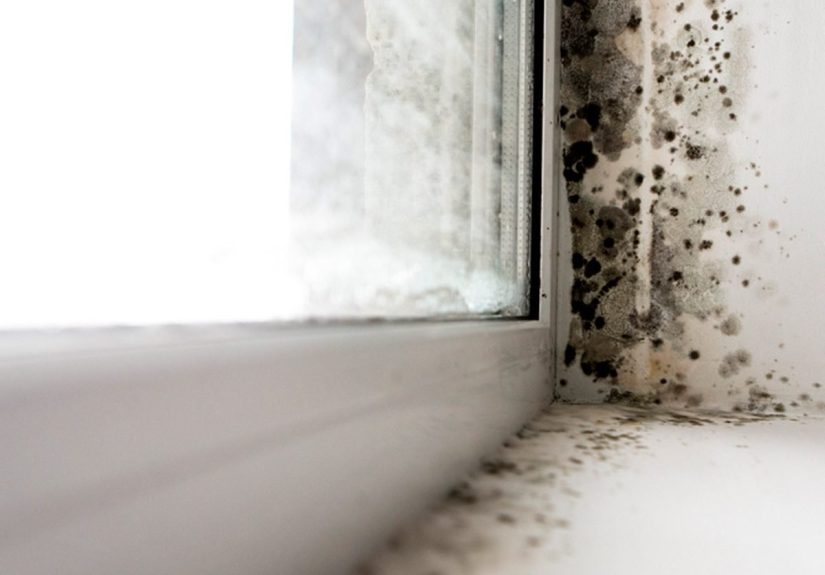
The tricky part? Mold doesn’t always show up like a cartoon villain creeping across your bathroom ceiling.
It often hides inside walls, under flooring, behind cabinets, or in HVAC systemsquietly multiplying while you’re busy
Googling “why does my house smell like a gym sock that got a PhD in chemistry?”
This guide walks through 12 hidden signs your house could have toxic mold, what they actually mean,
and what to do nextwithout panic, without gimmicks, and without pretending bleach is a personality.
What “toxic mold” actually means (and what it doesn’t)
Let’s clear the air (literally). “Toxic mold” is a popular term for molds that can produce mycotoxins under certain
conditions. One species that’s often mentioned is Stachybotrys chartarum (sometimes called “black mold”).
But here’s the plot twist: you can’t reliably identify mold “toxicity” by color, smell, or vibes. Even “black mold” isn’t
automatically Stachybotrys, and Stachybotrys isn’t the only mold worth taking seriously.
The practical takeaway most health and housing guidance agrees on: if mold is growing indoors, it shouldn’t be there.
Focus less on the label and more on the root causemoistureand the size/location of the growth.
Why hidden mold is a bigger deal than “a little spot”
Mold needs moisture to grow. If you’re seeing even small surface signs, there may be a bigger damp area out of sight.
Hidden mold tends to spread on paper backing of drywall, insulation, wood framing, carpet padding, and ceiling tiles
all the stuff you’d rather not replace after you’ve already emotionally committed to that paint color.
Damp indoor environments are also associated with respiratory symptoms and asthma issues in susceptible people, which is why
“mystery allergies” can sometimes be a clue to investigate the buildingnot just your immune system.
12 hidden signs your house could have toxic mold
Think of these as “mold breadcrumbs.” One sign alone doesn’t confirm a problem, but several togetherespecially tied to water
damage or humidityshould move “check for hidden mold” up your to-do list.
1) A musty smell that keeps coming back (even after cleaning)
A persistent earthy, damp, “old basement” odor is one of the most common hints that mold is growing somewhere you can’t see
inside a wall cavity, under flooring, behind a shower surround, or in ductwork. If the smell fades when you leave the house
and returns when you come back, that’s a meaningful clue.
Real-world example: The living room smells fine until the HVAC kicks onthen suddenly it’s “thrift store cardigan
in August.” That can point to moisture and microbial growth in the HVAC system or nearby building materials.
2) Allergy-like symptoms that improve when you’re away from home
Sneezing, congestion, itchy eyes, coughing, wheezing, throat irritationespecially when they flare up indoors and ease outdoors
or on vacationcan suggest an indoor air trigger. Mold is a known allergen for many people, and damp buildings can worsen asthma
symptoms in susceptible individuals.
Important: Symptoms aren’t proof of mold (allergies have plenty of villains), but they’re a strong reason to look
for moisture issues and hidden growthespecially if multiple people in the home notice the same pattern.
3) Paint that bubbles, peels, or looks “blistered”
Bubbling paint or peeling wallpaper often means moisture is trapped behind the surface. Mold loves that behind-the-scenes
humidity like it’s backstage at a concert. If you keep repainting the same area and it keeps failing, the wall may be damp inside.
Where to check: Exterior walls, windows, bathrooms, behind toilets, and around laundry rooms.
4) Warped baseboards, swelling trim, or “soft” drywall
Building materials change shape when they absorb water. Trim that swells, baseboards that separate from the wall, or drywall that
feels spongy can signal ongoing moistureoften from a slow plumbing leak, a poorly sealed tub/shower, or water intrusion through
an exterior wall.
If you can press a wall and it feels like a slightly damp graham cracker, that’s not “character.” That’s a problem.
5) Water stains that appear… then disappear… then reappear
A faint yellow-brown ring on a ceiling or wall that comes and goes is classic “something is leaking, but only when conditions are
right.” That could be a roof leak during wind-driven rain, an HVAC condensation issue, or a plumbing leak that worsens with use.
Mold can grow on the back side of drywall long before you see anything dramatic from the front.
6) Condensation that’s basically part of your home’s personality
Constant condensation on windows, cold walls, toilet tanks, or uninsulated pipes suggests indoor humidity is too high or surfaces
are too cold. Condensation equals moisture; moisture equals mold opportunity.
Quick self-check: If you’re wiping windows regularly (not once a yearregularly), consider tracking indoor humidity.
Many building-health trainings recommend keeping indoor relative humidity roughly in the 30–60% range to reduce mold growth risk.
7) A “forever damp” bathroomeven when nobody is showering
If your bathroom mirror fogs up from someone thinking about taking a shower, ventilation may be insufficient. Bathrooms are mold
hot zones: warm + wet + organic surfaces (hello, grout).
Hidden mold often grows behind tile, under vinyl flooring, inside vanity toe-kicks, or behind the toilet where small leaks go unnoticed.
8) A closet that smells like wet cardboard (or your clothes do)
Closets on exterior walls (especially north-facing or shaded walls) can develop microclimates: low airflow, cooler surfaces, higher
condensation risk. If clothes smell musty, shoes get funky fast, or boxes warp, you may have elevated humidity or hidden moisture.
Mold doesn’t need a flood. Sometimes it just needs a quiet corner and a little dampness.
9) Floors that cup, buckle, or feel oddly cold and damp
Warping hardwood, loosening laminate, or tile that feels consistently cool/damp can signal moisture from belowcrawlspace humidity,
slab moisture, or a leak. Mold can grow under flooring or in subfloor materials where you won’t see it until the floor starts protesting.
Tip: Pay attention near dishwashers, refrigerators with ice lines, bathroom thresholds, and exterior doors.
10) The HVAC system smells musty, or vents look dusty in a suspicious way
If turning on the heat or AC releases a musty odor, investigate. HVAC systems can distribute mold spores and irritants if there’s
moisture in components (like condensate pans, coils, or poorly insulated ducts in humid spaces).
You might also notice “dirty sock syndrome” odors with certain systemsoften tied to microbial growth on coils in humid conditions.
Not every odor is mold, but persistent mustiness with HVAC use is worth checking.
11) You’ve had water damageand “dried it out” a little too confidently
After leaks, floods, or overflows, mold can begin growing quickly if materials stay wet. The risk climbs when water gets into
drywall, insulation, carpet padding, or cabinetsplaces that don’t dry fast without active drying and, sometimes, removal.
If you had a leak and simply ran a fan for a day and declared victory, your walls might be quietly disagreeing with you.
12) Unexplained rust, corrosion, or recurring damp spots near pipes
Rust on pipes, fasteners, or metal HVAC components can indicate frequent condensationmeaning moisture is present regularly. Persistent
dampness around plumbing (under sinks, behind washing machines, near water heaters) often points to slow leaks or sweating pipes.
Hidden mold frequently starts with “just a little drip” that’s been happening for months.
How to investigate safely (without turning your home into a science experiment)
Start with the moisture story
Mold is a symptom. Moisture is the cause. Before you buy any test kit, walk through your home like a detective who’s paid in dry air:
- Check under sinks, behind toilets, around tubs/showers, near the water heater, and around the HVAC air handler.
- Look for stains, warped materials, peeling finishes, and recurring condensation.
- Sniff-check closets, basements, crawlspaces, and rooms that share walls with plumbing.
- Track indoor humidity with an inexpensive hygrometer for a week.
Be smart about DIY “inspection”
Avoid ripping into walls without a plan. Disturbing moldy materials can release more spores and dust. If you suspect significant growth,
consider professional assessmentespecially if you or someone in the home has asthma, severe allergies, or a compromised immune system.
Should you test for mold?
Testing can be helpful in some situations, but it’s often overused. Many public health and environmental guidelines emphasize that
visible mold or a clear musty odor is enough reason to actmeaning: fix the moisture problem and clean/remove affected materials.
Testing may make sense when:
- You can’t find the source, but there’s a strong odor or recurring moisture.
- You need documentation for a landlord, insurance claim, or remediation plan.
- You want to confirm the extent of contamination after remediation.
If you do test, focus on actionable results. A report that says “mold exists” (it doeseverywhere) isn’t helpful unless it ties to
a moisture source and a remediation plan.
What to do if you suspect hidden toxic mold
1) Fix the water problem first
Leaks, condensation, poor ventilation, wet basements, roof issuesstop the moisture. If moisture continues, mold will return,
no matter how heroic your cleaning playlist is.
2) Dry fast and thoroughly
Use fans, dehumidifiers, and (when appropriate) HVAC to reduce humidity and dry materials quickly. The longer materials stay wet,
the greater the risk of mold growth and deeper damage.
3) Decide: clean, remove, or call a pro
For small areas on non-porous surfaces, careful cleaning may be enough. But porous materials (like drywall, insulation, carpet padding,
ceiling tiles) often need removal if they’re contaminated or water-damaged.
Many homeowner-focused guidance documents suggest considering professional help when mold covers a large area (often cited as around
10 square feet or more), when HVAC systems are involved, or when contamination follows sewage or floodwater.
4) Protect yourself
If you must clean a small area:
- Wear gloves and eye protection.
- Use a well-fitting mask (a respirator is best for dusty work).
- Ventilate the area.
- Don’t mix cleaning chemicals.
5) Don’t just paint over it
Covering stains or mold with paint is like putting a bandage on a leaking pipe. It might look better for a week,
but the underlying problem keeps growingsometimes literally.
How to prevent mold from coming back
- Control humidity: Aim for a comfortable indoor range; use dehumidifiers in damp climates or basements.
- Vent bathrooms and kitchens: Run exhaust fans during and after showering/cooking.
- Fix leaks quickly: Even “tiny” leaks can feed hidden growth over time.
- Improve airflow: Don’t pack furniture tightly against exterior walls in humid seasons.
- Maintain gutters and grading: Keep water moving away from your foundation.
- Check HVAC drainage: Make sure condensate pans drain properly and filters are changed regularly.
FAQ: quick answers people actually want
Is all mold “toxic”?
No. But indoor mold growth still signals excess moisture and should be addressed. Health effects vary by person, environment,
and the amount of contamination.
Can I identify “toxic mold” by color?
Not reliably. Dark-colored mold is common, and many molds can appear black, green, or brown depending on conditions.
Treat any indoor mold growth as a problem, regardless of color.
What if I rent?
Document signs of moisture and mold (photos, dates, locations). Request repairs in writing. If health symptoms worsen at home,
consult a clinician and consider asking for an indoor air/moisture evaluation.
Real-world experiences homeowners report (and what they learned)
People rarely discover hidden mold because they “just felt like opening a wall for fun.” It usually starts with a small annoyance
that becomes a patternan odor, a stain, a cough that won’t quit. Below are common experiences homeowners describe when they later
find hidden mold, plus the lessons that tend to stick.
The “It’s probably just humidity” summer
A family notices their downstairs feels sticky all summer. The windows fog in the morning, the guest room smells odd, and towels in
the nearby bathroom never fully dry. Everyone shrugsbecause it’s hot outside, so of course it’s humid inside… right?
Eventually, a corner of the baseboard swells and paint starts bubbling. When they investigate, they find damp insulation and mold
on the back of the drywall. The real culprit wasn’t “summer.” It was poor ventilation, a small air leak, and an indoor humidity
level that stayed high for weeks.
Lesson learned: Track indoor humidity and treat recurring condensation as an early warning, not a seasonal quirk.
The “mystery allergies” that vanished on vacation
Another homeowner swears they’re fineuntil they spend a weekend at home and wake up congested with irritated eyes. They change
detergent, buy fancy pillows, blame pollen, then blame the neighbor’s tree. But every time they travel, symptoms ease within a day.
After a particularly musty smell near a closet, they pull out a box and find the back wall feels damp. A slow leak from an exterior
wall flashing issue had been feeding hidden growth behind the drywall.
Lesson learned: Health symptoms don’t diagnose mold, but patterns matterespecially “worse at home, better away.”
The under-sink leak that didn’t look like a leak
Sometimes it’s not a dramatic puddle. It’s a cabinet that smells “off.” A trash can that seems to stink faster than normal.
A little ripple in the particleboard under the sink. Many people only look under there when they’re hunting for dish soap,
so a slow drip can go unnoticed for months. When the cabinet finally sags, the underside is spotted and the wall behind it is damp.
Lesson learned: Make “under sinks” a monthly check, like changing HVAC filters or pretending you’ll organize the garage.
The post-water-damage confidence trap
After an overflow or minor flood, homeowners often do the obvious things: mop up water, run fans, maybe rent a dehumidifier for a day.
Everything feels dry to the touch, so the crisis is declared over. Weeks later, the house smells musty on humid days, and the flooring
starts to warp at the edges. The hidden issue is moisture trapped under materialscarpet padding, subfloor, drywallwhere air can’t
circulate. Mold doesn’t need applause to grow; it just needs time.
Lesson learned: “Looks dry” isn’t the same as “is dry.” After water events, dry thoroughly and consider professional
guidance for porous materials.
Conclusion
Hidden mold problems are rarely about one dramatic clue. They’re about patterns: recurring odors, repeated condensation,
unexplained material damage, or health symptoms that correlate with time indoors. If you suspect toxic mold, don’t get stuck in the
internet doom spiral. Start with what you can control: find moisture, fix moisture, dry thoroughly, and remove contaminated porous materials
when needed. Your goal isn’t to “win against mold forever.” It’s to make your home a place where mold can’t comfortably move in.