Table of Contents >> Show >> Hide
- What Registered Dietitians Want You to Check Before Buying Fish Oil
- The 13 Best Fish Oil Supplements, According to Registered Dietitians
- 1. Nordic Naturals Ultimate Omega Best Overall
- 2. Kirkland Signature Fish Oil 1000 mg Best Budget Pick
- 3. Life Extension Super Omega-3 Plus Best High-Potency Formula
- 4. Nature Made Burp-Less Ultra Omega-3 1400 mg Best for People Who Hate Fishy Aftertaste
- 5. Sports Research Omega-3 Fish Oil from Wild Alaska Pollock Best One-a-Day Softgel
- 6. Carlson The Very Finest Fish Oil Best Liquid Fish Oil
- 7. GNC Triple Strength Fish Oil Mini Best Mini Softgel
- 8. HUM OMG! Omega the Great Best Fish Oil With Vitamin E
- 9. Viva Naturals Triple-Strength Omega-3 Best Re-Esterified Triglyceride Pick
- 10. Wiley’s Finest Peak EPA Best High-EPA Formula
- 11. Nordic Naturals Ultimate Omega Gummy Chews Best Adult Gummy
- 12. Garden of Life Minami Prenatal Omega-3 Fish Oil Best for Pregnancy
- 13. Nordic Naturals Children’s DHA Gummy Chews Best for Kids
- How to Choose the Right Fish Oil Without Losing Your Mind
- Common Real-World Experiences With Fish Oil Supplements
- Conclusion
Note: This article is for educational purposes only and is not a substitute for personal medical advice. Fish oil supplements can interact with medications, especially blood thinners, and over-the-counter fish oil is not the same as prescription omega-3 treatment for very high triglycerides.
Shopping for fish oil sounds simple until you’re standing in the supplement aisle reading three bottles that all scream “1,000 mg!” like they’re auditioning for a daytime game show. Then you flip the label and realize one gives you a solid dose of EPA and DHA, another is mostly filler fish oil, and a third has enough fine print to qualify as a novella.
That is exactly why registered dietitians keep repeating the same advice: don’t buy fish oil based on the front label alone. Look at the actual amount of EPA and DHA, check whether the brand uses third-party testing, and choose a form you can realistically take every day without making a dramatic face.
After reviewing current dietitian-vetted buying guides, U.S. health guidance, and up-to-date product specs, these are the fish oil supplements that stand out most right now. Some are high-potency. Some are budget-friendly. Some are made for people who gag at giant softgels. And yes, a few are designed specifically to reduce the dreaded fish burp, which deserves its own Nobel Prize category.
What Registered Dietitians Want You to Check Before Buying Fish Oil
Before we get to the list, here’s the big rule: EPA and DHA matter more than the total fish oil number. A bottle may advertise 1,000 mg of fish oil, but that does not automatically mean you are getting 1,000 mg of omega-3s. For general wellness, dietitians often point people toward products that provide a meaningful combined dose of EPA and DHA, usually somewhere around 250 to 500 mg per day or more depending on the goal.
Dietitians also tend to prefer products in triglyceride or re-esterified triglyceride form when possible, because these forms are generally better absorbed than basic ethyl ester formulas. Beyond that, third-party testing matters. Names like USP, NSF, IFOS, and published Certificates of Analysis help separate quality supplements from mystery capsules with good marketing.
One more thing: food still comes first. If you regularly eat fatty fish like salmon, sardines, trout, or mackerel twice a week, you may not need a supplement at all. But if fish rarely makes it onto your plate, a well-chosen omega-3 supplement can help fill the gap.
The 13 Best Fish Oil Supplements, According to Registered Dietitians
1. Nordic Naturals Ultimate Omega Best Overall
If fish oil had a valedictorian, this would be it. Nordic Naturals Ultimate Omega keeps popping up in dietitian and expert roundups because it balances potency, brand transparency, and tolerability better than most competitors.
A standard serving delivers a hefty dose of omega-3s, including about 650 mg EPA and 450 mg DHA, and the brand uses wild-caught sardines and anchovies. It also publishes Certificates of Analysis, uses third-party testing, and offers both softgels and liquid. In plain English: it checks the boxes that picky dietitians actually care about.
2. Kirkland Signature Fish Oil 1000 mg Best Budget Pick
If your wallet is already doing cardio from grocery prices, Kirkland is a smart value option. This is not the most concentrated formula on the shelf, but it is affordable, widely available, and USP Verified, which gives it real credibility.
Each softgel includes fish oil with about 250 mg of EPA plus DHA, so it is better for steady, basic supplementation than for someone looking for a more aggressive omega-3 dose. Think of it as the practical sedan of fish oil: not flashy, but dependable and easy to recommend.
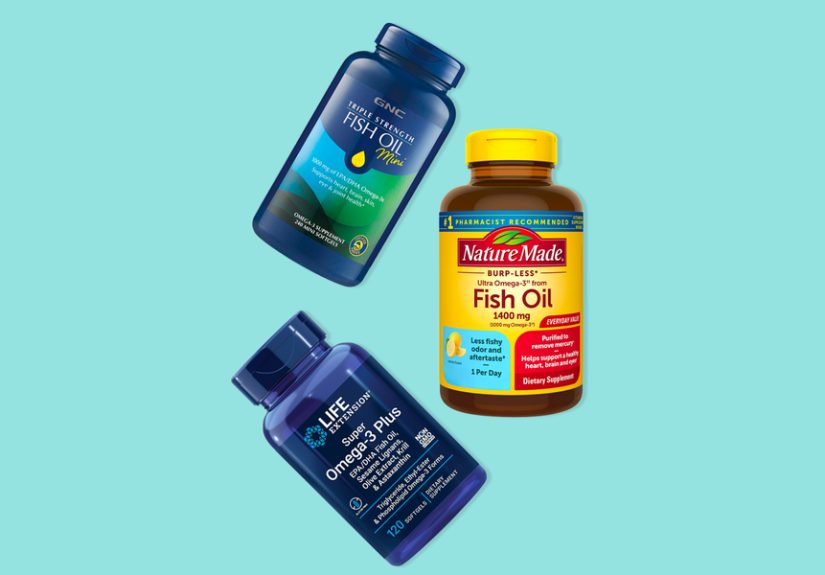
3. Life Extension Super Omega-3 Plus Best High-Potency Formula
This pick is for people who look at ordinary fish oil and say, “Cute, but I need more.” Life Extension’s Super Omega-3 Plus is a stronger formula that combines fish oil with extras like krill oil, olive polyphenols, and astaxanthin.
It provides a more concentrated omega-3 profile, including about 750 mg EPA and 510 mg DHA. Registered dietitians tend to like this type of formula for people who want a robust option and do not mind a slightly more premium supplement. It is more “power user” than “casual dabbler.”
4. Nature Made Burp-Less Ultra Omega-3 1400 mg Best for People Who Hate Fishy Aftertaste
Some fish oil supplements leave you tasting low tide for the rest of the afternoon. Nature Made’s burp-less formula was clearly designed for people who have been betrayed before.
This one-softgel serving delivers about 683 mg EPA and 252 mg DHA. The enteric coating is meant to reduce fishy burps, and the brand has a long track record in mainstream supplements. It is also an easy recommendation for beginners because it is familiar, affordable, and doesn’t require swallowing multiple horse pills.
5. Sports Research Omega-3 Fish Oil from Wild Alaska Pollock Best One-a-Day Softgel
Convenience matters more than supplement brands like to admit. If a product is annoying to take, people stop taking it. Sports Research wins points here because its triple-strength formula packs a lot into one daily softgel.
The formula is in triglyceride form, is IFOS 5-star certified, and is sourced from wild Alaska pollock with sustainability credentials. It is a great match for people who want a potent one-and-done supplement instead of rattling around with a handful of capsules like a maraca.
6. Carlson The Very Finest Fish Oil Best Liquid Fish Oil
Liquid fish oil is not for everyone, but for people who hate swallowing softgels, it can be a game-changer. Carlson’s The Very Finest Fish Oil is one of the most respected liquid options and is frequently mentioned by experts for quality and taste.
A teaspoon provides 1,600 mg of omega-3s, and Carlson states that its products are tested by an FDA-registered lab for freshness, potency, and purity. It is especially useful for people who want flexible dosing or like blending supplements into smoothies instead of chasing giant capsules with water and regret.
7. GNC Triple Strength Fish Oil Mini Best Mini Softgel
For some adults, size really does matter. Large fish oil capsules can be a daily wrestling match, and not everyone wants that kind of drama before breakfast.
GNC’s Triple Strength Fish Oil Mini offers about 1,000 mg of EPA and DHA per daily serving in smaller enteric-coated softgels. That makes it a strong option for people who want real potency without feeling like they are swallowing decorative pebbles.
8. HUM OMG! Omega the Great Best Fish Oil With Vitamin E
HUM’s formula takes a slightly different angle by pairing fish oil with vitamin E. Dietitians often like it for people who want a more “beauty-meets-wellness” style supplement without sacrificing a meaningful omega-3 dose.
Two softgels provide about 800 mg EPA and 400 mg DHA, and the formula is sourced from anchovies. It is also associated with third-party purity testing through Clean Label Project. If your dream supplement says “heart, brain, and skin support” without tasting like a bait shop, this one earns a look.
9. Viva Naturals Triple-Strength Omega-3 Best Re-Esterified Triglyceride Pick
Viva Naturals is the overachiever that shows up with a sharpened pencil, color-coded tabs, and an answer for everything. Its fish oil is delivered in re-esterified triglyceride form, which many experts prefer for absorption.
Two softgels deliver about 2,250 mg of omega-3 fatty acids, and the oil is molecularly distilled for purity. This is a strong match for shoppers who read labels carefully and want a concentrated formula from small fish like anchovies, sardines, and mackerel.
10. Wiley’s Finest Peak EPA Best High-EPA Formula
Not every fish oil has the same EPA-to-DHA balance. Wiley’s Finest Peak EPA is especially notable because each softgel provides a very EPA-heavy profile, with about 750 mg EPA and 250 mg DHA.
That makes it appealing for people who specifically want a higher-EPA option rather than a more even split. It is sourced from sustainable Alaskan fish and made in the U.S. This is the pick for label readers who know exactly what ratio they want and are not in the mood to settle.
11. Nordic Naturals Ultimate Omega Gummy Chews Best Adult Gummy
Most gummy omega-3 supplements are basically candy with good public relations. Nordic Naturals’ gummy chews are different because they actually deliver a useful amount of omega-3s.
Two gummies provide about 1,200 mg of concentrated omega-3s, which is impressive for a gummy format. They are zero sugar, easy to stash in a bag, and a solid alternative for adults who simply cannot stand softgels. If compliance is your problem, a better-tasting format can be a surprisingly smart solution.
12. Garden of Life Minami Prenatal Omega-3 Fish Oil Best for Pregnancy
During pregnancy, DHA becomes an even bigger deal because it plays a major role in fetal brain and eye development. That does not mean every pregnant person needs fish oil, but it does mean a DHA-rich formula often makes more sense than a generic omega-3 product.
Minami’s prenatal formula is designed for that job, delivering about 480 mg DHA and 160 mg EPA in a once-daily softgel. It is a targeted choice for pregnancy and breastfeeding, though this is definitely the category where your OB-GYN or registered dietitian should have the final word.
13. Nordic Naturals Children’s DHA Gummy Chews Best for Kids
Children and supplements have a complicated relationship, and that relationship is usually called “No.” Nordic Naturals Children’s DHA Gummy Chews make the conversation easier.
They provide about 600 mg total omega-3s in a zero-sugar gummy chew and are made specifically for kids ages 3 and up. For families who have a pediatrician recommendation for omega-3 support, this is one of the more practical and kid-friendly formats on the market.
How to Choose the Right Fish Oil Without Losing Your Mind
If you are still staring into the middle distance wondering which bottle belongs in your cart, keep it simple. Choose your supplement based on your real-life needs, not your fantasy self.
If you want the most balanced all-around option, go with Nordic Naturals Ultimate Omega. If price matters most, Kirkland is the sensible pick. If you need a one-a-day option with strong testing credentials, Sports Research is hard to beat. If softgels make you miserable, try Carlson liquid or a Nordic gummy.
And remember: bigger fish oil numbers are not automatically better. Check the actual EPA and DHA, take the supplement with a meal that contains some fat, and do not assume more is always smarter. At higher doses, omega-3 supplements may raise the risk of side effects in some people, including stomach upset, reflux, and in certain cases a higher risk of atrial fibrillation. More capsule does not always equal more wisdom.
Common Real-World Experiences With Fish Oil Supplements
One of the most common fish oil experiences goes like this: someone buys the cheapest bottle they can find, feels very responsible for about three days, and then realizes the “1,000 mg fish oil” on the front only gives them a modest amount of EPA and DHA. This happens all the time. It is the supplement version of ordering a giant coffee and discovering half the cup is foam. People often say that once they learn to read the Supplement Facts panel instead of the front label, shopping gets much less confusing.
Another very real experience is the fish burp betrayal. A lot of people assume all fish oil is gross because they tried one bargain formula years ago on an empty stomach and spent the rest of the morning tasting harbor water. In practice, many users report that taking fish oil with a meal that contains fat makes a noticeable difference. Others do better with enteric-coated softgels, lemon-flavored formulas, or liquid fish oil mixed into smoothies. Translation: the wrong product can make fish oil feel impossible, while the right one can make it feel surprisingly easy.
There is also the “I don’t feel anything” experience, which is more normal than supplement marketing would like to admit. Fish oil is not caffeine. It is not supposed to hit like a marching band. Many people do not notice a dramatic day-to-day sensation from taking it. Instead, the value is often in consistency, filling a dietary gap, or supporting a plan recommended by a clinician. In other words, if you take fish oil and do not suddenly become a radiant sea creature by Tuesday, that does not mean it is failing.
Parents often have their own version of the story. They buy a perfectly good capsule, hand it to their child, and are met with the kind of expression usually reserved for betrayal in Shakespeare. That is why kid-focused gummies and flavored liquids continue to do well. The “best” supplement is often the one that your child will actually take without turning breakfast into a hostage negotiation.
Pregnant people often describe another challenge: even a good supplement can be hard to tolerate during nausea-heavy weeks. In that situation, smaller softgels, once-daily prenatal DHA formulas, or taking the supplement later in the day may feel more realistic. The same is true for adults who already take several medications. Sometimes the winning move is not the most impressive label. It is the bottle that fits smoothly into real life.
That is probably the biggest takeaway from dietitians and from everyday users alike: fish oil success is rarely about finding a magical product. It is about matching the formula to your needs, your stomach, your budget, and your routine. The best fish oil supplement is not necessarily the most expensive, the most concentrated, or the trendiest one on social media. It is the one you can take consistently, tolerate well, and feel confident about after reading the label like a savvy adult who will not be fooled by oversized numbers and tiny print.
Conclusion
The best fish oil supplements earn their place by doing three things well: delivering a meaningful dose of EPA and DHA, proving quality through testing, and being easy enough to take that you will not “accidentally forget” them forever in the back of a cabinet. For most adults, Nordic Naturals, Sports Research, Carlson, Nature Made, and Life Extension lead the pack for different reasons. The right choice depends on whether you care most about potency, price, ease of swallowing, pregnancy support, or kid-friendly formats.
Bottom line: do not shop fish oil by hype. Shop it by EPA + DHA content, third-party testing, freshness, and fit for your lifestyle. That is the kind of supplement decision a registered dietitian would applaud instead of politely side-eye.