Table of Contents >> Show >> Hide
- Why Coffee Filters Work So Well Beyond Coffee
- 17 Clever Uses for Coffee Filters Around the House
- 1. Protect stacked plates from scratches
- 2. Keep pans from scuffing each other
- 3. Tuck one into cast iron to fight moisture
- 4. Grease baking pans without coating your hands in butter
- 5. Blot excess grease from fried foods
- 6. Polish mirrors without lint drama
- 7. Give windows and glass tabletops a streak-free finish
- 8. Clean electronic screens with a gentle touch
- 9. Cover food in the microwave to stop splatters
- 10. Line flowerpots to keep soil from escaping
- 11. Help start seeds and seedlings
- 12. Shine stainless steel appliances
- 13. Strain used frying oil or small-batch liquids
- 14. Corral tiny screws, nails, beads, or hardware
- 15. Wrap ornaments and other delicate items
- 16. Press flowers for crafts and keepsakes
- 17. Make quick deodorizing sachets for shoes and drawers
- Bonus Ways to Stretch Their Use Even Further
- Smart Tips Before You Start Using Coffee Filters Everywhere
- What Real Household Experience Teaches You About Coffee Filter Hacks
- Conclusion
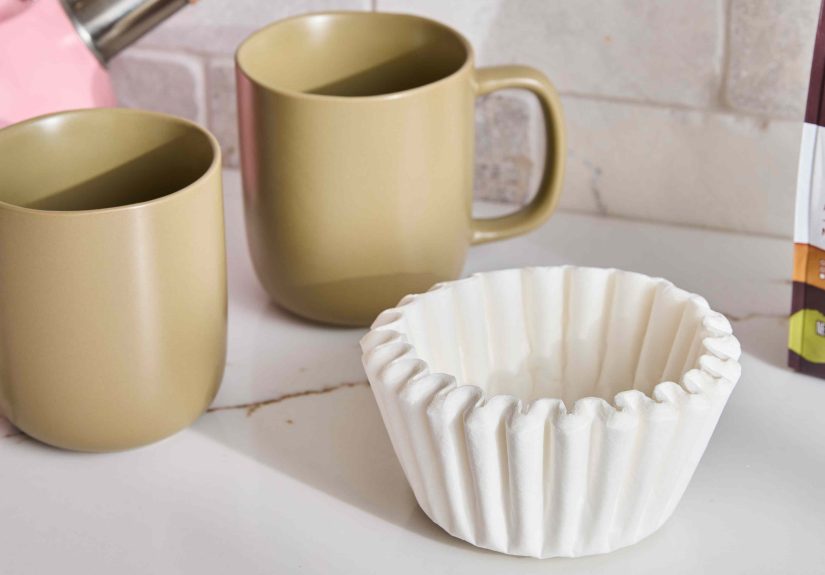
If coffee filters only come out when your coffeemaker is on duty, they are seriously underemployed. These humble little paper circles are cheap, lightweight, absorbent, lint-free, and surprisingly sturdy when damp. In other words, they are the overachievers of the kitchen drawer. One minute they are helping with breakfast, and the next they are polishing mirrors, protecting dishes, taming grease, and saving your houseplants from making a dirt waterfall on the windowsill.
That mix of softness and strength is exactly why coffee filters have become a favorite household multitasker. They can clean delicate surfaces without scratching, absorb moisture where it should not be hanging around, and step in for small messy jobs when a paper towel feels wasteful or a cloth feels like too much commitment. Best of all, they make life easier in ways that feel delightfully low-tech. No app. No charger. No subscription. Just a paper filter quietly winning at adulthood.
Why Coffee Filters Work So Well Beyond Coffee
Before we get to the fun stuff, here is the secret sauce: coffee filters are usually lint-free, mildly textured, absorbent, flexible, and easy to toss after grimy tasks. That makes them useful for everything from streak-free cleaning to food prep to light storage and craft projects. They are not magic, but they are awfully close for something that usually costs less than a fancy latte.
17 Clever Uses for Coffee Filters Around the House
1. Protect stacked plates from scratches
If you stack dinner plates, bowls, or delicate serving dishes, tiny scratches can show up over time. Slip a coffee filter between each piece to reduce friction and help preserve the finish. This trick is especially handy for dishes you only use on holidays, because nothing says “festive dinner” like discovering your favorite platter now looks like it lost a fight with sandpaper.
2. Keep pans from scuffing each other
Coffee filters also work beautifully between nested pans, especially smaller skillets or mixing bowls. They create a soft buffer that helps prevent rubbing, which is useful for nonstick surfaces and for cookware that tends to get stacked in tight cabinets. It is the kitchen equivalent of telling everyone to please keep their elbows to themselves.
3. Tuck one into cast iron to fight moisture
Cast iron and lingering moisture are not friends. After washing and thoroughly drying a skillet, place a coffee filter inside before storing it. The filter can absorb leftover moisture and also cushion the surface if you stack another pan on top. It is a tiny move that helps keep rust from trying to move in rent-free.
4. Grease baking pans without coating your hands in butter
Greasing a cake pan with your fingers always starts with confidence and ends with greasy fingerprints on the cabinet pull. A coffee filter solves that problem. Use it to spread softened butter or shortening around the pan, then toss it. Your bakeware gets an even coat, and your hands do not look like they just auditioned for a butter commercial.
5. Blot excess grease from fried foods
Out of paper towels? Coffee filters can step in. Line a plate with one or two filters and let them absorb excess oil from bacon, fries, or fried chicken. They are especially handy for small batches and snack-sized portions. They will not replace a whole roll of towels during a fry fest, but for quick jobs, they do the trick nicely.
6. Polish mirrors without lint drama
One of the smartest ways to use coffee filters is on mirrors. They do not shed fuzz the way some paper towels do, so you can spray your cleaner lightly on the surface and buff it dry with a filter for a clean, polished finish. The result feels oddly satisfying, mostly because you finally get to stop blaming the mirror for those streaks.
7. Give windows and glass tabletops a streak-free finish
After washing windows or cleaning a glass tabletop, use a coffee filter for the final pass. It works especially well for light buffing when you want shine without residue. For the best result, do not soak the filter. A lightly misted surface and a gentle wipe are usually enough. Think polish, not paper-mâché.
8. Clean electronic screens with a gentle touch
Dust on TVs, computer monitors, tablets, and other screens seems to appear out of nowhere, probably in the same mysterious place where lone socks disappear. A dry coffee filter is soft enough for light dusting and good at picking up fine particles. Use a very light hand, and never spray cleaner directly onto the screen. For delicate electronics, less drama is more.
9. Cover food in the microwave to stop splatters
A coffee filter makes a handy microwave cover for bowls or plates. It helps catch little splatters while still letting steam escape, which means less crusty cleanup later. This is one of those tiny habits that feels unimportant until you realize you are no longer scrubbing mystery sauce off the microwave ceiling like an archaeologist of leftovers.
10. Line flowerpots to keep soil from escaping
When you repot houseplants, soil loves to spill out of drainage holes and onto every nearby surface. Place a coffee filter over the hole before adding potting mix. Water can still pass through, but loose soil stays where it belongs. It is neat, easy, and much lighter than the old “just throw rocks in the bottom” advice that never really solved the mess.
11. Help start seeds and seedlings
Coffee filters can be useful during seed starting too. They work as a clean, breathable layer in small containers and can help manage moisture in early sprouting setups. Some gardeners also use them beneath potting mix in starter trays or little DIY seed cups. The goal is simple: keep things tidy, moist, and easy to handle while the tiny green drama begins.
12. Shine stainless steel appliances
Stainless steel loves showing every fingerprint, streak, and questionable life choice. After cleaning the surface, use a coffee filter to buff in the direction of the grain. Because the paper is lint-free, it can leave a cleaner finish than a rag that sheds fibers. Suddenly your fridge looks less like a crime scene and more like a grown-up appliance again.
13. Strain used frying oil or small-batch liquids
If you save frying oil for another round of crispy greatness, a coffee filter can help strain out little food particles. Set it inside a fine mesh sieve or funnel and pour slowly once the oil has cooled. The same basic idea can help with some kitchen liquids that need a finer filter. Slow and steady wins here, because impatience plus oil is never a relaxing combination.
14. Corral tiny screws, nails, beads, or hardware
When you are assembling furniture or doing a small repair, set screws and hardware in a coffee filter instead of directly on the table. The raised shape helps keep little pieces from rolling off and vanishing into another dimension under the couch. It is not glamorous, but it is very effective, and honestly that is the whole spirit of coffee filters.
15. Wrap ornaments and other delicate items
Holiday ornaments, small glass decorations, and fragile trinkets benefit from an extra layer of protection in storage. Coffee filters are soft, flexible, and easy to wrap around curved items. They also take up almost no space, so you can add cushioning without turning one storage bin into a game of holiday Tetris.
16. Press flowers for crafts and keepsakes
If you enjoy preserving flowers, coffee filters are a smart in-between layer because they absorb moisture without embossing or transferring dye onto petals. Place flowers between filters inside a heavy book or flower press and let time do its thing. It is simple, affordable, and much less heartbreaking than watching a beautiful bloom turn into a brown mush pancake.
17. Make quick deodorizing sachets for shoes and drawers
Fill a coffee filter with a spoonful of baking soda, tie it closed with string or a twist tie, and tuck it into shoes, drawers, or small storage bins. The filter acts like a breathable pouch while the baking soda helps absorb odor. It is cheap, easy, and a lot more charming than pretending the smell will “probably air out on its own.”
Bonus Ways to Stretch Their Use Even Further
Once you start looking at coffee filters as mini household helpers, more ideas pop up fast. They can cradle tacos and popsicles to catch drips, hold small snack portions, serve as disposable separators for craft supplies, or become simple DIY flowers and kid-friendly art projects. No, they will not replace every cleaning cloth, food wrap, and storage solution in your house. But they can absolutely handle a surprising number of small jobs with very little fuss.
Smart Tips Before You Start Using Coffee Filters Everywhere
First, use common sense. Coffee filters are paper, so they do not belong near open flames, on scorching hot surfaces, or in places where they might tear under heavy weight. Second, do not flush them. Even if they seem thin, that does not make them plumbing-friendly. Third, for electronics and mirrors, lighter is better. You want gentle buffing, not a soaking wet wad of paper. Finally, keep a small stack in more than one room. A few in the kitchen, a few in the laundry area, and a few near your plant shelf can save you extra steps later.
What Real Household Experience Teaches You About Coffee Filter Hacks
The funniest thing about coffee filter hacks is that most people start using them by accident. Maybe you bought the wrong size and refused to waste them. Maybe a pack was shoved in the back of a cabinet by a relative who thought every kitchen automatically came with a drip coffee maker. However it starts, the first experience is usually skepticism. A coffee filter? For cleaning a mirror? Sure. And maybe next a paper napkin will fix the economy.
Then you try one hack, usually because you have nothing to lose. It might be wiping a bathroom mirror after running out of paper towels. It might be slipping one into a flowerpot because you are tired of dirt leaking onto the saucer. It might be laying fried bacon on a filter while breakfast chaos unfolds around you. Suddenly the little paper circle works better than expected, and that is when the household trust begins.
Over time, people tend to notice that coffee filters shine in the exact kind of jobs that make a home feel mildly annoying. Not major renovations. Not dramatic makeovers. Just those tiny repeat problems that nibble at your patience. The plate stack that gets scratched. The microwave that spits spaghetti sauce onto the ceiling. The cast-iron pan you dried, but maybe not emotionally dried enough. The drawer that smells a little suspicious for reasons no one wants to investigate. Coffee filters do not solve all of those problems alone, but they make each one easier to manage.
There is also something satisfying about how low-stakes they are. If a trick works, great. If not, you are out one coffee filter, not an expensive gadget with a box the size of a microwave. That makes them perfect for practical households where people like solutions that are fast, cheap, and not fussy. They also work well for renters, dorm dwellers, busy parents, and anyone else who prefers a clever fix over a complicated system with seven steps and a storage basket.
Another common experience is realizing how useful coffee filters are during messy seasons of life. During the holidays, they become ornament wrappers and snack holders. In spring, they show up in seed trays and flower presses. During back-to-school time, they help with quick art projects or science experiments. On random weeknights, they catch taco drips, polish a smudged screen, or hold hardware while someone mutters at an instruction manual for flat-pack furniture. They are not glamorous, but they are dependable, and that counts for a lot in a real home.
What people often appreciate most is that these hacks do not feel forced. Coffee filters are already soft, absorbent, and disposable, so using them outside the coffee maker feels natural rather than gimmicky. They fit into the rhythm of ordinary life. You wipe, line, wrap, buffer, blot, toss, done. No ceremony. No learning curve. Just one small item doing way more than expected.
And that may be the real lesson behind all these experiences: the best household helpers are not always the flashiest ones. Sometimes the MVP is a simple stack of paper filters quietly sitting in a cabinet, waiting for its big moment. Which, as it turns out, happens pretty often.
Conclusion
Coffee filters are proof that the most useful things in a home are often the simplest. They can protect dishes, reduce kitchen messes, clean glass, help with plants, freshen shoes, and support easy craft projects without asking for much in return. Keep a stack on hand, and you will likely find yourself reaching for them more often than you ever expected. That is a pretty impressive career pivot for a product most people thought had exactly one job.