Table of Contents >> Show >> Hide
- Start With the Bones of the Yard
- Choose Plants That Look Good Under Pressure
- Turn Hardscaping Into the Secret Weapon
- 13. Install flagstone paths with gravel joints
- 14. Choose permeable pavers for patios and walkways
- 15. Add a gravel patio for low-maintenance living
- 16. Brighten the yard with light-colored materials
- 17. Edge beds with steel, stone, or clean masonry lines
- 18. Use decorative pots as movable highlights
- Make the Yard More Comfortable in Real Heat
- Finish With Water-Smart Details That Matter
- Why Desert Landscaping Works So Well
- Experiences From Living With Desert Landscaping in the Heat
- Conclusion
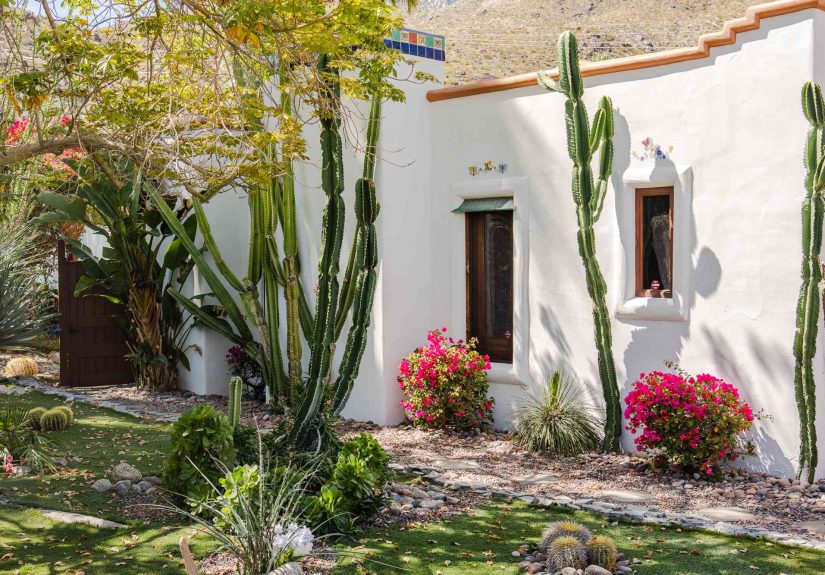
Desert landscaping has come a long way from the old “put down some rocks and call it a day” school of design. Today’s best heat-friendly yards are stylish, smart, and surprisingly lush without acting like your water bill is training for the Olympics. A great desert landscape is not barren; it is intentional. It uses sculptural plants, clever hardscaping, shade, texture, and low-water strategies to create an outdoor space that looks polished even when the forecast reads like a warning label.
If you live where summers sizzle, reflected heat bounces off walls, and the phrase “chance of rain” feels emotionally complicated, these desert landscaping ideas can help. The goal is simple: build a yard that thrives in hot weather, looks beautiful year-round, and does not demand constant watering, mowing, or apologizing. From gravel gardens and dry creek beds to pollinator pockets and pergola lounges, here are 24 desert landscaping ideas that truly work in the heat.
Start With the Bones of the Yard
1. Use decomposed granite or gravel as your main ground plane
One of the easiest ways to create a clean desert look is to replace big stretches of thirsty lawn with decomposed granite, gravel, or crushed stone. These materials instantly feel regionally appropriate, improve drainage, and give the entire yard a calm, pulled-together appearance. They also act like a visual stage for your plants, which is a fancy way of saying your agave finally gets the spotlight it deserves.
2. Build a layout around hydrozones
Hydrozoning sounds technical, but it simply means grouping plants with similar water needs together. Put the thirstier plants where they make sense, such as near downspouts, in shadier spots, or close to the house. Reserve the hottest and driest parts of the yard for truly tough performers like yucca, cactus, and desert shrubs. This makes irrigation more efficient and saves you from the classic landscaping mistake of treating every plant like it has the same personality.
3. Keep lawn only where it earns its keep
A small patch of turf can still work in a desert landscape if it has a purpose. Maybe it is a play area, a place for the dog, or a soft landing zone near a patio. The trick is to reduce it dramatically and surround it with low-water shrubs, gravel, and pervious pathways. Think of grass as a cameo appearance, not the lead actor.
4. Create a dry creek bed for beauty and drainage
Dry creek beds are one of the smartest desert landscaping ideas because they solve two problems at once: drainage and design. A winding channel lined with river rock can direct stormwater during rare but dramatic downpours, while also adding movement and contrast to the yard. It looks natural, breaks up flat space, and keeps runoff from turning your landscape into a temporary reality show called Oops, My Yard Is a River.
5. Add berms and gentle mounds
Flat yards can feel dull, especially in minimalist desert designs. A few raised berms or gentle mounds create depth and make your plantings look more dynamic. They are perfect for showcasing statement plants like barrel cactus, red yucca, or a multi-trunk desert tree. Even a slight rise can make the whole yard feel more designed and less like the plants accidentally met there.
6. Use boulders as permanent sculpture
Boulders are the original zero-maintenance décor. They add scale, anchor a planting bed, and look especially striking when paired with softer grasses or low-growing succulents. In desert landscaping, a well-placed boulder can do the job of a garden statue without looking forced. Plus, it never needs repainting, deadheading, or emotional support.
Choose Plants That Look Good Under Pressure
7. Plant a sculptural cactus as a focal point
Every desert garden benefits from at least one plant that makes people stop and say, “Okay, that’s cool.” A large barrel cactus, prickly pear, or columnar cactus can become the focal point of a bed or courtyard. These plants bring strong geometry and instant character. Just give them enough room to shine and enough distance so no one has to explain a cactus-related incident at dinner.
8. Layer succulents with flowering shrubs
Too many cactus-only yards can start to feel a little spiky and one-note. Balance the bold forms of succulents with flowering desert shrubs such as chuparosa, desert lavender, or globe mallow. This combination creates contrast in both texture and color while keeping water needs relatively low. It is the landscaping equivalent of pairing boots with jewelry: structure plus sparkle.
9. Bring in heat-loving trees for filtered shade
Desert trees like palo verde, acacia, or mesquite can completely change how a yard feels. Their filtered shade cools patios, softens bright sunlight, and makes outdoor living far more pleasant during hot months. They also add height, seasonal interest, and habitat value. A smart desert landscape does not just survive the heat; it negotiates with it.
10. Use ornamental grasses for movement
Desert gardens can look still and architectural, which is lovely, but a little motion helps. Grasses such as deer grass, muhly grass, or blue grama introduce softness and movement that contrast beautifully with rigid cactus and stone. When a breeze hits them at sunset, the whole yard suddenly feels more alive and a lot more expensive.
11. Design a pollinator pocket
You do not need a giant habitat garden to support birds, bees, and butterflies. A small section planted with desert zinnia, penstemon, milkweed, and flowering natives can add color and ecological value. This kind of planting brings welcome motion and sound to the yard, which is especially helpful in minimalist landscapes where every detail matters.
12. Highlight plants that love reflected heat
Walls, driveways, and patios create brutal microclimates, especially on west-facing sides of the house. Instead of fighting that heat, use it. Place truly tough plants like agave, yucca, euphorbia, or select cactus varieties where they can handle the reflected sun. When a plant actually enjoys the hottest corner of your yard, that is not luck. That is good planning.
Turn Hardscaping Into the Secret Weapon
13. Install flagstone paths with gravel joints
Wide, relaxed pathways feel natural in desert landscaping and help break up large expanses of stone. Flagstone set in gravel is especially effective because it looks organic, drains well, and suits the casual style of a heat-friendly yard. It also encourages strolling, which sounds poetic until July, when “strolling” becomes “walking quickly toward the shade.”
14. Choose permeable pavers for patios and walkways
Permeable hardscaping helps rain soak into the ground instead of rushing away. In desert landscapes, this matters because water is precious and runoff can create erosion problems. Permeable pavers, gravel patios, and open-joint stonework offer function without sacrificing style. They are practical, polished, and far easier on the landscape than solid sheets of concrete.
15. Add a gravel patio for low-maintenance living
A gravel patio is one of the simplest ways to create an outdoor room on a budget. It works beautifully in desert climates because it looks natural, drains well, and pairs with almost any style, from rustic Southwest to clean modern. Add a dining table, a couple of lounge chairs, and suddenly your backyard has a whole personality.
16. Brighten the yard with light-colored materials
Darker surfaces absorb more heat, so lighter paving, stone, or gravel can make the space feel less intense. Pale stone, buff-colored decomposed granite, and sandy-toned pavers visually cool the landscape while fitting the desert palette. It is not air conditioning, but every little bit helps when the sun is acting personally offended.
17. Edge beds with steel, stone, or clean masonry lines
Desert landscaping often looks best when the lines are crisp. Use metal edging, stone borders, or low masonry walls to define planting beds and keep gravel from wandering everywhere. Clean edges make even the simplest landscape feel deliberate and high-end. They are like eyeliner for your yard, only less dramatic in the rain.
18. Use decorative pots as movable highlights
Containers are perfect for patios, entryways, and bare corners that need a little life. Large ceramic, concrete, or terracotta pots filled with aloe, agave, or colorful annuals can add height and color exactly where you need it. They are also useful if you like refreshing the look of your space without redesigning the whole yard.
Make the Yard More Comfortable in Real Heat
19. Build a pergola or shade structure
A desert yard without shade is basically a well-decorated oven. A pergola, ramada, shade sail, or covered patio turns the landscape from something you admire through the window into a place you actually use. Add a few drought-tolerant vines or place seating beneath filtered shade, and the yard becomes dramatically more welcoming.
20. Create a courtyard-style seating area
Courtyard layouts work beautifully in hot climates because they create intimacy and can be positioned for morning or evening comfort. Use gravel, pavers, low walls, and clustered plantings to form a sheltered outdoor room. This setup feels especially luxurious when surrounded by fragrance, soft lighting, and a view of sculptural desert plants rather than a giant, needy lawn.
21. Add privacy with desert-friendly screening plants
Instead of a tall hedge that wants more water than your entire household, use layered screening with upright shrubs, small trees, or architectural plants. A mix of acacia, hop bush, tall grasses, or ocotillo can provide privacy without looking bulky. The best screens in a desert yard feel airy, not bunker-like.
22. Design for nighttime enjoyment
In many hot climates, the most pleasant time to enjoy the yard is after sunset. Lean into that. Use low-voltage lighting to uplight cactus, illuminate paths, and create a soft glow around patios. Night-blooming plants or pale flowers can look especially beautiful in evening light, and suddenly your landscape has a second shift.
Finish With Water-Smart Details That Matter
23. Use mulch strategically, not lazily
Mulch is not just filler. In desert landscaping, it helps reduce evaporation, suppress weeds, cool roots, and make planting beds look finished. Organic mulch works well around many shrubs and trees, while rock mulch and gravel can suit cactus and succulent areas. The key is to match the mulch to the planting style rather than dumping the same material everywhere like you are frosting a cake.
24. Install efficient drip irrigation and rain capture features
If you want your desert landscape to truly perform, efficient irrigation matters. Drip systems target the root zone, reduce waste, and are ideal for trees, shrubs, flowering perennials, and many succulents. Pair that with rain barrels, swales, or smart redirection from downspouts where allowed, and your yard becomes not just beautiful, but genuinely resource-wise. That is the kind of beauty that ages well.
Why Desert Landscaping Works So Well
The real magic of desert landscaping is that it respects the climate instead of trying to out-argue it. It swaps constant upkeep for smart design. It turns harsh light into drama, drought into discipline, and simple materials into a clean, modern look that still feels warm and inviting. A successful desert yard is not about deprivation. It is about editing. You keep what works, remove what wastes effort, and let every plant, path, and patio earn its place.
That is also why desert landscaping tends to age beautifully. A gravel bed does not suddenly become outdated. A sculptural agave does not stop looking impressive because trends changed. A shaded courtyard with native blooms and evening lights never really goes out of style. These landscapes feel grounded because they are built around climate reality, and climate reality, unlike internet trends, is very committed to the bit.
Experiences From Living With Desert Landscaping in the Heat
One of the most surprising things people notice after switching to desert landscaping is how different the yard feels, not just how it looks. At first, some homeowners worry that removing big green lawns will make the space seem stark or severe. In practice, the opposite often happens. Once gravel paths, shaded seating, layered plantings, and sculptural forms are in place, the yard feels calmer and more intentional. There is less visual noise. Every plant has room to be appreciated, and every surface seems to reflect light in a more flattering way.
Another common experience is that mornings and evenings become more meaningful. In hot climates, outdoor life shifts with the sun. A desert landscape seems to understand that rhythm. Early in the morning, ornamental grasses catch the light, shadows stretch across gravel, and flowering shrubs hum with bees and hummingbirds. At dusk, cactus silhouettes become dramatic, boulders hold the last warmth of the day, and a softly lit patio suddenly feels like the best room in the house. Instead of trying to force all-day outdoor comfort in triple-digit heat, the landscape works with the natural pattern of the day.
Maintenance also feels different in a very practical way. Traditional yards often ask for weekly mowing, edging, heavy watering, and constant fussing over plants that never wanted to be there in the first place. Desert landscapes still require care, but it is usually more thoughtful and less relentless. You check irrigation, trim selectively, refresh mulch or gravel where needed, and keep an eye on plant health. It feels more like stewardship and less like endless punishment for the crime of owning property.
People also tend to become more observant after living with a desert-style yard. Because the design relies so much on shape, texture, and subtle seasonal changes, you start noticing details you may have ignored before. A cactus blooms for a short window and suddenly becomes the star of the month. A palo verde throws dappled shade in exactly the right place. A patch of penstemon brings in hummingbirds. The yard begins to feel active without being busy. That is a satisfying kind of beauty because it rewards attention.
Then there is the emotional side of it. A good desert landscape often brings relief. Relief from high water use. Relief from seeing heat-stressed grass every summer. Relief from chasing a picture-perfect lawn that makes no sense for the climate. Instead of feeling like the yard is always one step away from failure, homeowners often feel that the landscape is finally on their side. It is built for the place, built for the weather, and built for real life.
In the end, the best experience of all may be this: stepping outside on a hot day and realizing your yard still looks fantastic. Not barely okay. Not “good considering the circumstances.” Genuinely beautiful. That is the promise of desert landscaping when it is done well. It does not just survive the heat. It belongs in it.
Conclusion
Desert landscaping is not about giving up beauty for practicality. It is about getting both at the same time. With the right mix of drought-tolerant plants, gravel and stone, permeable surfaces, shade structures, and efficient irrigation, you can create a yard that looks stunning in the hottest months and stays easier to manage all year long. Whether you borrow one idea or all 24, the smartest approach is to design for your climate, your lifestyle, and the parts of the yard you actually want to enjoy.