Table of Contents >> Show >> Hide
- First, a quick reality check about the “right brain” idea
- 1. Make Something Visual, Musical, or Both
- 2. Move Your Body in Ways That Force Spatial Thinking
- 3. Train Attention, Emotion, and Imagination with Mindfulness
- How to Put All Three Methods Together
- What Results Can You Realistically Expect?
- Experiences People Often Notice When They Start Training These Skills
- Conclusion
If you have ever called yourself “not creative” while staring at a blank page, a paintbrush, or a karaoke machine with the fear level of a hostage negotiator, welcome. You are in the right place. The idea of “exercising the right side of your brain” has been floating around for years, usually wrapped in neat little stereotypes: the left brain does math, the right brain paints sunsets and writes poetry in a turtleneck. Cute idea. Not exactly the full story.
Your brain is more like a group project than a split apartment. Both hemispheres work together constantly. Still, some abilities are more strongly linked with right-hemisphere networks, especially visuospatial attention, pattern recognition, emotional tone in speech, facial cues, and certain big-picture kinds of thinking. So if your goal is to feel more imaginative, perceptive, expressive, and mentally flexible, there are smart ways to train skills that lean in that direction.
The best part? You do not need a lab coat, a $400 “brain booster,” or a dramatic speech about unlocking hidden genius. You need repeatable habits. Below are three evidence-based, real-life ways to exercise the right side of your brain, plus what those practices may actually feel like when you stick with them.
First, a quick reality check about the “right brain” idea
Before we jump in, let’s bust one myth without ruining the party: there is no scientific support for the idea that people are strictly “right-brained” or “left-brained” in everyday life. You are not half accountant, half abstract mural. Most thinking involves networks across both hemispheres, and the brain changes in response to experience throughout life. That ability to adapt is called neuroplasticity.
In plain English, neuroplasticity means your brain can strengthen connections when you challenge it in meaningful ways. Learn a new skill, move differently, pay closer attention, make music, try a creative hobby, meet new people, or engage your senses more deeply, and your brain responds. So when we talk about exercising the right side of your brain, what we really mean is practicing activities that strengthen right-leaning skills while supporting whole-brain health.
Now that the myth has been politely escorted out, let’s get to the fun part.
1. Make Something Visual, Musical, or Both
If you want to wake up right-hemisphere-friendly skills, start by making something. Not consuming. Not scrolling past other people’s watercolor landscapes while whispering, “Must be nice.” Actually making. Drawing, painting, coloring, collaging, sculpting, photography, singing, drumming, and learning simple music patterns all recruit attention, sensory processing, timing, emotion, and pattern recognition.
This matters because the right hemisphere is often more involved in nonverbal processing, spatial perception, facial and emotional interpretation, and the musical or emotional contour of sound. In other words, if your weekdays are full of email, spreadsheets, and trying to remember why you walked into the kitchen, creative practice gives your brain a very different kind of workout.
Why visual art works
Visual art asks your brain to notice shape, proportion, contrast, space, and relationship. You are not just drawing a coffee mug. You are judging where it sits in relation to the edge of the table, how light hits one side, and how a curved handle somehow looks normal instead of like a question mark having a meltdown. That kind of observation strengthens spatial awareness and attention.
Art also helps shift attention out of worry loops. That is one reason activities like coloring, sketching, or journaling with images can feel calming. They redirect mental energy into something sensory and present. You stop rehearsing tomorrow’s awkward meeting and start thinking, “Hmm, this shadow needs more blue.” Frankly, that is progress.
Why music works
Music is one of the most whole-brain things you can do, but it is especially useful here because it blends sound, rhythm, timing, movement, memory, and emotion. Even simple musical activities can sharpen mental alertness and make attention feel less rusty. Listening helps, but active music-making helps more. Clapping rhythms, learning chord shapes, singing with expression, or tapping along to a beat adds motor coordination and sensory feedback.
You do not need to become a concert pianist. Your goal is not to be invited to Carnegie Hall. Your goal is to give your brain novelty, structure, and emotional richness.
Easy ways to start
Try one of these for 15 to 20 minutes, three or four times a week:
Sketch an everyday object from observation. Draw your hand, your shoes, a houseplant, or the noble bag of pretzels currently supporting your emotional well-being. Choose something real, not perfect.
Use adult coloring pages or freehand doodles when you feel mentally scattered. Coloring is not childish; it is focused visual attention with better branding.
Take a photo walk. Look for patterns, symmetry, color contrast, reflections, and unusual angles. This trains visual scanning and big-picture noticing.
Learn basic rhythm patterns by clapping, drumming on a desk, or using a simple app or instrument. Start with repeating patterns before trying anything fancy.
Sing out loud instead of only listening passively. Emotional tone, timing, and breath support make singing a surprisingly rich brain exercise.
The secret is consistency. A weekly burst of “I shall now become artistic” followed by three months of nothing will not do much. Small, repeated sessions will.
2. Move Your Body in Ways That Force Spatial Thinking
Here is the plot twist many people miss: if you want a sharper brain, do not just sit there trying to think harder. Move. Physical activity supports brain health in general, but movement that includes coordination, rhythm, navigation, or changing patterns is especially useful for the kind of skills people often associate with the right side of the brain.
Walking is a great example. Research has linked walking with improved creative thinking, and aerobic exercise also supports mood, sleep, and stress reduction, all of which affect how well you think. In other words, movement helps your brain directly and indirectly. It is hard to feel wildly imaginative when your body is stressed, your sleep is awful, and your brain feels like an overloaded browser with 47 tabs open.
Why spatial movement matters
The right hemisphere is strongly tied to visuospatial attention. That means activities requiring you to judge location, movement through space, balance, orientation, or whole-body coordination can be especially valuable. Think dance, yoga, tai chi, hiking new routes, tennis, pickleball, martial arts drills, or even following a choreography video in your living room without crashing into a lamp.
These activities demand that you track where your body is, where other objects are, and what happens next. They also break routine. And novelty is important because the brain responds when it has to adapt.
What to try
Take a brisk 20- to 30-minute walk without headphones once or twice a week and pay attention to the world around you. Notice building lines, distance, sounds, faces, and changes in light. This is not just exercise; it is spatial awareness training with bonus fresh air.
Try dance-based movement. You do not need talent. You need a willingness to look mildly confused for the first ten minutes. Following steps, matching rhythm, and coordinating arms and legs all challenge body-brain integration.
Practice yoga or tai chi if you prefer slower movement. These formats improve balance, body awareness, and focused attention without feeling like punishment.
Change your route. New paths force your brain to map space differently. If you always walk the same loop, your brain starts running it on autopilot. Taking a new route adds novelty and forces more active attention.
After a walk, draw a simple map from memory. It does not need to be survey-grade. The point is to recall landmarks, turns, and spatial layout. That is a neat way to turn movement into a cognitive exercise.
Build a “body plus brain” routine
A smart weekly formula looks like this: two days of brisk walking, one or two days of movement with coordination such as dance or yoga, and one fun physical activity that includes real-time decision-making, like a racquet sport, hiking trail, or movement game. Keep it sustainable. The best brain exercise is the one you will actually do next week.
3. Train Attention, Emotion, and Imagination with Mindfulness
If visual art is the paintbrush and movement is the engine, mindfulness is the steering wheel. It helps you pay attention on purpose. That matters because the right hemisphere plays a major role in attention, emotional tone, and processing the broader context of experience. Mindfulness practices can improve present-moment awareness, reduce stress, and make it easier to notice what you feel, hear, and see without instantly running off into mental chaos.
To be clear, mindfulness is not a requirement to sit cross-legged on a mountain while achieving enlightenment and becoming suspiciously serene. It can be simple. Focus on your breath for a few minutes. Pay attention while walking. Color without multitasking. Journal what you notice. Read poetry out loud and exaggerate the emotional tone. The goal is to move out of autopilot and into active awareness.
Why this helps the “right side” skills
Mindfulness strengthens observation. And observation is a superpower for creative and nonverbal thinking. The more you notice sensory details, body sensations, facial cues, emotional tone, and subtle patterns, the more material your brain has to work with. Mindfulness also lowers stress, which is important because chronic stress can make attention and memory feel like they packed up and moved out.
Journaling and coloring can work well here too. They are simple ways to interrupt anxious rumination and anchor attention in the present. Guided imagery and visualization are also useful because they ask you to generate internal pictures rather than relying only on words.
Simple practices that actually fit real life
Do a five-minute sensory scan. Pause and name five things you see, four you feel, three you hear, two you smell, and one you taste. It sounds basic, but it forces your attention into the present moment fast.
Try a brief body scan at the end of the day. Notice tension in your jaw, shoulders, chest, or hands. You cannot calm what you never notice.
Read a paragraph of fiction or a poem out loud with feeling. Change your tone, pace, and emphasis. Emotional prosody is one of those skills that feels theatrical and silly until you realize your brain is getting a workout.
Keep a visual or dream journal. Write down images, fragments, colors, moods, or odd dream scenes before they disappear. This can deepen awareness of emotional patterns and imagery.
Practice guided imagery. Spend three minutes picturing a place in detail: the colors, temperature, sounds, textures, and layout. That is imagination training, not daydreaming laziness. Very different. Much fancier.
How to Put All Three Methods Together
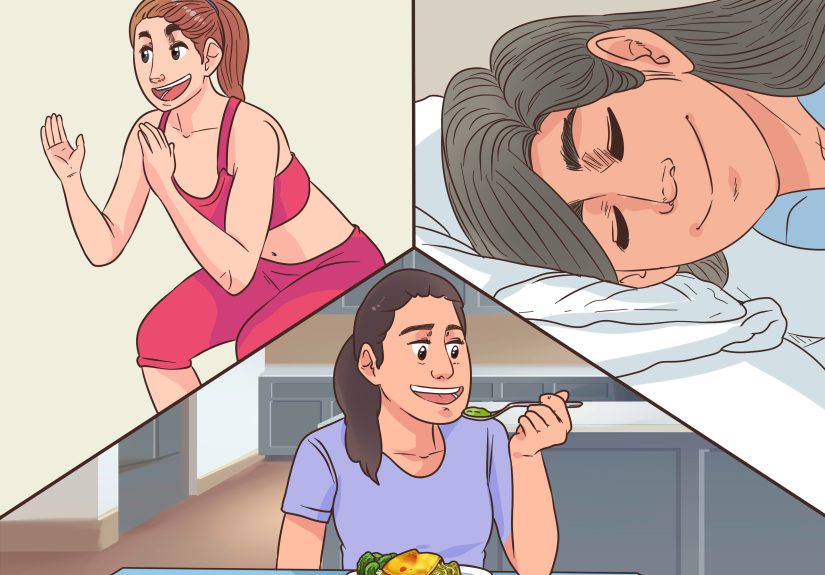
If you want results, combine the methods instead of treating them like separate hobbies that never meet. The strongest routine is one that includes creative expression, physical movement, and attention training in the same week.
Here is a simple example:
Monday: 20-minute brisk walk plus 5-minute sensory scan.
Tuesday: 20 minutes of sketching, coloring, or photography.
Wednesday: Dance, yoga, or movement practice for 20 to 30 minutes.
Thursday: Singing, drumming, or learning a simple rhythm pattern.
Friday: Guided imagery or mindful journaling for 10 minutes.
Weekend: Do one socially engaging activity such as an art class, hiking club, museum visit, volunteer project, or beginner music group.
That last part matters more than people think. Social and meaningful activities are good for brain health too. A class, club, or group adds novelty, emotion, communication, and accountability. Also, if you tell other people you are learning to drum, you are far more likely to keep going out of pride, curiosity, or sheer unwillingness to admit defeat to a tambourine.
What Results Can You Realistically Expect?
Probably not psychic powers. Let’s set expectations responsibly.
What you can expect over time is better noticing, more mental flexibility, improved mood, stronger focus, a calmer stress response, and a greater sense of creative confidence. Many people also report feeling less mentally flat. They start seeing details they used to miss. They become more expressive in speech. They feel more present in conversations. They generate ideas faster. They are not necessarily becoming “more right-brained.” They are becoming more engaged, more adaptive, and less stuck in repetitive mental patterns.
And that, honestly, is a much better deal.
Experiences People Often Notice When They Start Training These Skills
In the first few days, the biggest experience is usually discomfort disguised as boredom. You sit down to draw a mug and discover your hand apparently belongs to a raccoon with poor fine-motor planning. You try mindful breathing and become deeply aware that your thoughts are sprinting around the room like caffeinated squirrels. You take a headphone-free walk and realize you have not really looked at your neighborhood in months. This stage is normal. It does not mean the practice is not working. It means you are finally paying attention.
After a week or two, people often notice small but encouraging shifts. Visual details pop more. Colors seem more vivid. Music feels more layered. You may catch emotional tones in conversations that you would have missed before. Some people feel less reactive. Instead of instantly snapping, spiraling, or zoning out, there is a tiny pause between the moment and the response. That pause is golden. That pause is where better choices live.
Movement-based practice often creates a different kind of change. At first, dance or yoga may make you feel uncoordinated in a very humbling, deeply personal way. Then your brain starts mapping the patterns. What felt clumsy becomes smoother. You stop thinking so hard about where your arms go. On walks, you may notice that ideas come more easily once your body finds a rhythm. Problems that felt stuck at your desk suddenly loosen up halfway down the block. That is one reason so many people have strangely excellent thoughts while walking and then immediately forget to write them down.
Creative practice can also change your relationship with mistakes. When you make art regularly, you get used to imperfection. The lopsided sketch, the weird chord, the photo that almost worked but did not, all teach the same lesson: keep going. Over time, this builds confidence that spills into other parts of life. You become more willing to experiment, improvise, and tolerate not being amazing on the first try. Which is helpful, because being amazing on the first try is mostly a myth sold by the internet.
Mindfulness and journaling often create subtler experiences. You may notice patterns in your mood. Certain music calms you. Certain environments drain you. Certain times of day make you more imaginative. You start learning the texture of your own mind instead of just living inside it blindly. That self-awareness can make work, relationships, and stress feel more manageable.
After a month or more, many people describe a general sense of being more “awake.” Not in a dramatic movie-montage way. More like life feels less flat and automatic. You notice more, react less blindly, create more easily, and move through the day with a little more flexibility. That is what exercising the right side of your brain really looks like in real life: not becoming a stereotype, but becoming more observant, expressive, imaginative, and present.
Conclusion
If you want to exercise the right side of your brain, do not chase gimmicks. Build habits. Make visual art or music. Move in ways that challenge coordination and spatial awareness. Practice mindfulness so your attention stops wandering off like it pays rent somewhere else. Most of all, choose activities that are interesting enough to keep you coming back.
The truth is, you do not need to become a “right-brained person.” You just need to train the skills that modern life often neglects: noticing, imagining, feeling, moving, listening, and creating. Your brain loves novelty, challenge, meaning, and repetition. Give it those things, and it will do what brains do best: adapt.