Table of Contents >> Show >> Hide
- Why Bitter Truths Hit So Hard
- 30 Bitter Truths By Truth Potato That Will Make You Think
- 1. Not everyone who likes you actually knows you.
- 2. You can be talented and still stay stuck.
- 3. Being busy is not the same as making progress.
- 4. Some people miss you only when you stop benefiting them.
- 5. Your comfort zone is expensive.
- 6. You do not need more motivation as much as you need better systems.
- 7. Some friendships survive history, not honesty.
- 8. You can be right and still be the problem.
- 9. Nobody is coming to rescue the version of you that refuses to move.
- 10. Some doors close because you keep knocking like the old version of yourself.
- 11. Social media is a terrible place to measure your worth.
- 12. Closure is not always something another person gives you.
- 13. Being needed can feel a lot like being loved.
- 14. You teach people how to treat you by what you repeatedly allow.
- 15. You do not become confident by avoiding embarrassment.
- 16. Most excuses sound smarter inside your own head.
- 17. The older you get, the more peace matters more than being impressive.
- 18. You can outgrow people without hating them.
- 19. Your feelings are valid, but they are not always accurate.
- 20. Regret often hurts more when you do nothing with it.
- 21. Some people will only understand your boundary after they lose access.
- 22. You are not tired because life is meaningful; sometimes you are tired because your habits are chaotic.
- 23. Forgiveness does not always require reconnection.
- 24. Your standards will scare people who benefited from your lack of them.
- 25. You will not always be understood in real time.
- 26. A lot of suffering comes from arguing with reality.
- 27. You cannot heal in every environment that helped wound you.
- 28. Being a good person does not guarantee a good outcome.
- 29. Nobody thinks about you as much as you think they do.
- 30. The life you want will probably require becoming someone slightly less comfortable and much more honest.
- What These Bitter Truths Really Teach Us
- Real-Life Experiences That Make These Bitter Truths Feel Uncomfortably Real
- Final Thoughts
- SEO Tags
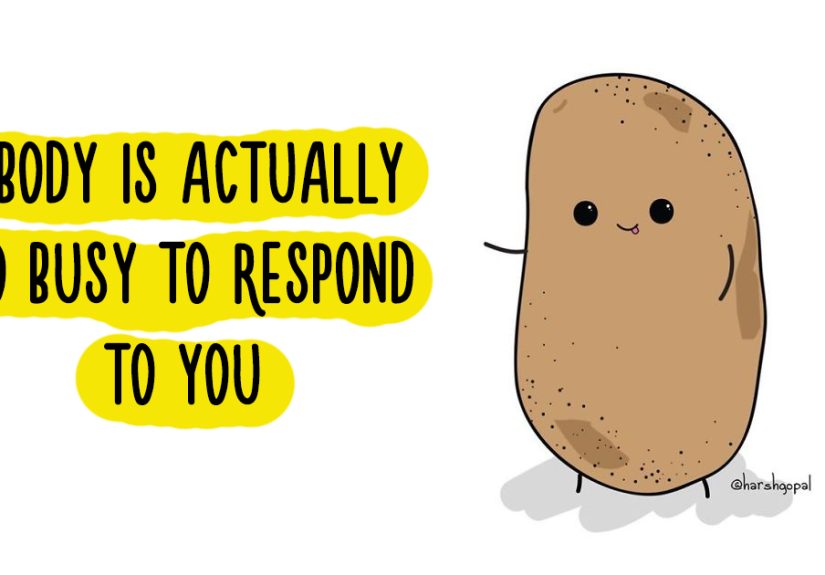
There is something weirdly effective about getting life advice from a cartoon potato. Maybe it is the soft shape. Maybe it is the harmless face. Maybe it is the fact that brutal honesty feels less offensive when it comes from a vegetable. That is the charm behind Truth Potato, the internet’s oddly lovable messenger of uncomfortable wisdom.
The appeal is not just the humor. It is the sting. These comics work because they say the things most people already suspect but would rather not say out loud. Life is unfair. Some people do not change. Your habits matter more than your intentions. Not everyone who claps for you is rooting for you. Ouch. Pass the butter.
In this article, we are not copying old captions or reposting comics. Instead, we are doing something more useful: unpacking the deeper meaning behind the kind of bitter truths that made Truth Potato so popular in the first place. Think of this as a fresh, original, human-written guide to the hard life lessons that hit home because they are, unfortunately, true.
So if you came here for fluffy inspiration, this may not be your coziest read. But if you came for Truth Potato life lessons, self-awareness, and a few reality checks with a side of humor, welcome. Let us politely ruin some illusions.
Why Bitter Truths Hit So Hard
Most people do not resist truth because it is false. They resist it because it is expensive. Real honesty often demands change, humility, patience, boundaries, or accountability. That is a rough shopping list.
Bitter truths also force us to stop outsourcing responsibility. It is easier to blame timing, luck, algorithms, exes, haters, society, Mercury in retrograde, or that one coworker who replies “per my last email.” But once the excuse fog clears, the harder question appears: What are you going to do now?
That is why these truths matter. They are not pessimistic for the sake of being edgy. They are useful because they clear away fantasy. And once fantasy leaves the room, growth finally gets a chair.
30 Bitter Truths By Truth Potato That Will Make You Think
1. Not everyone who likes you actually knows you.
A lot of approval is based on the version of you that feels easy, pleasant, convenient, or useful. The moment you set boundaries, disagree, or become inconvenient, some applause disappears. That is not always betrayal. Sometimes it is just proof that surface-level acceptance was never the same thing as real connection.
2. You can be talented and still stay stuck.
Potential is lovely, but it does not pay rent, build skills, or heal your habits. Talent opens a door. Discipline decides whether you walk through it.
3. Being busy is not the same as making progress.
Answering messages, juggling tasks, and living in spreadsheet panic can make you feel productive. Meanwhile, the one thing that actually matters keeps sitting in the corner like an ignored gym membership.
4. Some people miss you only when you stop benefiting them.
That text saying “Hey stranger!” is not always a poem. Sometimes it is a service request wearing emotional perfume. Missing your energy is not the same as valuing your humanity.
5. Your comfort zone is expensive.
Yes, it feels safe. It also quietly charges interest in the form of lost opportunities, delayed confidence, and a future self who keeps asking, “So… were we ever going to try?”
6. You do not need more motivation as much as you need better systems.
Motivation is dramatic. Systems are boring. Systems also work on the days when motivation is asleep, moody, or busy scrolling.
7. Some friendships survive history, not honesty.
Just because someone has been in your life for a long time does not mean they belong in every future chapter. Length and health are not the same thing.
8. You can be right and still be the problem.
Being technically correct does not automatically make your tone, timing, or behavior wise. A fact can be true and still be delivered like a flaming chair.
9. Nobody is coming to rescue the version of you that refuses to move.
Support matters. Luck matters. Privilege and circumstances matter. But eventually, growth still asks for participation. Healing is not a group project you can ghost.
10. Some doors close because you keep knocking like the old version of yourself.
If you want different outcomes, you often need different habits, different standards, and different self-respect. The same patterns rarely lead to a new life.
11. Social media is a terrible place to measure your worth.
You are comparing your behind-the-scenes confusion to someone else’s curated highlight reel. That is not perspective. That is emotional self-sabotage with Wi-Fi.
12. Closure is not always something another person gives you.
Sometimes closure is accepting that the explanation will never feel satisfying. It is not a speech. It is a decision to stop reopening a wound just to check if it still hurts.
13. Being needed can feel a lot like being loved.
That confusion keeps many people in draining relationships, jobs, and roles. But usefulness is not intimacy. Being constantly depended on is not the same as being deeply cherished.
14. You teach people how to treat you by what you repeatedly allow.
Not every disrespectful moment is your fault. Repeated access without consequence, however, becomes a lesson. Boundaries are not punishments. They are instructions.
15. You do not become confident by avoiding embarrassment.
You become confident by surviving it. Awkwardness is often the price of entry for growth. Every skilled person has a museum of cringe behind them.
16. Most excuses sound smarter inside your own head.
When we explain our procrastination, passivity, mixed signals, or fear to ourselves, it often sounds noble. From the outside, it usually looks exactly like what it is: avoidance in business casual.
17. The older you get, the more peace matters more than being impressive.
At some point, the dream shifts. You stop fantasizing about looking powerful and start fantasizing about sleeping well, paying bills on time, and not arguing with emotionally chaotic people before coffee.
18. You can outgrow people without hating them.
Not every ending needs a villain. Sometimes you simply stop fitting into the same emotional room. That can be sad without being cruel.
19. Your feelings are valid, but they are not always accurate.
Feeling rejected does not always mean you were rejected. Feeling like a failure does not make you one. Emotions are real, but they are not always reliable narrators.
20. Regret often hurts more when you do nothing with it.
Regret can either become wisdom or wallpaper. If you learn from it, it becomes useful. If you only replay it, it becomes interior decoration for a miserable mind.
21. Some people will only understand your boundary after they lose access.
That does not make your boundary wrong. It usually means they were comfortable with the version of you that overextended, overexplained, and overgave.
22. You are not tired because life is meaningful; sometimes you are tired because your habits are chaotic.
Not every burnout story is poetic. Sometimes the villain is poor sleep, constant comparison, no routine, zero recovery, and a phone that has somehow become your emotional landlord.
23. Forgiveness does not always require reconnection.
You can let go of bitterness without reopening the door. Peace and access are two different gifts.
24. Your standards will scare people who benefited from your lack of them.
When you stop settling, some people call you selfish, difficult, dramatic, or “changed.” Correct. That is usually the point.
25. You will not always be understood in real time.
Sometimes people only understand your choices after the results appear. If you wait for universal approval before acting, you may wait forever.
26. A lot of suffering comes from arguing with reality.
You can dislike the truth and still have to work with it. Denial delays action. Acceptance, while deeply unglamorous, is often where power begins.
27. You cannot heal in every environment that helped wound you.
Growth needs space, honesty, and safety. Some rooms are designed for your smaller self. Staying there too long can make survival look like identity.
28. Being a good person does not guarantee a good outcome.
Life is not a vending machine where morality goes in and rewards fall out. Character matters. So do randomness, timing, systems, and other deeply rude realities.
29. Nobody thinks about you as much as you think they do.
This is both insulting and liberating. Most people are busy starring in the theater of their own concerns. Your awkward moment from 2019 is not trending in their minds.
30. The life you want will probably require becoming someone slightly less comfortable and much more honest.
That is the grand finale nobody prints on a cute mug. A better life usually costs ego, excuses, people-pleasing, fantasy timelines, and a few beloved bad habits. But the trade is often worth it.
What These Bitter Truths Really Teach Us
The deeper lesson behind these Truth Potato bitter truths is not that life is bleak. It is that clarity is kinder than illusion. Illusion lets problems grow mold in the dark. Clarity turns on a light, opens a window, and says, “This may smell bad, but now we can clean it.”
These truths point back to a few recurring life skills: self-awareness, emotional resilience, healthy boundaries, realistic thinking, and consistent habits. None of those are glamorous. None of them trend as often as dramatic reinventions. But they are usually the reason some people quietly build stable, meaningful lives while others keep restarting the same chaos with a fresh caption.
If that sounds harsh, good. This is a bitter truths article. We did not come here for bedtime stories.
Real-Life Experiences That Make These Bitter Truths Feel Uncomfortably Real
Most people do not meet these truths in a philosophy class. They meet them on a random Tuesday, usually while undercaffeinated and emotionally overdrawn.
Take work, for example. A person can spend years believing that hard work always speaks for itself. Then one promotion cycle arrives, and suddenly they learn that visibility, communication, timing, and boundaries matter too. They realize being the “reliable one” made them indispensable but not necessarily respected. That truth stings. It also explains why so many capable people feel exhausted instead of fulfilled.
Relationships offer an even sharper classroom. Someone may stay too long because history feels holy, because loneliness feels scary, or because hope keeps wearing a convincing costume. Then one day the pattern becomes too obvious to ignore: apologies without change, affection without effort, closeness without safety. The bitter truth shows up like an unpaid bill. Love is not always enough. Chemistry is not character. And missing someone is not evidence that they were good for you.
Friendship brings its own reality checks. Many adults discover that some friendships were built on convenience, proximity, or a shared season of life. School ends. Jobs change. People marry, move, heal, unravel, or grow. Suddenly the bond that once felt permanent starts surviving on nostalgia alone. That does not mean it was fake. It simply means some connections are real for a chapter, not a lifetime. Accepting that can hurt, but forcing dead friendships to perform CPR on themselves hurts more.
Then there is the private experience almost nobody posts honestly: comparing your life to everyone else’s. You open your phone for five harmless minutes and come back with three insecurities, two imaginary deadlines, and the uneasy sense that everyone except you has glowing skin, passive income, and emotional maturity. The bitter truth is not that other people are doing well. It is that constant comparison makes it nearly impossible to notice your own progress. You start treating your real life like a failed audition for someone else’s highlight reel.
Personal growth is messy in ways motivational quotes rarely mention. The first time you set a firm boundary, you may feel rude. The first time you admit you were wrong, you may feel small. The first time you choose discipline over mood, you may feel boring. But over time, those small uncomfortable decisions build something flashy habits never do: trust in yourself.
That may be the most important experience of all. Bitter truths stop feeling cruel when they start making you freer. Once you accept that not everyone will understand you, that perfection is a trap, that consistency beats intensity, and that peace is often more valuable than approval, life gets simpler. Not easier. Simpler. And honestly, in a world full of noise, simpler can feel like luxury.
Final Thoughts
The reason 30 Bitter Truths By Truth Potato That Will Make You Think works as a topic is simple: people are tired of sugar-coated nonsense. They want honesty that does not sound robotic, preachy, or fake-deep. They want lessons that feel earned. Truth Potato became memorable because it wrapped hard truths in humor. That combination still works because reality is easier to swallow when it comes with a smile and not a sermon.
So no, these bitter truths are not designed to make you cynical. They are designed to make you clearer. And clarity, while not always cozy, is one of the most useful gifts you can give yourself. Sometimes the most loving thing you can hear is not “You are doing amazing, sweetie.” Sometimes it is “You know exactly what needs to change.”
That may not sound comforting. But it does sound like progress. And progress, unlike denial, actually gets things done.