Table of Contents >> Show >> Hide
- Classic Wall Paneling Ideas That Never Lose Their Charm
- Modern Wall Paneling Ideas for a Fresh Look
- Room-by-Room Wall Paneling Ideas That Make Sense
- How to Choose the Right Wall Paneling Style
- Mistakes to Avoid with Wall Paneling
- Final Thoughts
- Experience and Inspiration: Living with Wall Paneling in Real Life
Plain walls are fine. So are plain bagels. But once you have tasted the version with a little texture, color, and personality, it is hard to go back. That is the magic of wall paneling. It can make a builder-grade box feel custom, give a small room more depth, and add that elusive “why does this house look so polished?” energy without demanding a complete renovation.
The best wall paneling ideas do not just decorate a room. They shape it. They draw the eye upward, frame furniture, protect busy walls, soften echo, and create focal points where there used to be nothing but beige regret. Whether you love classic wainscoting, modern slat walls, cozy shiplap, or bold geometric trim, there is a style that can make your room look intentional instead of “we moved in and then got distracted for three years.”
Below, you will find 30 wall paneling ideas for living rooms, bedrooms, entryways, bathrooms, dining rooms, mudrooms, and everything in between. Some are timeless, some are trendy in a good way, and some are delightfully sneaky budget upgrades that look more expensive than they are. Let’s put those walls to work.
Classic Wall Paneling Ideas That Never Lose Their Charm
1. Traditional Board and Batten
Board and batten is the overachiever of wall paneling ideas. It adds rhythm, order, and instant architectural detail. Use it halfway up the wall for a classic look, or run it floor to ceiling to make a room feel taller and more tailored.
2. Full-Height Board and Batten in a Bedroom
Taking board and batten all the way up the wall turns a bedroom into a retreat with boutique-hotel vibes. Paint everything one color for a seamless, cocooning effect that feels calm instead of busy.
3. Picture Frame Molding
Picture frame molding is elegant, symmetrical, and surprisingly flexible. It works beautifully in dining rooms, home offices, and primary bedrooms, especially when you want detail without committing to heavy wood paneling.
4. Raised Panel Wainscoting
When a room needs formality, raised panel wainscoting steps in wearing a blazer. It adds depth and a refined, traditional look that pairs well with historic homes, classic furniture, and spaces that need a little gravitas.
5. Beadboard for Cottage Appeal
Beadboard is the wall treatment equivalent of fresh biscuits: simple, comforting, and always welcome. It is especially lovely in bathrooms, laundry rooms, breakfast nooks, and kids’ rooms where you want texture without visual heaviness.
6. Half-Wall Wainscoting
Installing paneling on the lower third or half of the wall is a smart way to add character while keeping the upper portion open for paint, wallpaper, or art. It is a practical choice in hallways, dining rooms, and foyers.
7. Chair Rail Plus Paneling Combo
A chair rail paired with simple panel molding gives a room polished structure. It also makes color-blocking easier, which means you can paint the lower portion a rich shade and keep the top light and airy.
8. White-on-White Millwork
If you love subtle sophistication, paint your paneling, trim, and walls the same crisp white. The texture does the talking while the color keeps everything clean, bright, and easy to style.
9. Moody Dark Paneling
Deep green, charcoal, navy, or black paneling can make a room feel dramatic in the best possible way. This works especially well in libraries, dining rooms, powder rooms, or any space where you want a little old-money energy without actually having old-money money.
10. Two-Tone Wainscoting
Paint the paneling one shade and the wall above it another for extra contrast. This is one of the easiest ways to make classic wall paneling feel updated and personal.
Modern Wall Paneling Ideas for a Fresh Look
11. Vertical Wood Slat Wall
Vertical slat paneling brings in warmth, texture, and a clean modern line. It looks stunning behind a bed, TV wall, or entry bench, and it can make ceilings feel visually taller.
12. Fluted Wall Panels
Fluted panels add soft dimension and a designer feel. They are perfect when you want something more sculptural than flat trim but less busy than a full geometric pattern.
13. Geometric Trim Designs
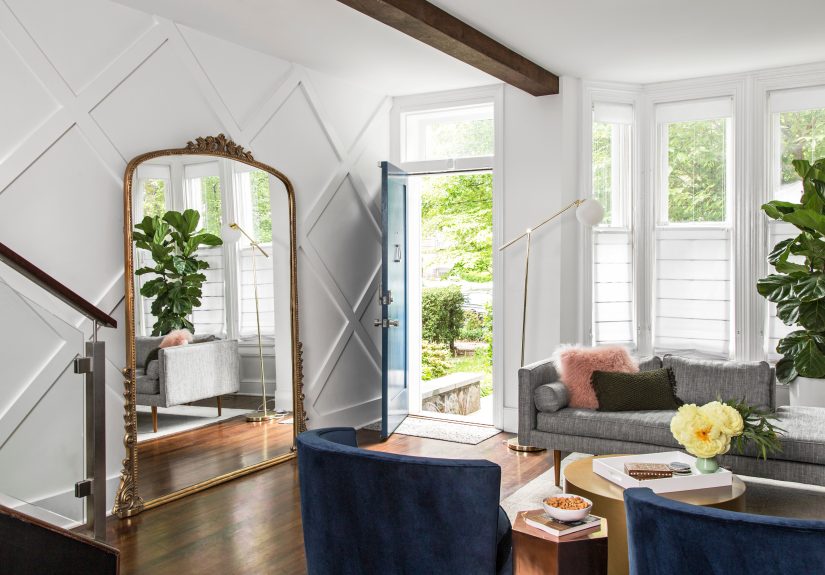
Geometric wall molding adds pattern without wallpaper. Think diamonds, angled grids, or oversized rectangles for a bold accent wall that still feels architectural rather than trendy for trend’s sake.
14. Oversized Grid Paneling
Large square or rectangular grids made from flat trim work especially well in modern farmhouse, transitional, and Scandinavian-inspired interiors. They provide order and interest without stealing the whole show.
15. Painted Slat Accent Wall
Natural wood is lovely, but painted slats can feel sharper and more contemporary. Try warm greige, olive, clay, or smoky blue for a look that feels custom and current.
16. 3D Wall Panels
Three-dimensional panels add major texture and are ideal for modern spaces that need visual depth. Use them in a dining room, media room, or office where lighting can highlight the surface pattern.
17. Minimalist Faux Paneling
Faux paneling made with slim trim is one of the best budget-friendly upgrades around. It gives you the look of traditional wall paneling without the cost, weight, or commitment of full wood cladding.
18. Pale Wood Paneling
Light wood tones keep paneling from feeling heavy. Blonde oak-inspired finishes work beautifully in home offices, bedrooms, and quiet living spaces where you want texture with a Scandinavian edge.
19. Reclaimed Wood Feature Wall
Reclaimed or faux-reclaimed boards add warmth, history, and rustic character. This style shines in dens, cabins, reading nooks, and dining rooms where texture matters as much as color.
20. Horizontal Shiplap with a Modern Twist
Shiplap still works when handled with restraint. Skip the overdone farmhouse clichés and use it in a refined way with tailored lighting, cleaner furnishings, and a sophisticated paint color.
Room-by-Room Wall Paneling Ideas That Make Sense
21. Panel a Staircase Wall
Staircase walls are often large, awkward, and unfairly ignored. Paneling turns them into a design feature and can even help disguise hidden doors or under-stair storage.
22. Add Paneling to an Entryway
An entryway sets the tone for the entire home. A paneled wall behind a bench, console, or mirror makes the space feel intentional from the moment someone walks in.
23. Create a Headboard Wall
Wall paneling behind the bed can act as an architectural headboard. This is a smart move if you want a high-end bedroom look without buying a giant upholstered piece.
24. Upgrade a Mudroom
Mudrooms take a beating, so paneling earns its keep here. Board and batten or beadboard adds style while helping the space handle hooks, backpacks, muddy shoes, and the general chaos of real life.
25. Use Beadboard in a Bathroom
Bathroom wall paneling can be charming and practical, especially when you choose moisture-appropriate materials or properly sealed surfaces. It is an easy way to make a small bath feel more finished and custom.
26. Warm Up a Dining Room
Dining rooms are natural candidates for paneling because they benefit from structure and atmosphere. Traditional box molding, raised panels, or rich painted wainscoting can make even simple furniture look more elevated.
27. Frame a Fireplace Wall
Paneling around a fireplace creates a focal point with real presence. It helps the wall feel integrated rather than leaving the fireplace to awkwardly float like it forgot to RSVP to the rest of the design plan.
28. Add Texture to a Home Office
A paneled office wall looks polished on video calls and adds depth in a room that often relies on bookshelves and desks alone. Slat walls, picture molding, or grid trim all work well here.
29. Define a Nook or Alcove
Paneling inside a niche, reading corner, or breakfast nook gives small spaces purpose. It makes the area feel designed, not accidental, and can visually separate it from the rest of the room.
30. Don’t Forget the Ceiling
Yes, the ceiling counts. Wood planks, shiplap, or narrow panel details above the room can add warmth and help the entire space feel finished from top to bottom.
How to Choose the Right Wall Paneling Style
Not every wall paneling idea belongs in every room, and that is actually good news because it gives you a reason to be strategic instead of impulsive with a nail gun. Start by thinking about the room’s size, moisture level, natural light, and mood. A formal dining room can handle more detail than a tiny hallway. A bathroom needs materials that can manage humidity. A bedroom often looks best with softer lines and calmer colors.
Next, think about proportion. Large rooms can support bold grids, darker colors, and taller installations. Small rooms often benefit from narrower profiles, half-wall treatments, or monochromatic paint that lets the texture show without making the space feel crowded. If the room already has strong architectural features, choose paneling that complements rather than competes.
Material matters too. MDF and trim-based faux paneling are usually friendly to the budget and ideal for painted projects. Natural wood brings warmth and grain variation. PVC and other moisture-resistant options can be smart choices in bathrooms, basements, and other damp spaces. The best-looking project is not always the most expensive one. Usually, it is the one that suits the room and is installed with care.
Mistakes to Avoid with Wall Paneling
The biggest mistake is treating wall paneling like an afterthought. Good paneling looks measured, balanced, and intentional. Bad paneling looks like someone lost a bet at the hardware store. Always plan your spacing before you start, especially with board and batten, picture frame molding, or geometric layouts.
Another common error is using a style that clashes with the home’s architecture. Ultra-ornate raised panels in a very modern apartment can feel forced, while super-minimal slats might look odd in a deeply traditional room unless the rest of the design bridges the gap. Also, do not ignore paint finish. Matte can look soft and modern, satin can highlight detail nicely, and gloss can emphasize texture dramatically.
Finally, remember that paneling works best when it has room to breathe. It does not need to be everywhere. One great accent wall can do more than four overworked walls trying too hard.
Final Thoughts
The best wall paneling ideas add more than decoration. They add mood, structure, texture, and that quietly confident feeling that a room knows exactly what it is doing. Whether you prefer classic wainscoting, beadboard, wood slats, faux molding, or dramatic painted panels, the right choice can turn an ordinary wall into one of the most memorable parts of your home.
So if your room feels flat, unfinished, or a little too polite, paneling might be the upgrade it has been waiting for. Paint can change color. Art can add personality. But wall paneling changes the bones of the room, and that is where the magic really lives.
Experience and Inspiration: Living with Wall Paneling in Real Life
One of the most surprising things about wall paneling is how differently a room feels once it is installed. In photos, it looks like texture. In real life, it feels like intention. A plain guest bedroom that used to be forgettable suddenly seems cozy and finished with a simple grid of molding behind the bed. A narrow hallway that once looked like a place people hurried through starts feeling like a real part of the home once beadboard and a warm paint color give it a little identity. It is not just about appearance. It is about atmosphere.
People often assume paneling is a dramatic, expensive design move, but many of the most satisfying projects start small. A single weekend accent wall in a home office can completely change how the room functions. The space feels quieter visually, more grounded, and more “I absolutely have my life together,” even if there is still a mystery charging cable on the floor and two coffee mugs on the desk. That is the charm of architectural detail: it elevates the room faster than most decorating tricks.
Bedrooms especially benefit from paneling because they need softness and structure at the same time. A paneled headboard wall creates a focal point without filling the room with extra furniture. In children’s rooms, beadboard or board and batten can make the space feel playful yet polished, and it holds up better than plain painted drywall when life gets energetic. In dining rooms, paneling changes the mood entirely. Dinner feels a bit more special when the room has depth, shadow lines, and a sense of permanence.
Bathrooms are another place where wall paneling can really shine. Even a small powder room can become memorable with dark wainscoting, wallpaper above, and a mirror that reflects all that texture back into the space. It feels layered and thoughtful rather than purely functional. In busy homes, paneling in mudrooms and entryways tends to be one of those upgrades people appreciate every single day because it is both practical and attractive. Hooks look better mounted over paneling. Benches feel more built in. The whole area seems less like a drop zone and more like part of the house’s design story.
Perhaps the best part is that wall paneling grows with the home. You can paint it, change the decor around it, go moody, go bright, or switch from farmhouse to classic to modern without ripping everything out. It has staying power. That is why so many people fall in love with it after their first project. They realize paneling is not just another trend. It is one of those rare upgrades that makes a room look better now and still feel right years later. In a world full of short-lived design fads, that kind of staying power is pretty amazing.