Table of Contents >> Show >> Hide
- Why poisonous plants are such a big deal
- 33 most poisonous plants and flowers to know
- 1. Oleander
- 2. Water Hemlock
- 3. Poison Hemlock
- 4. Castor Bean
- 5. Rosary Pea
- 6. Foxglove
- 7. Lily-of-the-Valley
- 8. Autumn Crocus
- 9. Monkshood
- 10. Jimson Weed
- 11. Deadly Nightshade
- 12. Yew
- 13. Azalea
- 14. Rhododendron
- 15. Caladium
- 16. Daffodil
- 17. Dumbcane
- 18. Elephant Ear
- 19. Holly
- 20. Iris
- 21. Jack-in-the-Pulpit
- 22. Jerusalem Cherry
- 23. Lantana
- 24. Mayapple
- 25. Mistletoe
- 26. Morning Glory
- 27. Mountain Laurel
- 28. Peace Lily
- 29. Pennyroyal
- 30. Philodendron
- 31. Poison Ivy
- 32. Pokeweed
- 33. Pothos
- What makes these poisonous plants dangerous?
- Common warning signs after plant exposure
- How to reduce the risk around poisonous flowers and plants
- Experiences people often have with poisonous plants and flowers
- Final thoughts
Some plants are basically nature’s version of a trick candle: pretty, decorative, and absolutely not meant for snacking. That matters because many of the most poisonous plants and flowers are not rare jungle villains hiding in a movie set. They are ordinary landscape shrubs, houseplants, bulb flowers, wild plants, and berries that show up in gardens, parks, sidewalks, and holiday arrangements.
This guide covers 33 of the most poisonous plants and flowers commonly flagged in U.S. poison-control and horticulture references. It is not a laboratory-style “top 33 deadliest ever” ranking, because plant toxicity depends on the plant part, the amount, the person, the pet, and the situation. Instead, think of this as a practical danger list: the plants most often discussed because they are common, attractive, easy to confuse with safer plants, or capable of causing serious illness.
In other words, this is the article your garden center display would write if it could talk and had a very anxious attorney.
Why poisonous plants are such a big deal
The phrase poisonous plants and flowers covers a wide range of risks. Some species irritate the skin. Others burn the mouth and throat. Some affect the heart, nervous system, or digestive tract. A few are infamous because only a small exposure can become a medical emergency. That is why accurate plant identification matters so much. “It looked harmless” is not a winning strategy when the harmless-looking thing has berries, bulbs, seeds, or sap that can make a person or pet very sick.
Another reason these plants stay on safety lists is simple: beauty is a fantastic disguise. Bell-shaped blossoms, glossy leaves, bright red berries, and tropical foliage can make a toxic plant look like the innocent star of a home-and-garden magazine spread. Unfortunately, some of the most dangerous plants also happen to be overachievers in the beauty department.
33 most poisonous plants and flowers to know
-
1. Oleander
Oleander is the classic “gorgeous but do not mess with it” shrub. It is widely used in warm-weather landscaping, yet every part of the plant is considered dangerous. It is especially notorious because the toxins can affect the heart.
-
2. Water Hemlock
Water hemlock is one of the most feared toxic plants in North America. It grows in wet areas and is dangerous enough that it is regularly singled out in poison-control and university references as a severe hazard.
-
3. Poison Hemlock
Poison hemlock looks deceptively delicate, with umbrella-like clusters of small white flowers. Do not let the lacey appearance fool you. This plant is highly toxic and belongs on every serious poisonous plant list.
-
4. Castor Bean
Castor bean is an ornamental favorite because it grows fast and looks dramatic. The problem is that its seeds are famously dangerous. This is one of those plants that proves tropical flair can come with terrible decision-making potential.
-
5. Rosary Pea
Rosary pea is known for striking red-and-black seeds that look almost handmade. That beauty is exactly what makes it risky. The seeds are associated with severe poisoning and should never be treated like decorative beads from the world’s worst craft store.
-
6. Foxglove
Foxglove produces tall spikes of stunning, tubular flowers that cottage-garden lovers adore. It is also a classic toxic plant because compounds in the plant can interfere with the heart. Beautiful? Absolutely. Forgiving? Not at all.
-
7. Lily-of-the-Valley
Sweet scent, tiny white bells, old-fashioned charm, and a toxic profile that is not remotely quaint. Lily-of-the-valley is well known for compounds that can affect the heart, making it far more dangerous than its dainty appearance suggests.
-
8. Autumn Crocus
Autumn crocus looks elegant and harmless, which is exactly the kind of false confidence a poisonous flower loves to inspire. Bulbs and other parts are associated with serious poisoning, so this is one ornamental that deserves respect.
-
9. Monkshood
Monkshood, also called aconite, has dramatic hood-shaped flowers and a very dark reputation. It is one of the most notorious poisonous flowers discussed in gardening and toxicology references, especially because of its potent toxins.
-
10. Jimson Weed
Jimson weed is a wild, weedy troublemaker with trumpet-shaped flowers and spiky seed pods. It is dangerous because it can affect the nervous system and has been linked to severe poisoning when eaten or misused.
-
11. Deadly Nightshade
With a name like deadly nightshade, subtlety has already left the building. This plant has shiny berries and a long history of serious toxicity. It remains one of the most infamous poisonous plants on the planet.
-
12. Yew
Yew shrubs are common in landscapes, hedges, and foundation plantings. The surprise is that they are toxic enough to appear on major poison plant lists. When a plant is both popular and dangerous, that is a bad combination.
-
13. Azalea
Azaleas are spring show-offs with clouds of colorful flowers. They are also toxic plants, and exposures can be serious. That makes them the floral equivalent of a celebrity with great photos and terrible boundaries.
-
14. Rhododendron
Rhododendrons are close relatives of azaleas and carry similar concerns. Their bold blooms make them landscape favorites, but they are also well known in toxic plant references for causing poisoning if eaten.
-
15. Caladium
Caladium wins points for colorful foliage and loses points for toxic crystals that can burn and irritate the mouth. This is one of several common house and patio plants that can turn a curious bite into immediate regret.
-
16. Daffodil
Daffodils look cheerful, sunny, and completely committed to spring optimism. Their bulbs, however, can be toxic. This is why flower bulbs and toddlers should have a firm “you two stay apart” policy.
-
17. Dumbcane
Dumbcane, or dieffenbachia, is a classic indoor plant with bold leaves. It is also famous for causing intense mouth irritation and swelling after chewing. The name is not exactly subtle, and neither is the reaction.
-
18. Elephant Ear
Elephant ear gives tropical drama to a porch or garden bed, but it can also cause painful oral irritation if chewed. Those giant leaves may look friendly, but they are not offering a salad course.
-
19. Holly
Holly berries are festive, glossy, and the reason holiday decorating occasionally needs a safety speech. Several holly species are considered poisonous, especially when berries are swallowed by children or pets.
-
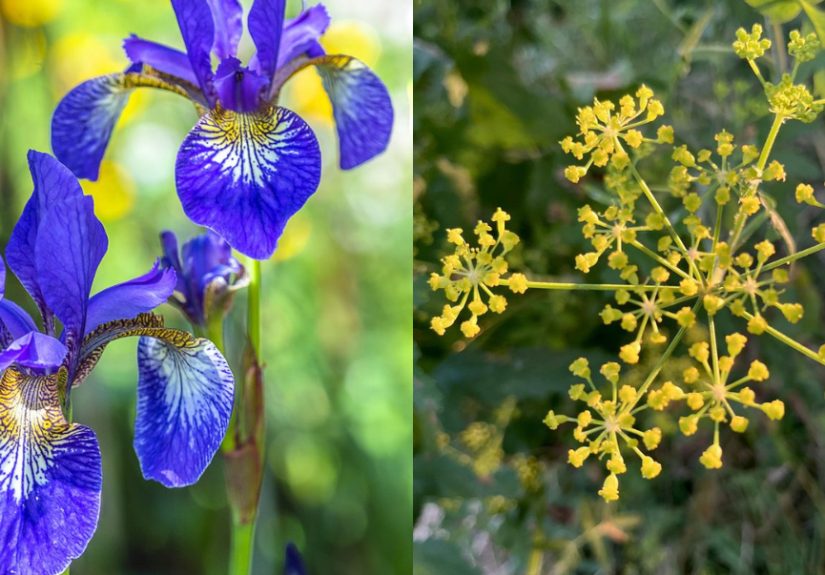
20. Iris
Iris flowers are elegant and architectural, but the plant is not harmless. Toxic plant references commonly warn about the rhizomes and digestive upset associated with ingestion.
-
21. Jack-in-the-Pulpit
This woodland native has a fascinating hooded bloom and bright berries later in the season. It is also one of those plants that can cause sharp mouth irritation because of crystal-containing tissues.
-
22. Jerusalem Cherry
Jerusalem cherry is a decorative plant with bright fruit that can look tempting, especially to children. That is exactly why it is included on poisonous plant lists. Cute berries are not a safety guarantee; they are often a trap.
-
23. Lantana
Lantana is a heat-loving favorite in containers and sunny beds. It has cheerful clusters of flowers, but toxic plant references warn that it can cause poisoning, particularly when berries or plant parts are swallowed.
-
24. Mayapple
Mayapple has umbrella-like leaves and a very storybook look. Unfortunately, it also has toxic parts and appears often in poison plant references. This is a good reminder that woodland charm is not the same as edibility.
-
25. Mistletoe
Mistletoe is mostly known for holiday flirting and awkward office parties, but it is also a poisonous plant. Berries and leaves are the usual concern, which means seasonal décor deserves more caution than romance movies admit.
-
26. Morning Glory
Morning glory vines look innocent climbing a fence at sunrise. Some species, especially their seeds, are associated with toxic effects, so this pretty climber should stay in the “look, don’t eat” category.
-
27. Mountain Laurel
Mountain laurel has spectacular blooms and serious toxic potential. Like some of its relatives, it can cause significant poisoning if eaten, making it one more example of beauty moonlighting as a hazard.
-
28. Peace Lily
Peace lily sounds like the most harmless plant on Earth. It is not. Like several other indoor ornamentals, it can cause painful irritation of the mouth and digestive tract if chewed or swallowed.
-
29. Pennyroyal
Pennyroyal may sound quaint and herbal, but toxic plant references treat it seriously. This is a good example of why “it’s an herb” should never be confused with “it’s automatically safe.” Nature does not care about branding.
-
30. Philodendron
Philodendron is a houseplant superstar because it is easy to grow and stylish in nearly every room. It is also a classic source of mouth irritation because of calcium oxalate crystals in the plant tissue.
-
31. Poison Ivy
Poison ivy is less about eating and more about skin misery. Its oily sap can trigger an allergic rash that ranges from annoying to miserable. It earns a place on this list because contact alone can create a memorable disaster.
-
32. Pokeweed
Pokeweed is a tall native plant with dark berries and a surprisingly dangerous reputation. It is frequently mentioned in toxic plant guides because several parts of the plant can cause serious illness if eaten.
-
33. Pothos
Pothos is one of the most common houseplants in America, which is exactly why people underestimate it. Like other crystal-containing aroids, it can cause burning, drooling, and mouth pain after chewing.
What makes these poisonous plants dangerous?
These plants are not all toxic in the same way. Some, like oleander, foxglove, and lily-of-the-valley, are concerning because they contain compounds that can affect the heart. Others, such as philodendron, pothos, caladium, peace lily, elephant ear, and dumbcane, contain needle-like crystals that can cause immediate burning and swelling in the mouth and throat. Wild plants such as poison hemlock, water hemlock, jimson weed, monkshood, and deadly nightshade are especially alarming because they can cause severe systemic poisoning.
Then there are the contact offenders. Poison ivy is the superstar of regrettable outdoor experiences, but poison oak and poison sumac deserve honorable mention in the same itchy hall of fame. The common theme is that the risk is not always obvious until after contact or ingestion has already happened.
Common warning signs after plant exposure
Symptoms vary widely, but several red flags show up again and again in toxic plant discussions: burning in the mouth, drooling, vomiting, diarrhea, abdominal pain, rash, swelling, drowsiness, confusion, irregular heartbeat, tremors, or seizures. The important thing is not to play amateur detective for three hours while someone gets worse. If a plant exposure is suspected, quick identification and expert guidance matter.
How to reduce the risk around poisonous flowers and plants
Know what you planted
The easiest mistake is owning a toxic plant without realizing it. Learn both the common name and the botanical name when possible. “Pretty mystery shrub” is not useful in an emergency call.
Watch bulbs, berries, and seeds
Bulbs and seeds cause problems because they are easy to pick up, pocket, chew, or mistake for something harmless. Bright berries are especially tempting to children.
Do not trust folklore
Just because birds can eat something does not mean humans can. Just because a plant is sold at a nursery does not mean it is safe to chew. Just because it is in a holiday centerpiece does not mean it belongs in your mouth.
Be extra careful with pets and kids
Curiosity is adorable until it bites a pothos leaf or swallows a berry. If you have children or pets, place toxic plants out of reach or skip them entirely.
Use gloves and wash up
Some plants irritate skin, and others leave sap behind where it can travel to tools, clothing, or hands. Gardening is more fun when it does not end with a rash and a frantic internet search.
Experiences people often have with poisonous plants and flowers
One of the strangest things about poisonous plants is how ordinary the experience usually begins. Nobody wakes up and says, “Today I shall be defeated by landscaping.” It starts with something small. A child notices red berries because red berries are nature’s version of a flashing button. A dog takes a casual chew of a houseplant because apparently every living room is also a tasting room. A new gardener buys a gorgeous flowering shrub, proudly plants it near the porch, and only later learns it belongs to the botanical category known as “absolutely not a snack.”
Parents often describe the same emotional roller coaster. First comes confusion. Then comes a quick glance at the plant tag. Then comes the realization that the tag says almost nothing useful besides “partial sun” and “blooms in spring,” which is not exactly medical-grade information. That is when poisonous plants stop being a fun garden topic and become a very practical household issue.
Gardeners have their own version of this experience. Many poisonous flowers are, frankly, overachievers in the looks department. Foxglove is elegant. Lily-of-the-valley smells amazing. Oleander makes a yard look polished. Caladium can brighten a shady spot better than most annuals. So people naturally choose them for beauty, not because they are trying to audition for a toxicology seminar. The surprise comes later, when a neighbor casually says, “You know that one is poisonous, right?” Suddenly the garden tour becomes a legal deposition.
Hikers and outdoor lovers run into a different problem: misidentification. Wild plants do not come with labels, and some dangerous species look harmless or vaguely familiar. That is why experienced foragers are so cautious. The real lesson from poisonous plants is not paranoia. It is humility. If you are not completely sure what a plant is, guessing is a terrible hobby.
Pet owners know this topic especially well because cats and dogs do not share our respect for warning labels. A pothos trailing from a shelf may look like chic interior design to you and like an all-you-can-chew buffet to a pet. A holiday arrangement with holly or mistletoe may seem festive until a berry goes missing. The experience is often less dramatic than people fear, but it is never fun, and it always teaches the same lesson: common plants can still be risky plants.
There is also the very human experience of underestimating “natural” things. People often assume danger has to look dramatic. They expect thorns, a skull-and-crossbones vibe, or at least a villainous soundtrack. Instead, toxic plants often look soft, bright, fragrant, or friendly. They sit in ceramic pots. They bloom politely. They appear in wedding bouquets, curbside landscapes, and grandmother’s flower beds. That contrast is what makes them memorable. The danger is hidden behind beauty, and beauty is excellent at lowering our guard.
In the end, experiences with poisonous plants and flowers usually leave people with the same takeaway: respect matters more than fear. You do not need to panic every time you see a daffodil or a philodendron. You just need to know what is growing around you, what parts are risky, and who in your home is most likely to investigate with their hands, mouth, or paws. Awareness is the difference between a pretty garden and a preventable emergency.
Final thoughts
The most poisonous plants and flowers are not always the rarest ones. In many cases, they are the familiar plants people pass every day without a second thought. That is why this topic matters. Oleander, foxglove, lily-of-the-valley, castor bean, poison hemlock, water hemlock, philodendron, pothos, dumbcane, and many others prove the same point: a plant can be beautiful, popular, and dangerous all at once.
The smart response is not fear. It is informed caution. Learn the names, teach children not to sample random leaves or berries, keep risky plants out of reach of pets, and take suspected exposure seriously. Your garden can still be gorgeous. It just does not need to double as a chemistry final exam.