Table of Contents >> Show >> Hide
- Before You Start: What You Need
- Way 1: Blot Wet Acrylic Paint Before It Settles In
- Way 2: Rehydrate Dried Acrylic Paint with Warm Water and Dish Soap
- Way 3: Use Acetone or Nail Polish Remover for Stubborn Acrylic Residue
- Way 4: Try Vinegar, Steam, or a Carpet Cleaner for the Final Battle
- Mistakes That Make Acrylic Paint Stains Worse
- When to Call a Professional
- The Best Strategy Depends on the Stage of the Spill
- Real-Life Experiences: What People Learn After Getting Acrylic Paint off Carpet
- Conclusion
Note: Spot-test any cleaner on a hidden area first, and avoid soaking the carpet backing.
Spilling acrylic paint on carpet can trigger a very specific kind of panic. One second, you are feeling artsy and productive. The next, your floor looks like it joined an abstract expressionist movement without your permission. The good news is that acrylic paint does not always mean permanent disaster. If you act quickly and use the right method for the right stage of the stain, you have a solid chance of saving both your carpet and your mood.
This guide breaks down four practical ways to get acrylic paint off carpet, whether the spill is fresh, tacky, or stubbornly dry. You will also learn which mistakes make the stain worse, when to use soap and water, when a solvent makes sense, and when it is smarter to stop scrubbing and call in backup. Because yes, there is a point where “DIY hero” becomes “person aggressively massaging a stain into the subfloor.”
Quick heads-up: Acrylic paint is water-based when wet, but once it dries, it forms a more durable film. That is why fresh spills are usually much easier to remove than dried ones. For delicate wool carpet, expensive rugs, or large spills, use extra caution and test everything in an inconspicuous spot first.
Before You Start: What You Need
Gather your supplies before you begin so you are not sprinting around the house with blue hands and a paper towel hanging out of your mouth.
- Clean white cloths or paper towels
- A spoon, plastic spatula, or dull knife
- Warm water
- Mild, colorless dish soap
- A small bowl or spray bottle
- A soft brush or stiff-bristled brush for dried paint
- Vacuum cleaner
- Acetone or nail polish remover, if needed
- White vinegar, if needed
- Gloves and open windows for ventilation when using solvents
Way 1: Blot Wet Acrylic Paint Before It Settles In
If the spill is still wet, this is your best-case scenario. Fresh acrylic paint usually responds well to simple, gentle cleaning. The goal is to remove as much paint as possible before it dries into the carpet fibers.
How to do it
First, use a spoon or plastic spatula to lift away any blobs of paint sitting on top of the carpet. Be careful not to press downward. You want to remove excess paint, not give it a guided tour deeper into the pile.
Next, blot the stain with a clean white cloth or paper towel. Do not rub. Rubbing spreads the paint sideways and pushes pigment deeper into the fibers. Think of blotting as a gentle rescue mission, not a wrestling match.
Once you have removed as much wet paint as possible, mix a small amount of mild dish soap with warm water. Dampen a clean cloth with the solution and blot from the outside of the stain toward the center. This outside-in method helps prevent the spill from spreading into a bigger, sadder shape.
After a few rounds of blotting, switch to a separate cloth dampened with plain warm water and blot again to rinse away the soap and loosened paint. Finish by pressing a dry towel into the area to absorb moisture.
Why this works
Wet acrylic paint has not fully bonded to the carpet fibers yet. A mild soap solution helps loosen the paint while blotting lifts it out in stages. This method is the least aggressive and should always be your first move for a fresh spill.
Way 2: Rehydrate Dried Acrylic Paint with Warm Water and Dish Soap
Now we move into the trickier category: dried paint. Dried acrylic is more stubborn because it forms a plastic-like layer. Still, all hope is not lost. You can often soften the residue enough to break it apart and lift it out.
How to do it
Start by gently loosening the dried paint with a stiff-bristled brush. Do this carefully so you do not fray the carpet fibers. As flakes break free, vacuum them up. Removing loose dry paint first makes the next steps more effective.
Mix warm water with a little mild dish soap. Soak a cloth in the solution, wring it out so it is damp rather than dripping, and place it over the dried paint. Let it sit for 15 to 30 minutes. This gives the moisture time to soften the paint film.
After the waiting period, lift the cloth and gently scrape at the softened paint with a dull knife, spoon, or plastic scraper. Alternate between blotting, scraping, and reapplying the damp cloth as needed. Be patient. This is not the kind of job that rewards dramatic energy. It rewards repetition.
Once the stain starts lifting, blot with clean water to rinse away the soap, then blot dry. If the paint was thick or especially pigmented, you may need a second or third round.
When this method shines
This approach is ideal for small or medium dried spills where the paint sits mostly on the surface or upper fibers. It is especially useful when you want to avoid stronger chemicals on a carpet you are not eager to experiment on.
Way 3: Use Acetone or Nail Polish Remover for Stubborn Acrylic Residue
Sometimes dried acrylic laughs in the face of soap and water. When that happens, a carefully used solvent can help break down what is left. Acetone or nail polish remover is often recommended for stubborn acrylic paint residue, but this method demands caution.
How to do it safely
Open windows, wear gloves, and test the product on a hidden section of carpet first. Some carpets, dyes, or backings may react poorly. If the test area looks fine after drying, dampen a white cloth with a small amount of acetone or remover. Never pour it directly onto the carpet.
Blot the stained area lightly. Do not scrub, and do not soak the carpet. The idea is to soften the residue just enough for it to transfer to the cloth. Rotate to a clean section of cloth frequently so you do not redeposit paint back onto the fibers.
Once the residue starts lifting, follow with a cloth dampened in warm water and mild soap to remove leftover solvent and paint. Then blot with plain water and dry towels until the area is as dry as possible.
When to use this method
This is a smart next step when the paint is dry, the stain is still visible after soapy treatment, or a bright color has bonded stubbornly to synthetic carpet fibers. It is not the method to lead with on delicate wool or vintage rugs. In those cases, a professional cleaner is usually the safer call.
Way 4: Try Vinegar, Steam, or a Carpet Cleaner for the Final Battle
If the stain is mostly gone but not fully defeated, you still have a few options. The final traces of acrylic paint often respond to a little heat, a little rehydration, or a machine-assisted rinse.
Option A: Vinegar
White vinegar can help soften dried paint so it becomes easier to blot or scrape. Apply a small amount to a cloth, dab the stain, and let it sit for about 10 to 15 minutes. Then return to blotting and gentle scraping. Vinegar is not always the hero of the story, but it can be a useful supporting character.
Option B: Steam
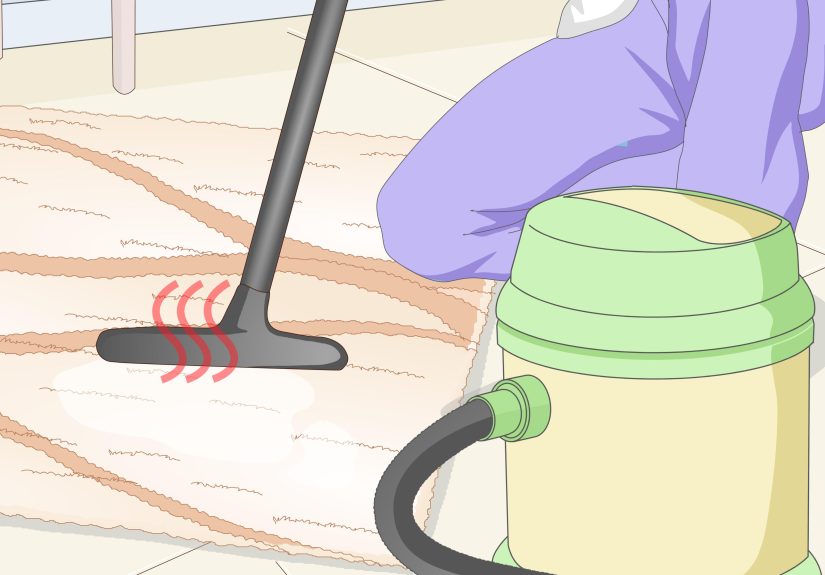
A handheld steamer can help loosen dry paint on the upper fibers. Use light steam, not a flood, and keep the tool moving. As the paint softens, carefully blot or scrape it away. If you do not own a steamer, this is not permission to hold a volcano-level iron over the carpet for an hour. Gentle, controlled heat is the goal.
Option C: Carpet cleaning machine
For stubborn residue after spot treatment, a small carpet cleaner can help flush out loosened paint and soap from the fibers. This can be especially helpful if you have already broken up the stain and need stronger extraction. Just be careful not to over-wet the area, and make sure the carpet dries thoroughly afterward.
Mistakes That Make Acrylic Paint Stains Worse
Sometimes the biggest problem is not the spill. It is what people do five seconds later.
- Rubbing instead of blotting: This spreads pigment and grinds it deeper into the carpet.
- Using too much liquid: Over-wetting can soak the backing, slow drying, and leave residue behind.
- Pouring solvent directly onto the stain: This raises the risk of discoloration and backing damage.
- Skipping the spot test: Even a “common” cleaner can react badly on certain fibers or dyes.
- Leaving soap behind: Residue attracts dirt, which can make the cleaned spot look grimy later.
- Getting impatient: Aggressive scraping can damage the pile more permanently than the paint itself.
When to Call a Professional
There is no shame in handing this problem to someone with better equipment and fewer emotional attachments to a beige living room. Call a professional if the spill is large, the carpet is wool or high-end, the paint has dried for days, or your test spot reacts poorly to cleaning products.
Professional cleaners can often extract residue more effectively, and some carpet specialists can even repair or patch a damaged area if the stain refuses to leave politely.
The Best Strategy Depends on the Stage of the Spill
If you remember only one thing from this article, remember this: match the method to the moment.
For fresh acrylic paint, blot and use warm water with mild dish soap. For dried paint, soften it first, then scrape gently. For stubborn residue, use acetone carefully and sparingly. For lingering traces, bring in vinegar, light steam, or a carpet cleaner. The biggest win usually comes from being calm, quick, and much less dramatic than the situation feels.
Your carpet may have had a rough day, but it does not have to become a permanent art installation.
Real-Life Experiences: What People Learn After Getting Acrylic Paint off Carpet
One of the most common experiences people report with acrylic paint spills is how fast the whole thing escalates. A tiny drip from a brush seems harmless until someone steps on it, tracks it two feet to the left, and suddenly the carpet looks like it attended a kindergarten mural project. In real homes, the difference between a minor cleanup and a major stain is often just a few minutes. People who catch the spill early usually say the same thing: blotting immediately made a huge difference.
Another common lesson is that gentle methods often work better than aggressive ones, at least at first. A lot of people assume that a tough stain demands tough scrubbing. Then they discover they have created a fuzzy bald patch around a pink paint shadow. In practice, slow blotting with warm water and mild dish soap tends to be more effective than wild panic-cleaning. It may feel less dramatic, but it is usually better for the carpet.
People also learn that dried acrylic paint is annoying, but not unbeatable. Many describe a two-stage victory: first loosening the crusty bits with a brush or damp cloth, then going after the leftover color. That second stage is where patience matters most. A single pass rarely does the job. The stain usually lightens little by little, round by round, until suddenly it is faint enough that only the person who caused it can still see it. That, by the way, is a universal law of cleaning. Once you know where the stain was, your eyes become detectives.
There is also a recurring theme with solvents: they can help, but people respect them more after one close call. Someone tries too much acetone, the room smells like a nail salon hosted inside a chemistry lab, and they realize moderation is not optional. The successful stories usually involve tiny amounts, white cloths, open windows, and lots of follow-up blotting with water and soap.
Parents, crafters, and DIYers often mention another truth: prevention gets smarter after the first spill. Drop cloths appear. Old towels get promoted to “paint duty.” Kids’ art projects move from carpeted rooms to kitchens, garages, or anywhere with a washable floor. Once you have spent 45 minutes coaxing turquoise out of carpet fibers, you become a much more strategic person.
And finally, many people end up realizing that perfection is not always the only acceptable outcome. Sometimes the goal is not “make it as if nothing happened.” Sometimes the goal is “make it clean enough that nobody notices unless they are lying face-down on the floor.” Honestly, that still counts as a win. Carpet lives a hard life. It gets walked on, spilled on, vacuumed, moved around, and blamed for things it did not do. If you can remove the paint, restore the texture, and keep the area looking normal, you have done the job well.
So if you are staring at a fresh acrylic disaster right now, take a breath. Plenty of people have been there. Many of them saved the carpet. And most of them came away with the exact same wisdom: next time, use a drop cloth before the paint decides to redecorate for you.
Conclusion
Getting acrylic paint off carpet is absolutely doable when you use the right method at the right time. Start with the gentlest solution, work patiently, and do not skip the rinse-and-dry stage. Fresh spills respond best to blotting and mild soap. Dried paint usually needs softening, scraping, and a little persistence. And when the stain still refuses to cooperate, targeted solvent use or professional help can save you from making things worse.
In other words, the paint may have made a mess, but it does not get the final vote.