Table of Contents >> Show >> Hide
- Why Wool Pills in the First Place (And Why It’s Not Always a Quality Problem)
- Method 1: Use a Fabric Shaver (Fastest + Most Consistent)
- Method 2: Use a Sweater Comb (Gentle Control for Delicate Wool)
- Method 3: Use a Disposable Razor (Budget-Friendly, Surprisingly Effective)
- Method 4: Use Small Scissors for Spot Work (Slow, But Ultra-Precise)
- How to Prevent Wool Pilling (Because Future-You Deserves Nice Things)
- Quick “Which Method Should I Use?” Cheat Sheet
- Frequently Asked Questions
- Conclusion: Make Wool Look New Again (Without Buying New Wool)
- of Real-World Experiences With De-Pilling Wool
Wool is warm, breathable, and basically the MVP of cold-weather wardrobes. Unfortunately, it also has a tiny hobby: making little fuzz balls (aka pills) in high-friction areas like underarms, cuffs, elbows, and anywhere your bag strap likes to aggressively “hug” you.
The good news: pilling is usually a surface problem, not a “your sweater is ruined” problem. With the right tool and a light touch, you can make wool look smoother, newer, and less like it’s been wrestling Velcro in its spare time. Below are four reliable ways to remove pilling from woolplus the real-life “what actually happens” experiences people tend to run into along the way.
Why Wool Pills in the First Place (And Why It’s Not Always a Quality Problem)
Pilling happens when loose fibers work their way to the surface, then twist together from friction and movement. Wool fibers can shed a bit during wearespecially in knitsso areas that rub repeatedly become prime real estate for pills. Softer, fuzzier yarns (and some blends) often pill more because the surface fibers lift more easily.
Translation: even nice wool can pill. It’s less “cheap sweater alert” and more “physics happened.” Your goal is to remove the pills without cutting into the base knit (the actual sweater structure). Think grooming, not mowing the lawn.
Method 1: Use a Fabric Shaver (Fastest + Most Consistent)
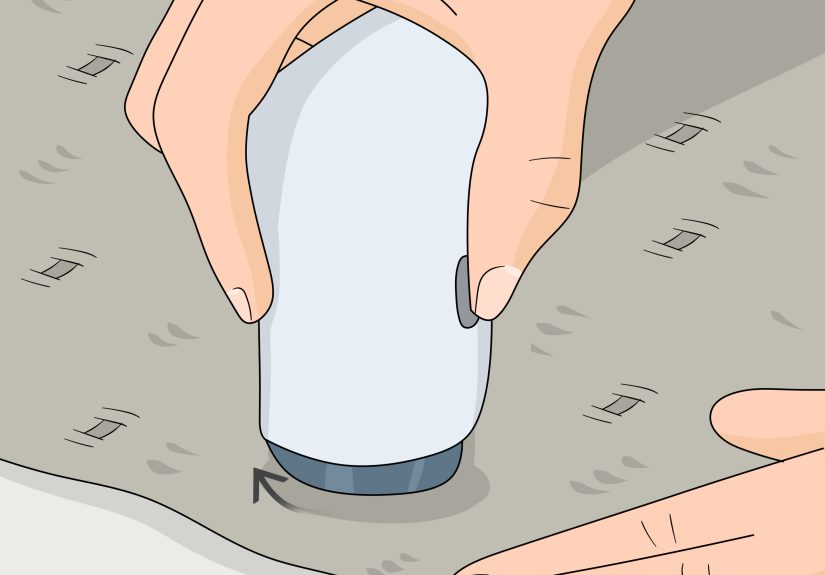
If you want the closest thing to a “reset button,” a fabric shaver (sometimes called a sweater shaver or depiller) is the most efficient option for most wool sweaters. It trims pills at the surface using protected blades behind a screen.
Best for
- Medium to heavy pilling on sweaters, wool blends, and sturdier knits
- Large areas (front panels, sleeves, back)
- Anyone who wants quick, even results
What you’ll need
- A fabric shaver with a clean blade/screen
- A flat surface (table or ironing board)
- Optional: lint brush or tape to pick up leftover fuzz
Step-by-step
- Lay the sweater flat and smooth it gently. Don’t stretch it like pizza dough.
- Hold the fabric taut with your free hand so the shaver glides over a smooth surface.
- Use light pressure and move slowly in short passes. Let the tool do the workwool is not a countertop.
- Avoid seams, buttons, zippers, and embroidery. Those areas can snag.
- Empty the lint chamber as needed so the shaver keeps cutting cleanly.
- Finish with a lint brush (or a gentle sweep of tape) to remove loose fuzz.
Common mistakes to avoid
- Pressing too hard: can thin the knit or nick the fabric.
- Going too fast: increases snag risk on textured stitches.
- Ignoring the care label: some very delicate wools prefer a gentler tool (see Method 2).
Method 2: Use a Sweater Comb (Gentle Control for Delicate Wool)
A sweater comb (often marketed as a cashmere comb) is a small handheld tool that “catches” pills and lifts them away. It’s slower than a fabric shaver, but it gives you precisiongreat for delicate wool and areas where you want to be extra careful.
Best for
- Fine wool, softer knits, and delicates you don’t want to over-trim
- Targeted spots like underarms, cuffs, or around the collar
- People who prefer a low-tech, travel-friendly tool
What you’ll need
- A sweater/cashmere comb
- A flat surface
- Patience (the good kind)
Step-by-step
- Lay the garment flat and smooth it.
- Hold the fabric taut with one hand.
- Comb in one direction using short, gentle strokesthink “petting a nervous cat,” not “raking leaves.”
- Remove the collected pills from the comb edge as you go.
- Repeat until the area looks smoother.
Pro tips
- Start with the lightest touch possible. If pills don’t budge, increase pressure slightlynever jump straight to “full force.”
- If your sweater has a loose or fluffy halo, combing gently can reduce pills without shaving down the whole surface.
Method 3: Use a Disposable Razor (Budget-Friendly, Surprisingly Effective)
Yes, the humble razor can de-pill wool. It’s a classic “mom hack” for a reason: it works. The trade-off is that you must be carefulbecause unlike a fabric shaver, a razor does not come with built-in “don’t ruin my sweater” guardrails.
Best for
- Small to medium pilling on sturdier wool knits
- Quick touch-ups when you don’t have a depiller
- People who are steady-handed and willing to go slow
What you’ll need
- A clean disposable razor (preferably a basic one with minimal bells and whistles)
- A flat surface
- Optional: tape or lint brush for cleanup
Step-by-step
- Lay the wool flat on a table or ironing board.
- Pull the fabric gently taut. Wrinkles are where snags are born.
- Use feather-light strokes and shave across the pills. Don’t dig into the knitjust skim the surface.
- Clear the razor frequently so it doesn’t drag fuzz back into the fabric.
- Finish with a lint brush to lift away loose fibers.
Safety + sweater-saving rules
- Never use a razor on loose weaves or delicate open knits where it can catch.
- Avoid seams and raised stitching; those are snag magnets.
- If you feel resistance, stop and switch tools. This is not a “power through it” activity. Wool remembers.
Method 4: Use Small Scissors for Spot Work (Slow, But Ultra-Precise)
For pills that are big, stubborn, or sitting near tricky details (buttons, embroidery, seams), tiny scissors can be the safest option because you’re only snipping what you can clearly see.
Best for
- Large pills that sit above the surface
- Areas near seams, cuffs, collars, buttons, and decorative stitching
- Textured knits where shavers might catch
What you’ll need
- Small sharp scissors (embroidery scissors are ideal)
- Good lighting
- Optional: lint brush
Step-by-step
- Lay the sweater flat and smooth the section you’re working on.
- Pinch the pill gently so it lifts away from the knit surface.
- Snip only the pill, keeping scissors parallel to the fabric so you don’t cut into the knit.
- Brush away loose bits when finished.
Why scissors work so well in “danger zones”
Fabric shavers and razors are great on flat expanses, but details create uneven surfaces. Scissors let you do micro-surgery: remove the pill, leave the sweater.
How to Prevent Wool Pilling (Because Future-You Deserves Nice Things)
De-pilling is satisfying, but prevention keeps you from having to do it every other week. The theme here is simple: reduce friction, reduce agitation, and treat wool like it’s a fancy houseplant that hates drama.
Smarter wearing habits
- Rotate your sweaters: wearing the same wool knit day after day increases friction fatigue.
- Watch the backpack/purse strap: shoulder straps are basically sandpaper with a social life.
- Layer smoothly: rough jackets over wool can accelerate pilling at the arms and sides.
Washing and drying tips that actually help
- Turn wool inside out before washing to protect the outer surface.
- Use a mesh laundry bag to reduce rubbing in the machine.
- Choose cold water + gentle cycle or hand-wash when the label recommends it.
- Use a mild wool detergent and avoid harsh agitation.
- Skip the dryer when possible: tumble action equals friction. Lay flat to dry to keep shape.
- Don’t overload the washer: overcrowding increases fabric-on-fabric abrasion.
Storage matters more than you think
- Fold, don’t hang heavy wool sweaters. Hanging can stretch shoulders and distort knits.
- Store clean to avoid attracting pests (and because “mystery stains” become forever stains).
- Brush lightly with a clothing brush between wears to lift surface fuzz before it becomes pills.
Quick “Which Method Should I Use?” Cheat Sheet
- Big area, lots of pills: Fabric shaver
- Delicate wool, gentle touch needed: Sweater comb
- No tools on hand, need a fast fix: Disposable razor (carefully)
- Near seams/details or chunky pills: Small scissors
Frequently Asked Questions
Does removing pills damage wool?
If you use the right tool with light pressure, you’re removing surface fuzz and pillsnot slicing into the sweater’s structure. Damage usually comes from rushing, pressing too hard, or using the wrong method on a delicate knit.
Will pills come back?
They can, especially in high-friction zones. But after the initial “break-in” period, many wool garments pill less over time as the loosest surface fibers get removed. Preventive care (inside-out washing, gentle cycles, reducing abrasion) helps a lot.
Is pilling worse on blends?
Often, yes. Some synthetic fibers can hold onto pills more stubbornly, so they cling to the surface instead of shedding away. That doesn’t mean blends are badjust that they may need a fabric shaver sooner.
Conclusion: Make Wool Look New Again (Without Buying New Wool)
Pilling is annoying, but it’s also fixable. A fabric shaver is the fastest and most uniform solution, a sweater comb offers gentle control, a razor gives you a budget-friendly rescue (with caution), and scissors handle precision work near details. Add better washing and wearing habits, and you’ll spend less time battling fuzz balls and more time enjoying the reason you bought wool in the first place: warmth without the swampy feeling.
Your sweater doesn’t need a replacement. It needs a tiny spa day and a little less friction in its lifesame, honestly.
of Real-World Experiences With De-Pilling Wool
In real life, most people don’t notice pilling until they’re already late for something and the sweater they planned to wear suddenly looks like it rolled around under a couch. The most common “first experience” is discovering that pills show up in predictable places: underarms, side seams, the lower front where your hands rest, and the shoulder where a tote bag strap rubs like it’s trying to start a campfire. Once you see the pattern, you start recognizing pilling as a friction map of your life.
People who try a fabric shaver for the first time usually describe two emotions: shock at how fast it works, and the strange satisfaction of emptying the lint chamber afterward. (It’s like vacuuming, but with a clearer before-and-after.) The learning curve tends to be pressure. New users often press too hard because they want instant results. Then they realize the tool works best when you go slowly and let the blades trim the pills at the surface. After a pass or two, the sweater starts looking smoother, and most folks get more confidentbut the best results still come from staying gentle, especially around seams and textured stitches.
Sweater comb fans often report the opposite experience: it’s slower, but it feels safer. It’s the method people reach for when they’re nervous about “shaving” a favorite wool piecelike a fine merino sweater, a soft scarf, or anything that cost enough that you still remember the purchase with emotion. The main surprise with a comb is how much it catches even when the sweater doesn’t look that bad at first glance. A few light swipes can pull up hidden fuzz that would have turned into pills later.
Razor users frequently start because it’s what they have on hand. The experience tends to be “wow, it works” followed by “okay, I should slow down.” A razor can be incredibly effective on a smooth knit, but it’s also the method most likely to cause a snag if the fabric isn’t held taut. The people who get the best results usually treat it like detail work: short strokes, steady hands, and a quick switch to scissors when they get close to a seam or button.
The most practical long-term lesson people share is that pilling management is part removal, part prevention. After de-pilling once, many sweater owners start washing wool inside out, using a mesh bag, and skipping overdrying or over-washing. Some even adjust how they wear their woolswitching to smoother jacket linings, rotating sweaters more often, or moving bag straps to the other shoulder. The funny part is that once you’ve successfully rescued one pilled sweater, you start spotting pills everywhere elseblankets, knit hats, socksand suddenly you’re the neighborhood’s unofficial “fuzz ball specialist.”