Table of Contents >> Show >> Hide
- Why Download Audiobooks Instead of Streaming Them?
- A Quick Look at the 5 Best Methods
- 1. Buy Audiobooks from Major Stores and Apps
- 2. Use Subscription or Credit-Based Audiobook Services
- 3. Borrow and Download Audiobooks from Your Public Library
- 4. Download Free Public-Domain Audiobooks
- 5. Choose Indie-Friendly or Flexible Download Platforms
- Tips for Downloading Audiobooks the Smart Way
- Which Download Method Is Best?
- Real-Life Experiences with Downloading Audiobooks
- Conclusion
If you have ever been halfway through a great story when your signal disappears, welcome to the audiobook listener’s version of heartbreak. The good news is that downloading audiobooks is easier than ever, and you no longer need to wrestle with clunky software, mystery file types, or “Why is this chapter suddenly in German?” energy. Whether you want bestsellers for a road trip, free classics for bedtime, or library loans that cost exactly zero dollars, there is a legal and simple way to do it.
This guide breaks down five practical ways to download audiobooks, who each method is best for, and what to watch out for before you tap that tempting little download button. We will also cover offline listening, storage tips, and real-world listening experiences, because downloading an audiobook is one thing; actually building a listening habit is another. Think of this as your friendly map to the audiobook universe, minus the techno-jargon and sketchy corners of the internet.
Why Download Audiobooks Instead of Streaming Them?
Streaming is convenient, but downloading is what saves your sanity when Wi-Fi disappears, your cell signal gets moody, or your commute turns into an unplanned tunnel tour. Downloaded audiobooks let you listen on airplanes, in rural areas, during subway rides, and in those strange dead zones where your phone suddenly behaves like it was invented in 2004.
Downloading also helps with data usage. If you listen for hours each week, preloading books on Wi-Fi can keep your mobile bill from becoming its own horror story. In many apps, offline playback is the default goal: borrow, download, and listen without needing a constant connection.
A Quick Look at the 5 Best Methods
| Method | Best For | Typical Cost | Main Advantage |
|---|---|---|---|
| Buy from major audiobook stores | New releases and huge catalogs | Per title or membership | Fast access to popular books |
| Use subscription or credit services | Frequent listeners | Monthly fee | Better value if you finish books regularly |
| Borrow from your public library | Budget-minded listeners | Usually free | Excellent value with a library card |
| Download free public-domain audiobooks | Classics and older works | Free | No subscription required |
| Choose indie-friendly or flexible download platforms | Ownership-minded listeners | Varies | More control and support for smaller booksellers |
1. Buy Audiobooks from Major Stores and Apps
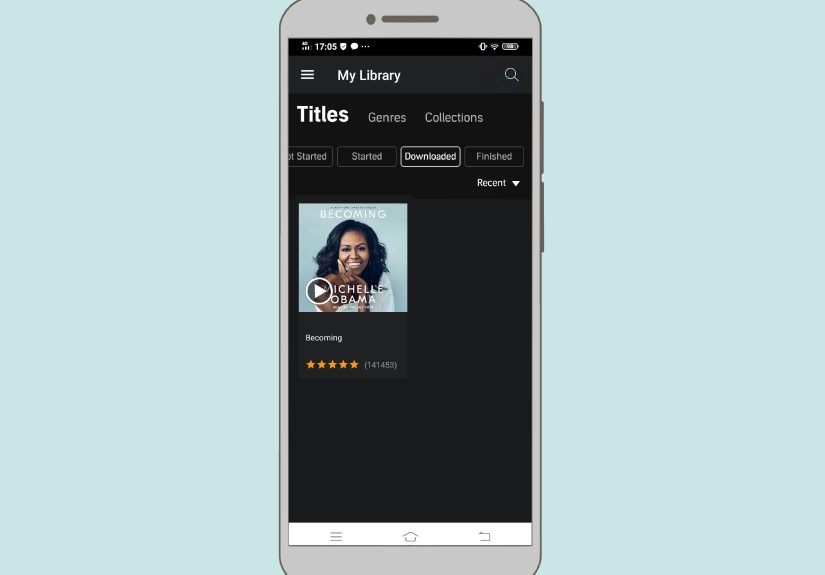
The first and most obvious method is still one of the best: buy audiobooks directly from mainstream platforms. This includes big names such as Audible, Apple Books, Google Play Books, Kobo, and Barnes & Noble NOOK. These services are popular for one reason: they make the entire process easy. Search a title, buy it, download it in the app, and start listening.
This route is ideal for listeners who want brand-new releases, celebrity-narrated memoirs, trending thrillers, and books everyone seems to be discussing online at the same time. If you like having a broad catalog and a polished app experience, major storefronts are hard to beat.
Why this method works well
Most major platforms have clean apps, synced bookmarks, sleep timers, speed controls, and easy offline listening. If you switch devices often, your progress usually follows you. That means you can listen on your phone in the car, pick up later on a tablet, and still know exactly where the detective found the suspicious teacup.
Things to keep in mind
Prices vary a lot. Some audiobooks are very affordable, while others cost more than the paperback and the coffee you planned to drink while reading it. Also, purchased books often stay within the company’s app ecosystem, so your “download” may mean offline access inside the app rather than a simple universal audio file sitting in a folder on your laptop. That is normal, but it is smart to understand the difference before buying.
Best for: listeners who want convenience, current bestsellers, and a reliable mobile app.
2. Use Subscription or Credit-Based Audiobook Services
If you go through audiobooks the way some people go through snack chips, a subscription can make more financial sense than buying every title one by one. Services such as Audible memberships, Audiobooks.com, Everand, Spotify’s audiobook options, and some retailer-based plans can help frequent listeners stretch their budget.
This method works especially well if you finish one or more books each month. A subscription often gives you a credit, access to a limited catalog, member pricing, or monthly listening hours depending on the platform. In plain English: you pay regularly, but you can get more listening for your money if you actually use the service.
Why people love subscriptions
Subscriptions reduce decision fatigue. Once you are paying monthly, it becomes easier to try a book you are curious about without standing in the digital aisle debating whether this narrator is worth lunch money. Some platforms also mix in podcasts, exclusives, or original content, which can be fun if you like variety.
What to watch out for
Not all subscriptions work the same way. Some let you keep certain books, some give you temporary access, and some limit how many hours you can listen each month. Read the terms before you commit, because nothing ruins audiobook joy faster than discovering your “unlimited” plan is actually “unlimited, emotionally, but not technically.”
Best for: heavy listeners, commuters, gym regulars, and anyone who treats audiobooks like daily vitamins.
3. Borrow and Download Audiobooks from Your Public Library
This is the smartest method for many people, and yes, it can be gloriously free. If your local library supports apps like Libby or hoopla, you may be able to borrow audiobooks right from your phone and download them for offline listening. All you usually need is a library card and a small amount of patience when a popular title has a waitlist longer than a brunch line.
Library audiobook downloads are perfect for readers who want to save money without sacrificing quality. You can often find bestsellers, nonfiction, children’s books, classics, and genre fiction without spending a dime. For families, students, and budget-conscious book lovers, this method is the overachiever in the group project.
How it usually works
You sign in with your library card, browse the catalog, borrow a title, and tap download in the app. Many titles can be listened to offline once downloaded to your device. Some apps also allow holds, tags, reading history, and notifications when your book becomes available.
The catch
Library books expire. Unlike purchased titles, borrowed audiobooks return themselves when the loan period ends. Very convenient for the library, mildly rude if you were on chapter 19. Availability also depends on your library’s collection and licensing, so one city may have five copies of a bestseller while another has a waiting list that practically qualifies as a social club.
Best for: readers who want low-cost or free audiobook downloads with legitimate, easy access.
4. Download Free Public-Domain Audiobooks
If your taste leans toward classics, older literature, philosophy, historical texts, or the sort of novels assigned in school and then rediscovered later when you are old enough to enjoy them, public-domain audiobook sites are gold. Platforms such as LibriVox, Project Gutenberg’s audiobook collections, and the Internet Archive offer legal access to many free works.
This is one of the best ways to download audiobooks without paying, especially if you enjoy timeless books like Pride and Prejudice, Frankenstein, The Time Machine, or Sherlock Holmes stories. In many cases, you can download files directly and keep them.
What makes this method appealing
First, it is free. Second, these downloads are often more flexible than locked-in app purchases. If you want a library of classics for travel, study, or bedtime listening, this method is wonderfully practical. It is also a great choice for teachers, students, and parents building a home audio library on a budget.
What to expect
The trade-off is polish. Narration quality can vary, especially on volunteer-read recordings. Some are surprisingly excellent; others sound like your kind neighbor bravely reading Dickens from a kitchen chair. That is not necessarily bad, but it is different from a high-budget studio production with dramatic pauses and a narrator whose voice could sell clouds to the sky.
Best for: classic book lovers, students, and anyone who wants free, legal audiobook downloads.
5. Choose Indie-Friendly or Flexible Download Platforms
If you like the idea of buying audiobooks while supporting independent bookstores or using platforms that emphasize more flexible listening, look into services such as Libro.fm and Downpour. These can appeal to listeners who want an alternative to the largest retail ecosystems or who simply prefer to spread their book budget somewhere a little more personal.
Libro.fm is especially appealing to people who love indie bookstores but also love not leaving the house in pajama pants. Meanwhile, flexible platforms can be useful if ownership, app choice, or download style matters to you more than flashy marketplace features.
Why this method stands out
You may get a more values-driven buying experience, especially if supporting independent bookselling matters to you. Some platforms are also appreciated by listeners who want fewer ecosystem walls and a more straightforward sense of purchase and access.
Read the fine print
Flexibility varies by title and service. Some books may be app-based, some may be subject to publisher restrictions, and some platforms change terms over time. That means it is worth checking what “download” means before you buy. A smart listener is a happy listener, and a happy listener does not spend Saturday afternoon muttering at file permissions.
Best for: listeners who care about platform choice, indie support, or more control over how they access books.
Tips for Downloading Audiobooks the Smart Way
- Download on Wi-Fi when possible: Audiobooks can be large, especially long nonfiction titles and epic fantasy novels that apparently contain three maps, four family trees, and 27 hours of emotional damage.
- Check storage before a trip: Nothing says “vacation chaos” like discovering your phone has room for half a chapter and two blurry screenshots.
- Look at offline settings: Many apps let you choose Wi-Fi-only downloads or automatic downloads.
- Understand access terms: Some titles are yours to keep, while others are loans or subscription-based access.
- Stick to legal sources: Avoid shady download sites and random file-converter promises. If a website looks like it was designed by a caffeinated raccoon, close the tab.
Which Download Method Is Best?
The best method depends on your listening style. If you want the newest titles immediately, buy from a major store. If you finish books every month, subscriptions are often the better value. If you want to spend as little as possible, start with your library card. If you love classics, public-domain platforms are your treasure chest. And if you like supporting indie bookselling or want more flexibility, explore alternatives like Libro.fm or similar services.
The smartest strategy is often a mix. Many experienced listeners use library apps for casual picks, buy must-have favorites from a retail store, and keep a small collection of free classics for travel. That combination gives you variety, saves money, and keeps you from depending on one platform for everything.
Real-Life Experiences with Downloading Audiobooks
Downloading audiobooks sounds simple on paper, but the actual experience has its own rhythm, quirks, and little victories. For many people, the first big surprise is how quickly audiobooks become part of daily life. A downloaded book turns waiting time into reading time. Suddenly, folding laundry feels less tragic, traffic becomes slightly more civilized, and a long walk becomes an excuse to find out whether the villain was lying three chapters ago.
One common experience is the “library win.” You place a hold on a popular audiobook, forget about it, and then a few days later your app announces that your title is ready. It feels like the digital version of finding cash in a coat pocket. You download the book on Wi-Fi, queue it up for the next commute, and for a brief shining moment you feel like an organized adult who has mastered modern life.
Then there is the road trip experience, which deserves its own small trophy. People often discover the true beauty of audiobook downloads while traveling. Streaming is risky when highways wander through weak-signal territory, but a fully downloaded book is dependable. Families use them to keep the peace in the car. Solo travelers use them to make unfamiliar roads feel less lonely. Some listeners even match genres to destinations: memoirs for flights, thrillers for night drives, and cozy mysteries for rainy weekends when leaving the couch feels extremely optional.
Another frequent experience is trial and error with narrators. Anyone who listens regularly knows that the right voice can elevate a good book into an unforgettable one. The wrong voice can make a masterpiece feel like a hostage situation. Downloading samples first is a habit many seasoned listeners swear by. A great narrator gives momentum to your day; a flat one makes ten minutes feel like an unpaid internship.
People also learn quickly that audiobook habits are deeply personal. Some listeners download one title at a time and finish it methodically. Others build a little audio pantry full of options: one serious nonfiction book for productivity moods, one romance for emotional weather, one mystery for chores, and one public-domain classic for when they want to feel scholarly while still wearing sweatpants. There is no wrong approach. The only mistake is downloading nothing, then staring at a buffering icon in the middle of nowhere.
Parents often report that downloadable audiobooks are especially useful with kids. Bedtime stories, travel entertainment, and school-related reading all become more manageable when the book is already on the device. Students have similar experiences. Downloading assigned listening ahead of time can save them from unreliable campus Wi-Fi and last-minute panic.
Perhaps the best experience of all is how audiobook downloads create consistency. Reading starts to happen in the margins of the day. You listen while cooking, walking, cleaning, stretching, commuting, or pretending to organize a drawer you have ignored since 2022. Little by little, books fit into real life more naturally. That is the quiet magic of downloading audiobooks: the story is ready when you are, not when the internet decides to cooperate.
Conclusion
There is no single best way to download audiobooks, only the best way for you. Some listeners want easy one-click purchases from major stores. Others want a library card, a free app, and the satisfaction of spending exactly nothing. Some want classic literature in downloadable files, while others want current bestsellers read by world-class narrators. The good news is that every one of those paths is possible.
Start with your listening habits, budget, and favorite genres. Then choose one or two methods that fit your routine. Once you do, audiobook downloading stops feeling like a technical chore and starts feeling like what it should be: a simple way to keep great stories in your pocket, ready for the next walk, drive, workout, or gloriously boring household task.