Table of Contents >> Show >> Hide
- What Those 50 Adorable Photos Really Capture
- Why A Cat Can Be Great For Kids
- Why Cats Often Work Well In Modern Family Life
- What Parents Should Think About Before Bringing Home A Cat
- How To Help Kids And Cats Bond The Right Way
- So, Do Your Kids Need A Cat?
- Experience: What Life With Kids And A Cat Really Feels Like
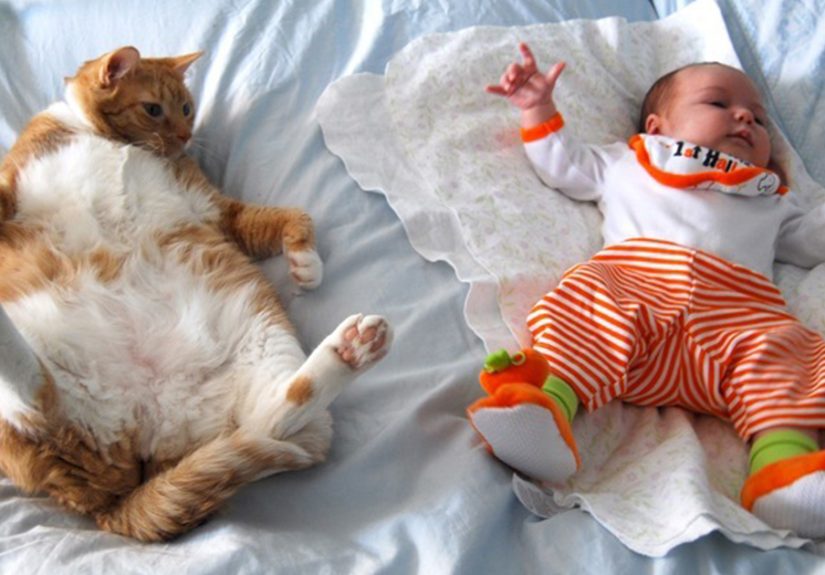
If you have ever seen a photo of a sleepy toddler curled up next to a cat who looks like a tiny, whiskered security guard, you already understand the emotional argument here. It is powerful. It is fuzzy. It may also be sitting directly on someone’s homework. And yet, beneath the cuteness overload, there is a real reason these images hit so hard: they capture something families recognize immediately. A good cat can become part comfort object, part life coach, part household comedian, and part furry supervisor who somehow knows exactly when a child needs company.
Now, let’s be fair. Not every family needs a cat in the same way it needs groceries, sleep, or a decent stain remover. And not every cat is auditioning to become your child’s best friend. But when the fit is right, a family cat can bring something wonderfully specific into a home: quiet companionship, lessons in empathy, daily routine, and a surprising amount of joy packed into one small creature with dramatic opinions about tuna.
That is what those “50 adorable photos” really prove. They do not prove that every child should be handed a kitten immediately and left to negotiate. They prove that when kids and cats bond well, the relationship can be warm, funny, grounding, and deeply memorable. The photos are cute. The real-life value is even better.
What Those 50 Adorable Photos Really Capture
They turn ordinary family moments into something special
One of the best things about a cat is that it often becomes part of the background music of childhood. A cat on the windowsill while your child builds a blanket fort. A cat weaving between small ankles at breakfast. A cat supervising crayons, Legos, chapter books, and the occasional emotional collapse over math. These are not headline-making moments, but they are the texture of family life. Cats have a way of slipping into daily routines until they feel less like pets and more like tiny, opinionated roommates in fur coats.
They show kids learning to understand another living being
Dogs often teach kids enthusiasm. Cats often teach them observation. That is not a small thing. Cats communicate with posture, movement, boundaries, and mood shifts. A child learns pretty quickly that a flicking tail means “maybe not right now,” a purr can mean comfort, and a hiding cat should be left alone. That kind of attention builds perspective-taking. In plain English, kids start learning that love is not just squeezing something because it is cute. Love is noticing what another creature needs.
They make tenderness look natural
There is a reason photos of children with cats spread so quickly. They show softness without being overly polished. A kid reading aloud while a cat sleeps nearby. A child carefully setting down a treat. A sibling pair giggling because the family cat just sat in a cardboard box that cost zero dollars and somehow won over the whole room. These scenes feel wholesome because they are rooted in something real: mutual comfort.
Why A Cat Can Be Great For Kids
Companionship without constant pressure
Many parents assume a child needs a dog for the full “pet experience,” but cats bring a different kind of companionship that can be just as meaningful. Cats are often present without being overwhelming. They can sit nearby while a child colors, reads, or calms down after a rough day. For some kids, especially those who are shy, sensitive, or easily overstimulated, that lower-pressure companionship can be a gift. A cat can be there without demanding a full backyard sprint and a three-act performance.
Cats can help children practice empathy
One of the strongest arguments for kids growing up with pets is that care becomes visible. Food must be given. Water must be refreshed. Litter must be maintained by adults or older children. Playtime matters. Rest matters too. Over time, children start understanding that another creature depends on the family’s consistency. That creates a natural opening for empathy. Kids are not just being told to be kind; they are being given a daily, living reason to practice kindness.
And because cats have boundaries, they can be especially good teachers. A child learns that affection is not automatic. Trust is built. Gentle behavior gets better results than chaotic behavior. Honestly, that lesson would improve half of adulthood too.
They add routine in a way kids can understand
Children benefit from rhythms they can count on, and cats are deeply committed to routines. Sometimes hilariously committed. Feed a cat five minutes late once and you will be treated like a negligent hotel manager. For kids, that predictability is useful. Morning feeding, evening play, brushing days, refill-the-water-bowl moments, and “let’s check where the cat is hiding” rituals all help create structure. Even small responsibilities can give children a sense of contribution.
They encourage language and imagination
Anyone who has ever listened to a child talk to a cat knows this instantly: cats are excellent audience members. Kids narrate what the cat is doing, invent stories, read books out loud, and assign personalities that range from “princess detective” to “grumpy loaf inspector.” That kind of interaction encourages conversation, storytelling, and emotional expression. A cat becomes both companion and creative partner, even if the cat’s main artistic contribution is sitting on the paper.
Why Cats Often Work Well In Modern Family Life
They can fit smaller homes and busier schedules
Not every family has a big yard, endless free time, or the energy for long daily walks. That does not mean a family cannot be a great pet home. Cats often adapt well to apartments, townhomes, and houses where space is used thoughtfully. They still need enrichment, attention, and veterinary care, of course, but for many families, a cat is a more realistic match than a pet that needs constant outdoor exercise.
They can be playful without being chaotic
Cats are funny because they can go from elegant philosopher to airborne noodle in about three seconds. That kind of play is gold for children. Wand toys, puzzle feeders, treat hunts, cardboard forts, tunnels, and climbing spots make a home feel interactive. The beauty is that cat play can happen in short bursts. Ten focused minutes with a feather toy can be more satisfying than an hour of random chaos. Kids love it, and cats usually do too.
Adoption gives families more choice than they realize
When people picture bringing home a cat, they often picture a kitten. But kittens are adorable tornadoes with whiskers. Many families actually do better with an older kitten or adult cat whose temperament is easier to assess. Shelters and rescues can help match families with cats that have already lived with children, are more social, or are known to be calm. That matters. The best family cat is not always the tiniest one. It is the one whose personality fits your household.
What Parents Should Think About Before Bringing Home A Cat
Age and maturity matter
This is where the cute-photo fantasy meets real parenting. Younger children can absolutely grow up with cats, but supervision is essential. Very young kids may not understand that a cat is not a stuffed animal with better balance. They pull, chase, corner, and squeeze. None of that helps build trust. Parents need to be ready to model gentle touch, calm voices, and respectful space. If your child is old enough to understand “let the cat come to you,” you are in much better shape already.
Temperament matters more than aesthetics
Choosing a cat based only on appearance is how families end up shocked that their dreamy-looking pet is actually a part-time goblin. Temperament is everything. Look for a cat that is confident without being confrontational, social without being clingy, and comfortable with normal household movement and sound. A good rescue or shelter will help you think in these terms. That is exactly what you want.
Safety rules are not optional
Every family cat setup should include a few basic non-negotiables. Children should be supervised around cats, especially during the early stages. Rough play should be avoided. Cats need escape routes and quiet spaces where children are not allowed to bother them. Litter boxes should be placed away from food areas and out of reach of small children. Handwashing after handling pets is a smart family habit. Scratches and bites need immediate cleaning and adult attention. None of this is dramatic. It is just competent pet parenting.
Allergies can change the conversation
Here comes the less adorable but very important part: some children and adults are allergic to cats. And no, there is not a magic truly hypoallergenic cat that floats through life leaving behind only purity and good vibes. Families with allergy concerns should think carefully before adopting. Managing exposure may involve keeping the cat out of bedrooms, washing hands after contact, cleaning hard surfaces often, brushing and grooming strategically, and talking with a medical professional when symptoms are significant. Love may be powerful, but so is dander.
Cats still need enrichment, not just floor space
One common mistake is assuming cats require so little that they will simply decorate the house and occasionally meow. In reality, bored cats invent hobbies, and those hobbies may involve scratching furniture, knocking objects off shelves, or conducting 3 a.m. track-and-field events across the hallway. A family cat needs scratching posts, play sessions, puzzle toys, hiding spots, and vertical space. A happy cat is usually a better-behaved cat, which is excellent news for both your sofa and your sanity.
How To Help Kids And Cats Bond The Right Way
Teach the three golden rules
- Let the cat come to you.
- Pet gently, especially on safe, calm areas like the back or cheeks if the cat enjoys it.
- Leave the cat alone when it is eating, sleeping, hiding, or clearly done with the conversation.
Those three rules solve a surprising number of problems. They also help children learn that friendship with animals is based on trust, not ownership.
Give kids real jobs, not pretend jobs
Children bond faster when they have practical ways to help. Depending on age, that may include carrying a measured scoop of food with a parent, refreshing water, choosing the toy for evening play, helping brush the cat if the cat enjoys it, or reading beside the cat during quiet time. These are small actions, but they create investment. A child begins to feel, “This cat is part of our family, and I help take care of our family.”
Make the home cat-friendly and child-friendly
The best family setup protects both parties. A cat should have high places, quiet corners, scratching surfaces, and consistent routines. Kids should have clear guidance and a few reminders repeated more times than you expected because that is how parenting works. When the environment is designed well, the relationship gets easier. There is less conflict, less fear, and a lot more relaxed coexistence.
So, Do Your Kids Need A Cat?
Not in the biological sense, no. Your kids can survive without a cat. They can also survive without ever seeing a grilled cheese sandwich shaped like a dinosaur, and yet here we are. The better question is whether a cat could add something meaningful to your home. For many families, the answer is yes.
A cat can help children practice empathy, respect, consistency, and patience. A cat can make a home feel warmer and more alive. A cat can become the soft witness to childhood: there during bedtime stories, sick days, snow days, homework slumps, birthday mornings, and the weird little Tuesdays that later become the memories everyone misses. That is what those adorable photos are really saying. Not “go adopt irresponsibly because the internet said so,” but “when the match is right, this bond is the real deal.”
So if your family has the time, temperament, budget, and readiness to care for a cat well, then yes, there is a strong case to be made. Your kids may not just want a cat. They may genuinely benefit from growing up with one. And your camera roll will probably never recover.
Experience: What Life With Kids And A Cat Really Feels Like
At first, the change can feel small. A food bowl in the kitchen. A scratching post in the corner. A mysterious new creature under the couch evaluating everyone like a suspicious landlord. Then, slowly, the cat stops being “the pet” and becomes part of the emotional weather of the house. Kids start checking for the cat before they check for their shoes. They learn the favorite nap spots. They whisper updates like sports reporters: “She’s in the sun patch,” or “He followed me into my room again.”
One of the most unexpected parts of having a cat with kids is how much softer the house can feel. Not quieter, because kids are still kids and cats are occasionally tiny chaos goblins, but softer. A child who storms off after a hard day may calm down faster when a cat settles at the foot of the bed. A kid who feels lonely after school may have a companion before any adult is fully available. There is something deeply comforting about an animal that does not ask for a perfect performance. It just shows up, blinks slowly, and shares the room.
The funny moments matter too, maybe more than parents expect. Kids laugh harder with cats around. They laugh when the cat sits in a laundry basket like it paid rent. They laugh when the grand, dramatic toy you bought is ignored in favor of a cardboard box. They laugh when the cat interrupts a video call, sprawls across a worksheet, or stares at the wall like it has received classified information. Those little absurd moments become family folklore. Years later, nobody remembers exactly what happened on a random Thursday, but everybody remembers the day the cat stole a chicken nugget and ran like a bandit.
There are harder lessons wrapped inside the sweet ones. Kids learn that love includes boundaries. They learn that forcing affection usually backfires. They learn that care happens even when they are tired or distracted. Feedings still happen. Water still needs filling. Toys still need putting away. Those tiny repeated actions are not glamorous, but they shape character in a very real way. Responsibility looks less like a lecture and more like a bowl being filled because somebody depends on you.
And then there is the attachment. It sneaks up on everyone. The cat who once hid under furniture is suddenly in family photos, in holiday stories, in bedtime routines, in the emotional architecture of the home. Your child starts describing the cat’s moods with eerie accuracy. The cat starts greeting one child at the door and sleeping near another at night. A relationship forms, quietly and steadily, until it feels impossible to imagine the house without that furry presence somewhere in the frame.
That is why the “adorable photo” idea works so well. The best photos are not just cute. They are evidence of shared life. They capture trust, routine, humor, comfort, and belonging. When a child grows up with a well-matched cat, the relationship often becomes bigger than anyone expected. It is not just about having a pet. It is about having a gentle, memorable companion woven into the story of childhood.