Table of Contents >> Show >> Hide
- Why a Vending Machine Double-Drop Feels Like Winning the Lottery (Mini Version)
- The Big History Behind a Tiny Moment
- The Psychology of “Awesome” in One Unexpected Snack
- Vending Machine Etiquette: How to Enjoy the Win Without Becoming a Legend for the Wrong Reason
- Why #860 Still Works So Well as a “1000 Awesome Things” Entry
- Conclusion
- Extra Experiences: 500+ Words on Why This Tiny Moment Feels So Big
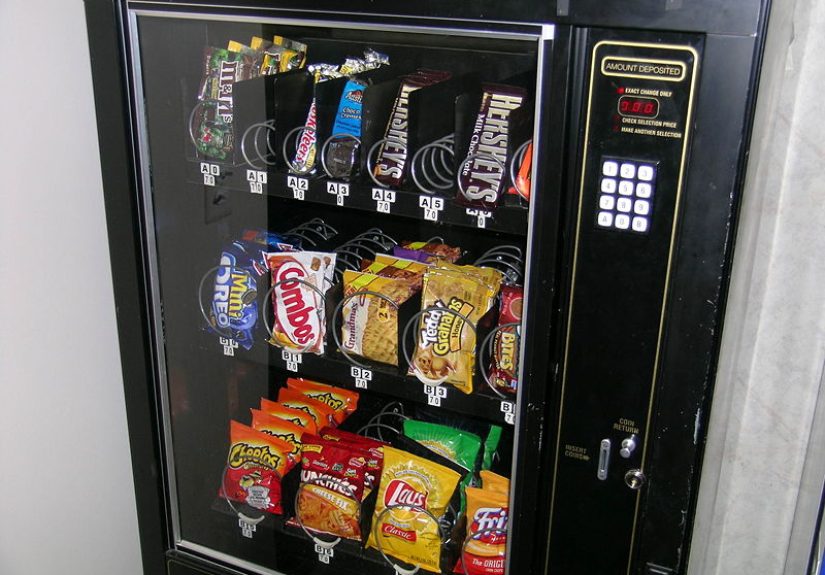
There are big wins in life, and then there are vending machine wins. You know the one: you paid for one snack, the spiral turns, your chips drop… and thenlike a tiny miracle sponsored by sodium and gravitya second item tumbles down too. Suddenly you’re not just buying a snack. You’re starring in your own feel-good movie.
That exact kind of everyday surprise is the heart of Neil Pasricha’s 1000 Awesome Things universe, and #860 nails it: “When the vending machine gives you two things instead of one.” It’s funny because it’s true. It’s relatable because almost everyone has had some version of it. And it sticks because it reveals something deeper: humans absolutely love tiny, unexpected upgrades.
In this article, we’ll unpack why this little moment feels so weirdly great, what science says about surprise rewards, how vending machines became such a familiar part of American life, and how to enjoy the moment without becoming the person who rocks the machine and ruins everyone’s day. We’ll also end with a longer “experience” section full of real-life style scenarios that capture why this tiny event deserves a spot on any list of awesome things.
Why a Vending Machine Double-Drop Feels Like Winning the Lottery (Mini Version)
It’s the perfect surprise reward
The magic of the double-drop is simple: you expected one thing and got two. That gap between expectation and result is where the joy lives. In behavioral science and neuroscience, “better than expected” outcomes tend to hit harder than routine rewards. In normal human language: your brain loves a bonus.
A vending machine usually feels predictable. You tap a button, you get your snack, you move on. So when the machine accidentally becomes generous, it breaks the script. And the brain pays attention to broken scripts. That tiny surprise gives the moment a sparkpart luck, part comedy, part “I can’t believe that just happened.”
It feels earned and gifted at the same time
A free snack from a friend is nice. A discount coupon is nice. But a vending machine double-drop is a different flavor of joy because it feels like a mix of earned and unearned. You did pay for something. You followed the rules. And then the universe added a little tip.
That’s why people react with a grin instead of a shrug. It feels like a tiny cosmic refund, a snack-sized pat on the back, or a very low-budget jackpot. It’s not life-changing, but it’s mood-changing. And honestly, that counts for a lot on a long workday.
It creates an instant story
Great little moments become stories because they’re easy to retell:
- “I only paid for one.”
- “It dropped two!”
- “Then my coworker tried and got nothing.”
There’s conflict, surprise, and a punchline. That’s a complete social package in under 10 seconds. In other words, the vending machine didn’t just give you extra chipsit gave you content.
The Big History Behind a Tiny Moment
Vending machines are older than they look
Modern vending machines feel like a 20th-century office invention, but the basic idea is ancient. Smithsonian reporting on early technology points to Hero of Alexandria and describes a first-century device that dispensed liquid when a coin tipped a leverbasically the original “insert coin, receive item” concept. Even better, it was used to distribute holy water. So yes, the vending machine has been dramatic from day one.
The mechanism was mechanical, clever, and surprisingly familiar: coin goes in, balance shifts, plug lifts, liquid comes out. If that sounds like the ancestor of your hallway snack machine, that’s because it is.
America turned vending into everyday life
According to the Smithsonian’s National Museum of American History, vending machines debuted in the United States in 1888 when the Thomas Adams Gum Company installed gum machines on New York City subway platforms. That’s such a perfect American start: transit + convenience + gum.
From there, vending became part of the background rhythm of daily lifeoffices, schools, factories, hospitals, hotels, rest stops, and apartment laundries. You may not remember every machine you’ve ever used, but your brain definitely remembers the best moments, especially the accidental two-for-one.
The industry is bigger (and more modern) than most people think
Vending can feel old-school, but the U.S. industry is still huge and evolving. Recent industry reporting from NAMA shows full-line vending operators still manage thousands of machines on average, food-and-beverage vending remains a multibillion-dollar category, and cashless payments now account for a large majority of transactions. Translation: the machines still matter, and they’re getting smartereven when they still randomly launch a second granola bar like it’s 1997.
That mixmodern payment systems, old mechanical delivery, and occasional chaosis exactly why vending machines remain so lovable. They are technology, but they are also tiny mystery boxes.
The Psychology of “Awesome” in One Unexpected Snack
Small pleasures really do matter
This is the part that makes #860 more than a joke. Small pleasures are not just cutethey can genuinely improve your day. Health and well-being experts have repeatedly emphasized that noticing everyday enjoyable moments can support happiness. If you pause long enough to appreciate small wins, your day often feels less like a checklist and more like a life.
A double-drop snack moment is a perfect “micro-joy” because it’s immediate, concrete, and low-stakes. No planning. No travel. No app. Just one tiny surprise that gives your mood a little lift.
Savoring turns a 3-second event into a mood boost
Here’s the trick: the event itself is fast, but the joy can last longer if you savor it. That means noticing it, laughing about it, maybe sharing it with someone, and letting it be a good moment instead of rushing past it.
The same way people savor a great first sip of coffee or a perfect weather day, you can savor a vending machine miracle. Is it ridiculous? Absolutely. Is it effective? Also yes.
Why unpredictability makes it memorable
In reward-learning research, “better than expected” outcomes tend to grab attention. That doesn’t mean your brain needs a massive prize to care. It just needs a surprising mismatch: you predicted one snack, reality delivered two.
That’s also why the same thing feels less exciting if it happens every day. The surprise is the point. If your vending machine always gave two items, that would stop being “awesome” and start being “maintenance.”
Vending Machine Etiquette: How to Enjoy the Win Without Becoming a Legend for the Wrong Reason
Rule #1: Don’t rock the machine
This part matters. Vending machines are heavy, and rocking or tilting them is genuinely dangerous. U.S. safety warnings have documented serious injuries and deaths from people trying to shake loose products or money. So if your snack gets stuck, do not body-check the machine like you’re in a playoff game.
The extra snack is awesome. A tipped machine is not. Celebrate luckdon’t force it.
Rule #2: If you got a bonus, just enjoy it
Most people instinctively look around when the second item drops, as if an invisible referee is about to blow a whistle. But in everyday situations, this is just a harmless machine error in your favor. You didn’t exploit anything. You didn’t hack it. You pressed B7 and the machine chose joy.
If you’re in a workplace or school and the machine clearly malfunctions in a bigger way (charging people without dispensing, repeated issues, etc.), report it. But a one-time bonus? Smile. Share. Proceed.
Rule #3: Make better choices when vending is a daily habit
If vending machines are part of your regular routine, the fun doesn’t have to disappearyou just want a smarter baseline. U.S. public health guidance on snacking and added sugars is pretty practical: choose more nutrient-dense snacks when you can, and keep an eye on added sugar, sodium, and saturated fat.
In real life, that means:
- Choose nuts, popcorn, or lower-sugar options when available.
- Use visible calorie info (now common on many machines) to compare quickly.
- If you want candy, enjoy itjust don’t make it the default every afternoon.
- Pair a smaller snack with water when possible.
The goal is not to become a vending monk. The goal is to keep the fun and avoid turning “tiny treat” into “daily sugar ambush.”
Why #860 Still Works So Well as a “1000 Awesome Things” Entry
It celebrates ordinary life, not performative life
One reason this entry still feels fresh is that it captures a kind of joy you can’t really stage. You can’t plan it. You can’t optimize it. You can’t post a tutorial titled “How to Make a Vending Machine Give You Two Things (Guaranteed).” It either happens or it doesn’t.
That makes it the opposite of algorithmic happiness. It’s a tiny, unrepeatable, everyday accidentand that’s what makes it human.
It’s universal across ages and places
Office workers, students, nurses on break, night-shift crews, road-trippers, airport travelersbasically anyone who has stood in front of a humming machine and thought, “Please don’t get stuck”can relate. The setting changes, but the reaction is the same: surprise, laughter, immediate inventory check.
“Do I keep both?”
“Do I split one?”
“Do I pretend I meant to buy two?”
That tiny internal debate is part of the charm.
It trains your brain to notice what’s going right
The deeper lesson of #860 is not about snacks. It’s about attention. When you start noticing small good things, your day gets richer without changing your budget, schedule, or zip code.
The vending machine double-drop is a goofy example, but it points to a serious skill: spotting little moments of delight before they vanish. A lucky green light. The exact song you wanted on shuffle. Finding fries at the bottom of the bag. A machine giving you two things instead of one.
Life is still life. Bills exist. Emails multiply. But the day feels different when you’re collecting tiny wins instead of only tracking big problems.
Conclusion
“When the vending machine gives you two things instead of one” is a perfect 1000 Awesome Things entry because it takes something ordinary and reveals why it feels extraordinary. It’s a surprise reward, a mini story, a social moment, and a reminder that joy often hides in places we stop looking.
The best part is that #860 isn’t really about vending machines. It’s about the psychology of little upgradesthose moments when reality is just slightly kinder, funnier, or more generous than expected. And once you start noticing those moments, they show up everywhere.
So the next time the spiral turns and two snacks drop instead of one, take a second before you walk away. Laugh. Tell someone. Maybe share the bonus. Maybe keep it. No judgment.
Just don’t shake the machine.
Extra Experiences: 500+ Words on Why This Tiny Moment Feels So Big
Let’s talk about the real-world experiences that make #860 feel legendary. Not “headline news” legendarymore like “I’m still talking about this at dinner” legendary.
Picture a Tuesday at 3:17 p.m. You’ve answered emails for six hours, your brain is made of spreadsheet dust, and you walk to the vending machine because you need a reset. You press the button for pretzels. The machine hums like a sleepy robot. One bag drops. Then a second one slides off the edge and falls on top of it. For about half a second, you just stare. You are not excited because of pretzels. You are excited because the universe finally stopped taking and started giving.
Or maybe it happens at school. You and a friend pool your last few dollars for one snack before practice. The machine drops two. Suddenly there’s no “split it in half” negotiation. You each get one. The mood changes instantly. The machine didn’t just dispense foodit prevented a low-stakes friendship treaty crisis.
One of the funniest parts of these moments is how fast people become philosophers. The second item drops and everyone nearby has an opinion:
- “That means it was meant to be.”
- “No, that means the machine is broken.”
- “Try again. Maybe it’s blessed.”
- “Don’t touch anything. You used up your luck.”
The airport version is even better. Airports are expensive, stressful, and weirdly emotional. If an airport vending machine gives you a bonus snack, it feels less like a glitch and more like a travel rebate. You just paid nine dollars for trail mix and sparkling water, and now the machine tosses in an extra granola bar? That’s not a malfunction. That’s customer service from another dimension.
Then there’s the hospital or office-night-shift versionthe one that hits hardest. The building is quiet. You’re tired. Maybe you’re waiting, working, or helping someone through a long day. You buy a snack mostly because it gives you an excuse to stand up and breathe for a minute. When two items drop, it feels strangely comforting. Not because the snack is magical, but because the surprise breaks the heaviness for a second. It gives people something small and silly to smile about.
These moments also stick because they invite generosity. A lot of people immediately give away the extra item. That turns a random machine glitch into a social win: “Hey, want this? The machine doubled me up.” It’s a tiny act, but it lands. A bonus snack shared at the right moment can feel like excellent timing, good manners, and luck all rolled together.
And of course, there’s the personal mythology that follows. Once it happens to you, you start believing in that machine a little. You choose it over the one downstairs. You defend it in conversations. “No, no, use the second-floor machine. It’s the generous one.” You know it’s irrational. You also know you’re absolutely going to press the same button next time just in case.
That’s why #860 endures. It captures a tiny experience that becomes bigger in memory: part snack, part surprise, part story, part shared human joy. It’s not about getting more stuff. It’s about getting a little unexpected goodness right when you needed it.