Table of Contents >> Show >> Hide
- Why Food Matters for Cholesterol
- 13 Cholesterol-Lowering Foods to Put on Your Plate
- 1. Oats
- 2. Barley and Other High-Fiber Whole Grains
- 3. Beans, Lentils, and Chickpeas
- 4. Nuts
- 5. Seeds, Especially Flaxseed and Chia
- 6. Fatty Fish
- 7. Avocados
- 8. Extra-Virgin Olive Oil
- 9. Soy Foods
- 10. Apples, Citrus, and Berries
- 11. Okra, Eggplant, and Brussels Sprouts
- 12. Plant Sterol- or Stanol-Fortified Foods
- 13. Psyllium Husk
- How to Make These Foods Work Better
- Common Mistakes to Avoid
- Final Thoughts
- Real-Life Experiences With Cholesterol-Lowering Foods
- SEO Tags
If your cholesterol numbers have started acting like they pay rent in your lab report, your plate may be one of the best places to begin fixing the problem. No, this is not a dramatic breakup letter to every food you love. It is more like a smart pantry makeover. The right foods can help lower LDL, the so-called “bad” cholesterol, while supporting better heart health overall. And the best part? Many of them are affordable, easy to find, and far more enjoyable than a lecture from your doctor.
Here is the big idea: cholesterol-friendly eating is not about hunting for one magical ingredient with superhero music playing in the background. It is about building meals around foods rich in soluble fiber, unsaturated fats, and plant-based nutrients while cutting back on saturated and trans fats. That means your breakfast, lunch, dinner, and even your snack drawer can work a little harder for your heart.
Below, you will find 13 cholesterol-lowering foods worth adding to your routine today, plus practical ways to use them without turning every meal into bland “health food.” Your heart can keep the rhythm, and your taste buds do not need to file a complaint.
Why Food Matters for Cholesterol
LDL cholesterol can build up in artery walls over time, forming plaque that raises the risk of heart disease and stroke. Food choices matter because they influence how much cholesterol your body absorbs, how your liver processes fats, and how much saturated fat and fiber show up in your daily routine. In plain English, your meals can either help clean up the mess or quietly add to it.
Foods that lower cholesterol usually work in one of three ways. Some provide soluble fiber, which helps trap cholesterol in the digestive tract. Others offer unsaturated fats, which can improve your lipid profile when they replace saturated fats. A third group contains plant sterols or stanols, naturally occurring compounds that help block cholesterol absorption. Put them together consistently, and your diet starts looking less like random eating and more like a strategy.
13 Cholesterol-Lowering Foods to Put on Your Plate
1. Oats
Oatmeal has earned its heart-healthy reputation for a reason. Oats are rich in beta-glucan, a type of soluble fiber that helps reduce LDL cholesterol. They are also easy to work into real life, which is a major advantage. A nutrition plan only works if it survives Monday morning.
Try a bowl of oatmeal for breakfast, add rolled oats to smoothies, or use oats in homemade muffins with less added sugar. Overnight oats are also great for busy mornings when your ambition is low but your cholesterol goals are high.
2. Barley and Other High-Fiber Whole Grains
Barley does not get the same celebrity treatment as oats, but it deserves a standing ovation. Like oats, barley contains soluble fiber that can help lower LDL. Other whole grains support heart health too, especially when they replace refined grains and buttery side dishes.
Use barley in soups, grain bowls, or cold salads. Swap white rice for barley once or twice a week. It has a pleasantly chewy texture, which makes lunch feel a little less sad and a lot more satisfying.
3. Beans, Lentils, and Chickpeas
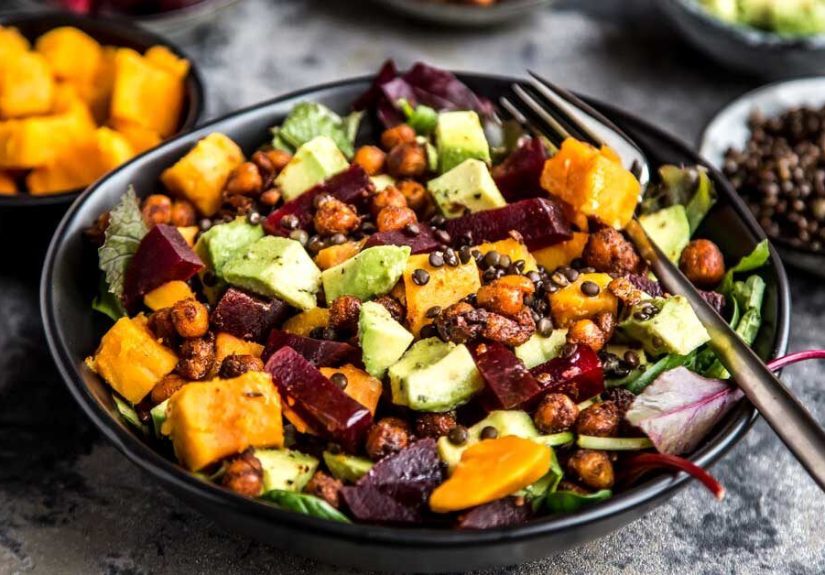
Beans and legumes are one of the most practical cholesterol-lowering foods around. They are high in fiber, rich in plant protein, budget-friendly, and versatile enough to show up in soups, stews, salads, tacos, and pasta dishes. This is what nutrition professionals mean when they say a food “checks all the boxes.”
Black beans, kidney beans, cannellini beans, lentils, and chickpeas can help you eat less red and processed meat, which matters because lowering saturated fat is a key part of improving cholesterol. Even one meatless meal a few times a week can make your overall pattern more heart-friendly.
4. Nuts
Almonds, walnuts, pistachios, and other nuts offer healthy fats, fiber, and plant compounds that support heart health. They are energy-dense, so portion awareness matters, but they are still one of the smartest snack upgrades you can make.
The trick is substitution. A handful of nuts instead of chips, pastries, or processed snack bars is where the benefit starts to shine. Sprinkle chopped walnuts on oatmeal, add sliced almonds to yogurt, or keep single-serve portions on hand so your “small snack” does not become a full-blown nut festival.
5. Seeds, Especially Flaxseed and Chia
Flaxseed and chia seeds are small but nutritionally ambitious. They provide fiber and plant-based omega-3 fats, making them useful additions to a cholesterol-conscious diet. Ground flaxseed is especially easy to mix into foods without changing flavor too much.
Stir chia seeds into overnight oats, blend ground flaxseed into smoothies, or sprinkle either one over yogurt and cereal. Think of them as backup singers for the healthier foods already on your plate. They may not take center stage, but they make the whole performance better.
6. Fatty Fish
Salmon, sardines, trout, tuna, and mackerel are often recommended for heart health because they provide omega-3 fatty acids. Omega-3s do not magically erase LDL, but they support heart health and can help improve triglyceride levels. More importantly, fish often replaces higher-saturated-fat proteins like bacon, sausage, and marbled red meat.
Aim for baked, grilled, or broiled fish instead of deep-fried options. Canned salmon or sardines can also be practical pantry staples. Fancy cooking skills are optional. A squeeze of lemon and a hot oven still count.
7. Avocados
Avocados bring monounsaturated fats and fiber to the table, which is a pretty impressive résumé for something that is also good on toast. When used in place of butter, cream cheese, or mayonnaise-heavy spreads, avocado can help make meals more cholesterol-friendly.
Slice avocado onto sandwiches, mash it into bean wraps, or add cubes to grain bowls and salads. Just remember that “healthy fat” is still fat, so moderation helps. Half an avocado is usually plenty unless you are feeding the whole brunch group.
8. Extra-Virgin Olive Oil
Olive oil is a classic heart-smart fat because it is rich in monounsaturated fats. It is most helpful when it replaces solid fats like butter, shortening, or coconut oil in your routine. In other words, what it replaces matters just as much as what it contains.
Use olive oil in salad dressings, roasted vegetables, marinades, and sautéed dishes. Drizzling it over cooked beans or whole grains can make humble ingredients taste much more exciting, which is important because sustainable healthy eating should not feel like punishment.
9. Soy Foods
Soy foods such as tofu, edamame, soy milk, and tempeh can be smart additions to a cholesterol-lowering eating pattern. Part of the benefit comes from the soy itself, and part comes from what soy often replaces: fattier meats and processed convenience foods.
Try edamame as a snack, use tofu in stir-fries, or swap part of the meat in a recipe with crumbled tempeh or soy crumbles. No, tofu does not have to taste like wet cardboard. Seasoning exists. Marinades exist. Hope exists.
10. Apples, Citrus, and Berries
Fruits rich in soluble fiber, especially apples and citrus, can support healthier cholesterol levels. Berries also fit beautifully into a heart-healthy eating pattern thanks to their fiber and overall nutrient density. Fruit is not just dessert pretending to be virtuous. It can be a genuinely strategic part of your diet.
Eat an apple with peanut butter, keep oranges around for easy snacks, or add berries to oatmeal and yogurt. Whole fruit is usually the better play than juice because you keep the fiber instead of sipping mostly sweetness.
11. Okra, Eggplant, and Brussels Sprouts
These vegetables are especially useful because they provide fiber, including the kind that helps support cholesterol management. Okra and eggplant are often highlighted in cholesterol-friendly eating patterns, and Brussels sprouts bring another fiber-rich option that works well in everyday meals.
Roast Brussels sprouts until they caramelize, add okra to soups and stews, or grill eggplant with olive oil and herbs. The goal is not to suffer through vegetables you hate. The goal is to find at least two or three preparations you would gladly eat again.
12. Plant Sterol- or Stanol-Fortified Foods
Some products, including certain spreads, yogurts, and juices, are fortified with plant sterols or stanols. These compounds help block cholesterol absorption and can be especially helpful for people trying to lower LDL more aggressively through diet. This is one of the few times a food label can feel like useful detective work instead of alphabet soup.
If you use fortified products, follow serving guidance and keep expectations realistic. They work best as part of a broader healthy eating pattern, not as a “cancel out my cheeseburger” loophole.
13. Psyllium Husk
Psyllium is not glamorous, but it is effective. It is a soluble fiber found in some fiber supplements and high-fiber cereals. For people who struggle to hit fiber goals through food alone, psyllium can help fill the gap.
You can stir psyllium into water or look for cereals that include it, but start slowly and increase fluids as you go. Too much fiber too fast can make your digestive system stage a noisy protest. Slow and steady wins this race.
How to Make These Foods Work Better
Adding cholesterol-lowering foods helps, but what you remove or replace matters just as much. A bowl of oatmeal in the morning is great. Oatmeal followed by an all-day parade of fried foods and butter-soaked snacks is less impressive. The strongest results usually come from combining smart additions with smart swaps.
Use “Add and Replace” Thinking
Instead of obsessing over restriction, focus on replacement. Swap butter for olive oil. Replace some red meat with beans or fish. Trade refined snacks for nuts and fruit. Use avocado instead of heavy creamy spreads. This approach feels more realistic, and realistic beats perfect every single time.
Build Meals Around a Pattern
A cholesterol-friendly day might look like oatmeal with berries and chia seeds for breakfast, a barley and chickpea salad with olive oil for lunch, yogurt with walnuts for a snack, and baked salmon with Brussels sprouts for dinner. That is not a “diet food” day. That is just a well-built menu.
Remember the Bigger Picture
Food is powerful, but it is not the only factor. Physical activity, body weight, smoking status, genetics, and certain health conditions also affect cholesterol. Some people can make meaningful improvements with lifestyle changes alone, while others also need medication. That is not failure. That is how biology works.
Common Mistakes to Avoid
One common mistake is assuming that any food labeled “natural” or “organic” must be heart-healthy. Cookies made with organic cane sugar are still cookies. Another mistake is overdoing healthy fats. Olive oil, nuts, and avocado are excellent choices, but they still bring calories, so portions matter. A third mistake is expecting change overnight. Cholesterol responds to patterns, not heroic single salads.
Also, do not forget sodium and added sugar. While they do not directly play the same role as saturated fat in LDL management, overall heart health improves when your whole diet gets cleaner, not just one number on your lab sheet.
Final Thoughts
If you want to lower cholesterol with food, start with consistency rather than perfection. Oats, beans, nuts, seeds, fatty fish, olive oil, avocados, soy foods, fruits, vegetables, and plant sterol-rich choices all have a place in a heart-smart routine. Add them gradually, use them to replace less helpful foods, and build meals you actually enjoy.
In other words, do not wait for a dramatic Monday reset, a fancy supplement, or a refrigerator full of foods you do not know how to cook. Start with one breakfast, one grocery trip, and one better swap. Your heart does not need a miracle. It needs a pattern.
Real-Life Experiences With Cholesterol-Lowering Foods
In real life, people rarely wake up and say, “Today I become a flawless fiber enthusiast.” Most start much smaller. They switch breakfast first. A person who used to grab a buttery pastry on the way to work tries oatmeal with berries three mornings a week. At first, it feels suspiciously healthy. By week two, it feels convenient. By week three, they notice they are fuller longer and less likely to attack the vending machine at 10:30 a.m. That is how many lasting habits begin: not with fireworks, but with repeatable routines.
Another common experience happens at lunch. Someone replaces a deli meat sandwich and chips with lentil soup, fruit, and a handful of nuts. They do not do it every day because life is messy and lunch meetings exist, but they do it often enough to feel a difference. The meal is more filling, afternoon energy is steadier, and the “I need a nap and possibly a personality transplant” slump starts showing up less often.
Families often notice that cholesterol-friendly eating works best when it does not feel like medical homework. Roasted Brussels sprouts with olive oil and garlic tend to win more fans than plain steamed vegetables with no seasoning and a side of disappointment. Salmon becomes more popular when it is served with lemon, herbs, and crispy edges instead of a lecture. Even beans go from “healthy obligation” to “actually good” when they appear in chili, tacos, soups, and grain bowls instead of sitting alone in a sad container.
Many people also discover that substitution is easier than elimination. Swapping butter for olive oil in cooking feels manageable. Replacing one or two meat-heavy dinners each week with chickpea curry, black bean tacos, or tofu stir-fry feels doable. Using avocado on sandwiches instead of mayonnaise starts to feel normal surprisingly fast. This matters because sustainable changes are the ones people stop noticing as “changes.” They just become how the kitchen works.
There is also a psychological shift that comes with these foods. When people begin focusing on what they can add instead of everything they think they should avoid, the process feels less punishing. The grocery cart looks colorful instead of restricted. The menu feels strategic instead of joyless. That mindset can make the difference between a two-week health kick and a long-term habit that actually sticks.
Of course, experiences vary. Some people see noticeable cholesterol improvement after several months of consistent food changes. Others need a combination of diet, exercise, weight management, and medication because genetics are doing their own dramatic side plot. But even then, people often say the same thing: eating this way helps them feel more in control. Meals become part of the solution, not just background noise.
And maybe that is the most useful experience of all. Cholesterol-lowering foods are not punishment foods. They are normal foods with a job to do. When you learn how to use them well, the process feels less like “being on a diet” and more like finally giving your body a smarter routine. No cape required. Just a grocery list, a decent skillet, and the willingness to let oatmeal be a little more heroic than it looks.