Table of Contents >> Show >> Hide
- Why Horseback Riding Feels So Good
- The Fitness Benefits of Horseback Riding
- Is Horseback Riding Cardio?
- What Horseback Riding Is Especially Good For
- Beginner Tips for Getting Started
- Horseback Riding Safety Matters
- How to Make Horseback Riding Part of a Healthy Routine
- Who Might Love This Workout Most
- Final Thoughts
- Experience Section: What Horseback Riding Feels Like in Real Life
- SEO Tags
Some workouts make you feel like a hero. Others make you feel like a damp sock. Horseback riding usually lands in the first category. It gets you moving, pulls you outdoors, asks your brain to focus, and gives you a front-row seat to one of the best workout partners on Earth: a horse with opinions.
If you have ever wondered whether horseback riding counts as real exercise, the answer is yes, with a small asterisk and a friendly nudge. Riding can challenge your core, posture, balance, coordination, and lower body while also delivering the mental lift people often chase through walks, yoga, or gym time. But like any fitness activity, the benefits depend on how you ride, how often you ride, and whether you treat “sitting on a horse” as active participation or deluxe transportation.
This guide breaks down the physical and emotional benefits of horseback riding, what kind of fitness it actually builds, how beginners can get started safely, and why so many riders finish a lesson looking sweaty, happier, and slightly obsessed.
Why Horseback Riding Feels So Good
Horseback riding is one of those rare activities that asks for full-body attention without feeling like punishment. You are not just going through reps. You are communicating, adjusting, breathing, balancing, and reacting. That matters because exercise tends to feel more rewarding when it is engaging, and riding is basically multitasking with a mane.
From a mental wellness angle, horseback riding checks a lot of boxes. It gets you physically active, often outside, and usually away from screens, inboxes, and whatever fresh nonsense your phone had planned for you. Even a beginner lesson requires presence. You have to notice your posture, your reins, your horse’s rhythm, and where you are going. That kind of focused attention can feel refreshingly close to mindfulness, except with more dirt on your boots.
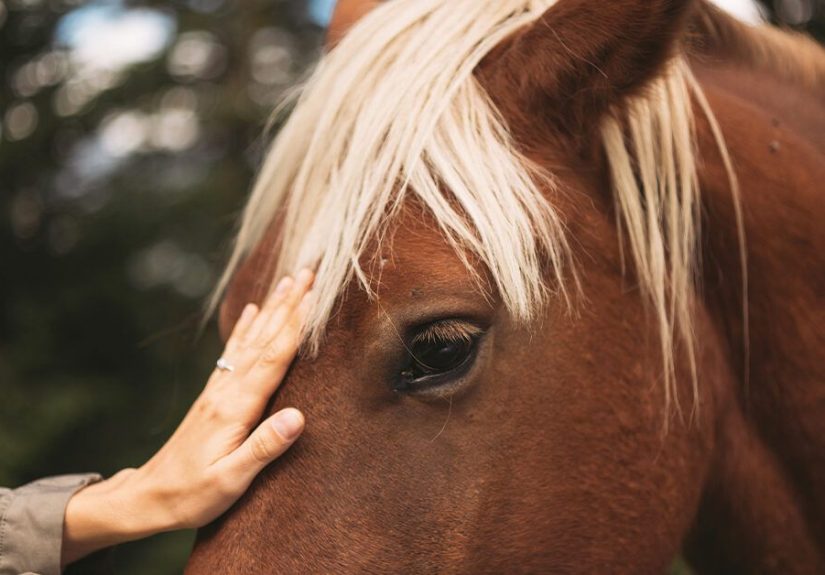
There is also the emotional side of working with a horse. Riders often talk about a sense of connection, confidence, and calm that is hard to duplicate on a treadmill. You learn to regulate yourself because horses respond to tension, hesitation, and confidence. In plain English, if you climb into the saddle carrying your entire chaotic week on your shoulders, the horse may politely suggest you get it together.
For many people, that combination of movement, concentration, and animal partnership is exactly why horseback riding earns the label feel-good fitness. It does not just train the body. It can reset the mood.
The Fitness Benefits of Horseback Riding
1. It challenges your core in a very honest way
Horseback riding can look graceful from the ground, but your torso knows the truth. Staying centered in the saddle requires ongoing core engagement. Your abdominal muscles, lower back, obliques, and deep stabilizing muscles all help you stay balanced as the horse moves beneath you. At the walk, trot, or canter, your body is constantly making small adjustments. It is less “do one crunch” and more “maintain dignity while moving with a thousand-pound animal.”
2. It builds balance and coordination
One of the standout benefits of horseback riding is balance. Riders have to respond to motion in multiple directions while keeping a stable upper body and an aligned seat. That is why riding can be useful for improving body awareness, posture, and coordination. If your regular exercise routine has been mostly sitting, typing, and wondering whether carrying groceries counts as strength training, riding can wake up muscles and movement patterns that have been off duty.
3. Your legs definitely get the memo
Your hips, inner thighs, glutes, hamstrings, and calves all work during horseback riding. Good position requires length through the leg, gentle stability through the thigh, and enough control to use your aids without clamping like a nervous koala. Riders who are new to the sport are often surprised by post-lesson soreness in the hips and thighs. That soreness is not a punishment. It is a reminder that “just sitting there” was, in fact, a myth.
4. It can improve posture
Good riding form encourages a tall spine, open chest, steady head, and neutral alignment through the torso. Over time, that can carry over into everyday life. People who spend long hours hunched over desks may notice that riding encourages a more upright posture and better body awareness. Your horse is not a chiropractor, but it may strongly motivate you to stop collapsing through one side.
5. It supports overall activity and healthy aging
Horseback riding may not replace every kind of exercise, but it can be an excellent part of an active lifestyle. It combines movement, coordination, concentration, and often a bit of walking, lifting, grooming, and barn activity. For adults who want exercise to feel meaningful rather than mechanical, it can be a powerful way to stay consistent. And consistency, not perfection, is where most of the real health benefits live.
Is Horseback Riding Cardio?
Sometimes. But not always in the way people imagine.
The intensity of horseback riding varies a lot based on the type of ride, the pace, your skill level, the horse, the terrain, and how actively you are participating. A relaxed trail ride is different from a lesson full of posting trot, transitions, two-point position, and steering exercises. A jumping lesson is different from a gentle walk around an arena. Grooming, tacking up, carrying equipment, and general barn chores can also add to your total activity.
So yes, horseback riding can contribute to your weekly movement goals, especially if your rides are active and regular. But it is smartest to think of riding as part of a balanced routine rather than your only exercise. Pairing it with walking, strength training, and mobility work can give you better endurance, fewer aches, and a more secure seat in the saddle.
What Horseback Riding Is Especially Good For
- Stress relief: Riding gives your mind one job at a time, which can be weirdly luxurious.
- Confidence: Learning to guide and communicate with a horse builds trust in your body and decisions.
- Core stability: Staying centered requires continuous small corrections.
- Balance and coordination: You move with the horse while staying organized through your own body.
- Posture: A better riding position often encourages better everyday alignment.
- Outdoor time and social connection: Many riders benefit from the barn environment, community, and time away from screens.
Beginner Tips for Getting Started
Choose lessons over random bravery
If you are new, start with a reputable riding school or instructor. A structured lesson helps you learn safe handling, basic position, how to mount, how to stop, and how to communicate clearly. Improvising with horses is a bit like winging it with power tools: bold, memorable, and generally not recommended.
Wear the right gear
At minimum, wear a properly fitted equestrian helmet and boots with a small heel. The helmet should be designed for riding, not borrowed from your bike rack. Boots help protect your feet, support your ankles, and reduce the chance of your foot sliding too far through the stirrup. Gloves can also help with grip and comfort.
Warm up before you ride
A few minutes of light movement before mounting can help. Think shoulder rolls, hip circles, ankle mobility, gentle squats, and a brisk walk. You do not need an Olympic-level prep routine. You just want your body awake enough to cooperate.
Focus on alignment, not force
Good riding is not about muscling the horse around. It is about alignment, timing, and clarity. Sit tall, keep your shoulders relaxed, let your legs hang long, and breathe. Beginners often tense up everywhere at once, which is understandable, but not especially helpful. A softer, better-aligned rider is usually more effective than a stronger, stiffer one.
Cool down afterward
After your ride, walk a bit, breathe, and do easy stretching for the hips, calves, hamstrings, and lower back. This can help reduce stiffness, especially if your lesson introduced muscles you forgot you owned.
Horseback Riding Safety Matters
Horseback riding is fun, but it is not risk-free. Horses are large, fast, sensitive animals, and even a calm horse can spook, stumble, or react unexpectedly. That does not mean riding is reckless. It means safe habits matter.
Basic riding safety rules
- Always wear a properly fitted equestrian helmet.
- Use riding boots or sturdy closed-toe boots with a heel.
- Ride with instruction if you are a beginner.
- Check tack and equipment before riding.
- Approach horses calmly and avoid walking directly behind them.
- Stay hydrated, especially in hot weather or long lessons.
- Know when to call it a day if you are exhausted, injured, or too distracted to ride safely.
If you are pregnant, recovering from an injury, or managing a medical condition that affects balance or bone health, talk with your clinician before riding. The goal is to feel better, not audition for an action scene.
How to Make Horseback Riding Part of a Healthy Routine
If you want horseback riding to support your long-term fitness, think of it as one strong piece of the puzzle. A simple routine might look like this:
- One or two riding lessons per week
- Two days of strength work focused on core, glutes, back, and legs
- Walking or other moderate cardio on non-riding days
- Mobility work for hips, ankles, shoulders, and thoracic spine
This mix can help you ride better and feel better. Stronger hips and core support your position. Better balance helps your confidence. More mobility helps you move with the horse instead of against it. And regular cardio helps you recover faster when your instructor cheerfully announces, “Let’s do that again.”
Who Might Love This Workout Most
Horseback riding can be especially appealing for people who:
- Get bored with traditional workouts
- Want a more mindful form of exercise
- Enjoy animals and outdoor environments
- Need motivation that feels less like a chore
- Want to improve posture, balance, and body awareness
It is also a great reminder that fitness does not have to look one way. Not every healthy habit needs fluorescent gym lighting and a playlist called “Leg Day Doom.” Sometimes fitness looks like learning to post the trot without bouncing like a popcorn kernel.
Final Thoughts
Feel-good fitness is not just about burning energy. It is about finding movement that lifts your mood enough that you want to come back. Horseback riding fits that description beautifully. It can strengthen your core and lower body, improve balance and posture, sharpen focus, and provide a real emotional reset. It also brings something many workouts do not: partnership.
You are not just exercising. You are learning timing, communication, patience, and confidence while moving with another living being. That is part sport, part skill, part therapy for your overworked brain. No wonder so many riders are hooked.
If you have been looking for a workout that feels challenging, energizing, and surprisingly joyful, horseback riding may be worth a try. Just wear the helmet, respect the horse, and prepare to discover muscles you have not heard from in years.
Experience Section: What Horseback Riding Feels Like in Real Life
The first time many people try horseback riding, they expect one of two things: either a peaceful movie scene where everything is windswept and majestic, or total chaos involving flailing limbs and instant embarrassment. The truth usually lands somewhere in the middle, which is part of the charm. You arrive at the barn thinking you are there for a fitness activity, and within minutes you realize this experience asks much more of you than simple exercise. It asks for attention, humility, and a willingness to laugh at yourself.
A beginner’s first ride often starts with nerves. Even a calm horse feels surprisingly large up close. You become very aware that this animal could ignore your best intentions if your signals are unclear. Then you mount, settle into the saddle, and something shifts. At the walk, the movement feels bigger than expected. Your hips loosen. Your shoulders drop. You start paying attention to your breathing because the horse seems to notice everything. By the end of the first ten minutes, the outside world has usually gone quiet. Your to-do list is gone. The little voice in your head that was worried about emails and errands has been replaced by one very important thought: “Okay, heels down, eyes up, please do not steer into the fence.”
As riders gain experience, the emotional rewards become even more obvious. A stressful day can feel lighter after a lesson because riding demands full presence. You cannot half-focus and expect a smooth result. That mental shift is one reason people describe riding as therapeutic, even when the workout itself is no joke. After a session that includes posting trot, transitions, or arena patterns, your legs may shake, your core may complain, and your shirt may be clinging to you like it has opinions. Still, many riders leave grinning.
There is also the relationship with the horse, which makes the experience different from almost any other workout. You learn that every horse has a personality. Some are steady professors. Some are clever negotiators. Some seem to know exactly when you are uncertain and invite you to improve your confidence immediately. That partnership creates emotional investment. You are not just counting reps. You are learning to communicate better, respond more clearly, and stay calm under pressure.
Over time, horseback riding can change how people feel in their bodies. Riders often notice better posture, stronger balance, and more awareness of tension they carry during daily life. They may sit taller at a desk, walk with more stability, or feel more confident trying other forms of exercise. Just as important, they often start to associate movement with pleasure rather than obligation. That may be the best experience of all. Horseback riding is not only memorable because it is beautiful or exciting. It is memorable because it reminds people that fitness can feel alive, joyful, and deeply human.