Table of Contents >> Show >> Hide
- Why Michael Bublé’s Advice Mattered Before Season 27 Even Began
- The Real Message Behind Bublé’s Support: Trust Your Seat
- Kelsea Ballerini Was New, Not Unprepared
- Bublé and Ballerini’s Chemistry Gave Season 27 Its Warm Center
- The Simone Marijic Steal Showed Bublé’s Competitive Side
- What Bublé’s Advice Says About Great Coaching
- Why Fans Responded to Ballerini’s First Season
- Season 27 Proved the Best Panels Mix Experience and Fresh Perspective
- Experience Notes: What This Moment Teaches Coaches, Artists, and Viewers
- Conclusion: A Small Message With a Big Coaching Lesson
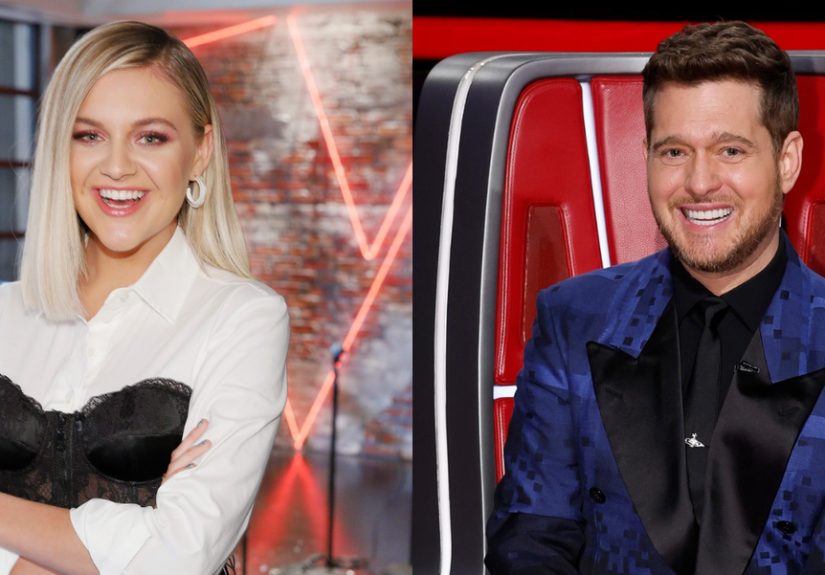
On The Voice, the biggest notes are not always the ones belted under studio lights. Sometimes, the moment that tells you everything about a season is a tiny comment, a friendly joke, or a coach quietly saying, “You belong here.” That is why Michael Bublé’s advice and encouragement for Kelsea Ballerini ahead of The Voice Season 27 landed so warmly with fans. It was not flashy. It was not dramatic. No one spun a chair in slow motion while confetti fell from the ceiling. But it captured one of the best things about the NBC singing competition: even in a show built on rivalry, the right kind of support can make the whole panel sing in tune.
Season 27 brought together a fascinating coaching lineup: Michael Bublé, Kelsea Ballerini, John Legend, and Adam Levine. Bublé entered the season with fresh credibility after winning Season 26 with Sofronio Vasquez. Ballerini, meanwhile, stepped into her first full-time coaching role after previously appearing on the show in other capacities, including as a battle advisor and temporary coach. In other words, Bublé had the shiny “winner” badge, while Ballerini had the shiny “new chair, who dis?” energy.
The sweet part? Bublé did not treat Ballerini like a rookie who needed to earn her seat. He welcomed her like a peer. When Ballerini expressed excitement about joining the show, Bublé responded with a simple but meaningful message: the show was lucky to have her. That small note became the perfect preview of their Season 27 dynamic: warm, competitive, musical, and just mischievous enough to keep things interesting.
Why Michael Bublé’s Advice Mattered Before Season 27 Even Began
Michael Bublé knows something about entering The Voice with high expectations. When he joined as a coach, he was already a world-famous vocalist with Grammy-winning credentials, a velvet-smooth stage presence, and the rare ability to make a Christmas song feel like formalwear. But being a star performer and being a good coach are not the same job. A performer has to own the stage. A coach has to help someone else own it.
That is where Bublé quickly proved himself. His Season 26 win with Sofronio Vasquez gave him immediate credibility as more than the charming crooner in the red chair. He showed that he could listen, guide, encourage, and help an artist shape a performance without sanding away what made that artist unique. By the time Season 27 arrived, Bublé was not just another celebrity coach. He was the defending champion, which in The Voice language basically means he walked in with a target on his cardigan.
For Kelsea Ballerini, the moment was different but equally big. She had already built a respected country-pop career, earned major industry recognition, released emotionally direct albums, and become known for storytelling that feels polished without losing its pulse. Still, a full-time coaching role on The Voice is its own beast. It requires quick decisions, emotional goodbyes, strategy, live television instincts, and the ability to compliment someone’s tone while secretly wondering whether another coach is about to steal them.
Bublé’s encouragement mattered because it signaled confidence. He did not frame Ballerini as “the new one” in a way that reduced her. He treated her as someone whose voice, taste, and experience would improve the show. That is the kind of advice that works because it does not sound like advice. It sounds like belief.
The Real Message Behind Bublé’s Support: Trust Your Seat
The heart of Michael Bublé’s advice for Kelsea Ballerini on Voice Season 27 can be summed up this way: trust your seat. Trust your taste. Trust what you hear when the pressure is loud and the clock is rude. The red chair looks glamorous on television, but it is also a pressure cooker with armrests. Coaches have seconds to decide whether to turn. Later, they have to choose between artists they genuinely care about. Viewers can debate those choices from the couch with popcorn. Coaches have to make them while looking into the faces of people whose dreams are actively trembling.
During the Battle Round period, Ballerini asked her fellow coaches for advice about the tough calls ahead. John Legend emphasized the importance of judging what happens on the stage, not simply what happened in rehearsal. Adam Levine agreed that some contestants surprise everyone when the lights come on. Bublé added the key insight: some artists are built for that moment. When the stage lights hit, they activate.
That is classic The Voice wisdom. Rehearsals matter, but live performance reveals something different. A singer might be technically tidy in practice and then disappear under pressure. Another might seem nervous all week, then step into the spotlight and suddenly look like they were assembled in a factory that only makes stars. Bublé’s point was not just about vocals. It was about stage DNA.
Kelsea Ballerini Was New, Not Unprepared
Calling Ballerini a rookie coach is technically fair, but it can be misleading. She was new to being a full-time coach, not new to music, television, performance, or mentoring. She had already been connected to The Voice before Season 27, including her work with contestants in prior seasons. She also came in with years of touring, writing, recording, award-show performances, and the kind of real-world music business experience that cannot be downloaded overnight.
That background shaped her coaching style. Ballerini was not trying to become a country version of every coach who came before her. She leaned into storytelling, emotional clarity, and artist identity. She often sounded most convincing when she spoke about helping contestants figure out the full scope of who they were as performers. That is especially important on The Voice, where a great singer can still get lost if the audience does not understand what kind of artist they are voting for.
Her Season 27 journey also showed that being a new coach does not mean playing politely in the corner. Ballerini came ready to compete. She built a team with a mix of country, pop, soul, and emotional singer-songwriter energy. She made difficult choices, took criticism, trusted her instincts, and eventually guided Jaelen Johnston all the way to the finale, where he finished as runner-up. Not bad for a first full season. Honestly, if that is a rookie season, most rookies would like the instruction manual.
Bublé and Ballerini’s Chemistry Gave Season 27 Its Warm Center
Every great Voice panel needs chemistry. The show is not only about contestants. It is also about the coaches’ banter, alliances, rivalries, and tiny facial reactions when someone else blocks or steals at the worst possible moment. Season 27 had plenty of that. Adam Levine returned with veteran swagger. John Legend brought calm musical authority. Bublé brought old-school charm with sneaky competitive instincts. Ballerini brought bright, quick-witted, emotionally open energy.
Bublé and Ballerini’s dynamic stood out because it felt both supportive and competitive. They could compliment each other one minute and battle for the same artist the next. That balance is what makes The Voice fun. Nobody wants a panel where everyone politely agrees for two hours. That would be less “must-see TV” and more “committee meeting with better lighting.” But nobody wants cold hostility either. The best panels create a family feeling with just enough rivalry to keep the snacks nervous.
That is why Bublé’s early welcome mattered. It established that Ballerini was part of the family. Later, when the competition intensified, that foundation made the rivalry more enjoyable. Viewers could sense respect underneath the teasing.
The Simone Marijic Steal Showed Bublé’s Competitive Side
One of the clearest examples of the Bublé-Ballerini dynamic came when Michael Bublé stole Simone Marijic from Team Kelsea after a Battle Round performance. Ballerini had chosen Iris Herrera after a performance of “Ceilings,” and Simone seemed to be leaving the competition. Then Bublé waited until the last possible second and hit his steal button.
That move was pure Voice theater. It was supportive of Simone, respectful of the talent Ballerini had developed, and also just a tiny bit villainous in the most charming way. Ballerini took it well, noting that Simone had a classic quality Bublé could help refine. Bublé, for his part, made it clear he knew what he wanted. The man may sing like candlelight, but his coaching strategy had elbows.
This moment also showed something important about Ballerini’s coaching. A contestant leaving her team was still able to speak warmly about the guidance she had received. That says a lot. In a competition where eliminations can feel brutal, the best coaches leave artists stronger than they found them, even when they cannot take everyone forward.
What Bublé’s Advice Says About Great Coaching
Great coaching on The Voice is not about turning contestants into mini versions of the coach. Nobody needed Team Bublé to become a squad of tuxedoed jazz gentlemen, just as Team Kelsea did not need everyone writing diary entries over banjo chords. The job is to identify what is already compelling in an artist and make it clearer, stronger, and more stage-ready.
Bublé’s advice to Ballerini, both directly and indirectly, reflected that philosophy. Encourage the artist. Watch what happens when the lights come on. Make decisions based on the performance in front of you. Do not underestimate someone who rises under pressure. And above all, remember that music is supposed to be a gift, not just a scoreboard.
That last idea became even more meaningful after Season 27 ended. Bublé won again, this time with Adam David, making it back-to-back victories after his Season 26 win. Adam David’s path was especially compelling because he began as a one-chair turn and needed an Instant Save before ultimately winning the whole season. That is practically a Voice fairy tale, except with more vocal runs and fewer woodland animals.
For Ballerini, Season 27 was also a major success. Her finalist Jaelen Johnston finished as runner-up, and his performances showcased the kind of grit, country storytelling, and emotional weight that aligned beautifully with her strengths as a mentor. A first-time full-season coach taking an artist to second place is not a consolation prize. It is a statement.
Why Fans Responded to Ballerini’s First Season
Fans often respond to coaches who feel emotionally present. Technical advice matters, but viewers also notice when a coach seems genuinely invested. Ballerini brought that investment. She looked moved by performances, anxious during decisions, and proud when her artists broke through. She also carried the perspective of someone still close enough to her own early-career uncertainty to understand what young performers are feeling.
That made her especially effective with artists who needed identity work, not just vocal notes. On a show like The Voice, the contestants are often good singers before they arrive. The challenge is helping them become memorable artists. Ballerini understood that a singer needs more than a big note. They need a lane, a story, and a reason for viewers to say, “I know who that is.”
Bublé’s advice worked because it supported that instinct. He did not need Ballerini to coach like him. He simply encouraged her to step fully into the role and trust the value she brought. That is the kind of mentorship that does not make headlines by being loud, but it can change the energy in a room.
Season 27 Proved the Best Panels Mix Experience and Fresh Perspective
The Season 27 coaching panel worked because each coach represented a different kind of experience. Adam Levine brought original-coach history and pop-rock instincts. John Legend brought technical mastery and a calm, polished mentoring style. Michael Bublé brought classic showmanship, warmth, and a winner’s confidence. Kelsea Ballerini brought current country-pop perspective, vulnerability, and a fresh sense of what modern artists need.
That mix helped the season feel lively without becoming chaotic. Ballerini’s presence also gave the panel a different emotional rhythm. She was not trying to out-bluster the veterans. She was learning, competing, joking, and making bold calls in real time. That made her relatable. Viewers got to watch her become more comfortable in the chair, which is part of the fun of casting a new coach.
Bublé’s support helped frame that growth. Instead of treating her newness as a weakness, he treated it as something exciting. That attitude is useful far beyond television. In creative work, leadership, and collaboration, a newcomer often brings the question everyone else stopped asking. Sometimes the fresh perspective is the spark.
Experience Notes: What This Moment Teaches Coaches, Artists, and Viewers
The most relatable part of Michael Bublé’s advice for Kelsea Ballerini is that it applies to more than celebrity coaches on a singing competition. Most people eventually walk into a room where everyone else seems more experienced. It might be a first leadership role, a first big presentation, a first performance, or a first day on a team where everyone already knows the inside jokes. The natural instinct is to over-prove yourself. You talk too much, polish every sentence until it squeaks, and pretend you are calmer than your bloodstream suggests. Bublé’s approach offered a better model: welcome the person, name their value, and let confidence grow from belonging.
For artists, the Season 27 lesson is equally clear. Rehearsal is essential, but the real test is the moment. Some singers do not fully understand their own power until the stakes rise. That is why Bublé’s comment about performers turning on when the lights come up feels so true. There are artists who seem quiet in practice but expand on stage, as if applause is oxygen. A good coach has to recognize that possibility before it becomes obvious to everyone.
For new mentors, Ballerini’s season is a reminder that credibility does not always come from knowing everything first. Sometimes it comes from being honest, attentive, and willing to make hard decisions without hiding behind safe ones. She asked for advice when she needed it, but she also protected her own strategy. That combination is powerful. Nobody trusts a leader who refuses to learn, but nobody follows a leader who never trusts herself.
For viewers, the Bublé-Ballerini dynamic made Season 27 more enjoyable because it showed competition with kindness. Reality TV often sells conflict as the main course, but The Voice is usually at its best when rivalry has a heartbeat. Bublé could steal a contestant from Ballerini and still respect her work. Ballerini could be disappointed and still celebrate the artist’s next opportunity. That is sportsmanship with better harmonies.
There is also a workplace lesson hiding under the glitter. The best teams do not make newcomers feel like they have to shrink until invited to speak. They make room early. Bublé’s simple encouragement told Ballerini she was not merely filling a chair; she was adding something. Once someone believes that, they tend to contribute more freely, take smarter risks, and recover faster from mistakes. In that sense, his advice was not just sweet. It was strategic.
Finally, Season 27 showed that mentorship is not a one-way street. Bublé may have been the returning champion, but Ballerini’s fresh perspective sharpened the panel too. A new coach asks different questions. A country-pop songwriter hears different details. A performer who has navigated modern fame, vulnerability, and fan connection brings a different kind of wisdom. When experienced people welcome that instead of guarding the room, everybody gets better. Even the guy with two consecutive wins.
Conclusion: A Small Message With a Big Coaching Lesson
Michael Bublé’s advice for Kelsea Ballerini on The Voice Season 27 was not a complicated masterclass. It was warmer than that. He reminded her, through encouragement and example, that she belonged in the chair. He showed that good coaching means listening for who an artist can become under pressure. He also proved that kindness and competitiveness can share the same stage without one canceling the other out.
Ballerini took that energy and made her first full season count. She built a strong team, made tough calls, learned in public, and helped guide Jaelen Johnston to the finale. Bublé, meanwhile, continued his remarkable coaching streak with Adam David’s win. Together, their Season 27 dynamic gave fans something more satisfying than simple rivalry: a picture of artists respecting artists while still trying very hard to beat each other. In other words, exactly the kind of drama The Voice does best.
Note: This article is based on publicly reported information from reputable U.S. entertainment and television outlets, including NBC coverage, People, Entertainment Weekly, Good Housekeeping, TV Insider, E! News, American Songwriter, Parade, and Billboard-style industry reporting. Details have been rewritten and synthesized for original editorial use.