Table of Contents >> Show >> Hide
- What Makes Slice-Of-Life Comics So Relatable?
- Why Personal Experience Works So Well In Comics
- The “20 Pics” Format: Why Collections Work Online
- How Cartoonists Turn Real Life Into A Comic
- Why Readers Connect With Everyday Comics
- The Influence Of Graphic Memoirs And Diary Comics
- Building A Slice-Of-Life Comic Series Online
- What Aspiring Cartoonists Can Learn From This Kind Of Series
- Why The Best Slice-Of-Life Comics Feel Bigger Than Their Subjects
- Extended Experience Section: What It Feels Like To Draw Your Own Life Into Panels
- Conclusion
- SEO Tags
Note: This article is an original, web-ready feature inspired by real slice-of-life comics, autobiographical cartooning, creator interviews, comics history resources, and webcomic publishing practices. It does not reproduce or describe the original 20 images panel-by-panel.
Some comics need dragons, laser swords, exploding planets, and at least one mysterious hooded figure whispering, “You are the chosen one.” Slice-of-life comics, however, can do something even more dangerous: make us laugh at ourselves while we are holding a half-eaten sandwich, avoiding laundry, and pretending that our inbox is not silently plotting against us.
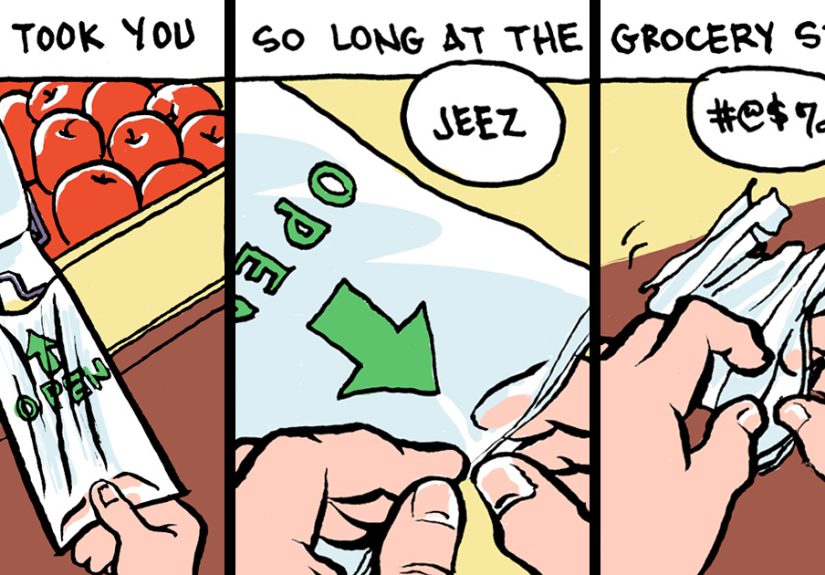
That is the charm behind a cartoonist creating a slice-of-life comic series inspired by personal experience. The drama may not involve saving the universe, but it often involves surviving small, strangely emotional moments: a bad grocery bag, a weird conversation, an oddly poetic vending machine, a memory that appears out of nowhere, or the tiny disaster of trying to be a functioning adult before coffee.
The title “I’m A Cartoonist Creating A Slice-Of-Life Comic Series Inspired By My Own Life (20 Pics)” captures why this kind of work connects so quickly online. It promises humor, honesty, and the sweet relief of seeing someone else admit, “Yes, life is also like this for me.” A good slice-of-life comic does not need to shout. It taps you on the shoulder, points at the ordinary world, and says, “Look again. There is a joke hiding under the couch.”
What Makes Slice-Of-Life Comics So Relatable?
Slice-of-life comics focus on everyday experiences rather than epic plots. They turn small observations into tiny emotional events. A character walking down the street can become a meditation on memory. A messy desk can become a portrait of modern anxiety. A conversation with a parent, a pet, a neighbor, or a stranger can suddenly feel funnier than any scripted punchline.
Autobiographical comics and graphic memoirs have a long tradition of transforming personal life into sequential art. The best creators do not simply report what happened; they shape ordinary moments into visual rhythm. A pause becomes a panel. A raised eyebrow becomes a joke. A room full of silence becomes a whole paragraph without words.
The magic is in the small details
Readers love these comics because they recognize themselves in them. A comic about forgetting why you walked into a room may be simple, but it hits harder than a ten-page villain speech because almost everyone has been personally betrayed by their own brain at least once before lunch.
In personal comics, the details matter: the way a coat hangs on a chair, the uncomfortable silence after a joke fails, the heroic optimism of buying vegetables you absolutely will not cook. These details make the comic feel lived-in. They are also excellent SEO-friendly storytelling fuel because readers search for relatable comics, funny everyday comics, autobiographical comics, and webcomics about real life precisely because they want that feeling of recognition.
Why Personal Experience Works So Well In Comics
When cartoonists draw from their own lives, they create a special kind of honesty. The work does not have to be a full confession or a diary page taped to the internet. It can be carefully selected, shaped, exaggerated, and refined. But the emotional truth must remain intact.
A cartoonist may take a real moment and adjust it for comic timing. Maybe the awkward conversation becomes shorter. Maybe the facial expression becomes ten percent more dramatic. Maybe the cat becomes morally responsible for everything, which is usually accurate anyway. The result is not a documentary transcript. It is a crafted comic that feels true.
Personal comics are not always light, and that is okay
Slice-of-life comics are often funny, but they are not limited to jokes. They can explore frustration, nostalgia, loneliness, embarrassment, gratitude, and the emotional turbulence of everyday life. A creator might draw a comic about missing someone, feeling out of place, or noticing how childhood memories change shape over time.
The beauty of the form is flexibility. One strip can be silly. The next can be tender. Another can be both, because real life rarely respects genre labels. Life will hand you a touching memory and then immediately make you trip over a phone charger.
The “20 Pics” Format: Why Collections Work Online
Online audiences enjoy comic collections because they are easy to browse, share, and revisit. A group of 20 pictures gives readers enough variety to find a favorite. One person may love the comic about family. Another may relate to the one about social awkwardness. Someone else may send a panel to a friend with the caption, “This is literally us,” which is the modern internet’s highest literary honor.
For a cartoonist, a 20-image collection also shows range. It proves the series is not built on one joke repeated until everyone quietly leaves the room. A strong collection can include observational humor, quiet emotion, surreal little twists, and moments of visual poetry. Together, the comics form a personality.
Each panel is a doorway
A single comic can introduce a reader to the creator’s world. The art style, pacing, facial expressions, lettering, and tone all work together. Some creators use clean lines and gentle humor. Others lean into scratchy textures, chaotic expressions, or deadpan silence. There is no single correct style. The best style is the one that makes the creator’s voice unmistakable.
How Cartoonists Turn Real Life Into A Comic
Creating a slice-of-life comic may look effortless, but behind every “simple” panel is a mountain of decisions. The cartoonist has to choose what moment matters, what to leave out, what to exaggerate, and where the emotional beat should land.
1. Notice the moment before it disappears
Many slice-of-life creators keep notes. A funny sentence, a strange street sign, a childhood memory, or a tiny irritation can become the seed of a comic. The trick is catching the moment before it evaporates into the same foggy mental drawer where we keep passwords, grocery lists, and the name of that actor from that one movie.
2. Find the emotional hook
A comic does not need a giant plot, but it does need a reason to exist. The creator asks: What did this moment make me feel? Amused? Annoyed? Weirdly moved? Embarrassed on a spiritual level? That feeling becomes the center of the comic.
3. Reduce the story to its strongest beats
Comics reward economy. A cartoonist may compress an entire afternoon into three panels. The first panel sets the situation. The second builds expectation. The third flips the meaning, lands the joke, or reveals the emotion. It is storytelling with scissors, glue, and excellent timing.
4. Let the drawing carry part of the joke
In slice-of-life comics, facial expressions can do the heavy lifting. A tiny frown, a blank stare, or a character silently dissolving into existential dust can be funnier than a paragraph of dialogue. The artwork does not have to be hyper-realistic. In fact, simplified characters often make it easier for readers to project themselves into the scene.
Why Readers Connect With Everyday Comics
Relatable comics work because they reduce the distance between creator and reader. When someone sees a comic about overthinking a text message, being defeated by a household chore, or finding beauty in a boring afternoon, they feel less alone. The comic becomes a tiny social bridge.
This is especially powerful online, where people scroll through thousands of polished images every day. Slice-of-life comics offer something more human. They are imperfect, observant, and emotionally accessible. They say, “Here is my weird little moment. Did you have one too?”
Humor makes honesty easier to absorb
Personal stories can feel vulnerable. Humor gives readers a comfortable way in. A cartoonist can talk about stress, family, insecurity, or memory without making the reader feel trapped in a lecture. The joke opens the door; the feeling walks in wearing socks and carrying snacks.
The Influence Of Graphic Memoirs And Diary Comics
Slice-of-life webcomics share DNA with graphic memoirs, diary comics, newspaper strips, underground comix, and modern webcomic platforms. Many well-known autobiographical cartoonists have shown that ordinary life can carry enormous narrative weight. The genre has grown because comics are uniquely suited to memory: they can show what happened, what it felt like, and what the creator wishes they had said three hours later in the shower.
Diary comics are especially important to this tradition. They train artists to observe daily life and make quick decisions. What is worth drawing today? What emotion can fit in four panels? What tiny detail will make the scene feel specific? Over time, these exercises build a visual vocabulary that feels natural and personal.
Building A Slice-Of-Life Comic Series Online
Publishing a comic series online is not just about drawing. It also involves rhythm, consistency, audience awareness, and learning how different platforms reward different formats. A vertical-scroll comic may need pacing that works on a phone. A square social media post may need an immediate visual hook. A personal website may allow longer, quieter storytelling.
Consistency matters, but burnout is not a badge of honor
Many creator platforms encourage scheduling, episode planning, and building a buffer. That advice exists for a reason. Comics take time. Even “simple” drawings require writing, sketching, inking, lettering, formatting, posting, and then bravely pretending not to refresh the analytics every 14 seconds.
A sustainable schedule is better than an impressive schedule that collapses after two weeks. Readers appreciate regular updates, but they also appreciate comics made by a creator who still has a pulse, a snack, and some remaining faith in humanity.
Audience feedback can guide, but not control, the work
Online comments can reveal which comics resonate most. Sometimes the comic a creator almost did not post becomes the favorite. That can be surprising, humbling, and mildly suspicious. Still, feedback should be used as a compass, not a steering wheel. The strongest slice-of-life comics come from genuine observation, not from chasing every trend like a raccoon chasing a shiny spoon.
What Aspiring Cartoonists Can Learn From This Kind Of Series
For anyone hoping to create autobiographical comics, the first lesson is simple: your life does not need to look dramatic to be worth drawing. The ordinary is not empty. It is packed with texture. The way people avoid eye contact in elevators, the weird pride of fixing something with tape, the emotional betrayal of a forgotten leftoverthese are all comic material.
Start with a tiny moment
Do not begin by trying to summarize your entire personality in a 200-page masterpiece. Start with one moment. Draw the time you misunderstood a conversation. Draw the snack that changed your day. Draw the suspicious object in your fridge that may now have legal rights.
Create recurring emotional themes
Many memorable slice-of-life comic series have recurring themes: nostalgia, anxiety, family, friendship, creativity, work, pets, city life, nature, or the comedy of being a person with a calendar. Themes give the series identity without making every comic feel identical.
Let your art style evolve
A creator’s early comics rarely look like their later work. That is not failure; that is evidence of movement. Linework becomes more confident. Characters become more expressive. The creator learns which shortcuts help and which shortcuts make everyone look like a haunted potato. Growth is part of the series.
Why The Best Slice-Of-Life Comics Feel Bigger Than Their Subjects
The secret of a great slice-of-life comic is that it uses small subjects to reach larger truths. A comic about a shopping bag can become a joke about frustration. A comic about childhood can become a reflection on time. A comic about a quiet walk can become a reminder that wonder still exists, even when your phone battery is at 3% and your shoes are making a concerning noise.
That is why readers keep coming back. They are not only looking for a laugh. They are looking for recognition. They want to feel that ordinary life has been noticed, framed, and gently made fun of by someone who understands the assignment.
Extended Experience Section: What It Feels Like To Draw Your Own Life Into Panels
Creating a slice-of-life comic series from personal experience feels a little like keeping a diary, directing a tiny movie, and doing emotional laundry at the same time. The first surprise is how much material appears once you start paying attention. Before drawing comics, an ordinary day may look blank. After drawing comics, everything becomes suspiciously usable. The bus ride is a scene. The coffee spill is a plot twist. The conversation with the cashier has better timing than half the shows on television.
The second surprise is that honesty is harder than exaggeration. It is easy to make a character scream, panic, or deliver a perfect comeback. It is harder to draw the real moment: the pause, the awkward smile, the tiny disappointment, the strange little happiness that arrives for no obvious reason. Slice-of-life cartooning asks the creator to respect small feelings. That means listening to them instead of brushing them away.
There is also a strange editing process. Real life is messy. It does not arrive in neat panels. A cartoonist has to turn the mess into shape. Maybe the real event took two hours, but the comic only needs four beats. Maybe five people were there, but the story works better with two. Maybe the funniest part was not what happened, but the expression on someone’s face afterward. The work is not about recording everything. It is about finding the moment that carries the meaning.
Another big experience is learning to be vulnerable without oversharing. A personal comic does not require the creator to hand readers the keys to every locked room in their life. Boundaries matter. The cartoonist can share the feeling without exposing every private detail. A comic can say, “I felt lonely,” without explaining the entire history of that loneliness. It can say, “This memory stayed with me,” without turning the internet into a courtroom.
The reader response can be deeply rewarding. When someone says, “I thought I was the only person who felt this,” the comic has done its job. That connection is the real engine of autobiographical comics. Not fame. Not algorithms. Not the tiny dopamine fireworks of notifications, although those are not exactly terrible. The best reward is knowing that a small, personal observation made another person feel seen.
Still, making personal comics can be exhausting. The creator has to keep noticing, keep shaping, keep drawing, and keep posting while life continues to behave like an untrained raccoon. That is why a healthy workflow matters. Sketchbooks, notes apps, idea folders, scheduled updates, and rest days all help. A cartoonist who wants to make honest comics also needs time to live honestly outside the comic.
In the end, drawing your own life into panels is not about proving that your life is extraordinary. It is about proving that ordinary life is already full of rhythm, comedy, tenderness, and weird little miracles. The artist’s job is to catch them before they wander away.
Conclusion
“I’m A Cartoonist Creating A Slice-Of-Life Comic Series Inspired By My Own Life (20 Pics)” is more than a catchy headline. It points to a style of comics that thrives on honesty, observation, and emotional precision. Slice-of-life comics remind readers that the small stuff is not small when it is drawn with care. A funny look, a quiet memory, a daily annoyance, or a passing thought can become a comic that travels far beyond the moment that inspired it.
For readers, these comics offer comfort and laughter. For creators, they offer a practical and meaningful path into storytelling. You do not need a cape, a prophecy, or a villain with suspiciously perfect cheekbones. Sometimes, all you need is a notebook, a pen, a real feeling, and the courage to admit that yes, the grocery bag did emotionally defeat you.