Table of Contents >> Show >> Hide
- Table of Contents
- Why Ingrown Hairs Happen on Legs
- Before You Shave: Prep That Prevents Bumps
- During Shaving: Technique Matters More Than You Think
- After Shaving: Calm Skin and Keep Follicles Clear
- Exfoliation: How to Do It Without Overdoing It
- Helpful Ingredients for Ingrown-Prone Legs
- Hair Removal Alternatives That Reduce Ingrowns
- Common Mistakes That Basically Invite Ingrown Hairs
- When to See a Dermatologist
- Experience Notes: What People Find Actually Works (Plus a Few “Learned the Hard Way” Moments)
- Experience #1: The “I stopped speed-shaving” breakthrough
- Experience #2: Switching razors helped more than switching products
- Experience #3: Exfoliating less aggressively worked better
- Experience #4: Post-shave clothing mattered (annoyingly) a lot
- Experience #5: The “I stopped picking” era
- Experience #6: The long-term solution was changing hair removal methods
- Final takeaway
- SEO Tags (JSON)
If you shave your legs and end up with itchy bumps that look like your skin is auditioning for a “strawberry” role,
you’re not alone. Ingrown hairs happen when a hair curls or grows sideways back into the skin instead of rising up
and out. The result can be red bumps, irritation, dark spots, and the strong urge to declare war on your razor.
The good news: you usually don’t need a complicated 14-step skincare ritual to prevent ingrown hairs on your legs.
You need a smarter routineone that keeps follicles clear, reduces friction, and avoids shaving so aggressively that
your hair basically gets trapped under the surface. This guide breaks it all down with practical steps, product-type
suggestions, and real-world examples you can actually use.
Table of Contents
- Why ingrown hairs happen on legs
- Before you shave: prep that prevents bumps
- During shaving: technique matters more than you think
- After shaving: calm skin and keep follicles clear
- Exfoliation: how to do it without overdoing it
- Helpful ingredients for ingrown-prone legs
- Hair removal alternatives that reduce ingrowns
- Common mistakes that basically invite ingrown hairs
- When to see a dermatologist
- Experience notes: what people find actually works
- SEO tags (JSON)
Why Ingrown Hairs Happen on Legs
Think of a hair follicle like a tiny tunnel. When that tunnel gets blocked (dead skin, thick lotions, sweat, friction),
a new hair can struggle to break through cleanly. Add shavingespecially shaving closeand you’ve got a recipe for
hairs that grow back at an angle, curl, or get trapped under the surface.
Common triggers
- Shaving too close (especially with heavy pressure or multiple blades).
- Dull or dirty razors that tug hair and irritate skin.
- Dry shaving (no cream/gel) or shaving too fast.
- Friction from tight jeans, leggings, socks, or athletic wear right after hair removal.
- Curly or coarse hair that naturally bends back toward the skin.
- Not exfoliating (or exfoliating aggressively and inflaming the follicleyes, both can backfire).
On legs, ingrown hairs often show up on the calves, behind the knees, and thighsplaces where friction and repeated
shaving are common. If you also deal with follicle irritation (sometimes called shaving rash or folliculitis),
prevention becomes even more about gentleness and hygiene.
Before You Shave: Prep That Prevents Bumps
Prevention starts before the razor touches your skin. Your goal is to soften hair, reduce tugging, and make it easier
for hair to grow out normally afterward.
1) Shave at the right time
Shaving at the end of a warm shower (or after a warm rinse) helps soften hair and skin, which lowers irritation.
If you shave first and then take a hot shower, your skin may swell slightly and trap freshly cut hair tips more easily.
2) Clean your legs (gently)
Use a mild body wash to remove sweat, sunscreen, and oils. If you’re prone to follicle bumps, a few days per week you
can swap in an acne-style wash with ingredients like salicylic acid or benzoyl peroxidejust be mindful that these can
be drying (and benzoyl peroxide can bleach towels).
3) Light exfoliation (not sandpaper energy)
Exfoliation helps remove dead skin that can block follicles. But “exfoliate” does not mean “scrub until your leg
resembles a tomato.” Gentle is the assignment.
- Physical exfoliation: a soft washcloth or a gentle scrub (fine particles, not jagged shells).
- Chemical exfoliation: a body lotion or wash with AHA/BHA (more on this later).
If you’re shaving today, keep exfoliation mild. Save stronger exfoliating acids for non-shave days until you learn how
your skin reacts.
During Shaving: Technique Matters More Than You Think
Most “ingrown hair prevention” is really “friction reduction.” Less friction = less inflammation = fewer trapped hairs.
Here’s the technique that dermatology sources consistently recommend.
1) Use shaving cream or gel (always)
A slippery layer reduces drag and helps the blade glide. Look for fragrance-free or “sensitive skin” options if you
get irritation easily. If your shaving cream feels like it’s actively trying to perfume your entire bathroom, your
legs may not be thrilled.
2) Choose the right razor (sharp beats fancy)
A clean, sharp blade helps prevent tugging. Replace disposable razors regularly (a common guideline is every 5–7 shaves,
depending on hair thickness and how you store it). If you prefer an electric razor, keep it clean and maintained.
3) Shave in the direction of hair growth
Shaving “with the grain” may not feel quite as ultra-smooth in the moment, but it’s a big step for reducing bumps and
ingrown hairs. If you absolutely need a closer shave, try:
- First pass with the grain.
- If needed, second pass across the grain (not against), with fresh shaving gel and very light pressure.
4) Use light pressure and short strokes
Pressing hard increases micro-cuts and irritation. Think “glide,” not “mow the lawn in one angry pass.” Rinse the razor
after each swipe so it doesn’t drag dead skin and hair back across your legs.
5) Don’t stretch your skin while shaving
Pulling skin taut can lead to shaving hair below the skin surface. When the skin relaxes, the hair tip can retract and
become more likely to grow inward.
After Shaving: Calm Skin and Keep Follicles Clear
Post-shave care is where many routines failusually because someone immediately slathers on a fragranced lotion and
then wears tight leggings for six hours. Let’s avoid that plot twist.
1) Rinse, then cool
Rinse with lukewarm water to remove remaining shaving gel. If you’re prone to redness, a cool damp cloth for a minute
can help calm the skin.
2) Moisturize (but choose wisely)
Hydrated skin supports a healthier barrier, which can reduce irritation and help hairs grow out normally.
Look for fragrance-free moisturizers, especially right after shaving. If your skin is very dry or rough, a lotion with
urea or lactic acid can moisturize while gently smoothing texture.
3) Avoid friction for the rest of the day
Tight clothing can rub and inflame follicles. If you can, wear looser pants or breathable fabric after shaving,
especially if you tend to get bumps on thighs or behind the knees.
4) Keep hands off
Picking at bumps can cause infection, scarring, and lingering dark marks. If you develop painful, warm, pus-filled, or
rapidly spreading bumpsor you feel unwellget medical advice. That’s not “normal shave annoyance”; that’s a “let’s not
ignore this” situation.
Exfoliation: How to Do It Without Overdoing It
Exfoliation is one of the most effective ways to prevent ingrown hairs on legs, but it has a learning curve.
The sweet spot is “consistent and gentle,” not “rare and intense.”
A simple exfoliation schedule (for most people)
- 2–3 times per week: chemical exfoliation (AHA/BHA) or gentle physical exfoliation.
- Shave days: keep exfoliation light (soft cloth) or do your chemical exfoliation the day before.
- If your skin stings or gets flaky: scale back. More is not more here.
Physical vs. chemical exfoliation
Physical exfoliation (cloth, gentle scrub) works immediately, but it can irritate if you press too hard. Chemical
exfoliation uses ingredients that loosen dead skin cells more evenly, which many ingrown-prone people prefer.
You can also alternate: a cloth on shave days, a chemical exfoliant on non-shave days.
Helpful Ingredients for Ingrown-Prone Legs
You don’t need a cabinet full of acids. But the right ingredient, used consistently, can make a big difference
especially if you deal with “strawberry legs,” rough texture, or recurring bumps.
Salicylic acid (BHA)
Great for clearing pores and helping prevent clogged follicles. Often found in body washes and lotions for “bumpy skin.”
If you’re sensitive, start slowly (a few times per week).
Glycolic acid or lactic acid (AHAs)
Helps smooth dead skin buildup and improve rough texture. Lactic acid is often a bit gentler than glycolic.
Many people use an AHA body lotion on thighs or calves to reduce bumps over time.
Urea
Urea is both a humectant (hydrates) and a mild keratolytic (helps soften thick, rough skin). If your legs feel dry and
“catchy” after shaving, urea-based lotions can help.
Benzoyl peroxide (for follicle bumps)
If you get follicle irritation that seems acne-like, a benzoyl peroxide wash used a few times a week may help reduce
bacteria on the skin. Rinse thoroughly, moisturize after, and use white towels unless you enjoy surprise bleaching.
Barrier helpers
Ceramides, glycerin, and petrolatum-based moisturizers can support the skin barrier and reduce irritation.
If your legs are easily reactive, barrier-first products can make shaving feel less dramatic.
Pro tip: Introduce one new product at a time and patch test. If you start three acids, a retinoid,
and a new body fragrance in the same week, your skin won’t know who to blameand it will blame you anyway.
Hair Removal Alternatives That Reduce Ingrowns
If you’ve mastered great shaving technique and still get ingrown hairs, it may be time to change the methodnot just
the razor.
Electric trimmer (the “not baby-smooth but peaceful” option)
Trimming leaves hair slightly longer, which can reduce the chance it gets trapped under the skin. Many people who get
frequent ingrowns find this is the lowest-drama choice.
Depilatory creams
These dissolve hair at the skin surface. Some people find fewer ingrowns compared with shaving, but irritation is
possibleespecially if you leave it on too long. Always follow the label and patch test.
Waxing or sugaring
Removing hair from the root can lead to ingrowns for some people, especially if hair grows back unevenly or the skin is
clogged. If you wax, exfoliation and post-care become even more important.
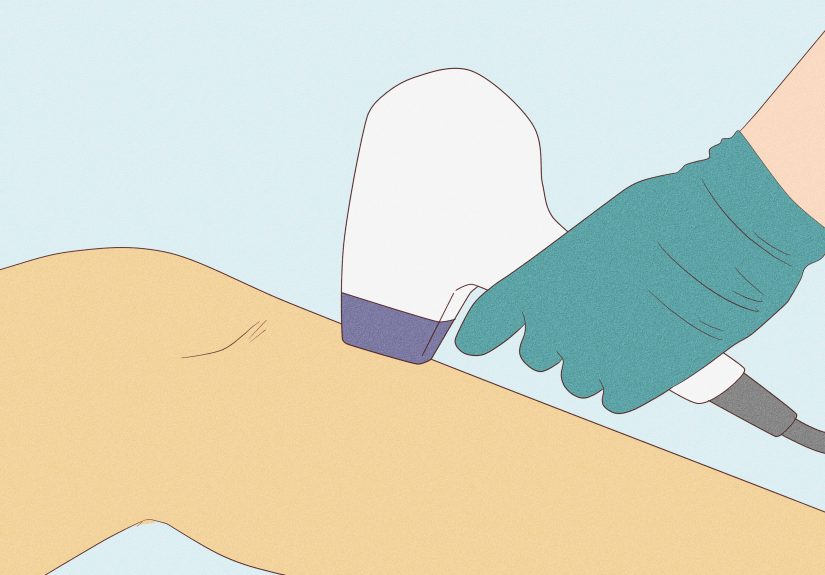
Laser hair removal
Laser hair removal can significantly reduce hair growth and is often recommended for people with chronic ingrowns.
It’s an investment, but for some, it’s the “I’m done fighting my legs” solution.
Common Mistakes That Basically Invite Ingrown Hairs
- Dry shaving (no gel/cream): instant friction festival.
- Using old blades and storing them wet in the shower: bacteria + dullness = bumps.
- Shaving against the grain with lots of pressure for extra closeness.
- Going over the same area repeatedly like you’re erasing pencil marks.
- Scrubbing harshly right after shaving (hello irritation).
- Picking or digging at bumps (scars and dark marks love this).
- Tight clothing immediately afterwardespecially on thighs.
When to See a Dermatologist
Home care works for many cases, but it’s worth getting professional help if:
- Ingrown hairs are frequent, painful, or causing scarring.
- You see signs of infection (spreading redness, warmth, pus, fever, increasing pain).
- You develop deep lumps or cyst-like bumps that keep coming back.
- Dark marks linger for months and are affecting confidence.
A dermatologist can confirm what’s going on (ingrowns vs. folliculitis vs. another rash), recommend prescription options
when needed, and discuss longer-term solutions like laser hair removal or technique adjustments based on your hair and
skin type.
Experience Notes: What People Find Actually Works (Plus a Few “Learned the Hard Way” Moments)
The most helpful routines are usually boring in the best way: consistent, gentle, and not fueled by panic. Here are
patterns many people notice when they finally get fewer ingrown hairs on their legsalong with specific examples that
make the advice feel less like a skincare fortune cookie.
Experience #1: The “I stopped speed-shaving” breakthrough
A common turning point is realizing that ingrowns aren’t always about “bad skin”they’re often about shaving like you’re
late for a flight. People who slow down, use more shaving gel than they think they need, and switch to light pressure
often see fewer bumps within a couple of weeks. One practical tactic: shave one leg at a time with short strokes and
rinse the blade after each swipe. It feels extra at first, but it also feels extra not having itchy bumps for days.
Experience #2: Switching razors helped more than switching products
Many people try five lotions before they try one new razor. But the blade is doing the most contact-heavy job here.
A fresh, sharp razor (or even a simple single-blade option) can reduce tugging and micro-irritation. People also report
that simply replacing disposables soonerbefore they feel “tragic” on the skincan cut down on bumps dramatically.
Bonus points for letting the razor dry outside the steamy shower zone, where it stays cleaner and sharper longer.
Experience #3: Exfoliating less aggressively worked better
It’s incredibly normal to think, “If dead skin blocks hairs, I should scrub harder.” Then your legs respond with,
“Absolutely not.” Lots of people find their sweet spot is gentle exfoliation 2–3 times a week rather than daily
scrubbing. They’ll use a soft washcloth in the shower, then apply a simple moisturizer afterward. If they add a chemical
exfoliant (like a lactic acid or salicylic acid body lotion), they start slowmaybe two nights a weekbecause
consistency beats intensity.
Experience #4: Post-shave clothing mattered (annoyingly) a lot
One of the most underrated fixes is reducing friction after shaving. People who shave at night and then wear loose
sleep shorts (instead of tight leggings) often notice fewer thigh bumps. Athletes commonly find that shaving right
before practice is a bump-magnetsweat plus friction equals angry folliclesso they switch to shaving after workouts or
on rest days. It’s not glamorous advice, but it works.
Experience #5: The “I stopped picking” era
Many people admit they could prevent half their dark spots by leaving bumps alone. Picking feels productive for about
six seconds. Then it leaves discoloration that can last for months. A more helpful approach people stick with is:
warm compress for comfort, moisturize, and give it time. If bumps are painful or clearly infected, they treat that as a
medical issuenot a DIY project.
Experience #6: The long-term solution was changing hair removal methods
For some, the real prevention comes from reducing how close the hair is cut. Electric trimming becomes the low-drama
option: not perfectly smooth, but significantly fewer ingrowns. Others choose laser hair removal after years of
recurring bumps because it reduces hair growth overall. The pattern here is simple: when your skin consistently
dislikes a method, it’s okay to switch methods instead of trying to “win” against your follicles.
Final takeaway
Preventing ingrown hairs on your legs usually comes down to three habits: soften hair before shaving, reduce friction
during shaving, and keep follicles calm afterward. If you do just those (and avoid the big mistakes), you’ll be ahead of
most peopleand your legs will stop acting like they’re personally offended by your razor.