Table of Contents >> Show >> Hide
- Why small‑space shoe storage matters
- 36 Clever shoe storage ideas
- 1. Over‑the‑door hanging organizer
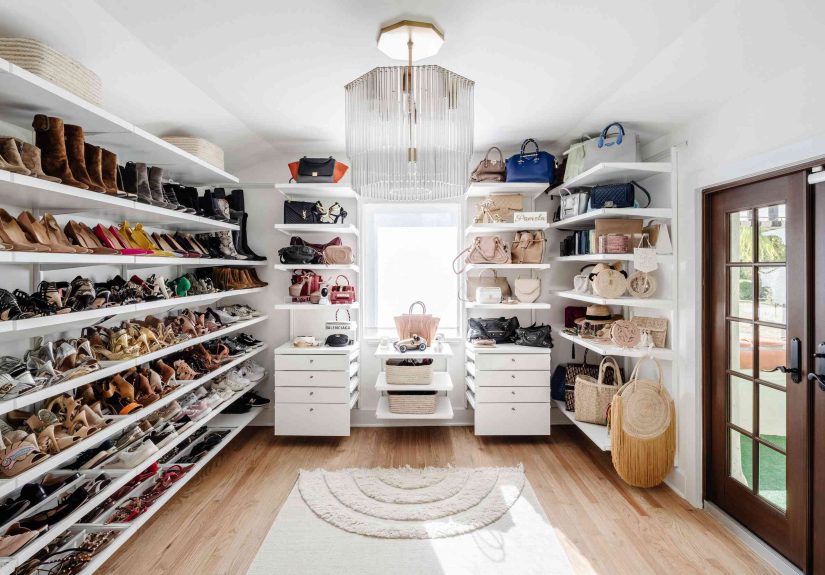
- 2. Stackable clear plastic shoe containers
- 3. Vertical tiered shoe rack
- 4. Floating wall shelves
- 5. Slim shoe cabinet with doors
- 6. Under‑bed shoe drawers or bins
- 7. Use baskets for casual or seasonal shoes
- 8. Bench with built‑in shoe storage
- 9. Build around door‑frames or awkward corners
- 10. Use a rolling shoe cart
- 11. Multi‑purpose hallway cubbies
- 12. Hang boots or tall shoes vertically
- 13. Color‑coded or photo‑labeled shoe boxes
- 14. Use the back of closet doors for slim racks
- 15. Cube shelving units with baskets
- 16. Harness under‑stair space for shoe storage
- 17. Use a narrow wall near entry for shoes
- 18. Install metal rods for heels or high‑end pairs
- 19. Mix open shelving with closed storage
- 20. Use shallow wire shelves for under apparel racks
- 21. Designate a “shoe mat” or tray near entry
- 22. Install built‑in shelving with adjustable heights
- 23. Use corner shelves for less obvious areas
- 24. Hide shoes behind sliding panels or curtains
- 25. Shelf above doorway for rarely‑worn shoes
- 26. Use risers or angled display for heels or flats
- 27. Dual‑use entryway console + shoe storage
- 28. Rethink your closet rod height to free space underneath
- 29. Rotate shoes by season and store off‑site pairs
- 30. Use shallow platers or trays to catch mud/drip from boots
- 31. Hang sneakers by the laces on hooks/wall pegs
- 32. Use color‑coded labeling or baskets for family shoes
- 33. Stack narrow crates sideways for DIY shelving
- 34. Use the back of a hall tree or coat rack for shoes underneath
- 36. Use modular shelving systems you can rearrange
- Tips for making any of these ideas work (and stay working)
- Conclusion
Let’s be honestif your shoe collection were a toddler, it’d trip you at the door and scatter socks everywhere. But fear not, fellow footwear enthusiast: even in a tiny apartment or snug hallway, you can wrangle those sneakers, boots, sandals, and heels into neat harmony. With a dash of creativity (and possibly some shelf‑installing elbow grease), you can turn chaos into a compact closet symphony. Below are 36 shoe storage ideas that take small‑space headaches and transform them into tidy, efficient, and even stylish solutions. (Insert dramatic toe‑tap for effect.)
Why small‑space shoe storage matters
In compact homes, every square inch is precious. Shoes stacked on the floor become trip hazards, dust magnets, and eyesores. According to organizing experts, maximizing vertical real‐estate, hidden storage, and multi‑use furniture are key to making small spaces work. Also, using door‑backs, under‑bed zones, and built‑ins prevents clutter and lets your beloved pairs breathe instead of being shoved in corners.
36 Clever shoe storage ideas
Here we gograb your tape measure, screw driver, and maybe a shoe horn. Each idea is numbered so you can tick them off (metaphorically) as you reclaim your space.
1. Over‑the‑door hanging organizer
Use the back of a door (closet, bedroom, or entry) with a fabric or clear‑pocket organizer to store shoes. One renter on Reddit said: “I use an over the door shoe rack… it holds 10 pairs and doesn’t take up any floor space.”
2. Stackable clear plastic shoe containers
Clear stackable bins let you see what you’ve got, keep shoes dust‑free, and stack vertically rather than spreading across the floor.
3. Vertical tiered shoe rack
A rack with multiple tiers uses height rather than widthperfect for sneakers, flats, or multiple occupants.
4. Floating wall shelves
Mounting shelves on the wall keeps shoes up and out of the wayand you can use one shelf for everyday shoes, another for seasonal gear.
5. Slim shoe cabinet with doors
A narrow cabinet near the entry hides clutter while holding many pairs behind closed doorsideal for a minimalist look.
6. Under‑bed shoe drawers or bins
The space under your bed is often wastedslide in shallow drawers or bins to stash shoes you don’t wear daily.
7. Use baskets for casual or seasonal shoes
Large wicker or fabric baskets in the entryway can corral casual sneakers or flip‑flopsone basket per person keeps it fun.
8. Bench with built‑in shoe storage
Combine seating with storage: a bench where you can tie your shoesand underneath, shelves or cubbies to house your collection.
9. Build around door‑frames or awkward corners
Often unused space exists above doorways or in narrow wall segmentscustom shelves or DIY cubbies can squeeze shoes into those nooks.
10. Use a rolling shoe cart
If you need mobility or have multi‑use rooms, a cart on wheels can hold shoes then roll away when needed.
11. Multi‑purpose hallway cubbies
Tuck shoes into built‑in cubbies in your mudroom or entry, combining storage with other functions like hangers or mail drop.
12. Hang boots or tall shoes vertically
Tall boots take a lot of space lying down. Use wall‑mounted hooks, rods, or racks to hang them upright and save floor real estate.
13. Color‑coded or photo‑labeled shoe boxes
If you box your shoes, make them uniform and label them (or attach photos) so you don’t waste time digging.
14. Use the back of closet doors for slim racks
Space behind closet doors is perfect for slim racks or organizersespecially when closet width is limited.
15. Cube shelving units with baskets
Modular cube shelves with baskets let you mix display and hidden storagefor example, flats on open shelves, seasonal boots behind basket doors.
16. Harness under‑stair space for shoe storage
If you have stairs, the space beneath them can become a custom shoe zonepull‑out drawers, cubbies, or angled shelving work well.
17. Use a narrow wall near entry for shoes
Even a 6‑inch wide strip by the door can hold slim shelving or hooksturn it into a “shoe landing” spot rather than a dump zone.
18. Install metal rods for heels or high‑end pairs
For stiletto lovers: install front‑facing rods or bars on the wall to let you slide heels onto a visible, organized display.
19. Mix open shelving with closed storage
Keep frequently‑worn shoes on open shelves for ease of access, and hide the rest behind closed doors or bins. Balance access and aesthetics.
20. Use shallow wire shelves for under apparel racks
When you have clothes racks, mount shallow metal shelves underneath for shoestakes advantage of underused vertical space.
21. Designate a “shoe mat” or tray near entry
For outdoor shoes: place a durable mat or tray so shoes don’t track dirt and are contained, making the space cleaner.
22. Install built‑in shelving with adjustable heights
Custom shelving that adjusts for flats, sneakers, boots gives you flexibility as your collection changes.
…and we’re about halfway there. Stick with methere’s more fun where this came from.
23. Use corner shelves for less obvious areas
An awkward corner doesn’t have to stay empty: wedge in corner shelving units dedicated to shoes and accessories.
24. Hide shoes behind sliding panels or curtains
If you dislike seeing shoes but don’t have cabinet doors, hang a curtain or sliding panel in front of a shoe zone for a tidy look.
25. Shelf above doorway for rarely‑worn shoes
The space above a door is often ignored. Use a shallow shelf up there for shoes you wear rarely, keeping the lower zones for daily pairs.
26. Use risers or angled display for heels or flats
Show off your nicer pairs by placing them on angled shelves or risersthis saves depth and gives them a bit of spotlight.
27. Dual‑use entryway console + shoe storage
A narrow console table with shoe storage underneath kills two birds: you get a surface for keys/mail and a stash for shoes.
28. Rethink your closet rod height to free space underneath
Moving your hanging rod higher opens space underneath for a tiered shoe rack or two. Tweak one component and you gain storage.
29. Rotate shoes by season and store off‑site pairs
Keep active‑season shoes accessible, and store off‑season items (winter boots in summer, flip‑flops in winter) in boxes, bins, or higher shelves.
30. Use shallow platers or trays to catch mud/drip from boots
Boots often bring in dirt; using a shallow tray beneath a rack helps keep the floor clean and contained.
31. Hang sneakers by the laces on hooks/wall pegs
If you’ve got wall‑space and light shoes, hang them by the laces from wall pegsfree up floor space and add a sporty look.
32. Use color‑coded labeling or baskets for family shoes
For multi‑person households, designate individual baskets or labeled bins so each person’s shoes go to their zoneavoids “whose sneakers are these?” mysteries.
33. Stack narrow crates sideways for DIY shelving
Labelled plastic crates stacked sideways (open facing you) become budget custom shelvesideal for rental situations where you can’t install permanent fixtures.
34. Use the back of a hall tree or coat rack for shoes underneath
If you already have a hall tree for coats, add a bottom shelf or row of cubbies beneath it for shoesintegrated, efficient.
35. Lean a ladder or lean‑shelf and repurpose it for shoes
Convert an old ladder (leaning against the wall) with planks across the rungs into a shoe displayvertical, quirky, and space‑saving.
36. Use modular shelving systems you can rearrange
Choose shelving units that can be reconfigured as your needs change (e.g., when you buy more boots, purge winter shoes etc). Flexibility is key in small spaces.
Tips for making any of these ideas work (and stay working)
- Declutter first: If you haven’t worn a pair in a year (or five), it may be time to donate. The fewer shoes you have, the more efficient any storage becomes.
- Group by type/season: Group sneakers with sneakers, heels with heels, winter boots together, so accessing them is faster.
- Use height and depth wisely: Floorspace is preciousgo up or under whenever possible.
- Label so you’ll actually maintain it: Storage only works if you put things back where they go. Label bins or zones.
- Make it visible: If you can’t see the shoes, you’ll forget what you own and end up buying duplicates.
- Allow air and light for shoes: Closed off, airtight boxes can trap moisturesprinkle in a vented zone.
Conclusion
In a world where square footage is shrinking and shoe collections seem to be growing, smart shoe storage isn’t a luxuryit’s a necessity. By combining vertical thinking, hidden zones, multi‑purpose furniture and a little DIY flair, you can wrangle your shoes into order and reclaim your space. Whether you live in a tiny studio, a narrow hallway, or simply hate shoes piled at your door, these 36 clever ideas will help you step into organization with style.
sapo: Love shoesbut hate the clutter? If you’re juggling a handful (or handfuls) of sneakers, heels, boots and flip‑flops in a tiny entryway or compact closet, this article is your saving‑grace. We’ve got 36 clever, fun and space‑smart shoe storage ideas that will turn chaos into order. From over‑the‑door organizers and stackable bins to stylish cabinets, floating shelves and benches with hidden shelveseach one is designed for small spaces. Dive in, pick your favorite solution, and transform that sea of footwear into a streamlined, easy‑access organized zone that actually looks good.
Experience section
Now, let me share a little story from the trenches of shoe‑taming… Because while all the ideas above sound great in theory, the real life is where the rubber meets the sole (pun very much intended). I lived in a small one‑bedroom apartment for a few years where the entryway was exactly the width of one shoe box laid sideways. Every time I came home, I faced the “shoe avalanche” at the door: two pairs of sneakers, one set of boots, sandals, slippers, dog’s booties (yes I have a dog with boots). So I deployed idea #2clear plastic stackable containers under the bed for out‑of‑season shoes, and idea #8a bench with storage in the entry for daily wear. Suddenly: old boots tucked under the bench, flip‑flops in one bin, everyday sneakers front and center. I could walk through the door without stepping over random laces and stray sandals. It felt luxurious. Then I installed idea #4a floating shelf above the bench for heels and dress shoes. It looked like a little display wall, which made me feel like a shoe museum curator (okay fineshoe museum curator of one). My partner came over and said: “Wow, you actually cleared floor space.” I almost accepted a medal. The key was consistency: I built the system, labeled baskets, and every weekend I spent 5 minutes putting shoes back where they belong. It’s not glamorous, but it keeps the chaos away. I also discovered a bonus: owning less “stand‑around” shoes meant I had fewer pairs collecting dustand fewer pairs I felt guilty about. Instead of 30 pairs lying around, I curated 15 that I truly wore and loved. Then I recycled or donated the rest. The space felt calmer, my mornings got smoother, and I spent less time “what‑shoe‑do‑I‑wear‑today” stress. If you have limited space and a growing shoe habit, pick two or three of the ideas above, set aside an afternoon, and go for it. You’ll surprise yourself with how much difference a little organization makes. Your feet (and your doorway) will thank you. And if any shoes start plotting rebellion, you’ll be ready.