Table of Contents >> Show >> Hide
- What Is Hemoglobin?
- Normal Hemoglobin Levels
- Low Hemoglobin: What It May Mean
- High Hemoglobin: What It May Mean
- Risk Factors for Abnormal Hemoglobin Levels
- How Hemoglobin Is Tested
- How to Support Healthy Hemoglobin
- Treatment Options Depend on the Cause
- When to Contact a Healthcare Provider
- Common Myths About Hemoglobin
- Practical Examples: How Hemoglobin Clues Work
- Experience Section: Real-Life Lessons About Hemoglobin
- Conclusion
Hemoglobin may not get the celebrity treatment that cholesterol, blood sugar, or blood pressure receive, but it is one of the body’s quiet superstars. Think of it as the delivery driver your cells depend on every second of the day. Its main job is to carry oxygen from your lungs to tissues throughout your body and help carry carbon dioxide back to the lungs so you can breathe it out. No cape, no theme musicjust an iron-rich protein doing essential work inside red blood cells.
When hemoglobin levels are too low, your body may not get enough oxygen-rich blood. That can leave you feeling tired, weak, dizzy, short of breath, or strangely “off” even after a full night of sleep. When hemoglobin is too high, it can also point to issues such as dehydration, smoking-related oxygen stress, high-altitude adaptation, lung disease, or certain blood disorders. In other words, hemoglobin is not just a number on a lab report; it is a clue about how well your blood is supporting the rest of you.
This guide explains what hemoglobin is, what normal hemoglobin levels usually look like, why levels may rise or fall, which risk factors matter most, and when it is time to talk with a healthcare professional. The goal is not to turn you into a walking medical textbook. The goal is to help you read your lab results with a little less panic and a lot more confidence.
What Is Hemoglobin?
Hemoglobin is a protein found in red blood cells. It contains iron, which helps it bind oxygen. After you inhale, oxygen moves from your lungs into your bloodstream, where hemoglobin picks it up and transports it to organs, muscles, and tissues. On the return trip, hemoglobin helps carry carbon dioxide back to the lungs. It is a round-trip shuttle service, except instead of luggage, it carries the gases that keep your cells alive.
Hemoglobin also gives blood its red color. When red blood cells are full of oxygen, blood looks brighter red. When oxygen levels are lower, blood appears darker. This does not mean you should start judging your health by the color of a paper cut, but it does show how closely hemoglobin is tied to oxygen movement in the body.
A hemoglobin test is often part of a complete blood count, or CBC. A CBC commonly measures hemoglobin, hematocrit, red blood cell count, white blood cell count, platelets, and red blood cell indices such as MCV, MCH, and MCHC. These numbers help healthcare providers look for anemia, infection, inflammation, blood loss, dehydration, and other health concerns.
Normal Hemoglobin Levels
Normal hemoglobin levels can vary by age, sex, pregnancy status, altitude, smoking status, hydration, and the laboratory performing the test. That last part matters: lab reference ranges are not universal laws carved into stone tablets. They are guidelines, and your healthcare provider interprets them based on your overall health and symptoms.
Typical Adult Hemoglobin Ranges
| Group | Common Reference Range |
|---|---|
| Adult men | About 13.8 to 17.2 g/dL |
| Adult women | About 12.1 to 15.1 g/dL |
| Children | Varies widely by age |
| Pregnancy | Often lower than nonpregnant levels due to expanded blood volume |
For children, normal hemoglobin changes significantly with age. Newborns naturally have higher hemoglobin than older infants and children. During pregnancy, blood volume increases, which can dilute red blood cells and lower measured hemoglobin. This is one reason prenatal care often includes anemia screening.
Low Hemoglobin: What It May Mean
Low hemoglobin often points to anemia, a condition in which the blood does not have enough healthy red blood cells or hemoglobin to carry oxygen effectively. Anemia can be mild and easy to miss, or it can be severe enough to interfere with daily life. Some people discover it during routine blood work. Others notice they are climbing stairs like they are auditioning for a dramatic mountain survival movie.
Common Symptoms of Low Hemoglobin
Low hemoglobin symptoms may include fatigue, weakness, shortness of breath, dizziness, headaches, pale skin, cold hands or feet, fast heartbeat, chest discomfort, poor concentration, and reduced exercise tolerance. Symptoms can overlap with many other conditions, which is why testing matters. Feeling tired does not automatically mean anemia, but persistent fatigue deserves attention.
Common Causes of Low Hemoglobin
Iron deficiency is one of the most common causes of low hemoglobin. Your body needs iron to make hemoglobin, and when iron stores drop, red blood cell production can suffer. Causes of iron deficiency include heavy menstrual bleeding, gastrointestinal bleeding, low iron intake, pregnancy, poor absorption, and some chronic conditions.
Low hemoglobin can also result from vitamin B12 deficiency, folate deficiency, chronic kidney disease, inflammatory diseases, inherited blood disorders, bone marrow disorders, cancer, certain medications, or red blood cell destruction. In adults, especially men and postmenopausal women, unexplained iron deficiency anemia may require evaluation for hidden blood loss from the digestive tract.
High Hemoglobin: What It May Mean
High hemoglobin does not always mean “super blood.” Sometimes it simply reflects dehydration, because less fluid in the bloodstream can make hemoglobin appear more concentrated. Other times, high hemoglobin happens because the body is trying to compensate for lower oxygen availability.
Common Causes of High Hemoglobin
High hemoglobin may be associated with smoking, living at high altitude, chronic lung disease, sleep-related breathing problems, congenital heart disease, dehydration, or a rare bone marrow disorder called polycythemia vera. Athletes training at altitude may also see changes in red blood cell production, although this should not be confused with disease without proper testing and context.
Smoking can contribute to higher hemoglobin because carbon monoxide exposure reduces oxygen delivery, prompting the body to produce more red blood cells. High altitude works differently: the air contains less oxygen, so the body adapts by making more oxygen-carrying capacity. The body is clever, but sometimes its “helpful adjustment” creates a lab result that needs medical review.
Risk Factors for Abnormal Hemoglobin Levels
Several factors increase the chance of low or high hemoglobin. Some are lifestyle-related, some are medical, and some are inherited. A single risk factor does not guarantee a problem, but it can help explain why a healthcare provider orders follow-up testing.
Risk Factors for Low Hemoglobin
- Heavy menstrual bleeding: Regular blood loss can gradually drain iron stores.
- Pregnancy: Iron needs rise as blood volume increases and the fetus develops.
- Low iron intake: Diets low in iron-rich foods may increase risk, especially without careful planning.
- Digestive conditions: Celiac disease, inflammatory bowel disease, or prior gastrointestinal surgery may reduce absorption.
- Chronic kidney disease: Damaged kidneys may produce less erythropoietin, a hormone involved in red blood cell production.
- Chronic inflammation: Long-term inflammatory disease can interfere with iron use and red blood cell production.
- Inherited blood disorders: Conditions such as sickle cell disease or thalassemia can affect hemoglobin or red blood cell survival.
- Blood loss: Ulcers, colon polyps, cancers, injuries, or surgery can cause acute or chronic blood loss.
Risk Factors for High Hemoglobin
- Smoking: Carbon monoxide exposure can reduce oxygen delivery and stimulate red blood cell production.
- High-altitude living: Lower oxygen levels can naturally raise hemoglobin.
- Chronic lung disease: Conditions that reduce oxygen levels may increase red blood cell production.
- Dehydration: Lower plasma volume can make hemoglobin look higher than usual.
- Sleep-related breathing issues: Repeated drops in oxygen during sleep may affect red blood cell production.
- Bone marrow disorders: Polycythemia vera can cause the body to make too many red blood cells.
How Hemoglobin Is Tested
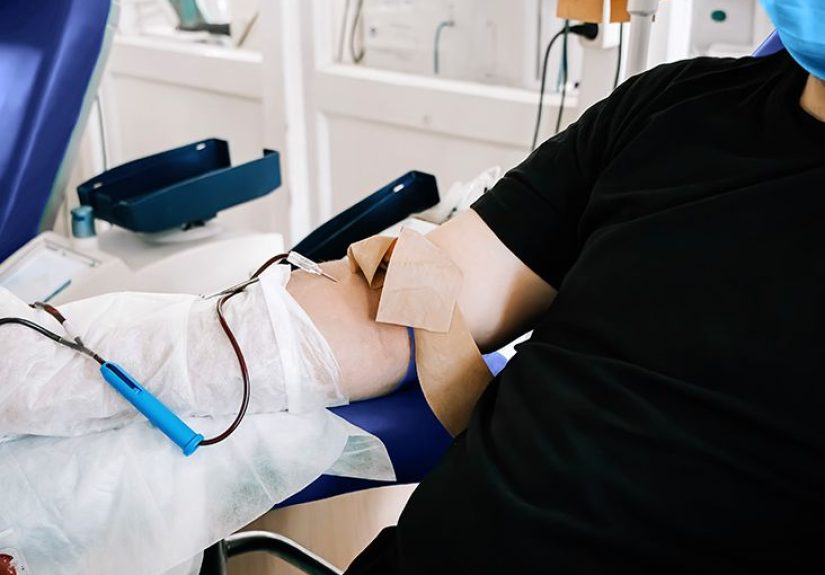
A hemoglobin test is usually simple: a blood sample is drawn from a vein or, in some settings, collected by finger prick. The result is reported in grams per deciliter, written as g/dL. Most people see hemoglobin listed as “Hgb” or “Hb” on lab reports.
If hemoglobin is abnormal, the next step often depends on the rest of the CBC. For example, small red blood cells may suggest iron deficiency or thalassemia. Large red blood cells may point toward vitamin B12 or folate deficiency, liver disease, or certain medications. A high red cell distribution width, or RDW, may indicate that red blood cells vary widely in size, which can happen when the body is trying to correct anemia.
Follow-Up Tests Your Provider May Consider
Depending on the situation, follow-up testing may include ferritin, serum iron, total iron-binding capacity, transferrin saturation, vitamin B12, folate, reticulocyte count, kidney function tests, liver tests, thyroid tests, stool testing for hidden blood, inflammatory markers, or hemoglobin electrophoresis. These tests help identify the “why” behind the hemoglobin number. Treating the number without finding the cause is like mopping the floor while the sink is still overflowing.
How to Support Healthy Hemoglobin
The best way to support healthy hemoglobin depends on the cause of the problem. If hemoglobin is normal, general habits that support blood health include eating a balanced diet, staying hydrated, avoiding smoking, managing chronic conditions, and getting routine checkups when recommended.
Iron-Rich Foods
Iron-rich foods include lean red meat, poultry, seafood, beans, lentils, tofu, spinach, fortified cereals, pumpkin seeds, and eggs. Heme iron from animal foods is generally absorbed more easily than non-heme iron from plant foods. That does not mean plant-based eaters are doomed to anemia; it means they may need to plan more carefully.
Vitamin C can help improve absorption of non-heme iron. Pairing beans with peppers, spinach with citrus, or fortified cereal with strawberries can give your meal a helpful boost. On the other hand, tea, coffee, calcium supplements, and some high-fiber foods may reduce iron absorption when consumed at the same time as iron-rich meals or supplements.
Do Not Self-Prescribe Iron Without Testing
Iron supplements can be useful when iron deficiency is confirmed, but taking iron when you do not need it can cause side effects and, in some cases, harmful iron overload. Supplements can also interact with certain medications. If your hemoglobin is low, it is smarter to test first, ask why, and then treat the actual cause.
Treatment Options Depend on the Cause
Treatment for abnormal hemoglobin is not one-size-fits-all. Iron deficiency may be treated with diet changes, oral iron, or sometimes intravenous iron. Vitamin B12 deficiency may require oral supplements or injections, depending on the cause. Folate deficiency may require folic acid and dietary improvements. Chronic kidney disease-related anemia may involve iron treatment, erythropoiesis-stimulating medications, and management of kidney disease.
If blood loss is the issue, the source must be found and treated. That may mean addressing heavy menstrual bleeding, evaluating digestive symptoms, treating ulcers, or investigating other causes. In severe anemia, blood transfusion may be needed, but that decision depends on symptoms, hemoglobin level, medical history, and clinical judgment.
High hemoglobin treatment also depends on the reason. Dehydration may improve with fluids. Smoking-related elevation may improve with smoking cessation. Lung or heart disease needs targeted medical care. Polycythemia vera may require specialized treatment from a hematologist.
When to Contact a Healthcare Provider
Talk with a healthcare provider if you have persistent fatigue, shortness of breath, dizziness, fainting, chest pain, rapid heartbeat, unusually pale skin, black or bloody stools, heavy menstrual bleeding, unexplained weight loss, or a hemoglobin result outside your lab’s reference range. Seek urgent care for severe shortness of breath, chest pain, fainting, confusion, or signs of major bleeding.
Also contact a provider before starting iron supplements, especially for children, pregnant people, older adults, people with chronic diseases, and anyone taking regular medications. Hemoglobin is important, but it is only one part of the health puzzle.
Common Myths About Hemoglobin
Myth 1: If You Are Tired, You Definitely Have Low Hemoglobin
Fatigue can come from anemia, but it can also come from poor sleep, stress, thyroid disease, depression, infection, vitamin deficiencies, dehydration, medication effects, and many other causes. A CBC can help narrow the possibilities.
Myth 2: More Iron Always Means Better Blood
Not always. Iron helps when iron deficiency is present. But if low hemoglobin is caused by B12 deficiency, kidney disease, inflammation, inherited disorders, or blood loss, iron alone may not solve the problem. Too much iron can also be harmful.
Myth 3: High Hemoglobin Means You Are Extra Healthy
High hemoglobin can be a normal adaptation in some settings, such as high-altitude living, but it can also signal dehydration, smoking-related oxygen stress, lung disease, heart disease, or bone marrow disorders. Context is everything.
Practical Examples: How Hemoglobin Clues Work
Imagine a person with heavy periods, fatigue, and a CBC showing low hemoglobin with small red blood cells. That pattern may suggest iron deficiency from ongoing blood loss. Now imagine another person with low hemoglobin, large red blood cells, and numbness or tingling. That pattern may push a provider to check vitamin B12. A third person may have high hemoglobin, a smoking history, and shortness of breath, prompting evaluation of oxygen levels and lung health.
The number matters, but the story around the number matters just as much. Symptoms, diet, medications, family history, menstrual history, digestive symptoms, kidney function, and lifestyle can all change the interpretation.
Experience Section: Real-Life Lessons About Hemoglobin
Many people first hear about hemoglobin after a routine blood test, and the experience can feel confusing. One person might open a lab portal, see a bold red “L” next to hemoglobin, and immediately assume something terrible is happening. Another might see a mildly high result and wonder if they have suddenly developed superhero blood. In real life, hemoglobin results often require calm interpretation, not panic-clicking through every possible disease on the internet at midnight.
A common experience is the “slow fade” of iron deficiency. People do not always wake up one morning feeling dramatically different. Instead, they start needing more coffee, skipping workouts, getting winded on stairs, or blaming stress for everything. A student may notice that concentrating feels harder. A parent may feel exhausted before lunch. An athlete may wonder why their usual run feels like dragging a shopping cart through wet sand. When testing finally shows low hemoglobin or low iron stores, the result can be oddly validating: the tiredness was not laziness; the body was genuinely short on oxygen-carrying support.
Another real-world lesson is that food habits matter, but they are not the whole story. Someone may eat plenty of spinach and still develop iron deficiency because their body is losing blood or not absorbing iron well. Someone else may eat meat regularly but have low hemoglobin due to chronic inflammation, kidney disease, or vitamin B12 deficiency. This is why “just eat more iron” is sometimes helpful and sometimes about as useful as telling a phone with a cracked screen to “try being brighter.” The right solution depends on the cause.
People also learn that supplements are not always simple. Iron pills may cause constipation, nausea, or stomach discomfort. Some people tolerate one form better than another. Others need intravenous iron under medical care. Vitamin B12 deficiency may improve with supplements, but if absorption is poor, injections or higher-dose therapy may be needed. Treatment is not a moral test; it is a practical plan matched to the body’s needs.
High hemoglobin has its own surprises. A person who lives at altitude may have a higher number that is expected for their environment. A smoker may have high hemoglobin because the body is compensating for reduced oxygen delivery. Someone dehydrated during a blood draw may show a temporarily concentrated result. And in less common cases, high hemoglobin may lead to further evaluation for lung, heart, sleep, or bone marrow conditions.
The biggest experience-based takeaway is simple: hemoglobin is a useful signal, not a final verdict. A slightly abnormal result does not automatically mean disaster, and a normal result does not explain every symptom. The best next step is usually a conversation with a healthcare provider, a look at the full CBC, and follow-up testing when needed. Your blood is telling a story; hemoglobin is one important sentence, not the entire book.
Conclusion
Hemoglobin is one of the most important measurements in a blood test because it reflects how well red blood cells can carry oxygen through the body. Normal hemoglobin levels vary by age, sex, pregnancy status, altitude, hydration, and lab reference range. Low hemoglobin often points to anemia, with causes ranging from iron deficiency and blood loss to kidney disease, inflammation, vitamin deficiencies, and inherited conditions. High hemoglobin can occur with dehydration, smoking, high altitude, lung disease, sleep-related breathing problems, or bone marrow disorders.
The key is not to treat hemoglobin as an isolated number. It should be interpreted alongside symptoms, medical history, diet, medications, and other lab results. If your hemoglobin is outside the normal range, do not panicbut do not ignore it either. A well-timed checkup can uncover treatable causes and help you get your energy, breathing, and overall health back on track.
Note: This article is for educational purposes only and does not replace medical advice, diagnosis, or treatment. Anyone with abnormal hemoglobin results or concerning symptoms should consult a qualified healthcare professional.