Table of Contents >> Show >> Hide
- What Is Gluten, Exactly?
- So, Is Cheese Gluten Free?
- Cheeses That Are Usually Gluten Free
- Cheese Products That May Contain Gluten
- How to Read Cheese Labels for Gluten
- What About Cross-Contact?
- Is Lactose the Same as Gluten?
- Best Gluten-Free Cheese Choices
- Common Cheese Situations: Safe or Risky?
- Practical Shopping Checklist
- of Real-Life Experience: Eating Cheese Gluten Free Without Losing Your Mind
- Conclusion
Cheese has a way of making almost everything better. A plain baked potato? Add cheddar. A salad feeling a little shy? Crumble on feta. A burger looking lonely? Give it a slice of Swiss and watch its confidence return. But if you follow a gluten-free diet, especially because of celiac disease, gluten sensitivity, or wheat allergy, one question deserves a clear answer: Is cheese gluten free?
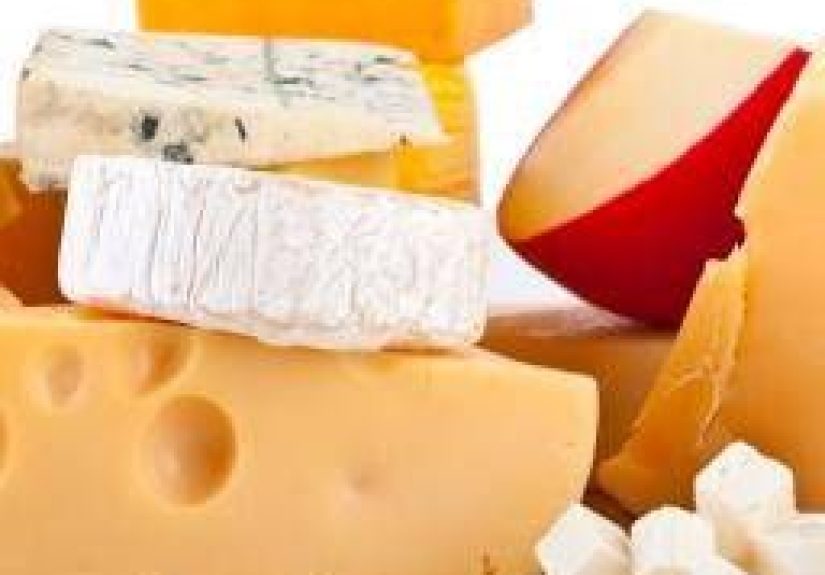
The short answer is yes: most plain cheese is naturally gluten free. Cheese is made primarily from milk, cultures, enzymes, and salt, none of which naturally contain gluten. Gluten is a protein found in wheat, barley, rye, and triticale, not in dairy. So your classic block of cheddar, mozzarella, Parmesan, Gouda, Brie, Monterey Jack, Swiss, and many other plain cheeses are usually safe for a gluten-free diet.
But here is where the cheese board gets a little dramatic: not every cheese product is just cheese. Some flavored cheeses, processed cheese spreads, pre-shredded cheeses, cheese sauces, dips, and restaurant cheese dishes may include gluten-containing ingredients or face cross-contact during preparation. In other words, cheese itself is usually innocent, but its friends at the party may be suspicious.
Note: This article is for general educational purposes. If you have celiac disease, a wheat allergy, or severe gluten sensitivity, always follow your healthcare provider’s guidance and check product labels carefully.
What Is Gluten, Exactly?
Gluten is a group of proteins naturally found in certain grains, especially wheat, barley, rye, and triticale. It helps dough stretch, gives bread its chewy texture, and makes baked goods hold together instead of collapsing into a sad pile of crumbs. For most people, gluten is not harmful. For people with celiac disease, however, gluten can trigger an immune reaction that damages the small intestine. For people with non-celiac gluten sensitivity, gluten-containing foods may cause digestive or other symptoms, even without the same autoimmune damage. People with wheat allergy must avoid wheat for a different immune-related reason.
Because cheese comes from milk rather than gluten-containing grains, plain cheese does not naturally contain gluten. That is why dairy products such as milk, butter, plain yogurt, and unprocessed cheese are commonly listed among naturally gluten-free foods. The concern begins when cheese is processed, flavored, mixed into recipes, or handled in kitchens where flour and bread crumbs are flying around like tiny gluten confetti.
So, Is Cheese Gluten Free?
In most cases, yes. Plain, traditional cheese is gluten free. This includes many popular varieties such as cheddar, mozzarella, Parmesan, provolone, Colby, Monterey Jack, Swiss, goat cheese, feta, Gouda, Havarti, Brie, Camembert, ricotta, and fresh mozzarella. These cheeses are typically made from milk, bacterial cultures, enzymes or rennet, and salt.
However, “cheese” on a package can mean many things. A wedge of aged cheddar is not the same as a shelf-stable cheese dip, powdered cheese packet, frozen stuffed snack, or beer cheese soup. The more ingredients a product has, the more important label reading becomes.
Cheeses That Are Usually Gluten Free
Hard and Aged Cheeses
Hard and aged cheeses are among the safest choices for gluten-free eaters when they are plain and unflavored. Examples include cheddar, Parmesan, Romano, Asiago, aged Gouda, manchego, and Swiss. These cheeses usually have simple ingredient lists and are not made with wheat, barley, or rye.
Soft Cheeses
Soft cheeses such as Brie, Camembert, goat cheese, mascarpone, fresh mozzarella, and cream cheese are generally gluten free when plain. Cream cheese usually does not contain gluten, but flavored versions may include additives, seasonings, or mix-ins that need a second look.
Fresh Cheeses
Ricotta, cottage cheese, queso fresco, paneer, and farmer cheese are often gluten free, but they deserve more label attention than a plain block of cheddar. Some brands may use stabilizers or modified food starch. In the United States, wheat must be clearly identified as a major allergen on packaged food labels, but barley and rye may be less obvious. When in doubt, choose a product labeled gluten free or contact the manufacturer.
Blue Cheese
Blue cheese causes the most confusion. Some people worry because mold cultures used for blue cheese were historically associated with bread-based media. Today, most blue cheeses are considered gluten free, and many celiac organizations treat blue cheese as generally safe. Still, anyone with celiac disease who is highly sensitive should read labels, choose brands that clearly state gluten-free status, or ask the manufacturer how the cheese is produced.
Cheese Products That May Contain Gluten
Plain cheese is usually simple. Cheese products, on the other hand, can be a mystery novel with a dairy subplot. Here are the biggest categories to check carefully.
Pre-Shredded Cheese
Pre-shredded cheese often contains anti-caking agents to keep the shreds from clumping into one giant cheese brick. Many anti-caking ingredients are gluten free, such as potato starch, cornstarch, or cellulose. However, because ingredients vary by brand, it is still smart to read the label. If a package says “gluten free,” it must meet FDA gluten-free labeling standards in the United States.
Processed Cheese and Cheese Spreads
Processed cheese slices, shelf-stable cheese spreads, pub cheese, and spray cheese may contain additional ingredients, flavorings, stabilizers, or thickeners. Many are gluten free, but not all. Look for terms such as wheat, barley malt, malt flavoring, wheat starch, breadcrumbs, cracker crumbs, or beer. If any of those appear, step away from the cheese spread like it just asked to borrow money.
Flavored Cheese
Garlic herb cheese, taco cheese, jalapeño cheese, smoked cheese, bacon cheddar, and dessert-style cheese spreads can be gluten free, but flavor blends are where gluten can sneak in. Seasoning mixes sometimes contain wheat-based ingredients or malt derivatives. Always check the ingredient list, especially with bold flavors that sound like they arrived wearing sunglasses.
Cheese Sauces and Dips
Cheese sauce is one of the biggest gluten traps. Many cheese sauces are thickened with flour or made with a roux, which is a mixture of fat and wheat flour. Nacho cheese sauce, macaroni and cheese sauce packets, queso dips, canned cheese soups, and restaurant cheese sauces should never be assumed gluten free unless confirmed.
Cheese With Add-Ins
Cheese balls rolled in crackers, cheese spreads with pretzel pieces, beer cheese, breaded mozzarella sticks, cheese-filled pastries, and frozen cheese snacks often contain gluten. The cheese inside may be gluten free, but the coating, crust, or mix-in may not be.
How to Read Cheese Labels for Gluten
Reading labels is the gluten-free eater’s superpower. You do not need a cape, but a little patience helps. Start by checking for a “gluten free” claim. In the United States, foods labeled “gluten free” must meet FDA standards, including containing less than 20 parts per million of gluten.
Next, scan the ingredient list. Watch for obvious gluten terms such as wheat, barley, rye, malt, brewer’s yeast, wheat starch, wheat flour, breadcrumbs, cracker meal, and soy sauce made with wheat. Be careful with “malt,” because it is commonly made from barley. Modified food starch is usually identified if it comes from wheat in the U.S., but if you are unsure, choose a different product or contact the brand.
Also check allergen statements. Wheat is one of the major allergens that must be declared on U.S. packaged foods. However, gluten can also come from barley or rye, which are not labeled as major allergens in the same way. That is why the ingredient list still matters.
What About Cross-Contact?
Cross-contact happens when a gluten-free food touches gluten-containing food or surfaces. This matters especially for people with celiac disease. A plain slice of cheese may be gluten free, but if it is cut on the same board used for wheat crackers, served with breaded appetizers, or scooped from a buffet tray full of crumbs, it may no longer be safe.
At home, use clean knives, cutting boards, and containers. Avoid dipping a cracker-covered knife into a shared cheese spread. If you live with gluten-eating family members, consider keeping separate cheese tubs or using squeeze bottles and individual portions. It sounds fussy until you realize the alternative is playing “guess what made my stomach angry” for the next two days.
At restaurants, ask direct questions. Is the cheese sauce thickened with flour? Are the fries or cheese curds fried in shared oil with breaded foods? Is the salad prepared on a clean surface? Does the kitchen have a gluten-free protocol? A good restaurant will not act offended. A great restaurant will answer clearly. A suspicious restaurant will say, “It should be fine,” which is not the same as “It is gluten free.”
Is Lactose the Same as Gluten?
No. Lactose and gluten are completely different. Gluten is a protein found in certain grains. Lactose is a sugar found in milk and dairy products. Someone can be gluten free and still eat dairy. Someone can be lactose intolerant and still eat gluten. Someone can also have both issues, because life occasionally has the organization skills of a junk drawer.
Some people newly diagnosed with celiac disease may temporarily have trouble digesting lactose because intestinal damage can affect lactase, the enzyme that helps break down lactose. As the gut heals on a strict gluten-free diet, some people tolerate dairy better again. Aged cheeses such as cheddar, Swiss, and Parmesan are naturally lower in lactose than milk, which is one reason many lactose-sensitive people tolerate them better.
Best Gluten-Free Cheese Choices
If you want to keep things simple, choose plain cheese with short ingredient lists. A block of cheddar, fresh mozzarella, plain goat cheese, Parmesan wedge, Swiss slices, or plain feta is usually easier to verify than a flavored cheese product. Certified gluten-free or clearly labeled gluten-free products are especially helpful for people with celiac disease.
For snacking, pair cheese with gluten-free crackers, fruit, nuts, vegetables, or rice cakes. For cooking, use plain shredded cheese or shred your own from a block to reduce uncertainty. For sauces, make a gluten-free roux with cornstarch, potato starch, rice flour, or a labeled gluten-free all-purpose flour blend instead of wheat flour.
Common Cheese Situations: Safe or Risky?
Cheeseburger
The cheese is probably gluten free. The bun is not, unless it is gluten free. Also check the burger seasoning, sauces, and grill cross-contact.
Pizza Cheese
Mozzarella is usually gluten free, but regular pizza crust contains wheat. Gluten-free pizza still needs careful handling to avoid shared surfaces, cutters, and ovens full of flour dust.
Mac and Cheese
Traditional macaroni is made from wheat, and many cheese sauces use flour. Use gluten-free pasta and a gluten-free sauce method.
Charcuterie Board
Cheese may be gluten free, but crackers, breadsticks, flavored meats, and shared knives can create cross-contact. Build a separate gluten-free section first, before crumbs invade like tiny villains.
Cheese Fries
The cheese sauce may be thickened with flour, and fries may be cooked in shared oil. Ask before ordering.
Practical Shopping Checklist
- Choose plain cheese first: cheddar, Swiss, mozzarella, Parmesan, Gouda, Brie, feta, and goat cheese are usually gluten free.
- Look for a gluten-free label when buying processed, flavored, shredded, or spreadable cheese.
- Check ingredients for wheat, barley, rye, malt, beer, breadcrumbs, cracker crumbs, and wheat starch.
- Be careful with cheese sauces, dips, soups, and restaurant dishes.
- Prevent cross-contact by using clean utensils, boards, and storage containers.
- When in doubt, contact the manufacturer or choose a simpler product.
of Real-Life Experience: Eating Cheese Gluten Free Without Losing Your Mind
In real life, eating gluten free is not just about memorizing lists. It is about standing in the grocery aisle, holding two bags of shredded mozzarella, wondering why one has five ingredients and the other reads like it was assembled by a food science committee. The good news is that cheese can be one of the easier foods to enjoy gluten free once you know what to look for.
One useful habit is to build a “safe cheese routine.” For everyday meals, keep a few reliable plain cheeses in the refrigerator: a block of cheddar, a ball of mozzarella, a wedge of Parmesan, and maybe some feta or goat cheese. Blocks are especially helpful because they usually have fewer additives than highly processed products, and you can shred or slice them yourself. It takes a little extra time, but it also gives you fresher flavor and fewer label-reading headaches.
Another experience many gluten-free eaters share is learning that restaurants require more questions than grocery stores. At home, you can control the cutting board, the knife, and the ingredients. At a restaurant, the cheese on your salad may be safe, but the crouton crumbs nearby may not be. The queso may sound gluten free, but it could be thickened with flour. The fries with cheese may look harmless, but shared fryer oil can be a problem. The best approach is polite but specific: “Is the cheese sauce made with wheat flour?” or “Can this be prepared away from bread and crumbs?” Specific questions get better answers than “Is this gluten free?”
Cheese boards are another common situation. They can be gluten-free heaven or crumb-covered chaos. If you are hosting, set out gluten-free crackers in a separate bowl and give each cheese its own knife. If you are visiting someone else, bring a small gluten-free cheese plate you can enjoy before regular crackers touch everything. It may feel overly careful at first, but it is much easier than trying to rescue Brie from a pile of wheat cracker crumbs.
For families, shared cheese spreads can be tricky. A tub of cream cheese may start gluten free on Monday and become unsafe by Tuesday if someone uses a bagel knife in it. The easiest fix is labeling one container “gluten free” or using squeeze-style packaging when available. Separate butter, peanut butter, jam, and cheese spreads can prevent many accidental gluten exposures.
Finally, do not let gluten-free living make food joyless. Cheese is still on the menu. You can make gluten-free grilled cheese with certified gluten-free bread, bake gluten-free mac and cheese, add Parmesan to risotto, melt mozzarella over roasted vegetables, or create a snack plate with cheese, apples, grapes, nuts, and gluten-free crackers. The goal is not to fear cheese; it is to understand where gluten can sneak in around it. Once you learn the patterns, choosing safe cheese becomes less stressful and much more delicious.
Conclusion
So, is cheese gluten free? Most plain cheese is naturally gluten free because it is made from dairy, not wheat, barley, rye, or triticale. Classic cheeses such as cheddar, mozzarella, Parmesan, Swiss, Brie, Gouda, feta, and goat cheese are usually safe choices when they are plain and properly handled. The real caution applies to processed cheese products, flavored cheeses, shredded cheese, cheese sauces, dips, restaurant dishes, and anything that may be exposed to gluten through ingredients or cross-contact.
The smartest strategy is simple: choose plain cheeses often, read labels every time, trust gluten-free labeling when available, and ask clear questions when eating out. Cheese can absolutely fit into a gluten-free lifestyle. You just need to make sure it is not dragging wheat flour, malt flavoring, or cracker crumbs along for the ride.