Table of Contents >> Show >> Hide
- Meet the African Iris (It’s Not a “True Iris,” and That’s Fine)
- Quick Care Snapshot
- Choose Your “African Iris”: Popular Types in U.S. Gardens
- Light: The Bloom Dial You Can Actually Control
- Soil & Drainage: The “Don’t Skip This” Part
- How to Plant African Iris (In-Ground, the Easy Way)
- Watering: Establishment vs. “I Forgot for a Week”
- Fertilizer & Mulch: Enough to Help, Not Enough to Create a Leaf Monster
- Pruning & Maintenance (Please Don’t Give It a Flat-Top Haircut)
- Propagation: How to Make More African Iris Without Buying More African Iris
- Pests & Diseases: What to Watch For (Usually Not Much)
- Cold Weather Care & Overwintering
- Landscape Ideas: Where African Iris Shines
- Pet & Kid Safety Note
- Real-World Experiences: What Gardeners Learn After Year One (About )
- Conclusion
African iris is the kind of plant that makes you look like you know what you’re doingeven when you’re still
Googling “what is mulch” at midnight. It’s tough, evergreen in warm climates, flowers on and off through the year,
and shrugs at a lot of the mistakes beginners make (except the one where you plant it in soggy clay and then
“water it daily for love”we’ll fix that).
In the U.S., “African iris” usually means Dietesmost commonly Dietes iridioides (white flowers) or
Dietes bicolor (soft yellow flowers). You’ll also hear the nicknames “fortnight lily” (because it tends to bloom in bursts)
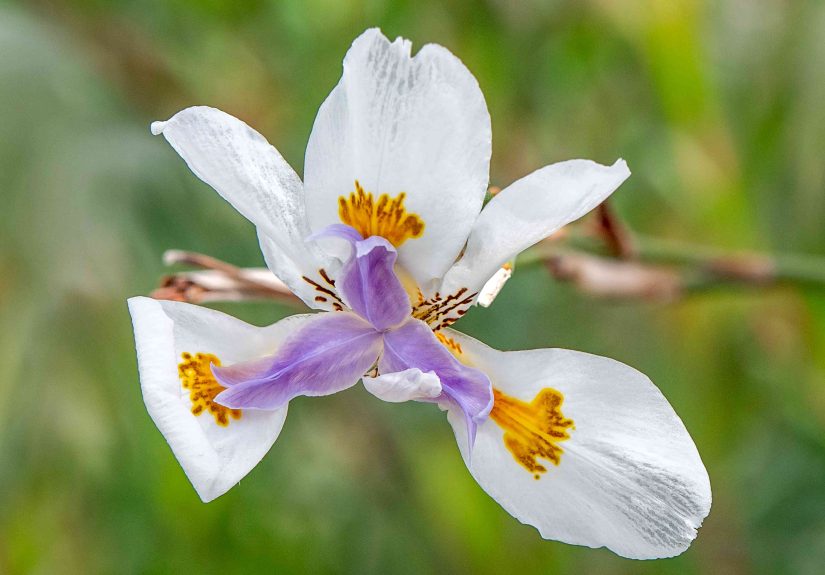
and “butterfly iris” (because the blooms look like little winged visitors landing on stalks).
Meet the African Iris (It’s Not a “True Iris,” and That’s Fine)
African iris belongs to the iris family (Iridaceae), but it’s in the genus Dietes, not Iris.
Translation: you get iris-like flowers without the diva-level demands of some classic irises.
In warm regions, it’s a workhorse perennial for borders, mass plantings, and even wetter garden spots.
Each bloom is short-livedoften a day or twobut the plant produces more buds and keeps the show going in cycles.
Quick Care Snapshot
- Best for: low-maintenance borders, mass plantings, patio containers, and (for some types) water-garden edges
- USDA zones: generally 8–11 (varies a bit by species/cultivar and local winter lows)
- Light: full sun to partial shade (more sun = more blooms)
- Soil: adaptable, but best in well-drained soil with organic matter
- Water: regular while establishing; drought-tolerant once established (but looks better with occasional deep watering)
- Size: typically 2–4 feet tall in the landscape, forming clumps that gradually widen over time
Choose Your “African Iris”: Popular Types in U.S. Gardens
Dietes iridioides (White African Iris / Fortnight Lily)
This is the classic “white with a little yellow-and-blue drama” flower. It forms upright, fan-like clumps and can be evergreen where winters are mild.
It’s commonly used as a border plant or groundcover-like mass planting, and it handles sun or shade (with better flowering in brighter light).
Dietes bicolor (Yellow African Iris / Peacock Flower)
This one throws pale yellow flowers with darker markings near the center. It’s also clump-forming and evergreen in warm areas.
Many growers like it for a softer color paletteespecially in hot, bright landscapes where pastel shades don’t look washed out.
A note on “wet spots”
You’ll see mixed advice online because different Dietes types tolerate moisture differently, and local conditions matter.
In many U.S. guides, African iris is described as handling wetter environments wellsometimes even used near ponds or in rain-garden style plantings
as long as oxygen can still reach the roots and the plant isn’t sitting in stagnant muck forever. If your site stays wet for days at a time, treat it like a
“water-garden edge” planting: amend, mound, or choose the most moisture-tolerant placement (and avoid the low, soupy spot where nothing drains).
Light: The Bloom Dial You Can Actually Control
African iris is flexible: it will grow in full sun, partial shade, and even brighter shade. But flowering is where you’ll see the difference.
If you want more blooms, give it more sunideally at least a half day of direct light.
- Full sun: most flowers, sturdier clumps (may need a bit more irrigation in hot inland summers)
- Part shade: fewer blooms, but foliage can look fresher in humid or scorch-prone areas
- Deep shade: mostly foliage, minimal flowersstill handsome, just not a nonstop flower factory
Soil & Drainage: The “Don’t Skip This” Part
African iris will tolerate many soil types, but it performs best when roots get both moisture and airwhich is gardener-speak for:
“Don’t plant it in a bathtub.” Heavy clay isn’t a dealbreaker, but you’ll want to improve the planting area so it drains and roots can expand.
Simple soil upgrade (works in most yards)
- Dig the planting area wider than the root mass (aim for 2–3 times as wide).
- Mix in compost to improve structure and drainage.
- If your soil is extremely dense, plant slightly high (1–2 inches above grade) and slope soil away from the crown.
Container growers: use a high-quality potting mix that drains well, and make sure the pot has drainage holes.
African iris is many things, but it is not a submarine.
How to Plant African Iris (In-Ground, the Easy Way)
- Pick your spot: full sun to partial shade, with room for the clump to widen over time.
- Dig a wide hole: wider than deep is the goal.
- Set the plant at the right height: keep the crown at soil level (or slightly high if drainage is questionable).
- Backfill & firm gently: no need to pack it like you’re shipping a fragile vase.
- Water deeply: to settle soil around roots.
- Mulch: a 2–3 inch layer helps hold moisture and reduces weeds (keep mulch off the crown).
Spacing tips
If you want a quicker “full” look, plant clumps closer. If you want less maintenance and fewer future divisions, give them room.
A common landscape approach is to space plants so mature clumps just touch after a couple of seasons.
How to grow African iris in containers
African iris can thrive in pots, especially if you’re in a colder zone and want to move it under protection for winter.
Choose a container with excellent drainage and enough width for the plant’s clumping habit.
- Pot size: start with a container that gives at least a few inches of space around the root mass
- Light: bright light outdoors; indoors, a bright window (avoid dark corners)
- Water: containers dry fastercheck soil regularly, especially in summer
- Repotting: when roots crowd the pot or the center declines, divide and replant
Watering: Establishment vs. “I Forgot for a Week”
The secret to African iris success is understanding two phases: establishing and established.
Most plant-care heartbreak happens when we treat a brand-new plant like it’s already tough enough to survive your “busy schedule.”
Phase 1: The first 6–10 weeks (establishment)
Water regularly so roots grow outward into the surrounding soil. A practical rule:
water deeply, then let the top inch or two of soil begin to dry before watering again.
In hot or windy weather, that may be more frequent; in cooler or rainy weather, less.
Phase 2: After it’s established
Once the plant is rooted in, it becomes more drought-tolerant. That doesn’t mean “never water again.”
Think of it like a low-maintenance friend: it won’t text you daily, but it still appreciates a check-in.
Deep watering during extended drought improves bloom and keeps foliage looking fresher.
Signs you’re watering wrong (and how to fix it)
- Yellowing, limp growth, or a funky smell near the crown: too wet; improve drainage and water less often.
- Brown tips and slow growth in peak heat: could be drought stress or salt buildup; water deeply and flush soil occasionally.
- Great leaves, no flowers: often too much shade, too much nitrogen fertilizer, or too much constant moisture.
Fertilizer & Mulch: Enough to Help, Not Enough to Create a Leaf Monster
African iris is not a heavy feeder. In many U.S. garden guides, a light feeding in springand sometimes again in midsummeris plenty.
Overdoing it (especially with high nitrogen) can give you gorgeous leaves and fewer flowers.
Easy feeding plan
- In-ground: apply a balanced, slow-release fertilizer in spring; repeat in midsummer if growth is slow or soil is poor.
- Containers: use a slow-release fertilizer labeled for containers, or a diluted liquid feed during active growth.
Mulch helps keep soil moisture steady, reduces weeds, and protects roots from temperature swings.
Just keep mulch a couple of inches away from the plant crown to avoid rot.
Pruning & Maintenance (Please Don’t Give It a Flat-Top Haircut)
African iris looks best with selective cleanup, not a “buzzcut.” The evergreen, strap-like leaves can look ragged at the tips after wind, frost,
or enthusiastic pets doing parkour nearby. You can trim brown tips for cosmetics, but avoid shearing the whole clump into a perfect rectangle.
That kind of haircut often leaves every cut leaf tip browned and the plant looking perpetually annoyed.
Routine maintenance checklist
- Remove spent flower stalks once they’re truly finished (many stalks produce multiple blooms over time).
- Snip out dead or damaged leaves at the base for a clean look.
- Thin or divide when clumps get crowded (every few years is common).
What about seed pods?
African iris can form seed pods that weigh down stalks. If you don’t want seedlings, remove pods before they dry and split.
If you want to keep the plant tidy but still allow a stalk to finish blooming, remove pods carefully without cutting the entire stalk too early.
Propagation: How to Make More African Iris Without Buying More African Iris
You have two main options: division (fast and reliable) and seed (slow but satisfying).
Most gardeners prefer division because it’s quicker and produces a plant identical to the parent.
Propagation by division (the go-to method)
- Choose timing: mild weather is easiestspring or early fall in many regions.
- Dig the clump: lift as much of the root/rhizome mass as you can.
- Split it: use a sharp spade or knife to divide into sections with healthy roots and fans of leaves.
- Refresh the divisions: remove dead, woody bits and any mushy sections.
- Replant: at the same depth as before, water well, and mulch lightly.
Propagation by seed (for patient people and science-fair energy)
If you let pods mature, they’ll eventually dry and release seeds. Start seeds in a well-draining seed mix, keep lightly moist,
and give bright light. Seed-grown plants can take longer to reach flowering size, but it’s a fun way to expand a planting
or share with friends who accept plant gifts like normal people accept cookies.
Pests & Diseases: What to Watch For (Usually Not Much)
African iris is often described as low-maintenance with few serious pest problems, but “few” isn’t the same as “never.”
Most issues come from conditions: too wet, too crowded, too shady, or too much fertilizer.
Common issues and fixes
- Root/crown rot: usually from soggy soil or poor drainage. Fix drainage, water less often, and avoid burying the crown.
- Rust or leaf spots: more likely with crowding and poor airflow. Thin the clump, remove badly affected leaves, and water at the soil line.
- Scale or aphids: occasional on stressed plants. Improve plant health first; wash off with water or treat lightly if needed.
-
“It’s not blooming” syndrome: usually too much shade, too much nitrogen, or too much constant moisture. Increase light, ease up on fertilizer,
and switch to deeper, less frequent watering once established.
Cold Weather Care & Overwintering
In much of the U.S., African iris is reliably perennial in the warmer zones, but it’s not truly winter-hardy everywhere.
If you’re in a colder region, you have options: grow it in containers and move it, treat it as a seasonal accent,
or dig and overwinter divisions in a protected location (cool, dry, and above hard-freeze temperatures).
Cold snap tips
- Mulch before a hard freeze: helps protect roots.
- Expect leaf burn: foliage can brown in cold; remove damaged leaves after danger of severe frost passes.
- Container strategy: move pots to a sheltered spot (garage with light, covered porch, or bright indoor window) during the coldest weeks.
Landscape Ideas: Where African Iris Shines
African iris is a “design helper” plant: it adds structure, fills space, and offers repeat blooms without demanding constant attention.
Here are a few smart ways to use it:
- Border backbone: line pathways or beds for a clean, architectural edge.
- Mass planting: use multiple clumps for a low-maintenance, grassy evergreen look with surprise blooms.
- Accent near hardscape: softens fences, walls, and patiosespecially in bright shade.
- Moist areas (carefully): place near rain-garden edges or pond zones where soil stays consistently moist but not stagnant.
- Containers: perfect for patios, rentals, or “I might move next year” gardeners.
Pet & Kid Safety Note
Many plants in the iris family can irritate the mouth and stomach if chewed, especially the thicker underground parts.
If your pets are enthusiastic nibblers (or your toddler’s hobby is “taste-testing landscaping”), place African iris where it’s less accessible.
When in doubt, ask your veterinarian or local extension office what’s safest for your household.
Real-World Experiences: What Gardeners Learn After Year One (About )
If you read plant tags, African iris sounds like a superhero: “drought tolerant,” “easy care,” “low maintenance.”
All trueeventually. But gardeners who really love this plant tend to share the same handful of lessons after living with it through a full season.
Consider this the group-chat version of African iris care: fewer rules, more reality.
1) The first weeks decide the future. A common experience is that newly planted clumps look “fine” for a while, then stall.
That’s often because roots are still establishing. Gardeners who water deeply and consistently early on usually report better long-term results:
fuller clumps, faster recovery after heat, and earlier bloom cycles. On the flip side, people who plant and ghost it (no judgment)
often end up with smaller plants that take an extra season to look impressive.
2) More sun = more flowers, but afternoon shade can be a cheat code. In hot-summer areas, growers frequently notice a sweet spot:
bright light with a little afternoon protection. Full sun can deliver the most blooms, but in extreme heat it can also mean crispy tips unless irrigation is dialed in.
Many gardeners end up nudging African iris toward morning sun/afternoon shade locations and calling it “intentional design,” which is honestly the best kind of design.
3) The clump gets bigger than you thinkthen it gets bigger than that. The happiest African iris is the one that has room to widen.
A very typical story: someone plants it in a tight strip by a walkway, it behaves for a year, then slowly becomes a green octopus.
The fix most experienced growers swear by is division. Not only does it reduce size, it rejuvenates the plantingespecially if the center gets thin or woody.
Gardeners who divide every few years often say blooming improves afterward, like the plant just got a fresh start and a pep talk.
4) “Deadheading” is different here. People new to Dietes often cut flower stalks the moment one bloom fades.
Then they wonder why the show ends so quickly. Over time, many gardeners learn to let a stalk finish its run because it can hold multiple buds
and bloom in sequence. If seed pods bother you, remove pods while leaving the stalk (when possible) so it can keep producing blooms.
5) Wet spots workif you’re smart about it. Some gardeners report great success near downspouts or rain-garden edges,
especially where soil stays moist but still breathes. Others plant in a low, poorly drained bowl and end up with rot.
The difference is usually drainage and oxygen: “moist” is a friend, “stagnant swamp” is not. The most successful growers tweak grade,
add organic matter, and avoid burying the crownsmall changes that pay off for years.
The big takeaway from real gardens: African iris rewards steady early care, roomy planting, and a light touch with fertilizer.
Once you’ve learned its rhythm, it becomes the plant you recommend to other people with the confidence of someone who owns
at least three pairs of gardening gloves.
Conclusion
To grow and care for African iris successfully, focus on the fundamentals: give it good light, decent drainage, and consistent watering while it establishes.
After that, it’s mostly about occasional cleanup, resisting the urge to over-fertilize, and dividing clumps when they get crowded.
Do those things, and African iris will pay you back with evergreen structure and repeat blooms that make your landscape look polishedwithout demanding your entire weekend.