Table of Contents >> Show >> Hide
- Quick Picks
- How BHG Tested Coffee Makers (and What Actually Matters)
- The 9 Best Coffee Makers (BHG’s Category Winners)
- Best Drip Coffee Machine: OXO Brew 9-Cup Coffee Maker
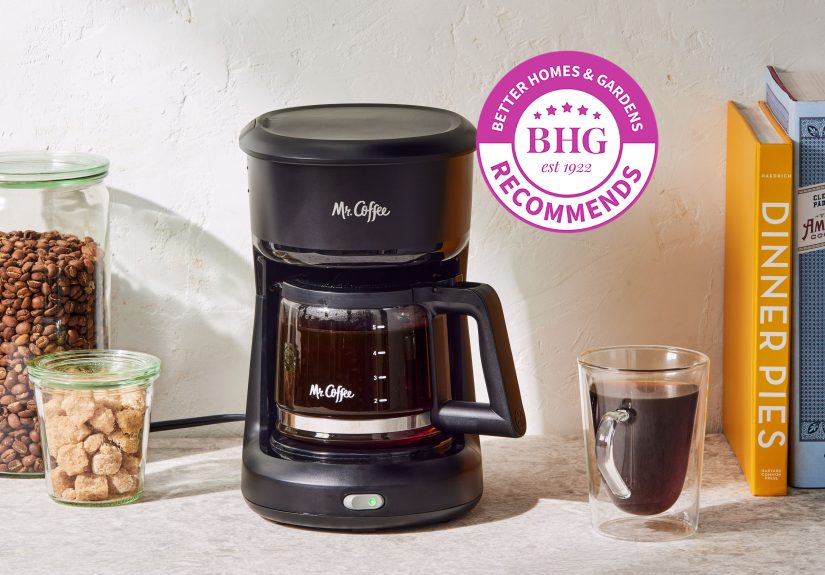
- Best Budget: Mr. Coffee 5-Cup Mini Brew
- Best French Press: Espro P3 French Press
- Best Espresso Machine: Ninja Luxe Café Premier Series
- Best Stovetop Espresso Pot: Bialetti Moka Express
- Best Combination Coffee Maker: Ninja DualBrew Pro System
- Best Single Serve Coffee Maker: Keurig K-Elite
- Best Pour Over Coffee Maker: Hario V60 Ceramic Dripper
- Best Cold Brew Maker: KitchenAid Cold Brew Coffee Maker
- How to Choose the Right Coffee Maker for Your Home
- Care and Maintenance: Keep Your Coffee Tasting Good
- Real-World Coffee Maker Experiences (The Stuff You Learn After the Honeymoon)
- Bottom Line
If your morning coffee routine is “press button, become person,” you’re in good company. But choosing a coffee maker can feel like
trying to order at a third-wave café when you haven’t had caffeine yet: too many options, too many acronyms, too many people saying
“notes of stone fruit” with a straight face.
Better Homes & Gardens (BHG) tested coffee makers across popular stylesfrom drip machines to cold brew systemsand named category winners.
Below, you’ll find BHG’s nine top picks, plus practical buying advice, brew tips, and real-world context pulled from broader expert testing so you can
pick the right brewer for your kitchen (and your level of morning motivation).
How BHG Tested Coffee Makers (and What Actually Matters)
“Best” is a bold word in coffeepeople have ended friendships over decaf. So it helps to know what a test team is actually looking for.
In BHG’s testing, the focus was on performance, taste, design, ease of use, and ease of cleaning. For drip machines in particular,
BHG brewed freshly ground medium-roast coffee at multiple capacities, then tasted again after coffee sat for 30 and 60 minutes (because
real life includes phone calls, meetings, and forgetting your mug in the microwave).
That approach lines up with what many other U.S. review labs prioritize: stable brewing, repeatability, and how coffee tastes after it’s been sitting.
It also matches what coffee organizations emphasize: controlling the big variablesbrew time, water temperature, and water distributionis how you avoid
weak, sour coffee on one end and bitter, burnt coffee on the other.
The “cup” math nobody tells you
Coffee makers measure “cups” in about 5-ounce increments, not the 10–12 oz mug most of us actually use. Translation: a “12-cup”
machine is often around 60 ounces total capacity. If you’ve ever wondered why your “12 cups” barely covered brunch, that’s why.
Our added lens: matching the machine to the human
A coffee maker can be technically excellent and still be wrong for you. A single-serve pod machine might be “worse” by pure flavor metrics,
yet absolutely “best” for the household where everyone runs on a different schedule. So for each pick below, you’ll get:
- Who it’s for (real-life usage)
- Why it wins (the standout performance traits)
- Watch-outs (the thing people ignore until week two)
- How to get better coffee without becoming a coffee scientist
The 9 Best Coffee Makers (BHG’s Category Winners)
Best Drip Coffee Machine: OXO Brew 9-Cup Coffee Maker
Best for: Households that brew full pots regularly and want consistent, “gold-standard” drip coffee without babysitting the process.
Why BHG picked it: In testing, BHG loved the coffee quality across batch sizes and noted the
double-walled stainless steel carafe kept coffee warm for hours. They also found it easy to use, with a dial to choose cup count,
set a timer, and program automatic brewing.
Real-world bonus: The OXO 9-Cup is widely recognized for precision brewing and is associated with the kind of temperature and timing control
that serious reviewers care about. It’s also recognized by the Specialty Coffee Association (SCA) program for meeting brewed-coffee quality requirements,
which is a nice sanity check if you’re spending real money on a drip machine.
Watch-outs: BHG found it performed best with freshly ground coffee. That’s not snobberythat’s chemistry. Pre-ground coffee stales fast,
which can make bitterness and flat flavors more noticeable.
Make it taste even better: Use a burr grinder (even a basic one), measure your coffee-to-water ratio, and rinse your paper filter first.
If your coffee tastes harsh after sitting, pour what you won’t drink right away into a thermal mughot plates tend to push bitterness over time.
Best Budget: Mr. Coffee 5-Cup Mini Brew
Best for: Dorms, apartments, office desks, and anyone who wants “coffee that tastes like coffee” without a second mortgage.
Why BHG picked it: BHG found it surprisingly balanced and easy to usepress the button, get up to five “coffee maker cups,” and move on.
They also called out the compact footprint for small kitchens.
Watch-outs: The tradeoff is the classic hot-plate issue: BHG noted flavor declined as coffee sat, becoming more bitter over time.
Make it taste even better: Brew only what you’ll drink in the next 20–30 minutes, or transfer to an insulated mug. Also, don’t over-pack the basket:
budget machines can’t always compensate for too-fine grinds or heavy dosing.
Best French Press: Espro P3 French Press
Best for: People who like rich, full-bodied coffee but hate the “gritty sludge at the bottom of the cup” lifestyle.
Why BHG picked it: BHG liked the clean, smooth flavor and called out the ultra-fine, double-filter construction that helps keep grit out.
They also said it was easy to assemble and clean (for a French press, which is the nicest thing anyone can say about cleanup).
Watch-outs: BHG’s one gripe was fit: the carafe could sit tighter in the frame. Also, double filtration can mean a few extra rinse-and-clean steps.
Make it taste even better: Use a coarse grind and steep about 4 minutes. If you want less bitterness, don’t “stir like you’re whisking eggs.”
Gentle agitation is plenty; over-agitation can increase fine particles and harshness.
Best Espresso Machine: Ninja Luxe Café Premier Series
Best for: The “I want espresso, cold brew, and drip coffee” household that doesn’t want three appliances hogging the counter.
Why BHG picked it: BHG praised how intuitive it isespecially for espresso beginnersbecause it can guide grind size based on what you’re brewing.
They also highlighted built-in accessory storage and an integrated frother with a cold-foam setting that impressed them.
Watch-outs: BHG noted the version they tested lacked a single-shot setting (though newer versions may add it).
Also: multi-function machines can involve a learning curveespresso always does, no matter how friendly the interface.
Make it taste even better: Espresso rewards consistency. Use fresh beans, keep your dose consistent, and don’t ignore water qualityhard water can dull flavors
and speed up scale buildup. If milk drinks are your thing, practice one milk texture until it’s reliable, then branch out.
Best Stovetop Espresso Pot: Bialetti Moka Express
Best for: Traditionalists, small kitchens, and anyone who wants café-style intensity without an espresso machine footprint (or price).
Why BHG picked it: BHG called it a stylish, traditional option that can make enough concentrated coffee for 2–3 people. It uses a classic three-chamber
design where steam pressure pushes water through the grounds into the top chamber.
Watch-outs: You have to stay presentthis is not “set it and forget it.” Also, BHG noted it’s best hand-washed to keep it in good condition.
Make it taste even better: Use medium-fine grounds (not espresso-fine), keep the heat moderate, and pull it off the burner when you hear the final bubbling.
That last burst can taste harsh if you let it run too long.
Best Combination Coffee Maker: Ninja DualBrew Pro System
Best for: Families and roommates who can’t agree on anythingexcept needing caffeinebecause it handles both grounds and pods.
Why BHG picked it: BHG liked the flexibility: brew a cup with a pod, brew a carafe with grounds, and choose from multiple brew sizes and styles
(including iced and specialty-style concentrate). They also called out the fold-away frother and a separate hot-water system for tea or instant foods.
Watch-outs: Options are great until you’re staring at buttons before sunrise. BHG noted it may take a few tries to get comfortable with all operations.
Make it taste even better: If you’re using pods, try the “rich/bold” settings for more body. For grounds, don’t skip the specialty concentrate setting if you like
milk drinksit’s designed to hold up when you add milk or ice (because watery iced coffee is a crime against summer).
Best Single Serve Coffee Maker: Keurig K-Elite
Best for: Busy mornings, office setups, and anyone who wants a cup fast with minimal cleanup.
Why BHG picked it: Speed and convenience. BHG noted you can brew in under a minute, choose from multiple cup sizes, and use settings for stronger
coffee or iced beverages. They also mentioned the large reservoir so you’re not refilling constantly.
Watch-outs: Pods mean less flexibility (and typically higher cost per cup). BHG also pointed out it’s not as versatile as machines that can brew from grounds.
Make it taste even better: Use the strong setting, preheat your mug with hot water, andif you want to use your own coffeeconsider a compatible reusable pod.
Also, descale regularly; pod machines are notoriously sensitive to mineral buildup.
Best Pour Over Coffee Maker: Hario V60 Ceramic Dripper
Best for: People who enjoy the processyour “coffee ritual” crowdand anyone who wants excellent flavor without a bulky machine.
Why BHG picked it: BHG praised the simple, affordable design and noted the ceramic helps hold temperature while brewing. They also highlighted the V60’s iconic
ribbed walls and single opening, which give you control over flow rate and extraction.
Watch-outs: It’s one cup at a time, and it takes a few extra minutes. Pour-over is less “push button” and more “be present with your feelings.”
Make it taste even better: Use a gooseneck kettle if possible, rinse the filter, and try a simple recipe like 1:16 coffee to water (by weight).
Start with a brief bloom (a small pour to wet grounds), then pour slowly in circles. Your first attempt won’t be perfect. Neither were your first pancakes.
Best Cold Brew Maker: KitchenAid Cold Brew Coffee Maker
Best for: Cold brew fans who want “coffee on tap” at home and don’t mind planning 12 hours ahead.
Why BHG picked it: BHG liked that you can brew, store, and serve from the refrigerator with a built-in tap. They also noted the reusable stainless steel steeper
and that the slow infusion helps reduce bitterness for a smooth concentrate.
Watch-outs: It takes up fridge space and requires a long steep. This is not the machine for spontaneous cold brew emergencies (which are real and valid).
Make it taste even better: Use coarse grounds, don’t over-steep, and dilute to taste. Cold brew concentrate is meant to be strongtreat it like a base,
not a finished drink. Add water, milk, or ice until it hits your sweet spot.
How to Choose the Right Coffee Maker for Your Home
1) Pick a brew style that matches your mornings
- Drip coffee maker: Best for households, consistency, and “set it and sip it.”
- Single-serve pod machine: Best for speed and minimal cleanup.
- Espresso machine: Best for lattes, cappuccinos, and café-style control.
- French press: Best for full body and simple gear.
- Pour-over: Best for clarity of flavor and ritual brewing.
- Cold brew system: Best for smooth iced coffee and make-ahead batches.
- Moka pot: Best for strong, concentrated coffee with classic charm.
2) Decide how much coffee you actually drink
If you’re a one-mug person, a pod machine or pour-over might be ideal. If you’re brewing for two or more people (or one person who drinks coffee like it’s their job),
a drip maker with a thermal carafe starts making a lot of sense.
3) Thermal carafe vs. hot plate
A hot plate keeps coffee hot, but it can also keep cooking itleading to bitterness. A thermal carafe tends to preserve flavor longer.
If you frequently pour a second cup 45 minutes later, thermal is your friend.
4) Pods vs. grounds
Pods are convenient; grounds are flexible and usually cheaper per cup. Combo brewers exist because many households want both.
If you like experimenting with different beans, grounds win. If you like pressing a button and fleeing the house, pods win.
5) Cleaning and descaling reality
The best coffee maker is the one you’ll keep clean. Look for removable parts, accessible water reservoirs, and straightforward cleaning cycles.
Whatever you buy, plan to descale regularlyespecially if you have hard water.
6) Extra features worth paying for
- Programmable timer (wake up to brewed coffee)
- Brew strength settings (especially helpful for pods and drip)
- Over-ice setting (less watery iced coffee)
- Hot-water dispenser (tea, oatmeal, instant foods)
- Built-in frother (milk drinks without extra tools)
7) A quick note on “certified” brewers
Some drip coffee makers earn recognition through programs like the SCA Certified Home Brewer program, which evaluates whether a machine meets brewed-coffee quality requirements.
Certification isn’t everything, but it’s a useful signal that a brewer can hit key performance targets consistentlyespecially for people who want better coffee without
tinkering every morning.
Care and Maintenance: Keep Your Coffee Tasting Good
Coffee makers don’t usually “break” firstthey get gross first. Oils build up, mineral scale accumulates, and suddenly your coffee tastes like it was filtered through
a penny jar. A simple routine helps:
- Daily/Every few brews: Rinse removable parts, wash carafes, and don’t let wet grounds hang out like they pay rent.
- Weekly: Wash brew baskets and lids with warm soapy water (check your manual for dishwasher-safe parts).
- Monthly (or as recommended): Descale with a manufacturer-approved solution or a common home method if permitted by the brand.
- Always: Use fresh water and store coffee beans properly (cool, dark, airtight).
If your machine has a thermal carafe, give it special attentioncoffee oils can linger there and flatten flavor over time. A good bottle brush is the unsung hero of better coffee.
Real-World Coffee Maker Experiences (The Stuff You Learn After the Honeymoon)
Coffee makers are a little like kitchen relationships: everything looks amazing on day one, and then day twelve arrives with a sink full of dishes and a mysterious
“why does this taste off?” moment. Here are the most useful, lived-in lessons people tend to discover after weeks of brewingespecially with the kinds of machines BHG tested.
1) The best upgrade isn’t always the machineit’s the grind. A drip maker like the OXO Brew 9-Cup can make excellent coffee, but it can’t resurrect stale,
pre-ground beans that have been open since “sometime in October.” Freshly ground coffee changes the game fast. The funny part? The first time you brew with freshly ground
beans, you might think you accidentally bought a new coffee maker. Nope. You just let your coffee be coffee.
2) Thermal carafes are the peace treaty between “hot coffee” and “not burnt coffee.” If you’ve ever nursed a pot on a hot plate and wondered why your second
cup tastes like it’s holding a grudge, you’re not imagining things. The switch to a thermal carafe often feels like a minor lifestyle glow-up: you can pour a cup an hour later
and it still tastes like the original brew instead of a dramatic reenactment of a campfire.
3) Pod machines are convenience royaltybut they reward small habits. A Keurig-style single-serve is unbeatable for speed. The real “experience tip” is simple:
preheat your mug and descale on schedule. Those two moves prevent the common “my coffee is lukewarm and sad” complaint. Also, if you discover the strong-brew button,
congratulationsyou’ve just unlocked the “I can taste something” setting.
4) Pour-over is 20% equipment and 80% rhythm. The Hario V60 is legendary for a reason: it can produce a bright, clean cup with tons of clarity.
But the first few brews can feel like you’re watering a very demanding plant. The biggest surprise for new pour-over people is how quickly technique matters:
pour too fast and it’s thin; grind too fine and it can taste harsh. Then one day, you nail itsteady pour, good grind, proper bloomand suddenly you’re the person saying
“I’m going to make a pour-over” like that’s a totally normal Tuesday activity.
5) Espresso machines are confidence builders… after they humble you. A machine like the Ninja Luxe Café Premier is designed to reduce guesswork, and that helps a lot.
Still, espresso has a learning curve. The “experience” most people share is the moment they realize: consistency beats perfection. Same dose, similar grind, steady tamping,
and decent beans will get you 90% of the way there. Milk drinks are the reward: once you can create reliably foamy milk (hot or cold), homemade lattes start feeling
suspiciously café-likeand your wallet quietly breathes a sigh of relief.
6) Cold brew is the ultimate test of patienceand fridge space. A dedicated cold brew system like KitchenAid’s is incredibly satisfying because it makes cold brew
feel as easy as “set it, chill it, tap it.” The lived-in reality is that you need fridge real estate and a little planning. But the payoff is huge:
you wake up, pour a glass over ice, and feel like you’re winning at adulthood. The biggest “aha” moment is learning dilutioncold brew concentrate is meant to be mixed.
Once you find your preferred ratio, you’ll stop accidentally making coffee so strong it could file taxes.
7) The unsung hero of every setup is cleaning. Whether it’s a French press that needs a thorough rinse, a drip machine that needs descaling, or a pod machine that
quietly accumulates mineral buildup, maintenance is the difference between “this coffee maker is amazing” and “why does everything taste weird now?”
The good news: most coffee makers don’t demand perfectionjust basic consistency. Clean the parts that touch coffee, descale when the manual says so, and your brewer will treat you well.