Table of Contents >> Show >> Hide
- There Is No “Normal” Age for a First Kiss
- So… When Will You Get Your First Kiss?
- What a Healthy First Kiss Requires
- Signs You May Be Ready for Your First Kiss
- How to Make a First Kiss Less Awkward
- What Can Delay a First Kiss? A Few Totally Normal Reasons
- When You Should Definitely Wait
- What If Your First Kiss Is Bad?
- How to Increase the Chances of a Good First Kiss
- Final Answer: When Will You Get Your First Kiss?
- Experiences People Commonly Have Around a First Kiss
- Conclusion
Let’s be honest: at some point, almost everyone wonders about their first kiss. Maybe your friends talk like they’re starring in a teen drama. Maybe social media makes it seem like everyone else is already living in a slow-motion montage with perfect lighting and suspiciously glossy lips. And maybe you’re sitting there thinking, Okay, but when will it happen for me?
Here’s the real answer: there is no universal deadline for a first kiss. No cosmic scheduler. No magical age where the universe rings a little bell and says, “Congratulations, it is now time for face romance.” A first kiss happens when timing, comfort, mutual interest, and real readiness line up. That could be sooner than you expect, later than your friends, or after a few false starts. All of those are normal.
If you came here hoping for a countdown clock, I have bad news. If you came here wanting a real-world way to figure out whether your first kiss is getting closer, what actually matters, and how to handle it without turning into a human statue, you’re in the right place.
There Is No “Normal” Age for a First Kiss
The biggest myth about a first kiss is that it should happen by a certain age. That idea survives mostly because comparison is loud and reality is quiet. People brag. People exaggerate. People leave out awkward details. And the internet, in a shocking twist absolutely no one saw coming, is not always a reliable narrator.
Romantic development does not run on one neat timeline. Some people are curious about kissing early. Others care more about school, sports, hobbies, friendships, faith, family expectations, or simply not being perceived. Some people do not feel much interest at all for a long time, and that can be normal too. Your life is not behind schedule because you have not had a first kiss yet.
What matters more than your age is your readiness. If you feel pressured, confused, unsafe, or weirdly like you’re auditioning for approval, that is not readiness. That is stress wearing a cheap disguise.
Why It Feels Like Everyone Else Is Ahead
Adolescence and young adulthood are full of social comparison. That is not a personal failure; it is part of how people grow, learn, and figure out where they fit. But comparison gets dangerous when it starts making decisions for you. A first kiss should not become a box you check because you are tired of feeling “behind.”
Peer pressure can be obvious, like friends teasing you. It can also be subtle, like feeling embarrassed when everyone swaps stories and you stay quiet. Social media adds more pressure by turning private moments into public trophies. Suddenly, a small experience becomes a status symbol. That is a terrible reason to do anything intimate.
If your motivation sounds like, “I just want this over with,” pause. A first kiss is not a school form you need to submit before midnight. It is better to wait for a moment that feels mutual and calm than to rush into one that leaves you feeling worse.
So… When Will You Get Your First Kiss?
You will probably get your first kiss when several things start happening at once:
1. You Actually Want It
This sounds obvious, but it matters. Wanting a first kiss is different from wanting to stop feeling left out. One comes from curiosity and connection. The other comes from anxiety. A much better sign of readiness is thinking, I’d like to kiss this person, not I need a kiss so I can feel normal.
2. You Feel Safe With the Other Person
A healthy first kiss usually happens with someone who respects your pace, listens to your words, notices your body language, and does not act annoyed if you hesitate. Safety is not boring. Safety is what lets a good moment feel good instead of stressful.
3. You Can Talk, Even a Little
You do not need to deliver a TED Talk on lip-related intentions. But being able to say simple things like “Can I kiss you?” or “I’m not ready yet” is a huge sign of maturity. If the idea of speaking honestly feels impossible around that person, the timing may not be right.
4. You Are Not Doing It to Keep Someone
If you think a kiss is required to make someone like you, stay with you, or stop losing interest, hit the brakes. Affection is not rent. You do not owe physical intimacy to prove your feelings.
5. The Situation Feels Right
Most first kisses do not happen because the stars align and a movie soundtrack appears from nowhere. They happen in ordinary moments: after a date, during a walk, on a porch, outside a school event, in a quiet goodbye. The right moment usually feels private enough to be comfortable, but not secretive in a scary way.
What a Healthy First Kiss Requires
A good first kiss is not about perfection. It is about consent, comfort, and mutual interest. That is the real checklist.
Consent Comes First
Kissing still requires consent. Always. If you want to kiss someone, the clearest move is to ask. That can sound surprisingly normal in real life:
- “Can I kiss you?”
- “I really want to kiss you right now. Is that okay?”
- “Do you want to kiss?”
That is not awkward. That is respectful. And honestly, clear communication is a lot less awkward than guessing wrong and wanting to evaporate on the spot.
A real yes should be clear, willing, and pressure-free. Silence is not a yes. “Maybe” is not a yes. Someone freezing up is not a yes. Someone saying yes because they feel pushed is not a real yes either. And consent is not permanent. A person can change their mind before, during, or after any romantic moment.
Respect Beats Performance
You do not need to be smooth. You do not need to look like you trained for this in a secret kissing laboratory. You just need to be respectful. That means paying attention, going slowly, and caring more about the other person’s comfort than your imagined highlight reel.
Pressure Is a Red Flag
If someone mocks you for waiting, acts insulted because you said no, keeps asking after you already refused, or tries to make you feel guilty, that is not romance. That is pressure. Pressure is not flattering. It is information. Take it seriously.
Signs You May Be Ready for Your First Kiss
- You feel curious, not panicked.
- You like the person, not just the idea of being chosen.
- You can imagine saying yes or no without feeling trapped.
- You trust that the other person will respect your answer.
- You are comfortable with closeness like hand-holding or hugs, if those matter to you.
- You are not trying to win a race against your friends.
- You would still feel okay about yourself if the kiss did not happen that day.
If several of those feel true, your first kiss may be closer than you think. If they do not, that is useful too. It means your job is not to hurry. It is to keep growing into your own boundaries.
How to Make a First Kiss Less Awkward
First, accept this powerful truth: awkwardness is normal. The first kiss is often a little clumsy because, shockingly, human beings are not born with synchronized romantic choreography.
Keep It Simple
You do not need a giant speech. You need a calm moment and a clear check-in.
Do Not Rush
Fast movements can feel surprising or uncomfortable. Slow down. Read the other person’s response. If they lean in, smile, or clearly say yes, great. If not, back off respectfully and keep your dignity. Dignity looks very good on everyone.
Mind Basic Hygiene
Yes, this matters. Brush your teeth. Use lip balm if your lips are dry enough to qualify as desert terrain. And if you are sick, have a cold sore, or the other person is sick, skip the kiss. Romance is nice. Sharing germs is less iconic.
Do Not Overanalyze Every Second
The more you try to engineer perfection, the weirder you may feel. A first kiss is a moment, not a final exam. You are allowed to be new at it.
What Can Delay a First Kiss? A Few Totally Normal Reasons
If you have not had your first kiss yet, there may be perfectly ordinary reasons:
- You have not met someone you genuinely like.
- You are focused on other goals right now.
- You are shy or cautious in new situations.
- You come from a family or culture with specific expectations around dating.
- You are still learning your boundaries.
- You are dealing with anxiety, self-esteem issues, or fear of rejection.
- You simply are not ready yet.
None of those make you weird. They make you human.
When You Should Definitely Wait
Sometimes the best answer to “Will I get my first kiss soon?” is “Maybe, but not in this situation.” Waiting is smart when:
- You feel pressured or emotionally cornered.
- The other person ignores your boundaries.
- There is a big age or power imbalance that makes you uncomfortable.
- Alcohol or drugs are involved.
- You are trying to fix the relationship with physical affection.
- You are sick, they are sick, or someone has a cold sore or mono symptoms.
- You already know you will regret it.
Delaying a kiss is not losing. It is making a decision with your brain turned on.
What If Your First Kiss Is Bad?
Then congratulations, you have joined a very large club with no official jackets. Many first kisses are awkward, brief, mistimed, or followed by someone saying, “Well… that happened.” That does not mean you are bad at kissing. It means you had a first experience, which is usually less polished than the movies suggest.
A kiss does not need to be cinematic to be meaningful. Sometimes the best part is not the technical skill. It is the relief of realizing that intimacy is something people learn, not something they magically download.
And if the kiss tells you that you are not actually into that person, that is useful too. Not every first kiss launches an epic romance. Sometimes it simply teaches you more about what you want.
How to Increase the Chances of a Good First Kiss
Build Confidence Outside Dating
Confidence grows when your whole identity is not hanging on one romantic moment. Friendships, hobbies, goals, movement, creativity, and a decent sense of humor all help. People are often more at ease in dating when they already like their own life.
Practice Clear Communication
Being able to say what you want and do not want is one of the most attractive and useful skills you can develop. It helps with kissing, dating, conflict, friendships, school, and future relationships. Basically, communication is the multipurpose tool in your emotional toolbox.
Stop Treating Other People as a Finish Line
Your first kiss is not proof that you are lovable. You were lovable before it. You will be lovable after it. The kiss is just an experience, not a certification stamp.
Final Answer: When Will You Get Your First Kiss?
You will probably get your first kiss when you stop treating it like a deadline and start treating it like a choice. It tends to happen when you like someone, trust the situation, feel safe enough to be honest, and both people clearly want the moment. That is the real secret.
So if you are waiting, do not panic. You are not late. You are not broken. You are not missing some invisible upgrade everyone else got in middle school. Your first kiss will mean more when it arrives in the right context, with the right person, and with real consent. Until then, your job is not to rush. Your job is to know yourself well enough to recognize a good moment when it comes.
And when it does? Breathe. Be kind. Ask first. Keep it simple. Do not try to perform like you are starring in a shampoo commercial. Real life is usually less glamorous and more adorable.
Experiences People Commonly Have Around a First Kiss
Experience 1: The “I Thought I Was Late” Realization. A lot of people spend months, sometimes years, thinking they are behind everyone else. They hear classmates joke about dating, see couples in hallways, and assume they missed a major life memo. Then they eventually learn that half the people acting confident were exaggerating, leaving out details, or feeling just as unsure. One of the most common experiences around a first kiss is realizing the pressure was bigger than the event itself. Once the moment happens, many people think, “Oh. That was nice. Also, I cannot believe I worried about this for so long.”
Experience 2: The Near-Miss That Was Actually Helpful. Sometimes the first almost-kiss matters as much as the first real one. Maybe someone leans in and you pull back because you are not ready. Maybe you like the person, but the setting feels wrong. Maybe you realize you want more trust first. Those moments can feel embarrassing in real time, but they often teach an important lesson: discomfort is worth listening to. People who honor their hesitation usually feel better afterward than people who ignore it just to avoid awkwardness.
Experience 3: The Good Kind of Nerves. Many people expect readiness to feel like total confidence. In reality, it often feels more like calm curiosity mixed with butterflies. You might be nervous and still ready. The difference is that the nerves do not feel like panic. They feel like excitement with a little uncertainty attached. A healthy first kiss often comes from a moment where both people are slightly shy, a little smiley, and trying not to overthink it. In other words, not polished, just sincere.
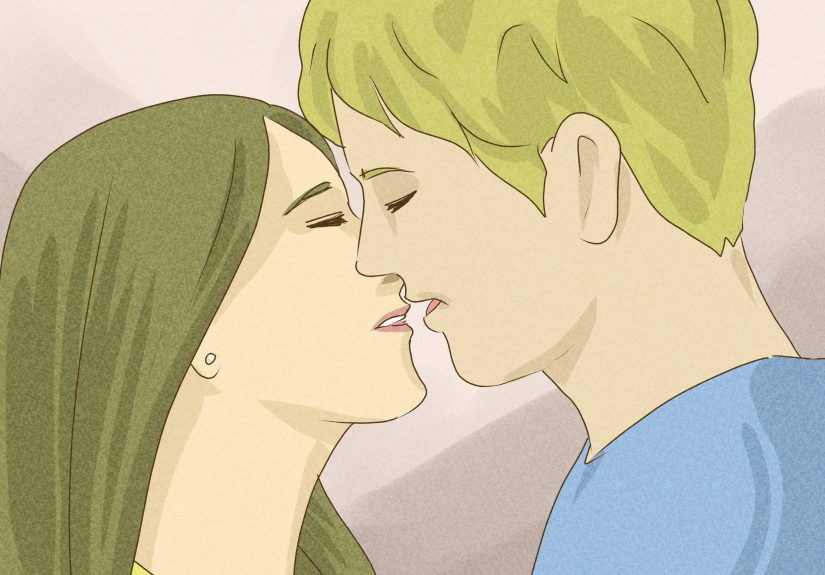
Experience 4: The Awkward but Sweet Kiss. Real first kisses are rarely perfect. Someone bumps noses. Someone laughs. Someone moves too fast and then slows down. And yet, people often remember those moments fondly because they felt genuine. The sweetness comes from mutual effort, not expert technique. A kiss can be short, simple, and still meaningful because it happened with trust and clear interest. That is why so many people later say the emotional context mattered more than the mechanics.
Experience 5: The “Actually, I Want to Wait” Moment. Another very real experience is deciding not to kiss yet, even when the opportunity is there. Some people think that will feel disappointing, but it can feel surprisingly empowering. Choosing to wait can bring relief, clarity, and self-respect. It can also reveal whether the other person is safe and respectful. If they respond kindly, that is a green flag. If they get annoyed or pushy, that is useful information too. Either way, you learn something valuable.
Experience 6: The Confidence That Comes Afterward. Whether the first kiss is amazing, average, or mildly chaotic, many people come away with the same discovery: they are more capable than they thought. The big mystery shrinks. The fear loses some of its power. They understand a little more about what they like, what pace feels right, and what kind of person they want to share closeness with. In that sense, a first kiss is not just an event. It is often a confidence checkpoint, a small but memorable reminder that growing up happens one honest moment at a time.
Conclusion
If you are wondering when your first kiss will happen, the best answer is this: not when the internet says so, not when your friends tease you into it, and not when you feel pressured to prove something. It will happen when your feelings, your boundaries, and the situation finally make sense together. That is a much better standard than any made-up deadline.
Until then, focus on becoming the kind of person who knows what they want, respects other people, and expects the same respect in return. That mindset will not just help with your first kiss. It will help with every relationship that comes after.