Table of Contents >> Show >> Hide
- The Tourne Backstory: More Than a Pretty Blanket
- What Made the Original Tourne Blankets Stand Out
- Brook Farm’s Current Blanket Assortment Shows the Same DNA
- Fabrics & Linens Around a Tourne-Style Blanket
- How to Style Tourne Blankets Without Making the Room Look Overworked
- Care Matters: Luxury Dies Fast When It Is Ignored
- Are Tourne Blankets Still Relevant Now?
- The Experience of Living with a Tourne-Style Blanket
Some blankets are attention-seekers. They show up in a room like a reality-TV contestant: fluffy, flashy, and deeply committed to being noticed. The old Tourne blankets from Brook Farm General Store took the opposite approach. They were restrained, quietly handsome, and made from the kind of material that does not need to yell because it already knows it belongs. If a polyester throw says, “Look at me,” a Tourne blanket says, “I’ll be over here aging gracefully.” That is a very different vibe, and frankly, it ages a lot better.
The appeal of Tourne blankets was never just about warmth. It was about taste. Brook Farm General Store built its identity around simple, useful, beautiful goods, and the Tourne line reflected that same point of view. These were not novelty blankets meant to survive one trend cycle and then retire to a closet full of broken decor dreams. They were designed to live on a bed, on a sofa, or folded over a favorite chair for years. In a market crowded with synthetic blends and “cozy” products that lose their charm after one winter, that kind of integrity still feels refreshing.
This is why Tourne blankets remain worth discussing today. They sit at the intersection of fabrics, linens, and lifestyle: the place where materials matter, proportions matter, and the experience of using a piece every day matters even more. Looking at Tourne also opens a bigger conversation about what makes a blanket genuinely good, how natural fibers change the feel of a room, and why Brook Farm General Store’s aesthetic still resonates in a house full of louder options.
The Tourne Backstory: More Than a Pretty Blanket
Tourne was Brook Farm General Store’s in-house label, created when the founders realized that curating beautiful goods was not always enough. If they wanted certain products to exist, they would have to make them. That decision says a lot about the brand’s point of view. Brook Farm was not chasing volume. It was chasing a specific standard: classic, tactile, useful pieces with a strong sense of material honesty.
That philosophy showed up early. Before Tourne blankets became design-blog favorites, Brook Farm was already described as a modern general store with a carefully edited mix of old and new goods. The shop’s founders were interested in bed and table linens, practical homewares, and the sort of domestic objects that feel better the more you live with them. In other words, they were building a home language, not just stocking shelves.
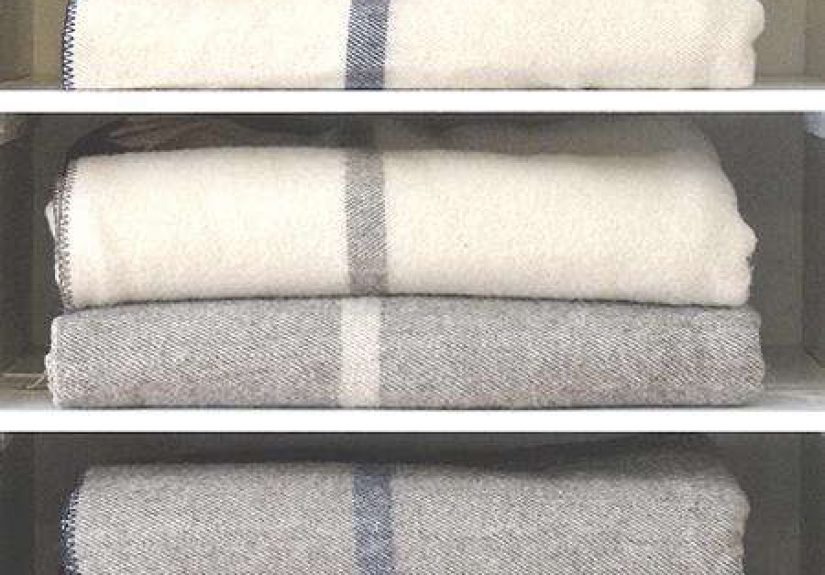
The original Tourne blankets became notable because they were unusually straightforward in the best possible way. Historically, they were described as lightweight, 100% virgin wool blankets woven in Canada, measuring 79 by 106 inches, with sizing suitable for a full or queen bed. That combination matters. The material was serious, the scale was generous, and the design language was not fussy. Instead of gimmicks, the blanket relied on proportion, texture, and color restraint to do the heavy lifting. Imagine that: a blanket succeeding because it is well made. Revolutionary.
There is also a useful retail lesson here. Tourne did not appear as a random one-off product. It grew from Brook Farm’s broader belief that the home feels best when everyday objects have integrity. That may sound lofty for something you nap under on a Sunday afternoon, but it is exactly why a good blanket changes the mood of a room. It is not just bedding. It is domestic architecture with fringe.
What Made the Original Tourne Blankets Stand Out
1. Natural Fiber Credibility
First, there is the wool. A 100% virgin wool blanket immediately signals a different level of performance than the average synthetic throw. Wool has a long-standing reputation for insulation, breathability, resilience, and durability. Good wool does not simply trap heat like an overheated panic room. It helps regulate comfort. That means a blanket can feel warm without becoming heavy, sweaty, or weirdly clingy by midnight.
This is part of why the original Tourne blanket’s “lightweight” description matters so much. Lightweight wool done well is the holy grail for people who want warmth without the drama of bulk. You can layer it over sheets, fold it at the foot of the bed, or use it on the sofa without feeling like you are wrestling a camping supply catalog.
2. A Bed-Friendly Size
The original Tourne size, 79 by 106 inches, is another reason the blanket stood out. That is larger than a casual throw and closer to a true decorative-and-functional bed blanket. This matters because many beautiful blankets are secretly glorified scarves for furniture. They look lovely in a product photo and then disappoint the second you try to share them with another human, a child, or a moderately opinionated dog.
A blanket with real bed dimensions has more versatility. It can be layered on a full or queen mattress, folded cleanly for styling, or used as a practical extra layer during colder months. In the world of linens, scale is not a side note. It determines whether a product feels intentional or just underdressed.
3. Quiet Design, Not Empty Design
Tourne blankets also fit a design category that never really goes out of style: simple but not bland. Brook Farm’s visual language leaned toward old-world utility, modern restraint, and tactile beauty. That means a Tourne blanket would not have needed loud patterning or novelty texture to feel special. The interest came from the wool itself, the drape, the edges, and the confidence of a clean design.
That kind of restraint is harder to pull off than it looks. When a blanket is simple, every detail becomes visible. The weave matters. The hand-feel matters. The proportions matter. A bland blanket looks boring. A well-edited blanket looks calm, expensive, and permanent.
Brook Farm’s Current Blanket Assortment Shows the Same DNA
Even if the original Tourne blankets are now better understood as part of Brook Farm’s design history than as a prominently listed current product, the store’s present-day blanket assortment still reveals the same sensibility. Brook Farm currently offers pieces like a lightweight 100% new wool blanket in a rich brown, a merino-and-wool blanket with a simple stripe, a mohair blanket, and even a recycled-fiber blanket with a compact lounge-friendly size.
What is striking is how consistent the material story remains. The current wool blanket is described as 100% new wool, made in Finland, sized at 140 x 180 cm plus fringe. The merino version is 60% merino and 40% wool, also made in Finland, at 130 x 170 cm plus fringe. Those listings emphasize fine wool fibers, soft fringe, and yarns spun and dyed in Europe according to REACH regulations while meeting ÖKO-TEX requirements. That is a very Brook Farm sentence, and I mean that as a compliment. It suggests the shop still cares about where materials come from, how they are processed, and whether they feel as good in use as they do in theory.
In other words, the Tourne spirit did not vanish. It matured. The product mix still favors natural fibers, muted colors, and blankets that work as both functional layers and design tools. Brook Farm is not trying to win the race for loudest bedding on the internet. It is still making a case for thoughtful domestic essentials.
Fabrics & Linens Around a Tourne-Style Blanket
If you are building a bedroom or living space around a Tourne-inspired blanket, the surrounding fabrics matter just as much as the blanket itself. A strong blanket does not exist in isolation. It works in conversation with sheets, duvet covers, throws, pillows, and upholstery. Here is where the broader fabrics-and-linens conversation becomes useful.
Wool for the Top Layer
Wool is ideal when you want a blanket that feels substantial, breathable, and enduring. It tends to look more architectural than synthetic fleece, and it holds its shape beautifully when folded at the end of a bed. Wool also carries natural textural depth, so even a solid color feels visually rich. That is why a wool blanket often looks finished with very little effort. Put one on a bed and suddenly the room seems like it reads hardcovers.
Cotton for Softness and Everyday Layering
Cotton remains one of the best supporting players in a layered bed. Long-staple cotton blankets are breathable, durable, and easy to maintain, and cotton is especially good when you want softness without visual heaviness. If your main blanket is wool, cotton sheets or a cotton coverlet underneath will keep the overall bed from feeling too dense or wintry.
This is also where texture becomes important. Honeycomb, waffle, ribbed knit, or matelassé cotton can give you dimension without clutter. A Tourne-style wool blanket paired with crisp cotton percale or a textured cotton coverlet creates that balanced “casual but intentional” look that designers love and laundry baskets fear.
Linen for Relaxed Contrast
Linen is the slightly rumpled genius of the home-textile world. It is breathable, durable, absorbent, and famously good at creating a relaxed, lived-in look. Pairing linen sheets or a linen duvet cover with a Tourne-style wool blanket gives you contrast: smooth warmth on top, airy texture underneath. It is a combination that feels edited rather than overproduced.
Linen is especially useful if you want a bed that looks sophisticated without becoming too formal. Wool can read tailored. Linen softens it. Cotton can read crisp. Linen makes it exhale.
How to Style Tourne Blankets Without Making the Room Look Overworked
The easiest mistake in blanket styling is treating the blanket like a prop instead of part of the room’s actual life. A Tourne-style blanket should not look precious. It should look ready. Ready for a nap, ready for a guest, ready to rescue a chilly evening, ready to make your bed look better in about six seconds.
On a bed, the safest move is to fold it horizontally at the foot. This works especially well with wool because the material has enough structure to hold shape without looking stiff. If the blanket is oversized, let it drape slightly over the sides for a relaxed finish. If your bedding is mostly neutral, a darker wool blanket adds visual weight and grounds the room.
On a sofa, do not over-style it into a sad little rectangle that nobody is allowed to touch. Drape it over the back or arm with some ease. The point of a blanket is not to look untouched. The point is to look irresistible. Brook Farm’s whole aesthetic has always leaned toward tactile living, not museum ropes around a chair nobody may sit in.
And if you have a chair in a bedroom corner that currently exists only to hold “the jeans that are not dirty but also not clean,” congratulations: a Tourne-style blanket can dramatically improve that chair’s personal brand.
Care Matters: Luxury Dies Fast When It Is Ignored
A blanket this good deserves better than being shoved into a hot wash and hoped for. Wool care is where good intentions go to shrink. Unless a wool blanket is specifically labeled washable, dry cleaning is usually the safer route. That may sound fussy, but it is really about preserving the hand-feel, drape, and size. Wool can become denser, stiffer, and shorter when washed improperly, which is an excellent way to turn an elegant blanket into a cautionary tale.
Cotton and linen are usually easier to manage at home, which is one reason they make such good companion fabrics. But a premium wool blanket earns its keep through longevity, and longevity is partly a care issue. Buy well, use often, store clean, and resist the urge to treat every natural fiber like gym laundry. Your blanket will thank you by continuing to look expensive instead of looking like it lost a fight with a dryer.
Are Tourne Blankets Still Relevant Now?
Absolutely, and maybe even more than before. Right now, shoppers are increasingly interested in natural fibers, breathable materials, fewer but better home goods, and pieces that feel authentic rather than algorithmically decorated. Brook Farm General Store was speaking that language long before it became standard marketing wallpaper.
The original Tourne blankets make sense as objects of lasting interest because they embody several ideas that still matter: buy quality materials, choose useful proportions, favor understated design, and let the fabric do the talking. Current Brook Farm offerings reinforce that same logic. Whether you are hunting for an original Tourne blanket, shopping Brook Farm’s present blanket collection, or simply trying to recreate the look with a similar wool layer, the lesson is the same: the best textiles make a room feel calmer, richer, and more lived in.
A good blanket does not just keep you warm. It edits the room, improves the bed, softens the evening, and gives your home a little more gravity. That is a lot to ask from one rectangle of fabric, but the best ones pull it off.
The Experience of Living with a Tourne-Style Blanket
What does a blanket like this actually feel like in daily life? Not in a showroom. Not in a perfectly lit product shot with one poetic mug and a suspiciously wrinkle-free duvet. In real life, a Tourne-style blanket changes the rhythm of a room in small, convincing ways. It is the thing you reach for when the house is technically warm enough but your feet disagree. It is what turns a quick sit-down on the sofa into a longer pause with a book, a dog, a laptop, or all three at once in a highly unproductive but emotionally rewarding pile.
In the bedroom, the experience is less about drama and more about steadiness. A well-made wool blanket adds a feeling of completion to the bed. It gives the whole setup a little authority. Sheets and duvets do the foundational work, but the blanket on top is often what makes the bed feel finished rather than merely assembled. In colder months, that extra layer brings the kind of warmth you notice gradually: not a blast furnace effect, but a comfortable, enveloping warmth that feels balanced. In warmer months, it can be folded down and still contribute texture and visual weight without making the room look seasonally confused.
There is also a tactile pleasure to a natural-fiber blanket that synthetic alternatives rarely match. Wool has presence. It has a dry, refined hand-feel that reads cleaner and more architectural than plush fleece. Linen around it feels breezy. Cotton under it feels crisp or soft depending on the weave. Together, these materials create a layered experience that feels intentional every time you pull the covers back. It is one of those domestic luxuries that sneaks up on you. You do not always notice it in the first five minutes. You notice it after a month, when everything else in the room starts feeling slightly less convincing by comparison.
A Tourne-style blanket also performs beautifully in the social life of a home. It is the blanket a guest notices. Not because it is loud, but because it looks like someone chose it on purpose. Folded over a guest bed, it suggests care without fuss. Draped over the arm of a sofa, it implies the room is meant to be used, not just admired from a safe distance. Even the ritual around it becomes part of the experience: shaking it out in the morning, folding it at the foot of the bed, pulling it around your shoulders during a rainy afternoon, or leaving it slightly rumpled after a long conversation because life happened and the room is better for it.
Perhaps the most appealing part is that a blanket like this improves with familiarity. It becomes part of the house’s memory. It is there for movie nights, unexpected naps, sick days, winter mornings, and the first cool evening after a brutal summer. That is what separates a real home textile from a disposable decor purchase. A throw made for trend photos gives you a season. A blanket made with strong materials and honest design gives you a habit. And habits, more than trends, are what make a home feel personal.
So yes, the experience is cozy. But it is also aesthetic, practical, and oddly grounding. A Tourne-style blanket does not just warm your body. It makes the room feel more settled, more thoughtful, and a little more adult in the best possible way. Not boring-adult. Good-adult. The kind who owns actual linen napkins and knows where the flashlight is.