Table of Contents >> Show >> Hide
- 1) Christian Bale’s On-Set Rant That Turned Into Pop Culture Echo
- 2) Kanye West’s VMAs Interruption That Rewrote Awards-Show History
- 3) Serena Williams and the US Open Outburst Under Maximum Pressure
- 4) Russell Crowe and the “Hotel Phone” Headline That Wouldn’t Quit
- 5) Alec Baldwin’s Voicemail That Became a Permanent Cautionary Tale
- 6) Britney Spears vs. the Paparazzi: The Umbrella Moment
- 7) Robert Downey Jr. Walking Out of an Interview
- 8) Will Smith’s Oscars Moment That Changed the Night
- 9) Tom Hanks Snapping at a Crowd While Protecting His Wife
- 10) Travis Kelce’s Super Bowl Sideline Blow-Up
- Extra: of Real-Life “Lost Your Cool” Experience (Minus the Paparazzi)
- Conclusion: The Human Side of Fame (and Temper)
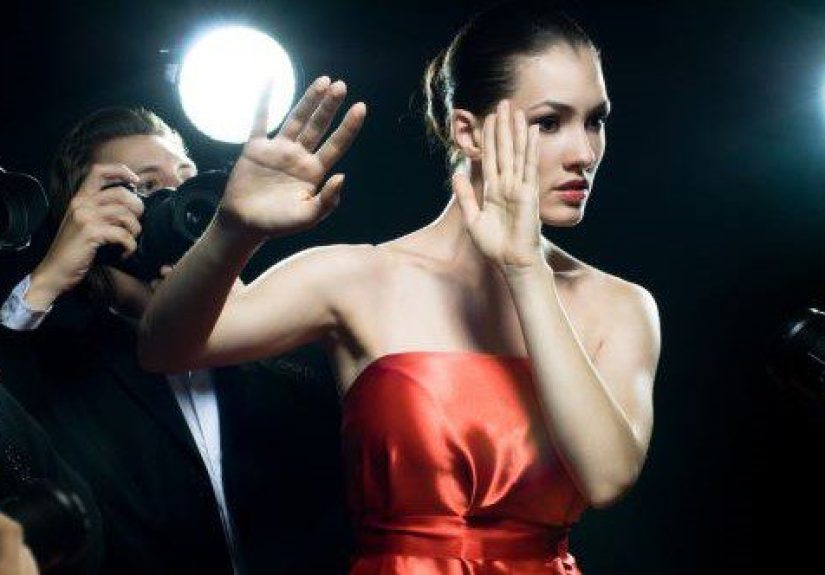
Celebrities are basically professional humans… with better lighting. And while fame can look like a nonstop parade of
red carpets, luxury suites, and perfectly timed “candid” photos, it also comes with a special kind of pressure:
cameras everywhere, opinions everywhere, and very few places to have a normal, private, messy moment.
Which is why the rare times a generally beloved celebrity loses it can feel oddly relatable. Not because the
behavior is always okay (spoiler: it often isn’t), but because it reminds us that even the most charming, talented,
and meme-able people can hit a breaking point. Sometimes it’s stress. Sometimes it’s ego. Sometimes it’s a crowd of
strangers swarming your spouse like they’re rushing a Black Friday TV display.
Below are ten headline-making moments when lovable celebrities lost their coolfollowed by the part that really
matters: what happened next, what the public learned, and why these blow-ups are complicated little snapshots of
life under a microscope.
1) Christian Bale’s On-Set Rant That Turned Into Pop Culture Echo
Christian Bale has long been admired for intense performances and a work ethic that seems powered by pure cinematic
electricity. So when audio leaked of him angrily dressing down a crew member during filming, it landed like a
thunderclap: the internet replayed it, remixed it, and turned it into an entire side quest in pop culture.
[1]
Why it hit so hard
The moment collided with Bale’s public image: respected actor, serious craft, “method” reputation. Hearing that
intensity spill into real life made people ask the uncomfortable question: where does commitment end and
disrespect begin?
What happened next
The most human part wasn’t the outburstit was the accountability that followed. Bale publicly acknowledged he was
out of line and apologized, trying to separate the film’s work from his personal mistake. [1]
2) Kanye West’s VMAs Interruption That Rewrote Awards-Show History
Award shows thrive on drama, but this moment became the drama. When Kanye West interrupted Taylor Swift’s acceptance
speech at the 2009 VMAs, it became an instant cultural landmarkquoted, debated, referenced, and endlessly
rehashed like the world’s most famous “Wait, can I jump in real quick?” [2]
Why it stuck
It didn’t just interrupt an acceptance speech; it interrupted the tone of the room. It also sparked a broader
conversation about power, public humiliation, and how quickly a “moment” can become a permanent label.
[2]
What happened next
The aftermath included apologies, intense media scrutiny, and a long tail of commentary that followed everyone
involved for years. Love him or not, it’s one of the clearest examples of how a loss of composure can outlive the
event itself. [2]
3) Serena Williams and the US Open Outburst Under Maximum Pressure
Serena Williams is widely celebrated as one of the greatest athletes everdominant, disciplined, and relentlessly
competitive. But even legends can crack. During a high-stakes US Open match, an argument with an official escalated
into a widely reported outburst that led to penalties and significant fines. [3]
Why it felt bigger than tennis
This wasn’t just about a call. It was about pressure, expectations, and the razor-thin line between intensity and
losing control. In sports, emotions are part of the fueluntil they become the fire.
What happened next
The consequences were not symbolic; they were official and substantial, including major fines and probationary
measures. The incident remains a cautionary tale about composure when every point (and every camera angle) counts.
[3]
4) Russell Crowe and the “Hotel Phone” Headline That Wouldn’t Quit
Russell Crowe has often been described as charismatic and magnetic on screenan actor with presence for miles. But
in the mid-2000s, a hotel incident involving a phone throw became the kind of story that tabloids and mainstream
outlets both grabbed with two hands. [4]
Why it became infamous
The setting made it feel surreal: not a movie scene, not a staged momentjust a real-world flash of anger in a
mundane place. That contrast is exactly what makes celebrity blow-ups feel so jarring.
What happened next
Legal consequences and public scrutiny followed. The bigger lesson: fame doesn’t “buffer” you from repercussions.
If anything, it can amplify them.
[4]
5) Alec Baldwin’s Voicemail That Became a Permanent Cautionary Tale
Alec Baldwin has long been a fan favorite for sharp comedy, iconic characters, and that unmistakable “I can deliver
one line and end a scene” energy. But a leaked voicemail he left for his daughter became a widely condemned moment
that followed him for years. [5]
Why it hit a nerve
Because it wasn’t about a paparazzi clash or a red-carpet scuffleit was personal. People reacted strongly because
it involved family, privacy, and the harm that angry words can cause when they escape the room they were spoken in.
What happened next
Baldwin later acknowledged the damage and discussed regret publicly. Over time, the incident has been referenced
as a reminder that some “heat-of-the-moment” choices don’t cool offthey harden into history.
[5]
6) Britney Spears vs. the Paparazzi: The Umbrella Moment
Britney Spears has spent much of her career as a pop icon people root fortalented, charismatic, and often treated
like a public property instead of a person. In 2007, a paparazzi confrontation involving an umbrella became one of
the most replayed images of her hardest era. [6]
Why it was complicated
This wasn’t a simple “celebrity tantrum.” It was a snapshot of someone under extreme pressure with no off switch.
When a person is relentlessly pursued, the question becomes less “Why did they snap?” and more “How long were they
expected not to?”
What happened next
Spears later addressed the incident publicly. It remains a symbol of how the paparazzi era could turn real distress
into entertainmentand why public empathy matters. [6]
7) Robert Downey Jr. Walking Out of an Interview
Robert Downey Jr. is often seen as charming, quick-witted, and disarmingly candidespecially after his career
comeback. But in a widely covered interview, he abruptly ended the conversation and left when questions veered
into personal territory he didn’t want to revisit. [7]
Why it resonated
Many viewers understood the boundary. Others thought it was prickly. Either way, it sparked a real discussion:
when does “public figure” become “public property,” and who gets to decide what’s fair game?
What happened next
Downey later talked about the moment and how he experienced it. The incident stands out because the “lost cool”
wasn’t yellingit was refusal. And sometimes, walking away is the loudest kind of reaction. [7]
8) Will Smith’s Oscars Moment That Changed the Night
Will Smith has been a widely loved entertainer for decadesblockbuster star, sitcom icon, and a public persona
built on humor and heart. Which is why a confrontation at the Academy Awards shocked audiences worldwide.
[8]
Why it felt so surreal
The Oscars are choreographed to the millisecond. When something raw and unscripted happens on live television, it
slices through the “show” and becomes a cultural event.
What happened next
The fallout was swift and widely documented, including formal consequences from the Academy and ongoing public
debate about responsibility, restraint, and redemption. [8]
9) Tom Hanks Snapping at a Crowd While Protecting His Wife
Tom Hanks is practically America’s emotional support actor: warm, steady, and famously polite. So when a video
circulated showing him angrily telling a crowd to back off after fans got too close and his wife was jostled, it
surprised peoplewhile also making a lot of them nod and say, “Honestly? Fair.” [9]
Why it felt relatable
Because it wasn’t ego; it was boundaries. Many people have experienced that surge of protective anger when someone
they love is put at risk. The difference is: most of us don’t have that moment posted online in 4K.
What happened next
The moment fueled conversation about fan behavior, safety, and the basic idea that “admiration” shouldn’t include
physically crowding someone’s family. [9]
10) Travis Kelce’s Super Bowl Sideline Blow-Up
Travis Kelce’s public image is big energy and good vibeselite athlete, confident personality, and, for many
viewers, the guy who makes football feel fun. During Super Bowl LVIII, however, he had a heated sideline moment
that drew criticism and immediate debate about professionalism under pressure. [10]
Why it became a headline
Because it happened on the sport’s biggest stage. The Super Bowl isn’t just a gameit’s a global microscope. Any
emotional spike becomes a storyline, especially when the athlete is as visible and culturally discussed as Kelce.
What happened next
Kelce later acknowledged he crossed a line, and the situation became a public example of something most teams deal
with privately: intense emotions, imperfect reactions, and the importance of owning it afterward. [10]
Extra: of Real-Life “Lost Your Cool” Experience (Minus the Paparazzi)
Here’s the part celebrity culture rarely admits: these moments aren’t fascinating because famous people are “worse”
than everyone else. They’re fascinating because famous people are the samejust on a stage that never goes
dark. If you’ve ever snapped during finals week, exploded in a group project, or said something sharp in a family
argument that you instantly wished you could pull back into your mouth like a rogue balloon string, you already
understand the basic physics of losing your cool.
The difference is scale. When most of us have a bad moment, it might live inside a group chat and then fade into
the mists of “Remember when you were cranky?” When a celebrity has a bad moment, it can become an identity. A
headline. A clip. A remix. A think piece. A reaction video filmed by a guy eating cereal while judging the entire
human race. The pressure of that reality can create its own trap: if you know every mistake will be broadcast, you
may become more tense, more defensive, and more likely to pop.
And yetmost of the “teachable” part comes after. In everyday life, the healthiest repairs look pretty similar to
the best celebrity comebacks: take responsibility, apologize without adding ten excuses, and change something real.
Sometimes the change is practical (sleep more, avoid certain triggers, set boundaries with people who push your
buttons for sport). Sometimes it’s emotional (learning how to pause before reacting, stepping away before you say
the sentence you can’t un-say).
There’s also a quieter lesson hiding in the loud moments: boundaries matter. Tom Hanks snapping at a crowd isn’t
“cool,” but the instinctprotecting someone you love from being shoved aroundmakes sense. Robert Downey Jr.
walking out of an interview reminds us that you can say “No” without turning it into a whole performance. And even
the messiest examples still point to a universal truth: anger is often a secondary emotion. Underneath it can be
exhaustion, fear, humiliation, grief, anxiety, or feeling cornered.
If there’s a practical takeaway you can use today, it’s this: you don’t have to be perfect, but you do have to be
responsible. A bad moment doesn’t erase the good in youunless you refuse to learn from it. Growth is what turns a
meltdown into a turning point. And honestly, that’s the most relatable thing about celebrity blow-ups: not the
drama, but the chance to rebuild after the heat fades.
Conclusion: The Human Side of Fame (and Temper)
Watching lovable celebrities lose their cool can be uncomfortable, funny (sometimes), and strangely relatable.
These moments remind us that fame doesn’t remove human emotionit often amplifies it, adding pressure, access,
criticism, and constant observation. But the real story isn’t the outburst itself. It’s what comes after: the
apology, the accountability, the consequences, and the effort (or refusal) to grow.
Because at the end of the day, everyone has a boiling point. The goal isn’t to pretend we’ll never breakit’s to
make sure we repair, learn, and do better when we do.