Table of Contents >> Show >> Hide
- What the New Rule Actually Says (No, It’s Not “Be Smaller”)
- Why the Internet Is Mad (And Why Some People Quietly Nod)
- Why This Rule Change Is Happening Now
- How Other Major U.S. Airlines Handle Plus-Size Seating
- The Elephant in the Cabin: Seats Have Not Been Getting Bigger
- Practical Tips for Plus-Size Passengers (Without Turning Travel Into a Second Job)
- What Airlines Could Do Better (And Still Keep Flights Running)
- Conclusion
- Experiences From the Real World: What This Feels Like (and How People Cope)
Airline seats have one job: get humans from Point A to Point B without turning anyone into origami. But lately,
that job has started to look like a competitive sportespecially if you’re a plus-size traveler trying to fit
into a seat that feels like it was designed for a golden retriever wearing skinny jeans.
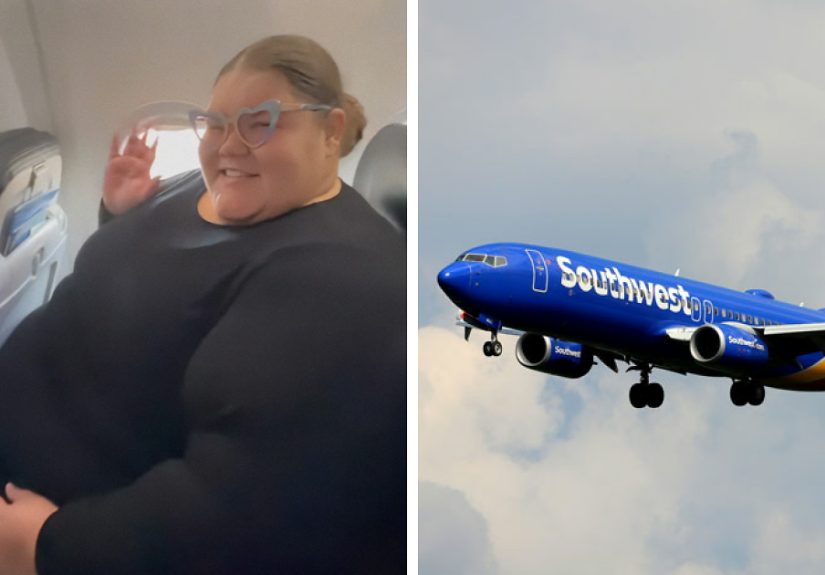
The latest flare-up? A major U.S. carrier updated its long-running “Customer of Size” approach and set off a
debate that’s equal parts economics, empathy, logistics, andbecause it’s the internethot takes. The new rule
centers on a familiar flashpoint: if you can’t sit within a single seat with the armrests down, you’re expected
to secure more space. The controversy is in the details: when you have to buy it, whether you get your money
back, and what happens if the flight is full.
What the New Rule Actually Says (No, It’s Not “Be Smaller”)
The “Armrests Down” Standard
Airlines don’t measure passengers with a tape measure at the gate (and no one wants that timeline). Instead,
policies typically lean on a practical boundary: the armrests. If you can’t sit safely and comfortably within
the seat with both armrests downwithout encroaching into the neighboring seatthen the airline considers an
additional seat or a different seating option.
The Big Change: Buy the Extra Seat Up Front
Under the updated policy, travelers who need the extra space are encouraged (and in practice, often required)
to purchase a second seat during booking, rather than waiting until the airport. That shift matters because
“I’ll handle it at the gate” used to be a common strategyespecially for people who don’t always need a second
seat, or who fear the stigma of having the conversation in public.
Refunds Are Now “Possible,” Not Guaranteed
Here’s the part that lit the match: the extra seat may be refundable, but only if certain conditions are met.
In other words, the airline didn’t exactly remove the refund optionit added a giant asterisk. The refund is
generally dependent on whether the flight departs with at least one open seat, plus additional requirements
about how the seats were purchased.
If the Flight Is Full, Rebooking Can Happen
Another pressure point: if a customer needs an extra seat but doesn’t have one secured, and the plane is sold
out, the outcome may be rebooking on a later flight. For travelers with tight connections, family obligations,
or time-sensitive trips, that possibility turns a policy change into a planning taxpaid in both money and
anxiety.
Why the Internet Is Mad (And Why Some People Quietly Nod)
1) The Cost Is Realand the Uncertainty Is Worse
Buying two seats can effectively double the base fare. Even when refunds are possible, “pay now, maybe get it
back later” is a tough sell for anyone budgeting carefully. It’s not just the dollar amount; it’s the risk.
You’re tying up money for an undefined period, hoping the flight isn’t full and that your purchase meets the
fine print.
2) It Can Feel Like a Public Trial
The most painful part for many plus-size travelers isn’t the policyit’s the performance. Having to negotiate
space at the airport can feel humiliating, especially if the conversation happens in earshot of other
passengers who suddenly become self-appointed seat zoning commissioners.
3) It Collides With How Modern Flying Works
Airline revenue models increasingly rely on unbundlingcharging separately for comfort, flexibility, and
sometimes basic sanity. Against that backdrop, critics argue that a policy requiring certain bodies to buy
extra space isn’t just about safety or fairness; it’s another way the system makes “comfortable travel” a
premium feature.
4) Other Passengers Are Stuck in the Middle Seat of the Debate
It’s also true that seatmates deserve the space they paid for. Nobody wants to spend three hours pinned
against the window like a sticky note. Many travelers empathize with plus-size passengers while also wanting
policies that prevent “surprise sharing” of someone else’s seat area. The conflict isn’t imaginary: space is
finite, flights are often full, and everyone arrives with expectations that don’t always fit reality.
Why This Rule Change Is Happening Now
Airlines rarely tweak policies just for fun. The timing lines up with broader operational shiftsespecially
the industry’s continued march toward more structured seating and more fee-based options. When an airline
moves from one style of seating to another (for example, shifting toward assigned seats and tiered products),
“extra seat” policies often get rewritten to match the new system: same fare class, specific purchase method,
specific refund process, and strict timelines.
From the airline’s point of view, the logic goes like this: if an extra seat is needed, it should be reserved
early so the flight can be managed properly. From the customer’s point of view, it can feel like the airline
is turning a previously more accommodating approach into a conditional benefit that disappears exactly when
planes are packedaka the times you need it most.
How Other Major U.S. Airlines Handle Plus-Size Seating
One reason this story resonates: policies vary wildly across airlines. The U.S. doesn’t have a single,
standardized rule for “passengers of size,” so travelers often have to learn the policy the way people learn
the rules of Monopolythrough disappointment and paperwork.
United: Safety Framing, Extra Seat When Armrests Can’t Stay Down
United’s published accessibility and seating guidance emphasizes safety and clearly states that an additional
seat may be required if a passenger can’t remain seated with the armrests down for the duration of the flight.
That’s a common “bright line” across the industry: armrests down, seatbelt secured (with an extender if
needed), and no spillover into adjacent space.
Alaska: “Customers of Size” Guidance and Extra-Seat Options
Alaska Airlines publishes specific “customers of size” seating guidance and also offers “comfort seat” style
options in some contexts. Typically, the airline requires an additional seat purchase when a traveler can’t
comfortably fit within one seat with armrests down, with refund possibilities depending on availability and
the carrier’s rules.
American: Extra Seat Procedures ExistBut Refunds Aren’t a Universal Promise
American Airlines provides extra-seat procedures for customers purchasing an additional seat for comfort,
privacy, or space needs. As with many carriers, the “how” matters: the seats may need to be booked together,
the extra seat must be properly documented, and the outcome can depend on availability and fare type.
Delta (and the “We’ll Handle It at the Airport” Reality)
Delta is often described as not requiring an extra seat purchase in advance as a blanket rule, but it may ask
a passenger to move, reseat, or take a later flight if they encroach on another traveler’s space and there’s
no workable alternative. That approach can feel flexibleor terrifyingdepending on how much you enjoy
uncertainty and gate-area cardio.
The bigger takeaway: the policy sparking outrage is controversial partly because, for years, it stood out as
relatively generous compared to industry norms. Tightening iteven slightlyhits harder because travelers had
come to rely on it as a rare bright spot in the “everything costs extra” era.
The Elephant in the Cabin: Seats Have Not Been Getting Bigger
A lot of this conflict is a downstream problem: seat dimensions and cabin layouts are designed for maximum
capacity and revenue. Meanwhile, the flying public is diverse in size, shape, age, disability status, and
mobility. That mismatch creates stress for everyoneespecially when flights are full and there’s no buffer.
U.S. aviation regulators and safety researchers have been pulled into the broader seat-size conversation,
largely through the lens of evacuation performance and safety. The FAA has solicited public comment on minimum
seat dimensions, and independent peer review has scrutinized how seat width and pitch relate to evacuation
efficiency. Translation: people aren’t just asking, “Is this comfortable?” They’re also asking, “Is this safe?”
Practical Tips for Plus-Size Passengers (Without Turning Travel Into a Second Job)
Before You Book
-
Check aircraft seat width when possible. Seat width varies by aircraft type and even by row.
If you can choose the aircraft, choose the space. -
Consider aisle seats strategically. An aisle seat can reduce the “trapped” feeling, but be
mindful that the aisle is also a working space for crew and carts. -
Look at upgrade math. Sometimes two economy seats cost more than one seat in a roomier cabin
(premium economy/business), especially on short-haul routes with aggressive fare sales. -
If you’ll likely need extra space, book it early. Waiting until the airport increases the
chances the flight is full and your options are limited.
At the Airport
-
Arrive earlier than you think you need to. Extra time means more discreet conversations and
more seating flexibility. -
Ask for help quietly and directly. A simple script works: “I’d like to confirm my seating
accommodations and make sure I’m not encroaching on another customer.” -
Seatbelt extender etiquette: extenders are typically provided by the crewrequest once you’re
onboard.
On the Plane (Where Everyone Is Just Trying to Survive Snack Time)
-
Use armrests as boundaries, not weapons. Armrests down is the industry standard for a
reasonthink of it as the cabin’s property line. -
Keep interactions human. Most conflicts escalate because someone feels embarrassed,
dismissed, or disrespected. Calm, private requests beat public accusations every time.
What Airlines Could Do Better (And Still Keep Flights Running)
If airlines want fewer blowups and more loyalty, there are practical improvements that don’t require redesigning
the entire aviation industry overnight:
- Publish seat dimensions clearly during booking, not buried in seat-map trivia.
- Create a frictionless “comfort seat” purchase that doesn’t feel like a penalty.
- Make refunds fast and predictable when requirements are metno scavenger hunts.
- Train staff for discretion so sensitive conversations don’t become gate-area theater.
- Offer more mid-tier space options so it’s not just “tight economy” vs. “sell a kidney.”
Conclusion
The outrage over this controversial rule isn’t just about one airline. It’s about how modern flying handles
bodies, boundaries, and basic dignity when space is scarce. Plus-size passengers want to travel without
humiliation or financial roulette. Other passengers want the full seat space they paid for. Airlines want
predictable operations and revenue integrity. All three can be true at the same timeand that’s why this topic
keeps resurfacing.
If you’re a plus-size traveler, the best defense is information: understand the armrest standard, review the
airline’s extra-seat rules before you buy, and choose aircraft and seating options that reduce stress. If you’re
a fellow passenger, remember that most people are doing their best in a system that isn’t designed for human
variety. And if you’re an airline executive reading this (hi!), consider that policies work better when they’re
clear, discreet, and built to reduce conflictnot outsource it to strangers in Row 18.
Experiences From the Real World: What This Feels Like (and How People Cope)
The most common stories travelers share aren’t about “rules” in the abstractthey’re about moments. Like the
quiet dread when you approach your row and realize the seat looks narrower than it did on the booking screen.
Or the split-second calculation of whether asking for a seatbelt extender will feel routine (it should) or
spotlighted (it sometimes does). Below are composite, anonymized scenarios that reflect experiences frequently
described by travelers and advocatesshared here to illuminate the emotional logistics that never show up in a
fare breakdown.
The Armrest Moment. One traveler described the armrest as “the world’s tiniest border wall,”
because everything hinges on whether it clicks down without turning into a lever contest. The stress isn’t just
physicalit’s social. People worry that the passenger next to them will sigh dramatically or start narrating the
situation like a sports commentator. A coping strategy many recommend: choose seats where you can control some
variableslike an aisle seat, or a row with a little more roomso you’re not negotiating space with your own
nervous system.
The Gate-Agent Conversation. Policies may be written with neutral language, but humans deliver
them. Some travelers report kind, discreet agents who handle seating changes with a whisper and a keyboard.
Others describe the opposite: loud questions, long lines, and the feeling that your body has become a customer
service problem. The most effective approach tends to be calm specificity: “I need to confirm my seating
accommodation so I’m not encroaching on anyone.” It frames the request as fairness for everyonenot a favor.
The Refund Chase. Even when refunds are possible, the process can feel like filing a claim for a
suitcase that never existed. Travelers talk about saving receipts, booking confirmations, and screenshots like
they’re collecting rare trading cards. The lesson: if you buy an extra seat, keep every document, make note of
the fare class for both seats, and set a calendar reminder to submit the request promptly after travel. The rule
details matter, and memory gets foggy after a 6 a.m. connection and a pretzel the size of a postage stamp.
The Kind Seatmate. On the hopeful side, many plus-size travelers describe moments of basic human
decency that change the whole flight: a seatmate who says hello like a normal person, keeps their elbows to
themselves, and doesn’t treat the armrest like disputed territory. That kindness doesn’t require grand gestures.
It requires remembering that your neighbor is a person, not an inconvenience. Ironically, flights go smoother
for everyone when nobody tries to “win” the seating experience.
The Not-So-Kind Seatmate. Yes, it happens. Some passengers complain loudly, film strangers, or
demand a flight attendant “do something.” If you’re the person stuck in the middle of that tension, the best
move is to keep the conversation private and policy-based: ask a flight attendant quietly about reseating
options. Public confrontation rarely creates more spaceit just creates a bigger mess.
The Emotional Bottom Line. For many plus-size travelers, the hardest part isn’t paying for space.
It’s the feeling that air travel is a test you might fail in public. A policy that encourages planning can reduce
conflict, but only if it’s paired with predictable outcomes and dignity in execution. When refunds become “maybe,”
and full flights trigger rebooking, the stress shifts onto the traveleroften long before they even reach the
airport. That’s why this debate won’t go away: it’s not about comfort alone. It’s about access, fairness, and the
invisible tax of uncertainty.