Table of Contents >> Show >> Hide
- What Is the Anchor Hocking Bake and Store Dish with Glass Lid?
- Why Glass Bakeware Still Deserves a Spot in the Kitchen
- Design and Build: Simple, Sturdy, and Table-Ready
- Everyday Uses for the Anchor Hocking Bake and Store Dish
- Oven, Microwave, Refrigerator, and Freezer Use
- Glass Lid vs. Plastic Lid: What Makes the Difference?
- Cleaning and Maintenance Tips
- How It Compares with Metal Bakeware
- Who Should Buy the Anchor Hocking Bake and Store Dish with Glass Lid?
- Best Foods to Make in This Dish
- Safety Tips for Long-Term Use
- Value for Money
- Real-Life Experience: What It Feels Like to Use This Dish
- Final Verdict
The Anchor Hocking Bake and Store Dish with Glass Lid is the kind of kitchen item that quietly becomes important. It does not blink, beep, connect to Wi-Fi, or demand a firmware update before dinner. It simply bakes, stores, reheats, and shows up again tomorrow when the leftover lasagna needs a second chance at greatness.
In a world where kitchen cabinets are often crowded with mismatched plastic lids, mystery containers, and one lonely bowl that somehow belongs to another household, a glass bake-and-store dish feels refreshingly practical. Anchor Hocking has built its reputation around everyday American glassware, and this dish fits that tradition well: sturdy glass, useful shape, clean presentation, and a lid that helps turn dinner into lunch without requiring an extra container.
This article takes a closer look at why the Anchor Hocking Bake and Store Dish with Glass Lid remains a useful choice for home cooks, meal preppers, casserole fans, potluck heroes, and anyone who believes leftovers deserve dignity.
What Is the Anchor Hocking Bake and Store Dish with Glass Lid?
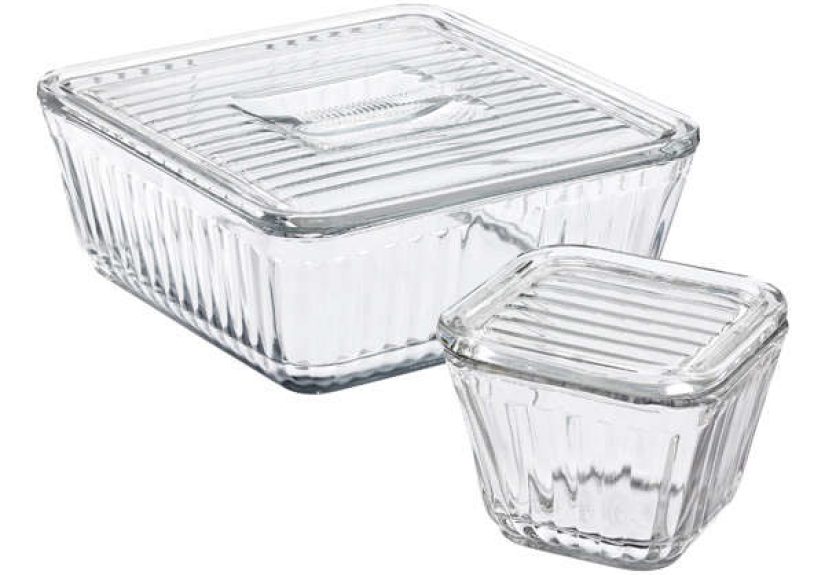
The Anchor Hocking Bake and Store Dish with Glass Lid is designed around a simple promise: cook food, serve it, cover it, store it, and reheat it with fewer dishes involved. That may sound basic, but basic is often where great kitchen tools shine. A dish that can move from oven to table to refrigerator reduces clutter, saves time, and helps food stay visible instead of disappearing into the back of the fridge like a tiny casserole ghost.
The dish is made from thick glass and typically features a clean, classic look that works for casual weeknight meals as well as more polished serving moments. The glass lid gives it a more traditional, durable feel compared with plastic-covered storage dishes. It also makes the dish attractive enough to place directly on the table, especially when the contents are bubbling, golden, and pretending they did not take only fifteen minutes to assemble.
Depending on the exact version or retailer listing, details such as capacity, exterior pattern, and lid style may vary. However, the core appeal remains the same: this is a glass baking dish meant to help you cook and store food without constantly transferring it from one container to another.
Why Glass Bakeware Still Deserves a Spot in the Kitchen
Glass bakeware has a loyal fan club for good reason. Unlike some metal pans, glass does not react with acidic foods such as tomato sauce, citrus-based marinades, or fruit desserts. That makes it especially useful for lasagna, baked ziti, enchiladas, berry crisps, lemon bars, and other recipes that might spend time with bold ingredients.
Another advantage is visibility. With a clear glass baking dish, you can see what is happening along the sides and bottom. Is the sauce bubbling? Are the edges browning? Has the cheese started to stage a dramatic golden takeover? Glass lets you check progress without guessing.
Glass is also naturally smooth, which helps with cleanup. Baked-on cheese and caramelized sauce may still put up a fight, because they have ambition, but a good soak and a non-scratch scrub pad usually handle the job. For families, renters, small apartments, and anyone trying to avoid owning twelve single-purpose pans, this kind of multi-use glass dish makes practical sense.
Design and Build: Simple, Sturdy, and Table-Ready
The phrase “Bake and Store” explains the product better than a long marketing speech ever could. The dish is intended to be useful before, during, and after the meal. Its thick-walled glass gives it a substantial feel, while the lid helps protect leftovers in the refrigerator or freezer after the food has cooled properly.
A glass lid also gives the dish a classic kitchen look. Plastic lids are convenient, especially for lightweight transport, but glass lids feel more permanent and elegant. They are less likely to hold odors and are generally easier to clean thoroughly. If you have ever stored garlic-heavy leftovers in plastic and later wondered why your apple slices smelled like a pizza parlor, you understand the appeal.
The dish can work well for baked pasta, roasted vegetables, small casseroles, breakfast bakes, cobblers, bread pudding, meatloaf, layered dips, and meal-prep portions. It is also useful for refrigerator storage because clear glass lets you identify the contents quickly. No more opening three containers to discover that none of them contain the chicken you were looking for.
Everyday Uses for the Anchor Hocking Bake and Store Dish
1. Casseroles and Baked Pasta
This dish is a natural match for comfort food. Macaroni and cheese, baked rigatoni, chicken and rice casserole, and cheesy vegetable bakes all benefit from a glass dish because the sides heat evenly and the food can go directly to the table. Add a simple salad and suddenly dinner looks organized, even if your day was powered by coffee and questionable decisions.
2. Meal Prep
For meal prep, glass storage is a major upgrade. You can roast vegetables, bake chicken portions, prepare grains, or assemble layered meals, then cool and store them in the same dish. The visible container helps you remember what you made, which is half the battle. Food hidden in opaque containers has a mysterious ability to become “science project adjacent” by Thursday.
3. Desserts
Fruit crisps, brownies, small cakes, baked custards, and bread pudding are excellent candidates for this dish. The glass sides help you monitor browning, and the lid helps preserve leftovers without plastic wrap or foil. A covered dessert dish in the refrigerator also sends a powerful message: “Yes, there is dessert. No, we are not pretending otherwise.”
4. Leftovers That Actually Look Appealing
Leftovers often suffer from a public-relations problem. Put them in a cloudy plastic tub and they look like a chore. Store them in a clean glass dish with a fitted lid and they look like tomorrow’s smart lunch. The Anchor Hocking Bake and Store Dish helps keep leftovers organized, visible, and easy to reheat.
Oven, Microwave, Refrigerator, and Freezer Use
Anchor Hocking glass bakeware is commonly promoted for use in preheated ovens, microwaves, refrigerators, freezers, and dishwashers, depending on the specific product and lid type. That versatility is one of the biggest reasons people choose glass bakeware in the first place. However, safe use matters.
The most important rule is to avoid sudden temperature changes. Do not take a frozen glass dish and place it directly into a hot oven. Do not pull a hot dish from the oven and set it on a wet countertop, cold stovetop, or metal sink. Glass bakeware is strong, but it is not a superhero. Thermal shock can cause cracking or breakage, so the dish should be allowed to cool or warm gradually.
Use glass bakeware only as directed by the manufacturer. In general, Anchor Hocking bakeware should not be used on the stovetop, under a broiler, in a toaster oven, or over direct heat. If the specific dish includes a lid, confirm whether that lid is oven-safe before using it in heat. A glass lid may have different care requirements than a plastic storage cover, so always treat the product label as the kitchen boss.
Glass Lid vs. Plastic Lid: What Makes the Difference?
The glass lid is one of the most interesting parts of this dish. Plastic lids are light, flexible, and convenient for transport, but glass lids offer a more durable and table-friendly presentation. They are easier to clean, less likely to stain, and less likely to retain strong food smells.
For home storage, a glass lid can feel especially satisfying. It creates a neat, stackable look in the refrigerator and helps avoid disposable foil or plastic wrap. It also gives the dish a slightly vintage charm, the kind that says, “I may own an air fryer, but I still respect a proper casserole.”
That said, a glass lid may be heavier than a plastic one and should be handled carefully. It is better suited for home use than tossing into a backpack or lunch bag. If your main goal is leak-resistant transport, a locking plastic lid may be more appropriate. If your goal is baking, serving, covering, and storing at home with a cleaner look, the glass lid has a strong advantage.
Cleaning and Maintenance Tips
Cleaning the Anchor Hocking Bake and Store Dish is usually straightforward. Wash it with warm water, dish detergent, and a non-scratch sponge or nylon pad. For baked-on food, soaking is your friend. Give the dish time to loosen the stubborn bits instead of attacking it like you are trying to win a medieval joust.
Avoid harsh abrasive scrubbers that may scratch the surface. While glass is durable, rough treatment can shorten its useful life. Dishwasher use may be suitable for many Anchor Hocking glass dishes, but it is still wise to check the care instructions for the exact product and lid. If the lid has special features, seals, or decorative details, handwashing may be the safer choice.
Before each use, inspect the dish for chips, cracks, or deep scratches. Damaged glass should not be used in the oven. Even a small chip can become a weak point when the dish is exposed to heat. This quick inspection takes five seconds and can prevent a very unpleasant kitchen cleanup.
How It Compares with Metal Bakeware
Glass and metal bakeware both have a place in the kitchen. Metal pans are excellent for high-heat roasting, crisp edges, sheet-pan dinners, and recipes that benefit from quick heat conduction. Glass, on the other hand, is great for casseroles, saucy bakes, acidic foods, and dishes you want to serve directly from the oven.
Glass holds heat well, which can be helpful for keeping food warm at the table. However, because glass heats differently from metal, some recipes may require closer watching. Baked goods may brown differently, and dense casseroles may continue cooking slightly after leaving the oven. That is not a flaw; it is simply the personality of glass bakeware. Every kitchen tool has one. Cast iron is dramatic. Nonstick pans are sensitive. Glass bakeware is calm but expects you to respect temperature changes.
Who Should Buy the Anchor Hocking Bake and Store Dish with Glass Lid?
This dish is a strong fit for home cooks who value versatility. If you cook casseroles, reheat leftovers, prepare meal-prep dishes, or prefer storing food in glass rather than plastic, it can be a very practical addition to your kitchen.
It is also a smart choice for people who like cookware that can move from oven to table without looking too utilitarian. The glass construction gives it a clean, timeless appearance. If you bring dishes to family dinners or casual gatherings, it looks more polished than a disposable foil pan and more grown-up than a plastic storage tub with a suspicious orange stain from chili night.
However, it may not be ideal for someone who needs ultra-light containers for commuting, school lunches, or frequent travel. Glass is heavier than plastic, and a glass lid requires careful handling. For travel, Anchor Hocking-style locking-lid containers may be more convenient. For home baking and storage, this dish is right in its comfort zone.
Best Foods to Make in This Dish
The Anchor Hocking Bake and Store Dish with Glass Lid is especially useful for foods that benefit from gentle, even baking and easy storage. Try it with:
- Classic baked macaroni and cheese with a crunchy breadcrumb topping
- Vegetable lasagna with tomato sauce and ricotta
- Chicken broccoli rice casserole
- Roasted sweet potatoes with herbs
- Blueberry peach crisp
- Overnight French toast bake
- Layered taco dip for a party
- Baked oatmeal for weekday breakfasts
The dish also works well for no-bake uses. Store washed fruit, marinated vegetables, chilled pasta salad, or prepped ingredients. The clear glass makes the contents easy to identify, which improves the odds that someone will actually eat the food before it becomes a fridge fossil.
Safety Tips for Long-Term Use
To get the best life from glass bakeware, follow a few common-sense rules. Always preheat the oven before placing the dish inside. Avoid direct heat sources such as stovetops, grills, broilers, and toaster ovens unless the product instructions specifically allow them. Add liquid to the bottom of the dish when cooking foods that may release juices, and never place hot glass on a wet or cold surface.
Let hot food cool before covering and refrigerating. Let frozen food thaw before reheating in the oven. Use dry oven mitts or towels when handling hot glass. Wet fabric can transfer heat quickly and may increase the risk of slipping, which is not the kind of kitchen excitement anyone ordered.
Store the dish carefully, especially if stacking it with other bakeware. Avoid banging it against heavy pans or placing metal items directly inside it in a crowded cabinet. Glass is durable, but kindness helps.
Value for Money
The value of the Anchor Hocking Bake and Store Dish with Glass Lid comes from how often it can be used. A single-purpose gadget may be fun for a week and then retire to the back of the cabinet. A glass bake-and-store dish is different. It can help with breakfast, dinner, leftovers, desserts, and entertaining. That kind of repeat use matters.
It also reduces the need for disposable storage materials. Instead of covering every casserole with foil or plastic wrap, the lid provides a reusable solution. Over time, that can save money and reduce kitchen waste. It is not glamorous, but neither is realizing you are out of foil while holding a hot dish of enchiladas.
Real-Life Experience: What It Feels Like to Use This Dish
Using the Anchor Hocking Bake and Store Dish with Glass Lid feels like upgrading one small part of kitchen life that you did not realize was annoying. The first noticeable benefit is the reduced dish shuffle. Instead of baking in one pan, transferring leftovers into another container, losing the matching lid, finding a second lid that almost fits, and then hoping gravity is in a generous mood, you simply cover the dish and place it in the refrigerator.
For a weeknight cook, that matters. Imagine making baked ziti on a Tuesday evening. You assemble the pasta, sauce, cheese, and herbs directly in the glass dish. It goes into the oven, comes out bubbling, rests for a few minutes, and then lands on the table looking perfectly acceptable for a family dinner. Nobody knows you were answering messages with one hand while stirring sauce with the other. The dish has your back.
After dinner, the leftovers cool, the lid goes on, and the whole thing moves to the fridge. The next day, the clear glass makes it easy to spot. You do not have to open containers and sniff cautiously like a detective in a low-budget food mystery. You can see the pasta, reheat a portion, and continue your day.
The glass lid also changes the feeling of storage. Plastic wrap can sag. Foil can tear. Random lids can play hide-and-seek. A fitted glass lid feels neater and more intentional. It is especially nice when storing desserts. A fruit crisp under a glass lid looks like something from a cozy kitchen photo, even if the rest of the countertop is currently hosting mail, keys, and one banana that has entered its final chapter.
Cleaning is another practical win. If cheese or sauce bakes onto the edges, a soak usually softens the mess. The smooth glass interior does not cling to smells the way some plastic containers do. After washing, the dish feels clean, not “clean but still emotionally connected to last night’s garlic.” That makes it especially useful for strong-flavored foods such as marinara, curry-style casseroles, roasted onions, or barbecue chicken.
The main habit to develop is careful temperature management. Do not rush glass bakeware from freezer to oven or oven to cold sink. Let it adjust gradually. Once that becomes second nature, the dish is easy to live with. It rewards calm cooking, which is honestly not a bad philosophy for the whole kitchen.
For small households, this dish can become a weekly regular. It is useful for cooking once and eating twice. For families, it works as a dependable side-dish or casserole pan. For people who host occasionally, it offers a nice serve-and-store solution that does not look disposable. In short, it is not the flashiest item in the kitchen, but it is one of those pieces that earns its cabinet space by being useful again and again.
Final Verdict
The Anchor Hocking Bake and Store Dish with Glass Lid is a practical, attractive, and versatile piece of glass bakeware for everyday cooking. Its biggest strength is convenience: bake in it, serve from it, store leftovers in it, and reheat food without creating a mountain of extra dishes.
It is best for casseroles, baked pasta, desserts, roasted vegetables, meal prep, and leftovers. The glass construction helps avoid food odors and stains, while the lid adds storage value and table-ready charm. As with all glass bakeware, it requires sensible handling: avoid extreme temperature changes, inspect for damage, and follow manufacturer instructions.
If your kitchen needs a reliable dish that can handle real meals instead of just looking pretty in a cabinet, this Anchor Hocking bake-and-store piece is a strong choice. It is the quiet kitchen helper that does not ask for attention but absolutely deserves a clean spot on the shelf.