Table of Contents >> Show >> Hide
- What Is the Apaiser Sublime 1500 Bath, Exactly?
- Why “1500” Is a Big Deal (and Not Just a Model Number)
- The Material: Why apaiserMARBLE Changes the Feel of the Bath
- Comfort: The Soak Factor Nobody Can Judge From a Photo
- Installation: The Glamorous Part Where Everyone Becomes a Project Manager
- Care & Cleaning: Keeping It Sublime, Not Sad
- Design Pairings: Faucets, Layout, and the “Tub Moment”
- Who the Sublime 1500 Is Perfect For (and Who Should Pass)
- Common Mistakes People Make With Freestanding Tubs
- Real-World Experience Notes: What It’s Like to Live With the Apaiser Sublime 1500
- The arrival: equal parts excitement and “wow, that’s heavy”
- Installation day: the tub teaches everyone patience
- The first soak: the spa effect is real
- Heat, water, and the “how long can I stay here?” question
- Cleaning and maintenance: easier than people assume, if you’re consistent
- The social factor: yes, guests will comment
- Wrap-Up: Is the Apaiser Sublime 1500 Bath Worth It?
- SEO Tags
Some bathtubs are strictly utilitarian: you get in, you get clean, you get out, you pretend you didn’t just drip water across the tile like a small, slippery raccoon. The Apaiser Sublime 1500 Bath is not that tub. This is the “I booked a boutique hotel, but actually I live here” kind of soaksculptural, calm, and quietly flexing.
If you’re shopping for a luxury freestanding soaking tub that fits real-world bathrooms (not just penthouse floorplans and designer mood boards), the Sublime 1500 is designed to hit a sweet spot: generous enough for an indulgent soak, compact enough to work in many primary baths and upscale guest baths. Let’s break down what it is, why the “1500” matters, and what living with one is actually likebeyond the glamorous product photos.
What Is the Apaiser Sublime 1500 Bath, Exactly?
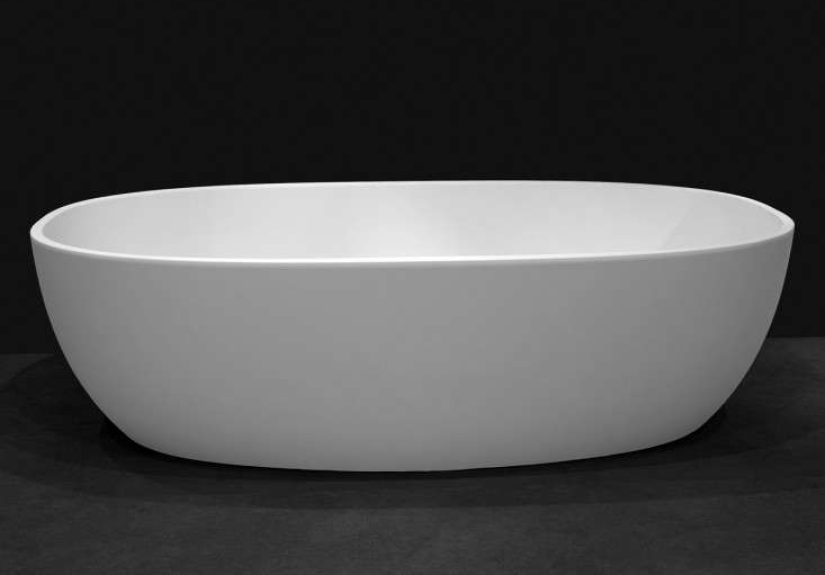
The Sublime 1500 is a freestanding bath with a clean oval silhouette and softly tapered sidesminimalist without looking like a giant soup bowl. It’s built for soaking, not for shouting. If your bathroom aesthetic is “spa calm,” “architectural modern,” “warm minimal,” or “I want my stress to move out,” this tub tends to play nicely.
Key specs that matter in real life
- Overall size: 1500 mm x 750 mm x 550 mm (about 59.1″ x 29.5″ x 21.7″)
- Capacity: 358 liters (about 95 gallons)
- Approx. weight: 125 kg (about 276 lb) before water + human + your existential thoughts
- Included: Chrome or stone waste included (check your order details so your finish doesn’t surprise you)
Translation: it’s a 59-inch freestanding tub with a comfortable footprint, substantial presence, and “yes, this is heavy” energy. It’s not the biggest tub on the marketby design. It’s aiming for that rare combo of visual drama and practical fit.
Why “1500” Is a Big Deal (and Not Just a Model Number)
In the U.S., a common baseline for tub sizing is the classic 60-inch alcove tub. A 1500 mm tub lands just a hair under that at roughly 59 inches. That matters because many bathrooms can’t donate additional inches without starting a feud between your tub and your vanity.
When a 1500 mm freestanding tub makes sense
- You want freestanding style without remodeling the entire universe. A ~59″ tub often fits where oversized showpiece tubs won’t.
- You’re working with a tighter primary bath. The tub can still be a focal point without turning the room into “tub with a side of bathroom.”
- You’re building a spa-like guest bath. It’s luxurious, but it doesn’t demand a ballroom.
That said, a smaller overall length doesn’t automatically mean a cramped soak. Comfort comes from interior geometry, depth, and back supportmore on that next.
The Material: Why apaiserMARBLE Changes the Feel of the Bath
Apaiser baths are made from apaiserMARBLE, the brand’s engineered stone material designed to look and feel like natural stone while performing like a modern, high-spec surface. If you’ve ever touched a cheap acrylic tub in winter and felt your soul briefly leave your bodythis is the opposite vibe.
What engineered stone brings to the party
- Warm-to-the-touch comfort: engineered stone surfaces tend to feel less shockingly cold than thin acrylic.
- Non-porous performance: helps with stain resistance and everyday cleanup.
- Scratch and scuff management: many solid-surface and engineered stone materials can be maintained and refinished more easily than you’d expect.
- Premium weight without “natural boulder” chaos: substantial, but typically more manageable than fully natural stone.
Apaiser also positions its material as sustainability-minded by incorporating reclaimed marble content in its composition. If sustainability is on your wish list (and it should be), this is one of those rare luxury purchases that at least tries to be responsible while still being gorgeous.
How it compares to acrylic and cast iron
Acrylic is popular because it’s lightweight, budget-friendly, and easy to install. But it can scratch, dull, or flex over time depending on quality. Cast iron is legendary for durability and heat retentionalso legendary for being heavy enough to make your floor joists consider a career change. Engineered stone/solid surface sits in a compelling middle: elevated look and feel, good thermal comfort, and a more modern maintenance story than many people assume.
Comfort: The Soak Factor Nobody Can Judge From a Photo
The Sublime 1500’s oval profile is designed to support relaxed lounging rather than rigid, upright sitting. In a showroom, this is the part where you pretend to “just test the ergonomics” while actually daydreaming about ignoring your phone for 45 minutes.
What to evaluate before you buy
- Back slope and shoulder space: can your shoulders settle in comfortably, or do you feel perched?
- Rim height: higher rims can feel luxurious but may be less friendly for stepping in and out.
- Interior length vs. your height: if you’re tall, bring measurements and realism. (A bath is not a magic portal to extra square footage.)
Pro tip: think about how you actually bathe. If you’re a “quick soak” person, almost any tub works. If you’re a “marathon soak with a playlist” person, ergonomics matter more than the tub’s Instagram popularity.
Installation: The Glamorous Part Where Everyone Becomes a Project Manager
A freestanding tub is a centerpiecebut it also changes plumbing and placement decisions in ways a built-in tub doesn’t. The Sublime 1500 is designed to sit directly on the floor, and freestanding tubs typically don’t have a hidden cavity to disguise plumbing the way built-ins can. Plan your connections early so your final result looks intentional, not “we did our best at 9 p.m.”
Three realities to plan for
- Weight + water + person: the tub is heavy before it’s filled. Your installer may recommend evaluating subfloor supportespecially upstairs.
- Plumbing placement: you’ll choose between a floor-mounted tub filler or a wall-mounted option depending on layout. Your tub’s position dictates everything from valve access to how you’ll clean behind it.
- Clearances: leave breathing room for maintenance. Many buying guides suggest planning a minimum gap from walls for access; more space makes cleaning and repairs dramatically easier.
Budget expectations (the part nobody pins on Pinterest)
National cost guides often place bathtub replacement in a broad range depending on materials, plumbing changes, and structural work. Freestanding installations can climb if you’re relocating drain lines, reinforcing floors, updating surrounds, or moving water supply lines. If you’re already remodeling, the tub becomes part of a larger choreographyplumber, tile installer, waterproofing, sometimes a general contractor to keep the timeline sane.
If you want a simple install, keep the tub close to existing plumbing. If you want the tub to float in the center of the room under a chandelier… that’s achievable, but it’s also how budgets learn to do gymnastics.
Care & Cleaning: Keeping It Sublime, Not Sad
High-end tubs are not supposed to be high-maintenance divas. The goal is “wipe, rinse, relax,” not “perform a ritual with eight specialty potions.” Non-porous engineered stone surfaces are generally easier to keep clean than people expect, as long as you avoid harsh abrasives and treat the finish like the premium surface it is.
Day-to-day best practices
- Rinse after use: soap residue loves to audition for a permanent role.
- Use gentle cleaners: mild soap and a soft cloth go a long way.
- Skip the rough stuff: abrasive powders and aggressive scrub pads can dull finishes over time.
- Handle minor marks promptly: many solid-surface style materials can be refreshed with proper care methods if scuffs happen.
Also: if your household uses bath oils, colored bath bombs, or anything that looks like a glitter comet, be mindful. Luxury surfaces typically handle normal use well, but over-pigmented products can leave residue if you don’t rinse promptly.
Design Pairings: Faucets, Layout, and the “Tub Moment”
Designers often talk about a freestanding tub as a “sculptural element,” which is a fancy way of saying: this thing is going to get noticed. The Sublime 1500’s smooth geometry makes it versatile across styles.
Hardware choices that look intentional
- Floor-mounted tub filler: dramatic, classic, and ideal when the tub sits away from walls.
- Wall-mounted filler: cleaner visual lines if your tub is near a feature wall.
- Hand shower add-on: not glamorous, extremely usefulespecially for rinsing the tub and washing hair (human or canine).
Layout ideas that actually work
- Against a statement wall: microcement, textured tile, or a calm stone-look slab makes the tub pop without yelling.
- Near natural light: a window-adjacent tub is basically a wellness subscription you don’t have to cancel.
- Wet room concept: integrated shower + tub zones are increasingly popular, but require excellent waterproofing and thoughtful drainage planning.
If you’re chasing “hotel spa” energy, consider heated floors, towel warming, and soft lighting. The tub is the star, but the supporting cast is what makes it feel like a true retreat.
Who the Sublime 1500 Is Perfect For (and Who Should Pass)
You’ll love it if…
- You want a luxury stone-look freestanding tub in a size that fits many U.S. bathrooms.
- You care about how materials feelnot just how they photograph.
- You’re building a calm, minimalist, spa-forward bathroom and want a centerpiece.
- You’re okay planning the plumbing properly (aka: you respect the laws of water).
You may want a different tub if…
- You need a tub/shower combo as your primary daily shower zone (built-ins often win that fight).
- You have mobility concerns that make high rims a safety issue (consider walk-in or accessibility-forward designs).
- Your bathroom is extremely tight and you can’t spare clearance for cleaning around the tub.
Common Mistakes People Make With Freestanding Tubs
1) Forgetting the “cleaning behind it” issue
A freestanding tub looks airy because it’s exposed on all sides… which also means dust and stray hair can migrate behind it like they’re starting a new civilization. Plan for enough space to reach behind the tub, or you’ll be doing yoga poses you didn’t consent to.
2) Underestimating hot water needs
Deep soaking is lovely. Deep soaking also uses more hot water than a quick bath. Before you commit, consider whether your water heater can keep upespecially if multiple people shower in the morning like it’s an Olympic event.
3) Buying the tub before confirming the path into the house
Measure doorways, hallways, stairs, and tight turns. A “59-inch tub” can still be a logistical puzzle depending on your home’s layout. The last thing you want is a gorgeous bathtub that lives permanently in your garage like a modern art installation titled “Regret.”
Real-World Experience Notes: What It’s Like to Live With the Apaiser Sublime 1500
Let’s talk about the part that never makes it into the product description: the actual, day-to-day experience of having a luxury soaking tub in your home. Not the fantasy version where candles light themselves and your laundry folds itself out of respectjust the real rhythm of it.
The arrival: equal parts excitement and “wow, that’s heavy”
The first experience most homeowners have is the delivery moment, which tends to feel like: “I’m thrilled!” followed immediately by “How many friends do I have who owe me favors?” Even though engineered stone is often more manageable than true carved stone, the Sublime 1500 is still substantial. This is not a one-person carry. You’ll want proper equipment, proper help, and a plan that doesn’t involve improvisation on a staircase.
Installation day: the tub teaches everyone patience
Freestanding tubs reward planning. The best installs are boringin the most flattering way. Plumbing connections align, the tub sits perfectly level, the waste fits cleanly, and the silicone sealing is neat. The “exciting” installs are the ones where the drain location doesn’t match the floor rough-in, or the faucet placement feels slightly off, or the tub is positioned so tightly near a wall that the first time you try to clean behind it you consider moving out instead.
A good installer will talk through access points for future maintenance. That’s not them being pessimistic; that’s them being a professional. Think of it like building an escape route for your sanity five years from now.
The first soak: the spa effect is real
Once it’s in, the Sublime 1500 tends to deliver the moment you bought it for: the bathroom suddenly feels like a retreat. The silhouette is calm. The surface feels premium. And because the tub is designed for soaking, the posture is more relaxed than a shallow, utilitarian tub. Many people discover they actually take baths more often when the tub feels invitinglike the difference between sitting on a folding chair versus a great sofa.
Heat, water, and the “how long can I stay here?” question
Material matters. A tub that feels warmer to the touch and holds temperature better turns a bath into a longer ritual. You’ll still lose heat over time (physics is undefeated), but the experience is often less “top off the water every five minutes” and more “I can actually finish a chapter of my book without turning into an icicle.”
On the flip side, deeper tubs can tempt you into using more hot water. In households with smaller water heaters, a “long soak” might mean scheduling your bath like it’s a popular restaurant reservation. Not a dealbreakerjust a reality.
Cleaning and maintenance: easier than people assume, if you’re consistent
The daily experience usually comes down to habits. If you rinse quickly after use, wipe away residue, and avoid harsh abrasives, the tub stays looking sharp. If you let soap film build up for weeks, you’ll eventually need a deeper cleanstill manageable, but much less fun. (Nothing ruins a spa mood like scrubbing.)
Many owners also appreciate that engineered surfaces can be refreshed if minor scuffs happen. That doesn’t mean “attack it with random sandpaper you found in the garage.” It means the surface isn’t inherently fragile, and with the right care methods, it can stay beautiful for the long haul.
The social factor: yes, guests will comment
A freestanding tub is a visual statement. People notice it. Some will politely compliment it. Others will immediately ask, “So… do you actually use it?” (Answer: yes. Otherwise it’s a very expensive fruit bowl.) If your goal was to create a bathroom that feels elevated, the Sublime 1500 tends to deliver that “wow” moment without being flashy.
The most satisfying long-term experience is subtle: the tub changes the pace of your day. A 15-minute soak after a workout. A quiet reset before bed. A Sunday “I’m doing nothing and I’m proud of it” ritual. In a world obsessed with speed, a great bath is one of the rare home upgrades that encourages you to slow down. Which, honestly, might be the most luxurious feature of all.
Wrap-Up: Is the Apaiser Sublime 1500 Bath Worth It?
If you want a high-end freestanding soaking tub that fits more bathrooms than the oversized showpiecesand you care about the feel of a premium material the Apaiser Sublime 1500 Bath is a compelling option. It’s designed to look sculptural without being fussy, and to perform like a modern surface without turning your life into a cleaning schedule.
The key is planning: measure clearances, confirm the delivery path, think through faucet placement, and budget realistically for installation. Do that, and you end up with the kind of bathtub that makes you look forward to your own bathroom. Which is a pretty great upgrade, considering how much of life happens therebrushing teeth, getting ready, decompressing, and occasionally questioning every decision you’ve ever made.