Table of Contents >> Show >> Hide
- The story: How oysters became “sexy food”
- What science says about oysters and libido
- Mind over mollusk: The psychology of aphrodisiacs
- Risks and reality checks
- So… are oysters really an aphrodisiac?
- How to enjoy oysters in a libido-friendly way
- 500+ words of real-world “oyster aphrodisiac” experiences
- Bottom line
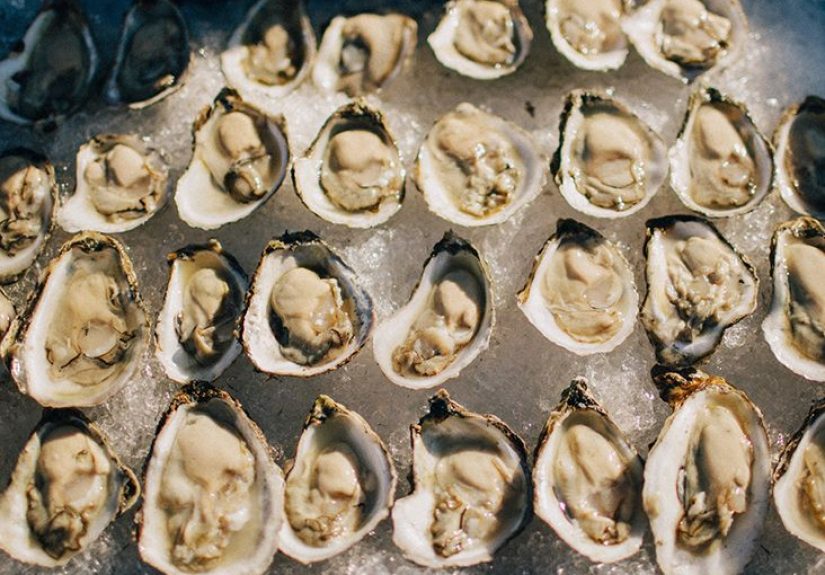
Few foods have a reputation as flirty as oysters. They show up on Valentine’s Day menus, date-night specials, and rom-com montages everywhere. One platter of icy, shimmery shells and suddenly everyone starts making jokes about “setting the mood.”
But is there anything more going on than good marketing and suggestive slurping? Do oysters really boost libido, or is it all just salty superstition carried over from Casanova and candlelit bistros?
Let’s dive into what history, nutrition science, and actual research say about oysters as an aphrodisiac – and why they can still be part of a romantic evening even if they don’t magically turn you into a 21st-century Casanova.
The story: How oysters became “sexy food”
From Aphrodite to Casanova
The word aphrodisiac comes from Aphrodite, the Greek goddess of love and beauty. One myth has her rising from the sea on a shell, which helped cement the idea that mysterious things from the ocean – like oysters – must somehow be linked to love and desire.
Fast-forward a few centuries and oysters were a staple at Roman feasts and later at lavish European banquets. Roman writers described oysters as enhancing virility, and physicians in antiquity and the Renaissance sometimes recommended them for waning desire.
Then there’s Giacomo Casanova, the famous 18th-century lover who allegedly ate dozens of oysters for breakfast and credited them for his romantic stamina. Whether his diary was strictly factual is… questionable, but his name is now permanently attached to the oyster legend.
The modern myth machine
Today, oysters are expensive in many restaurants, often served on ice with champagne, dim lighting, and maybe a jazz playlist. That’s basically a rom-com in food form. The setting alone can make them feel seductive.
On top of that, eating oysters is a bit theatrical. You pick up a shell, tip it toward your lips, and slurp. It’s primal, messy, and kind of sensual in a way that, say, eating a baked potato is not. That ritual, plus centuries of rumor, keeps the aphrodisiac myth alive.
What science says about oysters and libido
Short version: Not magic, but not nothing
The unromantic truth: there’s no solid clinical evidence that oysters directly increase sexual desire or performance in humans. The U.S. Food and Drug Administration has said it has no clinical proof that any so-called aphrodisiac food actually works, oysters included.
However, oysters do contain nutrients that matter for overall sexual health – especially zinc and certain amino acids – which is where the story gets interesting.
Zinc: The star mineral in oysters
Zinc is the big reason oysters are always at the aphrodisiac table. These shellfish are basically tiny mineral powerhouses. Depending on the type and preparation, a 3-ounce (about 85 g) serving of oysters can contain far more than the entire daily recommended intake of zinc for adults – often in the range of 30–70+ milligrams.
Why does zinc matter for sex?
- Hormone production: Zinc is crucial for testosterone synthesis in people with testes, and testosterone plays a role in libido for all genders.
- Dopamine: Zinc appears to influence dopamine, a “feel-good” brain chemical tied to motivation and pleasure – including sexual pleasure.
- Fertility and reproductive health: Adequate zinc is linked with sperm quality and general reproductive function.
So, if someone is low in zinc, adding more zinc-rich foods such as oysters might support healthier hormone levels and energy overall, which could indirectly help their sex drive.
Amino acids and animal studies
Some research has looked at specific amino acids found in oysters that may influence sexual behavior – at least in animals. One animal study found that oyster extracts seemed to increase mating behaviors in male mice, which is where some “oyster extract supplement” marketing gets its inspiration.
But there’s a huge leap between “injections of oyster extract in mice under controlled lab conditions” and “ordering a dozen raw oysters at happy hour.” We don’t have equivalent high-quality human trials showing that eating oysters reliably boosts sexual performance or desire.
The bigger nutrition picture
Beyond zinc, oysters are packed with:
- Vitamin B12 – important for energy, brain health, and red blood cell production.
- Iron – helps prevent fatigue due to anemia.
- Omega-3 fatty acids – support heart and blood vessel health, which matters for sexual function, especially erections.
- High-quality protein – supports muscle repair and overall vitality.
Feeling energetic, having good circulation, and maintaining overall health are not as flashy as “instant aphrodisiac,” but they’re far more realistic contributors to a satisfying sex life.
Mind over mollusk: The psychology of aphrodisiacs
The power of expectation
Even if oysters don’t directly flip a biochemical “on” switch for desire, the placebo effect is real. If you believe a food is sexy, your brain and body may follow that script.
Think about what’s happening when people share oysters:
- They’re usually in a fun setting – a special dinner, vacation, date night.
- They’re often drinking a bit of wine or champagne.
- They’ve heard the “oysters are an aphrodisiac” story a thousand times.
That combination of environment, alcohol, and expectation can definitely make desire feel stronger. The oysters become part of the ritual, even if they aren’t the biochemical cause.
Sensual eating and shared rituals
Oysters also check a lot of boxes on the “sensual food” list:
- You eat them with your hands.
- They’re slippery and briny – more of a textural and taste experience than a quick bite.
- They’re served in a way that encourages sharing and interaction.
Sharing food that feels special, a little bit luxurious, and slightly daring can spark intimacy. That’s less about oysters as a drug and more about oysters as a shared experience.
Risks and reality checks
Food safety: The unsexy side of raw oysters
As much as restaurants romanticize raw oysters, they are not risk-free. Raw or undercooked oysters can harbor bacteria like Vibrio, which can cause serious illness, particularly in people with weakened immune systems, liver disease, or certain chronic conditions.
Some public health campaigns even call out the “oysters are an aphrodisiac” idea as a myth that distracts from the real risks of contamination. So if you’re going to enjoy them, it’s worth choosing reputable sources and paying attention to local advisories.
Supplements vs. whole food
It’s also worth noting that if you’re interested in nutrients like zinc or omega-3s, oysters are only one option. Plenty of other foods – like beef, beans, pumpkin seeds, and other seafood – can help you meet your needs without relying on raw shellfish.
And if libido issues are significant or persistent, supplements or medications shouldn’t be self-prescribed based on internet headlines. That’s a conversation to have with a healthcare professional.
So… are oysters really an aphrodisiac?
The honest answer
If by “aphrodisiac” you mean a food that reliably and directly increases sexual desire or performance shortly after you eat it, then no, oysters don’t qualify based on current evidence.
If by “aphrodisiac” you mean something that:
- Is rich in nutrients important for hormones, energy, and vascular health
- Feels sensual and luxurious to eat
- Shows up in romantic settings and rituals
- Can benefit from a strong placebo effect
…then oysters absolutely earn their sultry reputation.
In other words, oysters probably won’t create desire out of thin air, but they can support your health and set the stage for romance – which is still pretty powerful.
How to enjoy oysters in a libido-friendly way
1. Focus on overall health, not a “magic food”
A strong sex drive usually reflects overall physical and emotional well-being. Sleep, stress management, movement, mental health, and relationship quality matter far more than any single food.
Oysters can be a tasty part of a heart-healthy, nutrient-dense diet that supports that bigger picture.
2. Treat oysters as a shared experience
Think of oysters less as a potion and more as a ritual:
- Order a dozen to split on a special night out.
- Experiment with different varieties and toppings (classic mignonette, a squeeze of lemon, maybe a dab of hot sauce).
- Turn the tasting into a game: rate each oyster, describe flavors, and compare notes.
The more fun and connection you build around the food, the more “aphrodisiac” the evening can feel.
3. Be mindful of alcohol
Champagne and oysters sound romantic, but too much alcohol is more likely to sabotage sexual performance than boost it. A glass or two may help you relax; beyond that, you’re moving into “sleepy and dehydrated” territory, not “passion unleashed.”
4. Respect your comfort level
If the idea of slurping raw shellfish makes you queasy, forcing yourself to eat oysters is not going to ignite desire. Anxiety and discomfort are not aphrodisiacs.
You can still get plenty of zinc and other nutrients from cooked seafood or other foods – and choose a romantic menu that actually excites you.
500+ words of real-world “oyster aphrodisiac” experiences
Science is great, but humans don’t live in a lab. We live in restaurants, kitchens, beach bars, and slightly awkward first dates. So what does the myth of oysters as an aphrodisiac look like in real life?
The first-date oyster gamble
Picture this: two people on a first date, both wanting to look chill and adventurous. The server mentions a raw bar special. One person says, “We should totally get oysters; they’re, uh, supposed to be an aphrodisiac, right?” They both laugh, slightly too loud, and go along with it.
What happens next isn’t biochemistry; it’s body language. Sharing a tray of oysters gives them something to talk about that isn’t “So, what do you do?” They comment on the flavor, ask if the other one has had them before, maybe coach each other on how to slurp one properly without looking like a baby sea lion.
By the time the plate is empty, they’ve:
- Shared a mini adventure together.
- Laughed about something slightly weird and vulnerable.
- Leaned in closer without really noticing.
Did the oysters cause attraction? Probably not. But they created a playful moment and a sense of “we did something fun together,” which absolutely helps chemistry along.
Long-term couples and the “oyster ritual”
For some long-term couples, oysters become part of their shared story: maybe they had oysters on their first vacation, or one partner learned to shuck them at home as a surprise. Over time, “Let’s have oysters tonight” can feel like code for “Let’s carve out time just for us.”
One pair might grab oysters at the same seaside shack every anniversary. Another might host a small dinner with friends, where oysters are the “fancy” starter that kicks off a relaxed evening of good conversation.
In those cases, the aphrodisiac power isn’t in the shellfish itself; it’s in the meaning attached to the ritual. Oysters become a symbol of celebration, of stepping out of the daily grind and back into connection.
When the myth backfires
Of course, not every oyster story is romantic. Sometimes the myth sets expectations a little too high.
Imagine someone planning the “perfect” Valentine’s date: oysters, champagne, high hopes. But they’re nervous, skip lunch, and have a bit too much bubbly on an almost-empty stomach. By the time they get home, they’re more interested in finding a glass of water and comfortable pajamas than in flirting.
In another scenario, one partner is really into the idea of oysters as an aphrodisiac, while the other secretly hates shellfish. They go along with it to be polite, spend the whole meal trying not to think about texture, and end up feeling queasy rather than turned on.
In both cases, the problem isn’t oysters; it’s pressure. When a food is hyped as “sexy,” people can feel like something is wrong if they don’t instantly feel desire afterward. That pressure is the opposite of what most people need for good sex.
How to use the myth in a healthy way
The best way to use the “oysters are an aphrodisiac” story is lightly and playfully:
- Treat it as a fun conversation starter, not a guaranteed outcome.
- Share oysters because you like them, not because you’re testing their “powers.”
- Leave plenty of space for the evening to unfold naturally, oysters or no oysters.
You can absolutely enjoy the myth without believing every word of it. Oysters can be part of a romantic, sexy evening – but so can burgers, tacos, or homemade pasta, if that’s what you both genuinely love.
Bottom line
Oysters don’t work like a romance-on-switch. There’s no solid human evidence that they directly boost libido in the way legends suggest. But they do offer:
- Impressive levels of zinc and other nutrients tied to hormone balance, energy, and circulation
- A sensory, slightly theatrical eating experience
- Centuries of romantic lore and playful myths
- A built-in excuse to slow down, share food, and connect
So if you enjoy oysters, feel free to keep them on the menu for date night. Just think of them less as a magic potion and more as a delicious co-star in the much bigger story of your health, your relationship, and your ability to relax and be present with someone you like.