Table of Contents >> Show >> Hide
- What Is an Atrial Septal Defect?
- How ASD Affects the Heart
- Types of Atrial Septal Defect
- Causes of Atrial Septal Defect
- Symptoms of ASD in Babies, Children, and Adults
- How Doctors Diagnose Atrial Septal Defect
- Treatment Options for Atrial Septal Defect
- Recovery and Long-Term Outlook
- When to Seek Medical Attention
- Experiences People Commonly Share With ASD
- Conclusion
- SEO Tags
“A hole in the heart” sounds like the kind of phrase that should come with dramatic background music. In reality, an atrial septal defect, or ASD, is a well-known congenital heart condition that doctors diagnose and treat every day. Some ASDs are tiny, quiet, and almost rude in how little fuss they cause. Others are large enough to make the heart and lungs work overtime, which can lead to symptoms and long-term complications if they are not treated.
The good news is that modern cardiology has made ASD far less mysterious than it used to be. Many children with small defects simply need monitoring. Many larger defects can be closed successfully with a catheter-based procedure or surgery. And for a huge number of people, the long-term outlook after proper care is excellent.
This guide explains what atrial septal defect means, why it happens, what symptoms to watch for, how doctors diagnose it, which treatment options are available, and what life may look like after repair.
What Is an Atrial Septal Defect?
An atrial septal defect is an opening in the wall between the heart’s two upper chambers, the right atrium and the left atrium. That wall is called the atrial septum. Because of the opening, blood can move between the chambers in a way it should not after birth.
In most cases, oxygen-rich blood from the left atrium leaks into the right atrium. That extra blood then gets sent back to the lungs instead of heading efficiently out to the body. If the defect is small, this may not cause much trouble. If the defect is large, the right side of the heart and the lung circulation can gradually become overloaded.
ASD is a congenital heart defect, which means it is present at birth. It is not the same thing as a patent foramen ovale, or PFO. A PFO is a flap-like opening that may remain after birth, while a true ASD involves missing or improperly formed septal tissue. In everyday conversation, both may get called a “hole in the heart,” but medically they are not twins. More like distant cousins who keep getting mistaken for each other at family reunions.
How ASD Affects the Heart
To understand why atrial septal defect matters, imagine the heart as a two-lane traffic system. The right side sends blood to the lungs. The left side sends oxygen-rich blood to the body. An ASD creates a shortcut between the upper chambers, and that shortcut usually sends extra blood to the right side.
Over time, this may lead to:
- Enlargement of the right atrium and right ventricle
- Increased blood flow to the lungs
- Abnormal heart rhythms such as atrial fibrillation or flutter
- Shortness of breath and exercise intolerance
- Pulmonary hypertension in more advanced or untreated cases
- A higher risk of stroke in some situations
The key point is that ASD often acts slowly. A person can feel completely fine for years and still have a defect that is quietly changing the heart’s workload in the background.
Types of Atrial Septal Defect
Not all ASDs sit in the same spot, and that matters because location helps determine treatment.
Secundum ASD
This is the most common type. It forms in the middle part of the atrial septum and is often the kind most suitable for catheter-based device closure.
Primum ASD
This type occurs lower in the septum and may be associated with problems involving the heart valves. Because of its anatomy, it usually requires surgery rather than a closure device.
Sinus Venosus ASD
This less common type occurs near the veins that return blood to the heart. It is often linked with abnormal pulmonary vein connections and usually needs surgical repair.
Coronary Sinus or Unroofed Coronary Sinus Defect
This is the rarest form and involves a missing or incomplete wall related to the coronary sinus. It is uncommon, but when present, it usually calls for expert congenital heart evaluation.
Causes of Atrial Septal Defect
In many cases, the exact cause of atrial septal defect is unknown. What doctors do know is that the problem develops while the baby’s heart is forming early in pregnancy. A normal fetal opening between the atria is supposed to close or become very small after birth. When part of that process does not happen correctly, an ASD can remain.
Genetics can play a role. Some children with ASD also have other congenital heart problems or genetic syndromes. Researchers have identified certain gene changes linked to congenital heart defects, although a clear one-cause explanation is not available for every patient.
Certain maternal health conditions and exposures may increase risk, including some infections during pregnancy, preexisting diabetes, lupus, alcohol use, tobacco use, cocaine use, and some medications. That does not mean a parent “caused” the defect. It simply means risk can be influenced by several biological and environmental factors.
Symptoms of ASD in Babies, Children, and Adults
One of the tricky things about atrial septal defect symptoms is that many people have none at all, especially when the defect is small. In fact, a heart murmur heard during a routine exam may be the first clue.
Common Signs in Infants and Children
- Heart murmur
- Frequent respiratory infections
- Slow growth or poor weight gain
- Tiring easily with activity
- Fast breathing or shortness of breath
- Occasional rhythm problems in larger defects
Common Symptoms in Teens and Adults
- Shortness of breath, especially with exercise
- Fatigue or reduced stamina
- Palpitations or racing heartbeat
- Swelling in the legs or feet
- Frequent chest infections or poor exercise tolerance
Some adults are diagnosed in their 30s, 40s, or even later after years of assuming they were just “out of shape,” “too stressed,” or “mysteriously winded after one staircase.” Sometimes the problem only becomes obvious once the heart starts showing signs of strain.
How Doctors Diagnose Atrial Septal Defect
Diagnosis usually begins with a physical exam, often after a clinician hears a murmur. From there, the most important test is an echocardiogram, which uses ultrasound to show the structure of the heart and the direction of blood flow.
Additional tests may include:
- Electrocardiogram (EKG): Looks for rhythm problems or strain patterns.
- Chest X-ray: May show an enlarged heart or increased blood flow to the lungs.
- Transesophageal echocardiogram (TEE): Gives a closer look at the size, shape, and location of the defect.
- Cardiac MRI or CT: Helps define anatomy in complex or less common ASDs.
- Cardiac catheterization: Sometimes used to measure pressures and guide treatment planning.
The most important questions during diagnosis are not just “Is there a hole?” but also “How big is it?”, “Is it enlarging the right side of the heart?”, “Is it raising pressure in the lungs?”, and “Is the anatomy suitable for device closure or surgery?”
Treatment Options for Atrial Septal Defect
Atrial septal defect treatment depends on the size of the opening, symptoms, the type of ASD, the presence of right heart enlargement, and whether the lungs or heart have already been affected.
Watchful Waiting
Small ASDs may close on their own during infancy or early childhood. Even if they do not fully close, some stay so small that they do not require intervention. In these cases, regular follow-up with a cardiologist may be all that is needed.
Medication
Medicines do not close the hole. That part is important enough to say twice at family dinner. Medication can help manage symptoms or related issues, such as fluid buildup, arrhythmias, or blood clot concerns in selected patients, but it does not repair the underlying defect.
Catheter-Based Device Closure
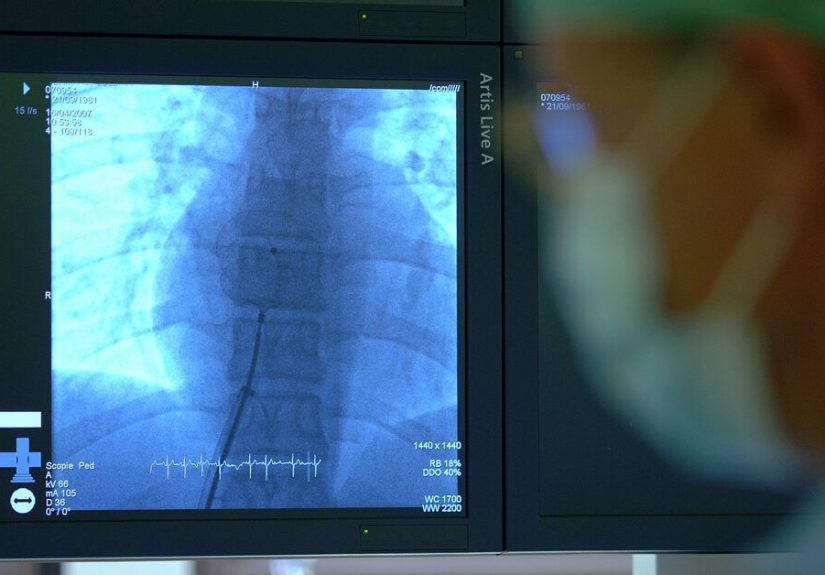
For many secundum ASDs, doctors can close the defect without open-heart surgery. A cardiologist threads a catheter through a blood vessel, usually from the groin, to the heart. A closure device is positioned across the opening, and heart tissue gradually grows over it.
The benefits of device closure include:
- No large chest incision
- Shorter recovery time
- Excellent results in properly selected patients
This option is not right for every ASD. The defect must be the correct type, size, and shape.
Surgical Repair
Surgery may be recommended for primum ASDs, sinus venosus defects, very large secundum defects, or defects associated with other structural problems. Surgeons may close the hole with stitches or a patch, depending on the anatomy.
Hearing the words “open-heart surgery” is understandably scary. But in experienced centers, ASD repair is a standard and highly successful procedure. For many patients, surgical correction prevents bigger problems later in life.
When Closure May Not Be the Best Move
In patients with severe pulmonary hypertension or advanced changes in lung blood vessels, closing the defect is not always recommended. That is why timing matters. A defect that is straightforward to fix earlier can become more complicated if ignored for too long.
Recovery and Long-Term Outlook
The atrial septal defect outlook is generally very good, especially when the defect is found before it causes lasting heart or lung damage. Children who have successful repair often go on to live healthy, active lives. Adults also usually do well, particularly when closure happens before major complications develop.
After repair, follow-up is still important. A cardiologist may check for:
- Residual shunting
- Heart rhythm problems
- Right heart size and function
- Pulmonary pressure
- Overall exercise tolerance
Some patients need blood-thinning medication for a period after device closure. Some may be advised to take antibiotics before certain dental procedures for a limited time after repair. In most cases, once healing is complete, activity restrictions are minimal or none at all.
Pregnancy is usually low risk after successful ASD closure if there is no residual opening and no significant pulmonary hypertension. An unrepaired ASD can increase pregnancy-related risk, especially when lung pressure is high, so women with congenital heart disease should discuss pregnancy planning with a cardiologist familiar with adult congenital heart conditions.
When to Seek Medical Attention
A person should speak with a healthcare professional if there is unexplained shortness of breath, reduced exercise tolerance, palpitations, swelling in the legs, a new murmur, or a history of congenital heart disease without recent follow-up. Parents should also ask about evaluation if a child has recurrent respiratory infections, poor growth, tiring with feeds or play, or an abnormal exam.
Anyone with chest pain, fainting, severe breathing difficulty, or sudden neurologic symptoms such as weakness or trouble speaking should seek urgent medical care right away.
Experiences People Commonly Share With ASD
The lived experience of atrial septal defect can look very different from one person to another. Some families describe a diagnosis that starts with a routine pediatric visit. Their baby looks perfectly fine, eats reasonably well, naps like a tiny CEO, and then a doctor hears a murmur. An echocardiogram follows, and suddenly the family is learning brand-new vocabulary like “secundum,” “right heart enlargement,” and “watchful waiting.” In many of these cases, the early months are less about emergency treatment and more about follow-up, education, and learning that not every heart defect creates an immediate crisis.
Parents often say the hardest part is the uncertainty. They are told the defect may close on its own, but no one can promise when. So they spend months balancing normal life with cardiology appointments, trying not to panic every time their child gets winded on the playground. For many, hearing that the defect is stable or getting smaller feels like someone turned down the volume on a very loud worry.
Other people do not learn they have ASD until adulthood. Their stories often sound surprisingly ordinary at first. They notice they get tired more easily than friends, avoid intense exercise, or feel fluttering in the chest now and then. Some assume they are just out of shape. Some blame stress. Some discover the defect only after an EKG, an echocardiogram, or a workup for palpitations. A common emotional reaction is disbelief: “How could I have had this my whole life and not known?”
Patients who undergo device closure often describe a mix of fear before the procedure and relief afterward. The idea of a device being placed in the heart sounds futuristic in the most unsettling way. But many also report being surprised by how quickly they recover. They may spend a short time in the hospital, deal with some soreness, and then gradually return to regular routines. For some, the biggest change is not dramatic at all. It is subtle. Stairs feel easier. Exercise feels less punishing. Fatigue stops being the main character in the room.
People who need surgery often talk about recovery as both physical and emotional. There is the healing itself, of course, but there is also the mental shift that comes with realizing the problem has finally been fixed. Many describe a strong sense of gratitude after repair, especially if symptoms had been creeping up for years. Others say long-term follow-up brings peace of mind. Instead of wondering whether their heart is silently struggling, they have a plan and a specialist keeping watch.
One of the most encouraging themes across ASD experiences is that knowledge changes everything. Once patients and families understand the condition, the path forward often feels much less frightening. Atrial septal defect is serious enough to respect, but it is also a condition with clear diagnostic tools, effective treatments, and a strong outlook for many people. In heart care, that is more than good news. That is the kind of news people can build a normal life around.
Conclusion
Atrial septal defect is a congenital opening between the heart’s upper chambers that may range from harmless and tiny to clinically significant and treatment-worthy. The cause is often unknown, although genetics and pregnancy-related factors can contribute. Small defects may close on their own or require only monitoring. Larger defects can lead to right heart strain, arrhythmias, pulmonary hypertension, and other complications if left untreated.
The most important takeaways are simple: early diagnosis matters, echocardiography is central, medication does not close the defect, and today’s treatment options are highly effective for many patients. Whether the plan is observation, device closure, or surgery, the long-term outlook is often excellent when care is timely and individualized.
In other words, ASD is not a diagnosis to ignore, but it is also not a diagnosis that automatically writes a scary ending. With expert follow-up and the right treatment, many people with atrial septal defect do very well.