Table of Contents >> Show >> Hide
- What Makes a Towel Rack Feel Japanese?
- Why This Style Works So Well in Modern Bathrooms
- Best Types of Japanese-Style Towel Racks
- Where to Put a Japanese Towel Rack
- Materials That Actually Make Sense in a Bathroom
- How to Style a Japanese Towel Rack Without Making It Look Staged to Death
- Common Mistakes to Avoid
- How to Choose the Right Japanese Towel Rack for Your Bathroom
- Japanese Towel Rack Ideas for Different Bathroom Sizes
- Experience Section: What It Feels Like to Live With a Japanese Towel Rack
- Final Thoughts
A great bathroom can change your mood before coffee has even negotiated with your brain. That is part of the appeal behind the Japanese-inspired bath: calm lines, practical storage, natural materials, and a feeling that every object has a job. In that world, the humble towel rack is not just a place to toss yesterday’s damp towel like a defeated cape. It is part of the room’s rhythm.
A Japanese towel rack, or more accurately a Japanese-style towel rack, usually follows a simple idea: less bulk, more purpose. Think slim frames, open airflow, clean geometry, wood or powder-coated steel, and placement that makes daily bathing feel easy instead of awkward. It supports the spa-like atmosphere that so many homeowners want, especially in bathrooms where square footage is tighter than a jar lid after grandma closes it.
This style works because it blends beauty with discipline. A rack should help towels dry, reduce visual clutter, and support a bathroom that feels organized rather than crowded. Whether you are remodeling a primary bath, styling a guest bathroom, or trying to stop towels from living on the floor like rebellious teenagers, a Japanese-inspired rack can be a smart upgrade.
What Makes a Towel Rack Feel Japanese?
The phrase Japanese towel rack does not mean there is only one traditional form. In American design conversations, it usually points to a rack that supports a broader Japanese or Japandi bathroom aesthetic. That means restraint, warmth, and function. The rack is not trying to become the star of the room. It is trying to make the room feel better behaved.
1. Clean, Minimal Lines
Japanese-inspired bath accessories usually avoid ornate curves, heavy decoration, and oversized hardware. A rack with a slim metal frame, evenly spaced bars, and a light visual footprint fits the look. The effect is peaceful and architectural, not fussy.
2. Natural Materials
Wood accents are common in Japanese-style bathrooms because they soften hard surfaces like tile, stone, and glass. Light woods, including ash, oak, bamboo, or hinoki-inspired finishes, create warmth and a quiet spa mood. Even when the rack itself is steel, wood details can make it feel less cold and more intentional.
3. Open Airflow
A good towel rack should let towels breathe. That is why many Japanese-inspired designs use horizontal bars, ladder-like frames, or freestanding structures with space between towels. The point is not only neatness. Better airflow can help towels dry faster and keep the room from feeling swampy.
4. Small-Space Intelligence
Many Japanese-designed home goods are famous for doing a lot with very little space. That mindset works beautifully in bathrooms. A narrow freestanding rack beside the tub, a wall-mounted bar with room underneath, or a vertical ladder rack can all provide storage without making the room feel boxed in.
Why This Style Works So Well in Modern Bathrooms
American bathrooms are often asked to do too much. They need to function as a morning launch pad, a nighttime wind-down zone, a linen closet, a beauty station, and sometimes an emotional support room where you stare at the mirror and decide whether bangs are a good idea. A Japanese-style towel rack helps because it encourages a more edited environment.
First, it supports bathroom towel storage without adding visual noise. A heavy cabinet can dominate a small room, but an open rack keeps essentials accessible while feeling lighter. Second, it fits the current appetite for minimalist bathrooms, spa bathrooms, and Japandi interiors. Third, it encourages better towel habits. If the rack is easy to reach and easy to use, people actually use it. Revolutionary, I know.
There is also a comfort factor. In a bath inspired by Japanese design, movement matters. You want the towel within easy reach of the tub or shower, but you do not want the room packed with bulky storage pieces. The best rack makes your routine feel smoother: bathe, dry off, hang towel, exhale, continue pretending you are at a boutique hotel.
Best Types of Japanese-Style Towel Racks
Freestanding Towel Rack
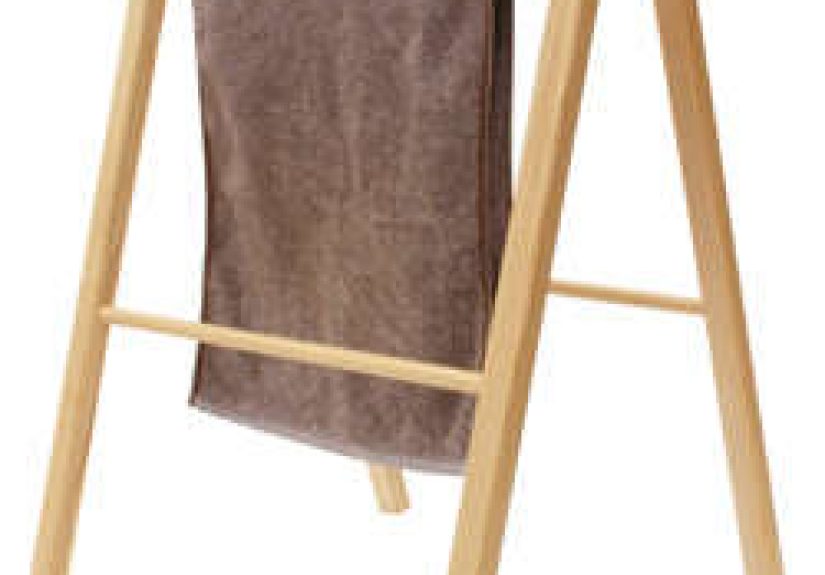
A freestanding towel rack is one of the best fits for this look. It feels sculptural, slim, and flexible. You can place it beside a soaking tub, near a walk-in shower, or under a window if moisture conditions allow. This type is especially useful when you do not want to drill into tile or when wall space is limited.
It also works well in households where more than one towel needs to dry at once. Multiple bars allow better separation, which means less damp towel overlap and fewer musty surprises. If your bath includes a deep soaking tub or a wet-room feel, a freestanding rack can bring that serene, retreat-like vibe into the room.
Towel Ladder
A ladder rack offers a casual version of the same idea. It leans against the wall, uses vertical space well, and gives a bathroom texture without much visual weight. In a Japanese-inspired room, choose one with a simple silhouette and understated finish. Too rustic, and the look drifts cabin. Too shiny, and it starts acting like a disco prop.
Wall-Mounted Towel Bar
The classic towel bar still has a place. For a Japanese aesthetic, the key is choosing hardware with clean lines and placing it thoughtfully. A single bar near the sink works for hand towels, while a longer bar or double-bar setup can support bath towels in a compact room. Wall-mounted bars are especially useful when floor space is precious.
Hooks with Breathing Room
Some minimalist bathrooms replace bars with hooks. That can work beautifully, especially for hand towels or in family bathrooms. But spacing matters. A hook cluster only feels Japanese-inspired when it is disciplined, not chaotic. Give each towel enough room to dry and avoid turning the wall into a coat check.
Where to Put a Japanese Towel Rack
Placement is where style becomes real life. You can buy the prettiest rack in the world, but if it lives across the room from the shower, your towel will still end up draped over a doorknob like it has given up on society.
Near the Bathing Zone
The ideal position is within easy reach of the tub or shower, but not so close that towels stay constantly splashed. In a Japanese-inspired bathroom, convenience should feel natural, not crowded. A freestanding rack beside a soaking tub is classic. In a shower-focused room, a bar on the nearest dry wall often works best.
Respect Standard Measurements
If you are installing a wall bar, standard placement still matters. In many American bathrooms, towel bars are commonly mounted around 48 inches above the floor. That is a useful baseline, though the right height depends on the towel size, user needs, vanity depth, and nearby fixtures. If you are installing double bars, keep enough vertical space between them so lower towels do not get smothered by the upper ones.
Use Vertical Space
Small bathroom? Go up. Vertical storage is a gift. A ladder rack, narrow shelf with towel bar, or wall niche holding rolled towels can free the room from countertop clutter. Japanese-style spaces often feel calm because they do not waste walls.
Materials That Actually Make Sense in a Bathroom
A bathroom is a wet, humid, sometimes steamy environment. That means your bath towel rack needs to be more than pretty. It needs to survive daily moisture without turning into a science experiment.
Powder-Coated Steel
Steel with a quality finish is durable, slim, and visually crisp. White, black, and soft charcoal are especially effective in minimalist bathrooms. Powder coating helps resist corrosion better than bare metal, which matters when your hot shower turns the room into a cloud forest.
Solid Wood or Wood Accents
Wood brings warmth and aligns beautifully with Japanese bath design. Just make sure it is finished appropriately for a humid room. A little wood goes a long way in softening tile-heavy spaces. It can make even a basic rack feel more custom and more serene.
Bamboo
Bamboo is lightweight, practical, and naturally suited to spa-inspired interiors. It works especially well for towel ladders and compact freestanding pieces. Look for sturdy construction and a finish that can tolerate bathroom moisture.
How to Style a Japanese Towel Rack Without Making It Look Staged to Death
Japanese-inspired bathrooms feel calm because they are edited. The rack should not become a display case for every textile you own.
Keep the Color Palette Quiet
White, cream, taupe, gray, charcoal, soft green, and natural wood tones all work well. Towels in matching or closely related shades instantly make the space feel more intentional. This is not the place for one neon beach towel screaming for attention unless your design plan is “minimalism, but loud.”
Mix Folded and Hanging Towels
If your rack includes a top shelf or nearby niche, combine one or two hanging bath towels with neatly folded hand towels or washcloths. The room looks useful, not sterile.
Add One Natural Element
A wood bath stool, a small plant suited to humidity, a stone tray, or a simple bath brush can support the look. One is elegant. Six is a gift shop.
Common Mistakes to Avoid
Choosing a Rack That Is Too Chunky
Japanese-inspired design thrives on lightness. Oversized farmhouse racks, heavy scrollwork, or bulky wall systems can overpower the room.
Ignoring Drying Performance
A beautiful rack that presses towels too tightly together is just a sculpture with hygiene issues. Make sure bars are spaced enough for airflow.
Overdecorating Around It
If the rack is minimal but the surrounding walls are full of signs, baskets, faux vines, and ten jars labeled “Cotton,” the mood will collapse immediately. Let the open space do some of the design work.
Skipping Ventilation
Even the best towel rack cannot defeat a damp bathroom with poor airflow. Use the exhaust fan, keep moisture under control, and make sure towels can dry properly between uses. Style matters. So does not growing mystery fuzz.
How to Choose the Right Japanese Towel Rack for Your Bathroom
Start with your floor plan. If your bathroom is tight, a wall-mounted bar, towel ladder, or ultra-slim freestanding rack will likely work best. If you have a larger bath or a soaking tub setup, a wider freestanding rack can create a more luxurious hotel feel.
Next, think about how many towels need to live there every day. One adult using a guest bath has different needs than a family of four with bath sheets the size of picnic blankets. Then consider material, finish, and cleaning needs. Smooth metal and sealed wood are easier to maintain than overly textured surfaces.
Finally, match the rack to the room’s mood. If your bathroom includes natural stone, pale wood, and matte fixtures, choose a rack that quietly supports those materials. If the space is modern but warm, a steel-and-wood combination can bridge both worlds nicely.
Japanese Towel Rack Ideas for Different Bathroom Sizes
Small Bathroom
Choose a slim towel ladder, a single wall bar, or a narrow rolling rack tucked beside the vanity. Focus on vertical space and avoid blocking walkways.
Guest Bathroom
A simple wall-mounted hand towel bar near the sink plus one open shelf for folded towels creates a welcoming, polished setup without crowding the room.
Primary Bath
Use a freestanding rack near the tub and a second bar or hook system near the shower. Matching finishes create a cohesive spa-like look.
Japandi Bathroom
Lean into matte black, white, or soft gray metal paired with oak or ash tones. Keep accessories minimal and let texture do the heavy lifting.
Experience Section: What It Feels Like to Live With a Japanese Towel Rack
There is a difference between owning a bathroom accessory and noticing that it quietly improves your day. A Japanese-style towel rack tends to fall into the second category. At first, it may seem like a small change. It is just a rack, right? But after a few weeks, you start realizing that the room feels calmer because the towels are no longer everywhere at once. They are not slumped over the shower door, dangling from cabinet pulls, or staged on the floor in a puddle like they have just survived a difficult breakup.
In the morning, the experience is mostly about flow. You step into the bathroom and nothing feels visually loud. The rack is there, but it is not shouting. The towel is where it should be, dry and easy to grab. If the rack is freestanding beside the tub or near the shower exit, the movement feels smooth. Reach, dry off, hang towel back up, continue with life. There is something oddly satisfying about not having to hunt for a towel or drape it over a random surface afterward.
In smaller bathrooms, the effect is even more noticeable. A bulky storage cabinet can make a room feel crowded before you even brush your teeth. A slim Japanese towel rack keeps the space open. You can still move around without bumping your hip on furniture every morning. That alone deserves a small round of applause. The room feels lighter, and because the rack is visually simple, it does not add chaos even when towels are hanging on it.
There is also a sensory side to it. Bathrooms inspired by Japanese design often rely on quiet textures: soft towels, smooth tile, pale wood, matte metal, warm steam. A well-chosen rack supports that atmosphere. If it has wood elements, it can make the room feel warmer and more grounded. If it is powder-coated steel with a clean silhouette, it can make the space feel crisp and deliberate. Either way, the rack becomes part of a mood that says, “Yes, this room has its life together,” even when the rest of the house is still negotiating with laundry baskets.
Guests notice it too. They may not walk in and announce, “Marvelous towel management!” because that would be unusual behavior. But they do notice when a bathroom feels thoughtful. A neatly placed rack with fresh towels suggests care. It makes the room feel prepared, not improvised.
Over time, one of the biggest benefits is behavioral. People are more likely to hang towels properly when the solution is simple and attractive. Children, partners, and absent-minded adults suddenly have fewer excuses. The rack makes the right habit easier than the messy one. That is good design in action. It is not flashy. It is useful, calm, and repeatable. Which, honestly, is a pretty great description of the best bathrooms.
Final Thoughts
A Japanese towel rack is not just a trend piece for people who alphabetize their bath salts. It is a practical design choice for anyone who wants a bathroom that feels calmer, cleaner, and easier to use. The best versions combine airy structure, sensible placement, moisture-friendly materials, and a minimalist spirit that makes the whole room breathe a little better.
Whether you choose a freestanding rack, a towel ladder, or a sleek wall bar, the goal is the same: give towels a proper home while supporting the spa-like simplicity that defines a Japanese-inspired bath. When done well, this small detail changes the daily experience of the room. And in a house full of objects competing for attention, that quiet competence is a luxury.
Note: This web-ready HTML body is intentionally clean and excludes source-code artifacts such as contentReference tags.