Table of Contents >> Show >> Hide
- What Is a Blood Culture (and What It Isn’t)?
- Purpose: Why Doctors Order Blood Cultures
- Procedure: How a Blood Culture Is Collected
- What the Lab Does With Your Blood
- Understanding Blood Culture Results
- Risks: What Can Go Wrong (and How Often It’s Serious)
- How to Make the Test Go Smoothly (Patient-Friendly Tips)
- Frequently Asked Questions
- Real-World Experiences: What Patients (and Clinicians) Notice
A blood culture is one of medicine’s most important “whodunit” tests. When your care team suspects germs may have
slipped into your bloodstream (which is supposed to be sterile), a blood culture helps identify the culpritmost often
bacteria, sometimes fungiso treatment can be targeted instead of guessy.
If you’ve ever heard the words “possible sepsis” or “bloodstream infection”, you’ve also heard the reason
blood cultures exist: time matters. The sooner clinicians know what’s growing (and what antibiotics it responds to),
the sooner they can choose the right therapy and stop the wrong one.
What Is a Blood Culture (and What It Isn’t)?
A blood culture is a lab test that checks a sample of your blood for microorganisms. The blood is placed into
special bottles containing nutrient-rich media, then incubated so any microbes present can grow and be detected.
If something grows, the lab works to identify the organism and often performs susceptibility testing (which antibiotics
are likely to work).
It’s easy to mix up a blood culture with other blood tests. A complete blood count (CBC) can suggest infection by showing
changes in white blood cells, but it usually can’t name the specific germ. In contrast, a blood culture aims to identify
the organism itself (and guide precise treatment).
Purpose: Why Doctors Order Blood Cultures
Blood cultures are ordered when clinicians think there’s a meaningful chance of a bloodstream infectionespecially
when the infection could be severe or spreading. Common reasons include:
1) Suspected Sepsis or Severe Systemic Infection
Sepsis isn’t “just a bad infection.” It’s the body’s extreme response that can damage organs and become life-threatening.
When symptoms suggest a serious infectionlike high fever, chills, low blood pressure, rapid breathing, confusion, or
worsening weaknessblood cultures help confirm whether bacteria or fungi are in the blood and support fast, targeted care.
2) Fever With High-Risk Medical Conditions
A fever alone doesn’t automatically mean blood cultures (and in some settings, diagnostic stewardship programs reduce low-yield
testing). But fever in someone who is immunocompromisedsuch as people undergoing chemotherapy, transplant recipients, or those
on certain immune-suppressing medicinesmay trigger blood cultures because bloodstream infections can progress quickly.
3) Suspected Endocarditis or Other Endovascular Infection
If a clinician is concerned about endocarditis (infection of the heart valves) or infection involving implanted devices
or vascular grafts, blood cultures become a key part of the workup. These infections can seed the blood intermittently, and
the culture result can shape long courses of therapy.
4) Possible Catheter-Related Infection
Central lines, ports, and other indwelling catheters can be lifesavingand also a potential entry point for microbes. If there are
signs of infection (fever, chills, redness or tenderness near the line, or concerning lab markers), clinicians may collect cultures
from a peripheral vein and sometimes from the line to help determine whether the catheter is involved.
5) “We Need to Choose the Right Antibiotic”
Sometimes antibiotics are started quickly before the exact organism is known (especially if the patient is very sick). A blood culture can later
identify the bug and allow clinicians to de-escalate from broad coverage to a narrower, safer, more targeted drug.
That’s good for the patientand for antibiotic resistance in general.
Procedure: How a Blood Culture Is Collected
The collection process matters because blood cultures are unusually sensitive to contaminationmeaning skin bacteria can sneak into the sample and
create a false-positive result. That’s why the “how” is almost as important as the “what.”
Step 1: Timing (Often Before Antibiotics)
If possible, blood cultures are collected before antibiotics are started. Antibiotics can reduce microbial growth in the bottles and
lead to false-negative results. In emergencies, clinicians may start treatment right away; the goal is to collect cultures as early as safely possible.
Step 2: Number of Samples (“Sets”) and Sites
Blood cultures are often drawn as two or more sets. A “set” commonly means blood placed into two bottlesone designed for organisms that
like oxygen (aerobic) and one for organisms that don’t (anaerobic). The samples are typically taken from different veins to improve detection and
help distinguish a true infection from contamination.
There’s a practical reason for multiple sets: if the same organism grows in more than one set, it’s more likely to be real. If only one bottle grows a
common skin organism, clinicians may suspect contamination (though the patient’s situation always matters).
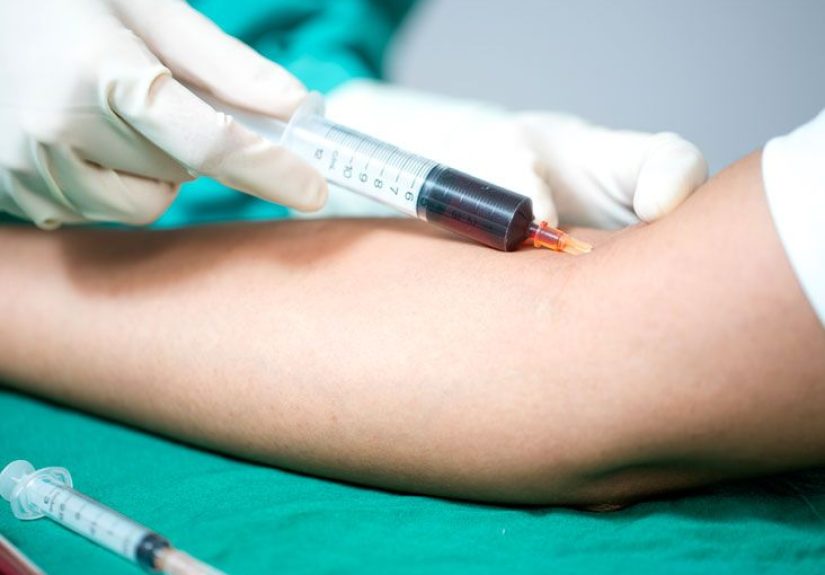
Step 3: Skin Cleaning and Sterile Technique
A clinician (often a phlebotomist or nurse) will clean the puncture site carefully with antiseptic and allow it to drythis drying time is not a “fun
bonus step,” it’s part of reducing contamination. The tops of culture bottles are also disinfected. Then blood is drawn through a needle into the culture
bottles.
Step 4: Blood Volume (Yes, It Matters)
The amount of blood collected can affect how likely the test is to detect an organism. Too little volume can increase false negatives. Adults may have
a larger total volume collected across sets, while pediatric collections use smaller volumes appropriate for body size.
Step 5: What Happens After the Draw
The site is bandaged. Most people feel fine right away, though some may feel lightheaded (especially if blood draws make them nervousyour body is not
being dramatic; it’s being human).
What the Lab Does With Your Blood
Once collected, the bottles are incubated in systems that detect microbial growth. If the machine flags a bottle as positive, lab professionals typically:
- Perform a Gram stain (a rapid look that can broadly classify bacteria and guide early therapy decisions).
- Subculture the organism onto plates so it can be identified more precisely.
- Run identification testing (often with modern rapid methods).
- Perform susceptibility testing to see which antibiotics are likely to work.
Timing varies by organism and lab workflow. Some positives appear within 24–48 hours, but final resultsespecially with full identification and susceptibilitiescan
take several days. Some slow-growing organisms may take longer. Your clinician may share “preliminary” results first and update you as more information arrives.
Understanding Blood Culture Results
Negative Result
A negative blood culture means no organism grew in the incubation period. That’s reassuring, but it doesn’t always rule out infection. Reasons include:
antibiotics started before the draw, low-level/intermittent bacteremia, insufficient blood volume, or an infection located elsewhere without bloodstream spread.
Positive Result
A positive result means something grew. The key next question is: Is it a true bloodstream infection or contamination?
Clinicians weigh:
- Which organism grew (some are more often contaminants; others are more often true pathogens).
- How many bottles/sets are positive.
- How quickly it turned positive (time-to-positivity can provide clues, though it’s not the whole story).
- Your symptoms and risk factors (a fragile patient with fever and low blood pressure is treated differently than someone who is stable).
- Other test results (imaging, urine cultures, wound cultures, inflammatory markers).
If the lab identifies a likely pathogen, treatment often shifts from “broad coverage” to a more focused antibiotic plan. If contamination is suspected, clinicians may avoid
unnecessary antibiotics, repeat cultures if needed, and look for the true source of symptoms.
Risks: What Can Go Wrong (and How Often It’s Serious)
The physical risks of a blood culture draw are usually the same as any blood draw and are typically minor:
- Bruising or soreness at the puncture site
- Bleeding, especially if you take blood thinners or have a bleeding disorder
- Lightheadedness or fainting (more common if you’re anxious or dehydrated)
- Rare local infection at the puncture site
But there’s another “risk” that matters a lot: contamination. If skin bacteria contaminate the sample, a false-positive culture can trigger more testing,
additional hospital days, and unnecessary antibiotics (which can cause side effects and contribute to resistance). That’s why careful sterile technique, proper skin prep, and
appropriate sampling strategy are emphasized in hospitals and public health guidance.
False Positives and False Negatives
No test is perfect. False positives often come from contamination. False negatives can happen when cultures are drawn after antibiotics, when not enough blood is collected,
or when bacteremia is intermittent. Clinicians interpret results in contextblood cultures are a tool, not a fortune-teller.
How to Make the Test Go Smoothly (Patient-Friendly Tips)
Tell your team about antibiotics and timing
If you’ve already taken antibiotics recently, mention it. Your clinician can interpret results with that in mind. If antibiotics haven’t started yet, your team may want
cultures firstespecially if you’re stable enough to safely wait a short moment.
Hydration helps the “find a vein” moment
If you’re allowed to drink fluids, being hydrated can make blood draws easier. (If you’re NPO for a procedure, follow those instructionsdon’t freelance.)
Ask what to expect
Many people feel better when they know the plan: how many sets are being collected, from where, and when you might hear initial results.
You’re allowed to ask. Hospitals run on questions the way phones run on chargers.
Don’t touch the cleaned site
Once the skin is prepped, avoid touching it. This small detail can reduce contamination risk.
Frequently Asked Questions
Do I need to fast for a blood culture?
Usually, no. Your clinician will tell you if there’s a special instruction based on other labs being drawn at the same time.
How long do results take?
Some results can be “preliminary” within 1–2 days if a bottle turns positive quickly, but final identification and antibiotic susceptibility results often take longer.
If you’re hospitalized, your care team may update you as soon as meaningful information becomes available.
Does a positive culture always mean I’m seriously ill?
Not always. Some positives are contaminants. Other positives may represent a true infection that is treatablesometimes very treatableespecially when identified early.
What matters is the whole clinical picture.
Why do they sometimes repeat blood cultures?
Clinicians may repeat cultures to confirm whether bacteria are still present (for example, in certain high-risk infections), to evaluate treatment response, or to clarify
whether an earlier positive was real or contamination. Repeat testing is usually guided by the patient’s condition and the organism involved.
Real-World Experiences: What Patients (and Clinicians) Notice
The science of blood cultures is straightforward; the experience can feel anything but. Here are common, real-life themes people describewithout sugarcoating and without
turning a blood draw into a horror movie.
The “Waiting Game” Is Often the Hardest Part
Patients frequently say the most stressful piece is the pause between “we sent blood cultures” and “we know what’s going on.” In the hospital, that waiting can feel extra loud
because you’re surrounded by beeps, vital signs checks, and a parade of new faces. Many people find it helpful to ask for a simple timeline:
“When might we know if anything is growing?” Even if the answer is “we’ll know more in 24–48 hours,” having a mental map reduces anxiety.
“They Took How Many Bottles?!”
It’s common to be surprised by how much blood is collectedespecially when multiple sets are ordered. Clinicians aren’t trying to win a “most blood collected” trophy.
The reason is practical: bloodstream infections can involve low numbers of organisms, and adequate volume improves detection. Patients who understand the “why” often feel less
alarmed by the “how much.”
The Best Phlebotomists Make It Feel Like a Magic Trick
Ask anyone who’s been hospitalized: skill matters. Experienced phlebotomists and nurses do more than find a veinthey explain steps, keep sterile technique tight, and distract you
at exactly the right second. Many patients recall a calm voice saying, “Small pinch,” and then it’s already done. On the clinician side, there’s pride in clean technique because
a contaminated blood culture can cause real downstream harm: unnecessary antibiotics, extra tests, and a longer stay. In other words, that careful skin prep isn’t “fussy.”
It’s patient safety.
When a Culture Turns Positive, the Phone Call Can Be Jarring
People who get results after an ER visit often describe a sudden spike of worry: “They called me backdoes that mean I’m in danger?” Sometimes it does mean urgent treatment is needed.
Other times, it’s a borderline result or possible contaminant that requires clarification. A useful question in that moment is:
“Do you think this is a true infection, and what should I do next?” That invites the clinician to interpret, not just report.
Parents and Kids: The Emotional Math Is Different
For children, the hardest part may be fear of needles and unfamiliar surroundings. Parents often say it helps to name the test in kid-language“We’re checking if any germs are
in your blood so we can pick the right medicine”and to bring one comfort item (blanket, stuffed animal, headphones). Many pediatric teams use smaller collection volumes and
child-centered distraction techniques. The lab part is still sophisticated; the approach is simply gentler.
What Patients Remember Most: Being Taken Seriously
Whether the culture ends up negative, positive, or “probably a contaminant,” patients often remember the attitude of the team. Feeling dismissed makes the experience worse.
Feeling heard makes it manageableeven if the answer is “we don’t know yet.” If you’re reading this while worried about symptoms of a serious infection, the most practical
takeaway is also the simplest: seek urgent care for red-flag symptoms (confusion, fainting, trouble breathing, chest pain, severe weakness, or rapidly worsening illness),
and ask what tests are being done and what the next decision point will be.
Important: This article is for education and does not replace medical advice. If you think you may have a severe infection or sepsis, get urgent medical care.