Table of Contents >> Show >> Hide
- First, What’s the Difference Between Brown Rice and White Rice?
- Nutrition Face-Off: Which One Is “Healthier”?
- Blood Sugar: The Biggest Reason Experts Prefer Brown Rice
- Heart Health, Weight Goals, and “Staying Full”
- Gut Health and Digestion: When White Rice Is Actually Better
- The Arsenic Question: The “Unsexy” Reason Rice Choices Get Complicated
- Which Rice Is Better for You? It Depends on Your Goal
- How to Make Either Rice “Healthier” (No Moral Judgments Included)
- So… Which One Wins?
- Real-World Experiences: What People Notice When They Switch Between Brown and White Rice
- 1) The “Why am I chewing so much?” phase
- 2) Feeling fuller… but also a little gassier
- 3) The blood sugar difference shows up in energy (not just numbers)
- 4) White rice becomes the “comfort carb” during stressful weeks
- 5) Athletes and gym-goers often time their rice
- 6) Meal prep makes brown rice far more lovable
- 7) Families often choose “the rice everyone will eat”
Rice is the world’s most agreeable food. It shows up to dinner, doesn’t argue with your spices, and somehow works with
everything from burrito bowls to butter chicken. But then you stand in the grocery aisle facing two bags that look
nearly identicalone “brown,” one “white”and suddenly you’re in a wellness debate you did not consent to.
Here’s the truth nutrition experts usually land on: brown rice has a nutritional edge for most people
because it’s a whole grain with more fiber and naturally occurring micronutrients. But white rice isn’t “bad,”
and there are real situations where it’s the smarter choiceespecially if your gut is touchy, your appetite is low,
or you need easy-to-digest fuel.
Let’s break down what’s actually different, how it affects blood sugar and health goals, and how to choose the best
rice for your bodywithout turning dinner into a dissertation.
First, What’s the Difference Between Brown Rice and White Rice?
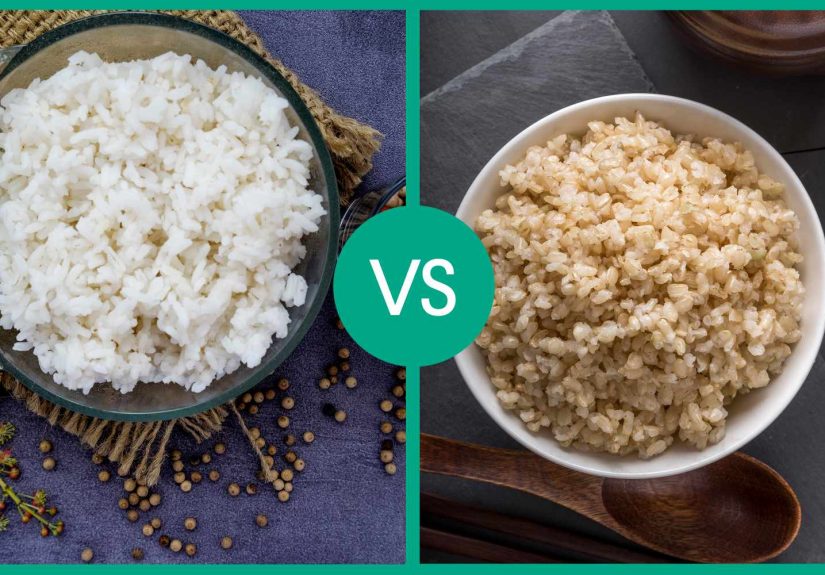
Brown and white rice start as the same grain. The difference is how much of the grain is left after processing.
Brown rice = whole grain
Brown rice keeps the bran and germlayers that contain fiber, healthy fats, and a variety of vitamins, minerals, and
plant compounds. That’s why it has a nuttier flavor, a slightly chewier texture, and a longer cooking time.
White rice = refined grain
White rice has the bran and germ removed, leaving mostly the starchy center (endosperm). The payoff is fluffier texture
and faster cooking. The tradeoff is less fiber and fewer naturally occurring nutrients. In the U.S., many types of white
rice are “enriched,” meaning certain B vitamins and iron are added back after milling.
Nutrition Face-Off: Which One Is “Healthier”?
If we’re talking purely nutrient density, brown rice generally wins. It tends to contain more fiber and higher levels of
minerals like magnesium and potassium. White rice can still contribute nutrientsespecially if enrichedbut it usually
can’t compete on fiber, which matters because fiber supports fullness, digestion, and healthier blood sugar patterns.
A practical snapshot (typical cooked, 1-cup serving)
| Category | Brown Rice | White Rice |
|---|---|---|
| Fiber | Higher (often ~3–4 g) | Much lower (often <1 g) |
| Magnesium & potassium | Higher | Lower |
| Enriched B vitamins (some varieties) | Not typically “enriched” | Often enriched (varies by brand/type) |
| Calories | Similar to slightly lower | Similar to slightly higher |
| Texture & digestibility | Chewier, more filling | Softer, easier to digest |
Bottom line: brown rice usually offers more “built-in” nutrition per bite. White rice can still be part of a healthy diet,
especially when you pair it with fiber-rich foods (vegetables, beans) and protein (fish, tofu, chicken, eggs).
Blood Sugar: The Biggest Reason Experts Prefer Brown Rice
The clearest difference between brown and white rice is how quickly they tend to raise blood sugar. Brown rice usually
has a lower glycemic impact because fiber slows digestion and glucose absorption. White riceespecially in large portions,
eaten alonecan spike blood sugar faster.
What that means in real life
-
If you have prediabetes or type 2 diabetes: Brown rice (or smaller portions of white rice with lots of
non-starchy vegetables and protein) may support steadier after-meal numbers. - If you’re trying to avoid energy crashes: Brown rice can help you feel more stable after lunch.
-
If you need quick fuel: White rice can be helpful before or after intense workouts when fast-digesting
carbs are useful.
A key nuance: blood sugar response is personal. Portion size, cooking method, what you eat with the rice, sleep, stress,
and activity level can all change the outcome. Rice doesn’t operate in a vacuumunfortunately, neither do we.
Heart Health, Weight Goals, and “Staying Full”
Whole grains are consistently associated with better long-term cardiometabolic health in population research. Brown rice
fits into that “whole grain” category, mainly because it keeps the bran and germ.
Why fiber matters for weight and appetite
Fiber adds volume and slows digestion, which can increase fullness. That doesn’t mean brown rice is a magic weight-loss
food (it’s still a carb with calories), but it can make a meal more satisfyingespecially if you’re used to feeling hungry
again 45 minutes after eating.
Easy example: two rice bowls, two different outcomes
Imagine Bowl A: a big scoop of white rice with a light drizzle of sauce. Delicious, yes. But it’s mostly fast-digesting
starch, so you might be rummaging for snacks later.
Now Bowl B: brown rice topped with black beans, sautéed peppers, salsa, avocado, and shredded chicken. The rice is only one
part of the story; the fiber, protein, and fats turn it into a steadier, more filling meal.
Gut Health and Digestion: When White Rice Is Actually Better
Brown rice’s fiber is a benefituntil it isn’t. If you have gastrointestinal issues, the extra roughage can be irritating.
White rice is commonly used in bland diets because it’s easier to digest.
White rice can be a smart choice if you:
- Are recovering from a stomach bug
- Have active IBS symptoms or a very sensitive gut
- Need a lower-fiber diet temporarily (as recommended by your clinician)
- Struggle to eat enough calories due to low appetite
Think of it like this: brown rice is the rugged hiking boot. White rice is the comfy sneaker. Both have their moment.
The Arsenic Question: The “Unsexy” Reason Rice Choices Get Complicated
Rice tends to absorb more arsenic from the environment than many other crops. This is not a reason to panic or ban rice
from your kitchen forever, but it is a reason experts often recommend varietyespecially for infants and young
children who eat rice-based foods frequently.
Does brown rice have more arsenic than white rice?
Often, yes. Arsenic can concentrate in the outer layers of the grain, and brown rice keeps those layers. That doesn’t mean
brown rice is “dangerous,” but it does mean “whole grain” isn’t the only variable that matters.
What you can do (without turning into a part-time lab technician)
- Rotate your grains: Mix in quinoa, oats, barley, farro, couscous, bulgur, or potatoes.
-
Use cooking methods that can lower arsenic: Cooking rice in extra water and draining it can reduce
arsenicbut some methods may also reduce certain added nutrients in enriched rice. -
Don’t rely on rinsing alone: Rinsing helps with surface starch (hello, fluffier rice), but it may not be
the big arsenic solution people hope it isand it can wash away some enrichment nutrients from certain white rice types.
The most realistic advice: if rice is a daily staple for you, keep eating itjust diversify grains across the week and use
smart cooking methods when practical.
Which Rice Is Better for You? It Depends on Your Goal
Choose brown rice more often if you want:
- More fiber for fullness and regularity
- Steadier blood sugar response (especially when paired with protein/veg)
- More naturally occurring minerals like magnesium
- A whole-grain pattern that supports long-term heart and metabolic health
Choose white rice more often if you want:
- Easy digestion (especially during GI flare-ups)
- Fast, simple fuel around workouts
- A softer texture you’ll actually eat consistently
- A refined grain that can still fit a balanced plate (especially if enriched)
How to Make Either Rice “Healthier” (No Moral Judgments Included)
The healthiest rice is the one that doesn’t show up alone to the party.
Use the “plate upgrade” formula
- Start with a moderate portion of rice.
- Add protein: salmon, chicken, tofu, lentils, eggs.
- Add fiber/color: roasted broccoli, spinach, carrots, cabbage, tomatoes.
- Add healthy fats: avocado, olive oil, nuts, tahini.
- Add flavor: herbs, citrus, salsa, kimchi, spices (because joy is also a nutrient).
Try “mixing” to get the best of both worlds
If you prefer white rice but want more fiber, try a 50/50 blend of brown and white rice. The texture becomes less chewy
than straight brown rice, but you still increase fiber and micronutrients.
Resistant starch: the meal-prep trick people overlook
Cooking rice, cooling it, and reheating it later can increase resistant starch in some casesmeaning a portion of the
starch behaves more like fiber. Translation: it may produce a gentler blood sugar rise for some people and support gut
microbes. It’s not a miracle, but it’s a nice “bonus feature” of leftovers.
So… Which One Wins?
If you’re choosing for everyday nutrition, brown rice usually gets the gold star because it’s a whole grain
with more fiber and naturally occurring micronutrients. But if white rice is what your stomach tolerates, what your culture
celebrates, or what you’ll actually cook and enjoy, it can absolutely be part of a healthy dietespecially when you build a
balanced plate around it.
The most “expert” answer is also the most human one: choose the rice that fits your body, your goals, and your real life.
Your dinner should nourish younot audition for a wellness documentary.
Real-World Experiences: What People Notice When They Switch Between Brown and White Rice
Nutrition advice sounds clean and tidy on paper. Real life is… not. People don’t just “switch to brown rice” and float away
on a cloud of perfect blood sugar. They notice texture, convenience, family preferences, meal timing, and (let’s be honest)
whether the rice cooker is already crusty from last week.
1) The “Why am I chewing so much?” phase
A common first reaction to brown rice is surprise at the texture. It’s chewier and slightly nuttypleasant to many, but
not what you expect if you grew up on fluffy white rice. Some people love that it feels “heartier,” while others feel like
their dinner turned into a jaw workout. A simple workaround is mixing brown and white rice for a few weeks so your palate
adjusts without feeling punished.
2) Feeling fuller… but also a little gassier
People who don’t eat much fiber often report feeling fuller after brown rice meals. That can be helpful for appetite
control, especially at lunch when snack temptation is highest. But more fiber can also mean more fermentation in the gut,
which can cause bloating or gas at first. Many find this improves after a couple of weeks as their digestion adaptsespecially
if they increase fluids and keep portions reasonable.
3) The blood sugar difference shows up in energy (not just numbers)
Even without a glucose monitor, some people notice that meals built around brown rice feel “steadier.” They’re less likely
to get sleepy after lunch or crash mid-afternoon. That doesn’t mean white rice automatically causes a crashpairing matters.
White rice with protein and vegetables can feel just as stable as brown rice on its own.
4) White rice becomes the “comfort carb” during stressful weeks
Here’s a surprisingly common pattern: when life gets chaotic, people revert to what’s easy and comforting. White rice wins
here because it cooks faster, works in more quick meals, and is gentle on the stomach. Many folks do best with a flexible
approach: brown rice when you’re planning and meal prepping, white rice when you’re surviving Tuesday.
5) Athletes and gym-goers often time their rice
People training hard frequently describe white rice as “clean fuel,” especially pre- or post-workout. It digests quickly and
doesn’t sit heavy. Brown rice, with more fiber, may feel too bulky before exercise for some. A practical compromise is using
white rice around workouts and brown rice in other meals when fullness and long-lasting energy are the priority.
6) Meal prep makes brown rice far more lovable
Brown rice’s longer cooking time can feel like a deal-breakeruntil you cook a big batch once or twice a week. People who
succeed with brown rice usually make it convenient: portion it into containers, refrigerate, and reheat with a splash of
water. Bonus: leftovers can have a different starch structure than fresh rice, which some people prefer for texture and
steadiness.
7) Families often choose “the rice everyone will eat”
In real households, the “healthiest” rice is often the one your kids (or partner, or picky uncle) will actually eat. Many
families land on a rhythm: white rice for certain cultural favorites, brown rice for bowls and meal prep, and occasional
grain swapslike quinoa or barleyjust to keep things interesting and diversified.
The big takeaway from these experiences is simple: the better rice is the one you can enjoy consistently while building a
balanced plate. Nutrition isn’t a courtroom. It’s dinner.