Table of Contents >> Show >> Hide
- What Is a Burnished Brass Sink, Exactly?
- Why Burnished Brass Sinks Are So Appealing
- Kitchen vs. Bathroom: Where a Burnished Brass Sink Works Best
- How Burnished Brass Compares With Other Popular Sink Options
- How to Style a Burnished Brass Sink
- What to Know Before You Buy
- Pros and Cons of a Burnished Brass Sink
- How to Clean and Maintain a Burnished Brass Sink
- Common Design Mistakes to Avoid
- Real-World Experiences With a Burnished Brass Sink
- Final Thoughts
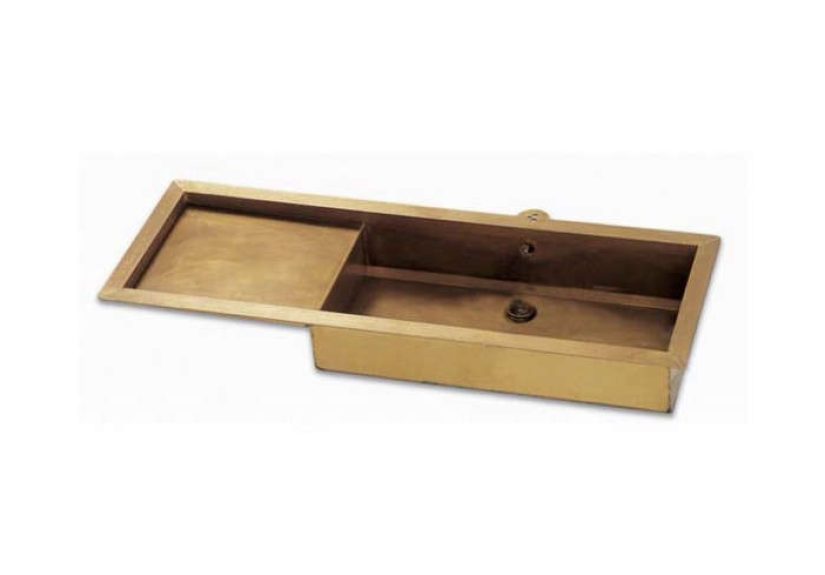
A burnished brass sink is what happens when utility decides to dress better. It still washes dishes, catches toothpaste, and deals with the daily chaos of real life, but it does it with a warm, mellow glow that makes the whole room feel more considered. Where stainless steel can read practical and polished chrome can feel a little brisk, burnished brass brings softness, depth, and just enough old-world charm to keep a kitchen or bathroom from looking like it was assembled by robots with excellent taste but zero personality.
That is the magic of this finish. A burnished brass sink does not scream for attention the way a mirror-bright metal can. It has a quieter confidence. It looks collected rather than flashy, expensive rather than loud, and lived-in rather than factory-fresh. For homeowners chasing a layered, timeless look, that is a very appealing combo.
Still, a burnished brass sink is not just about aesthetics. It is also a finish choice that affects maintenance, styling, durability, and the way the fixture will age over time. Some versions are living finishes that darken and develop patina. Others are more protected and designed to keep a steadier look. That means the right sink is not simply the prettiest one in the photo. It is the one that matches how you live, how often you clean, and whether you find water spots charming or personally offensive.
What Is a Burnished Brass Sink, Exactly?
The phrase burnished brass sink is often used to describe sinks with a softened, aged, gently glowing brass appearance rather than a super-reflective gold finish. In plain English, think “warm metal with character.” Depending on the brand, that look may lean antique brass, brushed brass, unlacquered brass, or a protected finish designed to mimic a naturally aged surface.
The common thread is visual warmth. Burnished brass usually has less glare than polished brass and more depth than a flat matte finish. It tends to feel slightly weathered in a good way, like it has stories to tell but is classy enough not to tell all of them at once. That makes it especially appealing in spaces where people want a mix of luxury and comfort.
In a kitchen, a burnished brass sink can turn a hardworking zone into a focal point. In a powder room, it can make a small vanity feel custom and memorable. In a bar area, it can look downright cinematic. And unlike finishes that chase trends too aggressively, this one plays well with both traditional and modern design.
Why Burnished Brass Sinks Are So Appealing
1. They add warmth instantly
Many kitchens and bathrooms are full of cool surfaces: stone, tile, porcelain, glass, and stainless steel. A burnished brass sink introduces warmth without needing a whole room makeover. Even one brass focal point can soften the space and make it feel more welcoming.
2. They look luxurious without being too shiny
Polished metals can sometimes feel formal or even a little fussy. Burnished brass has a gentler glow. It catches light beautifully, but it does not bounce it around the room like it is auditioning for a Broadway musical. That restraint is exactly why it looks elevated.
3. They age with character
If you choose a living finish, the surface can deepen and develop patina over time. For a lot of people, that is the whole point. The sink becomes more unique with use rather than less attractive. Small variations, darkening, and tonal shifts can make the metal feel authentic instead of manufactured.
4. They bridge design styles
A burnished brass sink can work in a farmhouse kitchen, a traditional bath, a moody modern bar, or an organic contemporary space. Pair it with white oak and marble and it looks refined. Pair it with dark paint and plaster walls and it looks dramatic. Pair it with simple white subway tile and it suddenly feels like the smartest thing in the room.
Kitchen vs. Bathroom: Where a Burnished Brass Sink Works Best
In the kitchen, a burnished brass sink is usually chosen for impact. It can anchor an island, elevate a prep sink, or turn an apron-front installation into the star of the room. If the sink is in constant use, buyers should pay extra attention to finish type. A highly reactive living finish will show change faster, while a more protected finish may be better for households that use the kitchen like a command center, science lab, and snack factory all at once.
In the bathroom, burnished brass sinks often feel even more natural. A vessel sink or small vanity sink in this finish can add warmth without the intense wear a kitchen sink sees. Powder rooms are especially good candidates because they allow you to go bold in a smaller space. A brass sink in a powder room says, “Yes, even the guest bathroom gets good styling.”
In a bar or prep area, burnished brass may be the sweet spot. These spaces usually get enough use to justify the sink but not so much abuse that every single water mark becomes a daily event. It is the ideal place to embrace a more decorative metal finish without feeling like you have signed up for a second job.
How Burnished Brass Compares With Other Popular Sink Options
Burnished Brass vs. Polished Brass
Polished brass is brighter, more reflective, and more formal. Burnished brass is softer, moodier, and usually easier on the eyes. If polished brass feels like a chandelier in a ballroom, burnished brass feels like candlelight in a beautifully renovated townhouse.
Burnished Brass vs. Stainless Steel
Stainless steel wins on pure practicality. It is dependable, common, and easy to integrate into almost any kitchen. Burnished brass wins on atmosphere. It offers more visual richness and personality, but it also asks the homeowner to pay closer attention to care and finish expectations.
Burnished Brass vs. Matte Black
Matte black feels crisp and graphic. Burnished brass feels warm and layered. Black can lean contemporary or industrial, while burnished brass leans timeless and collected. Both can be striking, but brass is usually better when the goal is softness rather than contrast.
Burnished Brass vs. Copper
Both metals bring warmth and variation, but copper usually reads more rustic or artisanal, while burnished brass often feels slightly more tailored. If copper is a leather jacket, burnished brass is a cashmere coat.
How to Style a Burnished Brass Sink
The easiest way to make a burnished brass sink look intentional is to repeat its warmth elsewhere in the room. That does not mean every metal has to match perfectly. In fact, a little variation often looks better. But the sink should not feel lonely.
Best pairings for a burnished brass sink
- Natural wood cabinetry: White oak, walnut, and medium-toned woods bring out the sink’s warmth.
- Stone surfaces: Marble, soapstone, quartzite, and honed quartz all balance the metal beautifully.
- Warm whites and earthy paint colors: Cream, greige, olive, charcoal, and deep navy pair especially well.
- Textured tile: Zellige, handmade ceramic, or lightly veined stone adds softness and depth.
- Mixed metals: Burnished brass can coexist with iron, bronze, or even stainless steel when the room has enough repetition and balance.
As for faucets, this is where people sometimes overthink things into a small spiral. A matching brass faucet is the obvious route, and it usually works well. But you can also pair the sink with a darker bronze faucet, a black fixture, or select stainless accents elsewhere if the overall palette feels cohesive. The goal is not identical metal clones. The goal is harmony.
What to Know Before You Buy
1. Understand the finish type
This is the big one. Some brass-look sinks are designed to age and patina naturally. Others use more protective finishing systems to maintain a steadier appearance. Neither is automatically better. One gives you evolution and character; the other gives you predictability and less visual change. Buy according to your tolerance for patina, not according to the prettiest showroom lighting.
2. Think about sink placement
An island sink is highly visible, so a burnished brass model there can become a centerpiece. An undermount sink offers a cleaner, quieter look. An apron-front version makes the finish much more noticeable. In bathrooms, vessel sinks show off the metal dramatically, while undermount options feel more subtle and integrated.
3. Measure for real life, not fantasy life
Choose a basin depth and width that suit how you actually use the space. A dramatic sink that cannot comfortably handle your large pans, hair tools, or endless handwashing routine will get old fast. Style is lovely. Function is what keeps you from regretting your choices while scrubbing sheet pans at 9 p.m.
4. Check the maintenance instructions first
Never assume all brass finishes behave the same way. Before buying, read the care sheet. If the manufacturer warns against abrasives, acidic cleaners, aggressive polishing, or certain chemicals, believe them. This is not the time for improvisational chemistry.
Pros and Cons of a Burnished Brass Sink
Pros
- Creates a warm, premium look
- Works with both traditional and modern interiors
- Can develop beautiful character over time
- Stands out more than common sink materials
- Turns small spaces like powder rooms and bars into design moments
Cons
- Usually requires more thoughtful maintenance than stainless steel
- Patina and water spots may surprise buyers expecting a static finish
- Can be more expensive than standard sink options
- May clash if the room already has too many competing warm finishes
- Not ideal for people who want a perfectly unchanged surface forever
How to Clean and Maintain a Burnished Brass Sink
If you want your sink to age well, gentle care matters. The safest daily routine is refreshingly unglamorous: rinse, wipe, and dry. A soft cloth, mild soap, and patience will usually do more good than a cabinet full of aggressive cleaners.
Daily care
- Rinse away toothpaste, soap, food residue, or cleaning product buildup.
- Use a soft sponge or cloth rather than abrasive pads.
- Dry the sink after use to reduce water spotting and mineral residue.
Weekly care
- Clean with mild dish soap and warm water.
- Buff gently with a soft microfiber cloth.
- Inspect for residue around the drain and faucet base.
Deep cleaning
Only deep-clean within the manufacturer’s guidance. Some homeowners use gentle DIY brass-cleaning methods on suitable surfaces, but those methods can remove patina or alter the intended finish if used on the wrong product. In other words, just because a brass candlestick survived a vinegar experiment does not mean your sink should be volunteered next.
What to avoid
- Steel wool or scouring pads
- Harsh abrasive powders
- Bleach, ammonia-heavy products, or strong acids unless explicitly approved
- Random polishing compounds on antique or living finishes
- Letting standing water or residue sit for long periods
If your sink has a living finish, remember that some darkening and tonal change are normal. That is not failure. That is the finish doing exactly what it signed up to do.
Common Design Mistakes to Avoid
Choosing the sink before defining the room palette
A burnished brass sink is distinctive. If you choose it first and ignore everything else, the room can start to feel like a collection of unrelated opinions. Establish the palette, then decide how the sink will support it.
Overmatching every metal
A room where every fixture is the exact same shade of brass can feel flat surprisingly fast. Repeat the warmth, yes, but allow some contrast through lighting, cabinet hardware, mirror frames, or even appliance finishes.
Ignoring patina expectations
This is the fastest route to disappointment. If you want a steady, uniform look, choose a protected finish. If you love the idea of character and evolution, embrace a living finish. Problems usually start when buyers want both at once.
Putting high-drama materials everywhere
A burnished brass sink already brings visual richness. Pairing it with loud stone, busy wallpaper, ornate hardware, and a wild backsplash can tip a room from elegant to exhausted. Let the sink have breathing room.
Real-World Experiences With a Burnished Brass Sink
Living with a burnished brass sink tends to be a little different from admiring one in a beautifully lit photo. In real life, the first thing most people notice is how much the sink changes the mood of the space. A kitchen that felt slightly cold or generic can suddenly feel layered and intentional. A bathroom that once seemed perfectly fine but forgettable can become the room guests mention after visiting. That emotional shift is real, and it is one of the biggest reasons people fall for this finish.
The second thing people usually notice is that brass has presence. It does not disappear into the background the way stainless steel often does. If you install a burnished brass sink on a dark vanity, under a warm sconce, or against creamy stone, the metal becomes part of the architecture of the room. It reflects light differently throughout the day, looking richer in the evening and softer in the morning. That subtle movement is part of the appeal. The sink does not feel static. It feels alive.
There is also a tactile experience that homeowners often appreciate. Burnished brass does not visually read as cold in the same way brighter metals can. It feels warmer, more grounded, and more handcrafted. Even when the sink itself is brand new, the finish can make the room feel as though it has been thoughtfully assembled over time. That is a hard effect to fake with trendier finishes that rely on shock value instead of depth.
Of course, the daily experience is not all romance and golden glow. Water spots happen. Soap residue happens. Toothpaste splatter definitely happens if the sink is in a busy bathroom. In a kitchen, acidic foods, standing water, and heavy use can make the finish evolve faster than some buyers expect. People who love burnished brass tend to see those changes as personality. People who like things looking untouched may have a brief period of emotional negotiation with the sink. This is why finish expectations matter so much.
Another common experience is that a burnished brass sink changes the way people decorate around it. Once it is installed, homeowners often start adjusting nearby details to support it. Maybe the old faucet suddenly looks too cold. Maybe the cabinet pulls need more warmth. Maybe the mirror frame now feels disconnected. The sink has a way of raising the design standard in the room, which is both inspiring and mildly dangerous for the renovation budget.
Still, for many people, the strongest long-term impression is that the sink keeps getting better. Not always shinier. Not always more uniform. Better. More integrated. More believable. More like it belongs. That is the unique reward of a finish with character: it can settle into the room instead of merely sitting in it. And when that happens, a burnished brass sink stops feeling like a trendy upgrade and starts feeling like a smart, lasting design choice.
Final Thoughts
A burnished brass sink is not the safest choice, the cheapest choice, or the most invisible choice. That is exactly why people love it. It adds warmth, personality, and a sense of thoughtful design that more standard materials often cannot match. Done well, it can make a kitchen or bathroom feel richer without making it feel fussy.
The key is choosing the right version for your lifestyle. If you love a sink that evolves, a living finish can be beautiful. If you want the look with fewer surprises, a more protected finish may be the smarter route. Either way, the best burnished brass sink is the one that fits both your aesthetic and your tolerance for maintenance.
Because in the end, great design is not about picking the prettiest object. It is about picking the object you will still love after six months of hand soap, hard water, dinner prep, and normal life. A burnished brass sink can absolutely be that object. It just helps if you know what you are getting into before the glow seduces you.