Table of Contents >> Show >> Hide
- What Are Bürstenhaus Redecker Copper Sponges?
- Why Copper Sponges Stand Out
- Best Uses for Bürstenhaus Redecker Copper Sponges
- What Not to Clean With Copper Sponges
- How to Use Redecker Copper Sponges the Right Way
- Care and Maintenance Tips
- How They Compare With Other Scrubbers
- Are Bürstenhaus Redecker Copper Sponges Worth Buying?
- Final Thoughts
- Extended Experiences With Bürstenhaus Redecker Copper Sponges
- SEO Tags
If your dish pile has ever looked at you with open disrespect, Bürstenhaus Redecker Copper Sponges may feel like the peace treaty your kitchen has been waiting for. These woven copper scrubbers have built a loyal following because they tackle stuck-on food, polish up cookware, and generally help messy pots stop behaving like they pay rent. They are known for scrubbing thoroughly while staying gentler than harsher metal pads on many common kitchen surfaces.
That combination is exactly why these copper sponges keep showing up in kitchen shops, home stores, and “favorite tools” lists. They are marketed for pots, pans, sinks, stovetops, glass, stainless steel, and other hard surfaces that need more muscle than a soft sponge can offer. At the same time, there is one big caveat that deserves bold letters and a tiny drumroll: they should not be used on Teflon or other nonstick surfaces. In other words, they are helpful, but they are not magical. Even the best scrubber still needs a little common sense and a splash of water.
What Are Bürstenhaus Redecker Copper Sponges?
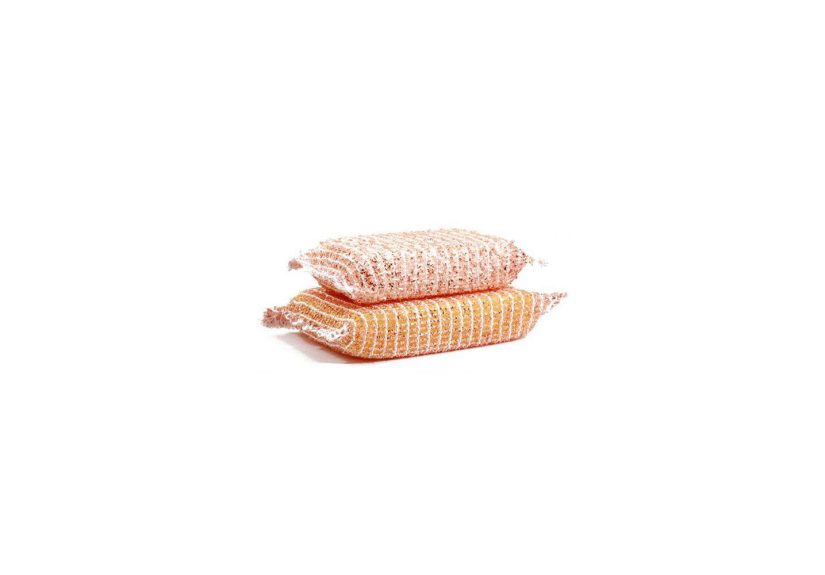
Bürstenhaus Redecker is a long-running German brand known for household brushes and cleaning tools with a practical, old-school design sensibility. The brand’s copper sponges are usually sold as a set and made from fine woven copper threads formed into scrubbers that look simple, modest, and slightly too humble for how useful they can be. They are designed to loosen burnt food, grime, and even light rust while staying gentle on many harder surfaces.
The appeal is not flashy. Nobody opens a drawer and gasps, “My word, what glamorous scrubbers.” The charm is in performance. These copper sponges are double-layered for extra strength, intended for wet use, and often promoted as washable for repeated use. That makes them a practical choice for people who are tired of flimsy disposable scrubbers that collapse after one dramatic casserole incident.
Why Copper Sponges Stand Out
They Hit a Sweet Spot Between Gentle and Effective
One reason Redecker copper sponges get so much attention is that copper is a softer metal than steel, which helps explain why these scrubbers can remove stubborn residue without acting like a tiny demolition crew. On stainless steel pots, glass bakeware, ceramic cooktops, and many sinks, that can be a very useful middle ground. They offer more bite than a regular cellulose sponge, but they are not as aggressive as steel wool.
That matters in real kitchens. Burnt oatmeal, browned cheese, caramelized sauce, and mystery skillet residue all have a way of turning a quick cleanup into a negotiation. A copper sponge can often shorten that argument. Used wet and with a little dish soap, it can lift grime faster than softer scrubbers, which means less soaking, less scraping, and fewer dramatic speeches at the sink.
They Work on More Than Pots and Pans
Although cookware is the obvious use, these copper sponges are also popular for cleaning sinks, stovetops, oven-safe dishes, glass, high-grade steel, and even certain metal items outside the kitchen. Some retailers also mention using them to remove rust from cutlery or to brighten chrome and similar hard, shiny surfaces. That versatility is a big part of the value. Instead of owning one scrubber for the pan, another for the sink, and a third for those tea-stained mugs that seem personally offended by detergent, you can often lean on one tool for several cleanup jobs.
They Are Built to Last Longer Than Many Cheap Scrubbers
Durability is another selling point. Redecker copper sponges are often described as long-lasting, and that matters because kitchen scrubbers tend to live fast and die young. A bargain scrubber usually starts out brave, then turns flat, ragged, and emotionally unavailable by the end of the week. A sturdier woven copper sponge can keep its scrubbing power longer when used correctly, especially if it is rinsed well and allowed to dry between uses.
Best Uses for Bürstenhaus Redecker Copper Sponges
The best way to think about these sponges is not as an everything scrubber, but as a right surface, right mess scrubber. When matched well, they perform beautifully.
1. Burnt-On Food on Stainless Steel Cookware
This is probably their most satisfying job. Stainless steel pans are fantastic for browning food, but they are also excellent at preserving the memory of everything you cooked in them. Redecker copper sponges are a smart choice for loosening browned bits and cooked-on residue after a soak. Add warm water, a little dish soap, and moderate pressure, and cleanup becomes much less dramatic.
2. Glass Bakeware and Oven Dishes
Lasagna pans, casserole dishes, and baked dessert dishes collect sticky edges like it is a hobby. A copper sponge can help remove baked-on food from glass without the roughness of harsher pads. That said, light pressure and plenty of water are your friends. This is cleaning, not revenge.
3. Sinks, Faucets, and Metal Fixtures
Kitchen sinks and metal fixtures can build up grime, residue, and dull patches over time. Copper sponges can help restore a cleaner look on suitable hard surfaces, especially stainless steel. For homeowners who like their sink to look less “after spaghetti night” and more “I have my life together,” that is a solid win.
4. Ceramic and Glass Cooktops
Smudges and stubborn spots on ceramic and glass cooktops are another common use. Because these surfaces can scratch if handled carelessly, it is wise to use the sponge wet, test first in a small area, and work gently. When used properly, a copper sponge can help lift stuck-on messes without the punishing abrasion of rougher tools.
5. Rust or Tarnish on Select Metal Items
Some sellers note that these sponges can help remove light rust from old cutlery or clean up metal surfaces such as chrome. That makes them handy beyond the kitchen. If you have ever found a neglected utensil in the back of a drawer and wondered whether it was salvageable or just reenacting a shipwreck, a copper sponge may be worth trying.
What Not to Clean With Copper Sponges
Let us say this with the clarity of a smoke alarm: do not use Bürstenhaus Redecker Copper Sponges on Teflon or other nonstick coatings. This warning appears consistently in product guidance and retailer descriptions, and it matters. Nonstick surfaces are designed to be cleaned with soft, non-abrasive tools. Even if a copper sponge feels gentler than steel wool, it is still the wrong choice for coated cookware.
You should also be cautious with delicate finishes, lacquered copper, antiques, specialty coatings, and any surface where the manufacturer recommends only soft cloths or non-abrasive sponges. When in doubt, test a hidden area first. Kitchen confidence is admirable. Surface damage is less charming.
How to Use Redecker Copper Sponges the Right Way
Always Use Them Wet
These copper sponges are intended for wet use. That is not just a suggestion tucked into the fine print; it is part of how they are meant to work. Water helps the sponge glide more smoothly, reduces harsh friction, and makes it easier to lift away loosened residue. Add dish soap for greasy messes, and the cleaning process gets noticeably easier.
Let Soaking Do Part of the Job
For stubborn messes, soaking first is the smart move. Burnt food is much easier to remove after the pan has sat in warm, soapy water. This is not laziness. This is strategy. A short soak reduces the need to scrub aggressively, which is better for both your cookware and your patience.
Use Moderate Pressure, Not Heroic Force
A copper sponge works best when you let the material do the work. There is no prize for scrubbing like you are sanding a deck. Moderate pressure is usually enough for everyday grime, and repeated light passes are often safer than one furious attack. Your cookware deserves consistency, not chaos.
Care and Maintenance Tips
If you want your copper sponge to last, treat it like a tool instead of a disposable afterthought. Rinse it thoroughly after use to remove food particles and detergent. Let it dry between uses so it does not stay damp and grimy. Many product listings also note that these sponges are washable, with official guidance pointing to machine washing at up to 60°C, ideally placed inside a laundry bag or even a sock to keep things tidy.
That washable quality is one of the most appealing practical details. A quick rinse helps for daily upkeep, but an occasional wash can extend usefulness and keep the sponge fresher. Once the scrubber becomes misshapen, overly frayed, or noticeably less effective, it is probably time to replace it. Even loyal kitchen tools deserve retirement eventually.
How They Compare With Other Scrubbers
Compared with a regular soft sponge, a Redecker copper sponge offers more scrubbing power for burnt-on messes. Compared with steel wool, it is often gentler on many surfaces and less intimidating to use around cookware and sinks. Compared with synthetic scrub pads, it can feel more durable and more targeted for hard-to-remove residue.
That said, no scrubber wins every category. Soft non-scratch sponges are still the better choice for nonstick cookware. Baking soda pastes, vinegar solutions, and specialized stainless steel or copper cleaners also have their place. The smartest cleaning routine usually is not about one miracle product. It is about having a few tools and using the right one before the mess starts writing its memoir.
Are Bürstenhaus Redecker Copper Sponges Worth Buying?
For many kitchens, yes. If you cook often, use stainless steel or glass cookware, clean your sink regularly, or get annoyed by scrubbers that fall apart too fast, these copper sponges are easy to appreciate. They are especially useful for people who want stronger cleaning performance without jumping straight to rough steel wool or overly harsh abrasives.
The best buyers are people who understand what these scrubbers are for. If you mostly cook with nonstick pans, a copper sponge should be an occasional specialty tool rather than your everyday go-to. But if your kitchen leans heavily on stainless steel pans, baking dishes, kettles, and durable hard surfaces, Bürstenhaus Redecker Copper Sponges can earn their drawer space quickly.
Final Thoughts
Bürstenhaus Redecker Copper Sponges are one of those unglamorous kitchen tools that quietly become favorites. They are tough enough to tackle stubborn messes, gentle enough for many hard household surfaces, and versatile enough to do more than just rescue a scorched saucepan. Used wet, handled with a little care, and kept far away from nonstick cookware, they can be a smart addition to a kitchen cleanup routine that values effectiveness over gimmicks.
In other words, these copper sponges are not trying to be trendy. They are trying to be useful. In a world full of overpromising cleaning products, that is honestly kind of refreshing.
Extended Experiences With Bürstenhaus Redecker Copper Sponges
Using Bürstenhaus Redecker Copper Sponges feels a little like discovering that one quiet person at a party is secretly the most competent one in the room. They do not look flashy. There are no neon colors, no gimmicky soap reservoir, no dramatic “ultra-mega-power” label screaming from the packaging. Then you hand one a scorched skillet, and suddenly the kitchen power balance shifts.
A common experience starts with low expectations. Someone finishes cooking rice, pasta, or eggs, leaves the pan “for just a minute,” and comes back later to find a crusty disaster welded to the bottom. A regular sponge just skates over the mess like it has union rules against hard labor. But after a quick soak and a few passes with a wet copper sponge, the residue starts lifting in a way that feels oddly satisfying. Not magical, not instant, but dramatically more effective than the tired sponge already sulking by the faucet.
Another familiar moment happens with glass bakeware. You make roasted vegetables, cheesy potatoes, baked ziti, or some bubbling dessert that looked adorable in the oven and now looks like a cleanup challenge from a reality show. The corners of the dish collect caramelized bits that laugh at dish soap. This is where the copper sponge often shines. With warm water and a little patience, it can break through that sticky layer without making you feel like you need a chisel and a pep talk.
People also tend to notice how useful these sponges are on stainless steel sinks. A sink can be technically clean but still look dull, streaky, or lightly grimy in a way that makes the whole kitchen seem more tired than it really is. A copper sponge, used gently and wet, can help bring back that cleaner, brighter finish. It is one of those tiny housekeeping upgrades that makes you glance at the sink afterward and think, “Well, look at us. Very respectable.”
There is also the experience of learning the limits, and that is important. Nearly everyone who uses copper scrubbers regularly develops a healthy respect for the nonstick warning. The first instinct is often to use the sponge on everything because it works so well on tough messes. But once you understand that nonstick coatings need soft tools only, the copper sponge moves into its proper role: specialist, not universal soldier. That actually makes the experience better. Instead of expecting one tool to do every job, you start building a smarter routine.
Over time, another thing stands out: durability. Many people are used to scrubbers that flatten, split, or become revoltingly grim after very little use. Redecker copper sponges tend to feel sturdier and more dependable when cared for properly. Rinsing them well, letting them dry, and washing them occasionally can make them feel less like disposable clutter and more like real equipment. That may sound silly for a humble scrubber, but in a busy kitchen, dependable tools matter.
There is even a small emotional payoff involved, which is not something most people expect from cleaning gear. Good tools reduce friction in daily life. They make cleanup quicker, less frustrating, and a little less theatrical. You stop dreading the burnt pan. You stop glaring at the casserole dish. You stop wondering whether the sink has developed a permanent personality. Instead, you deal with the mess and move on.
That is probably the best way to describe the overall experience with Bürstenhaus Redecker Copper Sponges. They do not transform cleaning into a joyful hobby unless you are already the sort of person who alphabetizes spices for fun. What they do is make difficult cleanup jobs feel more manageable, more efficient, and less annoying. And honestly, in the modern kitchen, that is a very respectable form of luxury.