Table of Contents >> Show >> Hide
- Why This Butterscotch Cookies Recipe Works
- What Butterscotch Cookies Taste Like
- Ingredients You’ll Need
- Ingredient Notes That Actually Matter
- Step-by-Step Butterscotch Cookies Recipe
- Expected Yield and Texture
- Pro Tips for the Best Butterscotch Chip Cookies
- Common Butterscotch Cookie Mistakes
- Easy Variations to Try
- How to Store and Freeze Butterscotch Cookies
- What to Serve with Butterscotch Cookies
- Butterscotch Cookies Recipe FAQs
- Final Thoughts
- Extended Baking Experiences: What Butterscotch Cookies Teach You Over Time
If chocolate chip cookies are the popular kid in the dessert world, butterscotch cookies are the funny, underrated best friend who quietly steals the show. They are buttery, cozy, caramel-like, and just a little old-school in the best possible way. One bite tastes like a brown-sugar candle that actually delivers on its promises. In other words: warm, sweet, nostalgic, and dangerously easy to “just sample” six times.
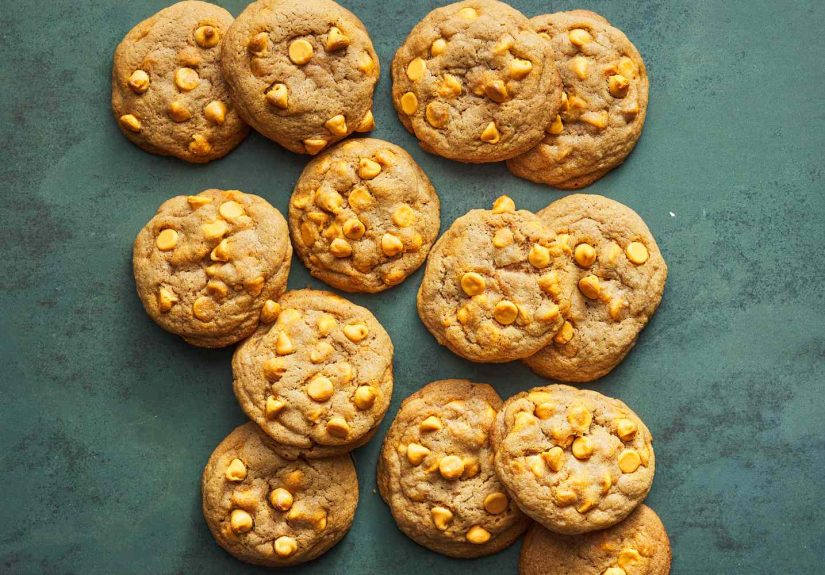
This butterscotch cookies recipe is built for home bakers who want a cookie that feels classic but still exciting. It is chewy in the center, lightly crisp around the edges, rich with brown sugar flavor, and loaded with butterscotch chips that melt into sweet little pockets of golden goodness. Better yet, it is a straightforward recipe that does not require a culinary degree, a stand mixer the size of a scooter, or a dramatic speech before preheating the oven.
Below, you will find an in-depth guide to making the best homemade butterscotch cookies, including the ingredients that matter most, the exact method, common baking mistakes, texture tips, easy variations, storage advice, and a long-form section on real baking experiences with this style of cookie. The goal is not merely to help you make cookies. The goal is to help you make the kind of cookies people remember.
Why This Butterscotch Cookies Recipe Works
A great butterscotch cookie is not just about tossing butterscotch chips into a basic dough and hoping for a miracle. The best versions use a thoughtful balance of fat, sugar, flour, and time. Brown sugar gives the dough its signature depth and moisture, while a smaller amount of granulated sugar keeps the edges from turning limp. Butter brings richness, vanilla rounds out the flavor, and a measured amount of salt stops the sweetness from becoming cartoonishly intense.
The other secret is texture control. If you want thick, chewy butterscotch chip cookies instead of flat sugar frisbees, the dough benefits from a short chill before baking. That extra rest helps the flour hydrate, lets the butter firm up, and gives the flavors time to mingle. Think of it as speed dating for ingredients, but with a happier ending.
What Butterscotch Cookies Taste Like
Butterscotch cookies are sweet, buttery, and deeply comforting, with a flavor profile that lands somewhere between caramel candy, brown sugar toffee, and a classic bakery cookie fresh from the oven. They are less sharp than dark caramel and less one-note than plain sugar cookies. The butterscotch chips add concentrated sweetness, but the dough itself should still have enough character to stand on its own.
The best batch offers contrast: crisp edges, soft centers, golden tops, and bits of melty chip in every bite. Add toasted pecans or walnuts, and the cookies become even more interesting. Sprinkle flaky sea salt on top, and suddenly your kitchen smells like a fancy bakery that charges too much for coffee.
Ingredients You’ll Need
For the cookie dough
- 1 cup unsalted butter, softened
- 1 cup packed dark brown sugar
- 1/2 cup granulated sugar
- 2 large eggs
- 2 teaspoons pure vanilla extract
- 2 1/2 cups all-purpose flour
- 1 teaspoon baking soda
- 1/2 teaspoon baking powder
- 3/4 teaspoon kosher salt
- 1 1/2 cups butterscotch chips
Optional add-ins
- 3/4 cup chopped toasted pecans or walnuts
- 1/2 cup rolled oats for extra chew
- A light sprinkle of flaky sea salt before baking
- 1/2 teaspoon cinnamon for a warmer, more nostalgic flavor
Ingredient Notes That Actually Matter
Butter: Use real butter, not margarine, if you want the richest flavor and the best classic cookie texture. Softened butter creams more effectively with sugar, creating a lighter dough.
Brown sugar: Dark brown sugar gives stronger molasses notes and a softer, chewier cookie. Light brown sugar also works, but the final flavor will be slightly less deep.
Flour: Measure carefully. Too much flour is one of the fastest ways to end up with dry, puffy cookies that taste like regret. If you have a kitchen scale, use it. If not, fluff the flour, spoon it into the cup, and level it off.
Butterscotch chips: These are sweet, so balance matters. That is why this recipe keeps salt in the dough and suggests a light finish of flaky salt if you enjoy sweet-and-salty contrast.
Step-by-Step Butterscotch Cookies Recipe
1. Prep the oven and pans
Preheat your oven to 350°F. Line two baking sheets with parchment paper. This helps with even baking and makes cleanup far less annoying.
2. Cream the butter and sugars
In a large bowl, beat the softened butter, brown sugar, and granulated sugar until the mixture looks light and fluffy, about 2 to 3 minutes. This step is more than busywork. Proper creaming builds structure and helps the cookies bake more evenly.
3. Add eggs and vanilla
Beat in the eggs one at a time, then mix in the vanilla extract. Scrape down the bowl so everything is evenly combined. No one wants a surprise butter pocket unless it is in mashed potatoes.
4. Mix the dry ingredients
In a separate bowl, whisk together the flour, baking soda, baking powder, and salt. Add the dry ingredients to the wet ingredients and mix just until no flour streaks remain. Do not overmix. Cookies are not impressed by overachievement.
5. Fold in the chips
Stir in the butterscotch chips and any optional nuts or oats. The dough should be soft but scoopable.
6. Chill the dough
Cover the bowl and chill the dough for 30 to 45 minutes. This step is technically optional if you are in a hurry, but it is strongly recommended for thicker, chewier cookies with better flavor.
7. Scoop and bake
Scoop the dough into 1 1/2 tablespoon portions and place them about 2 inches apart on the prepared baking sheets. Bake for 10 to 12 minutes, or until the edges are lightly golden and the centers still look just a touch soft.
8. Cool correctly
Let the cookies sit on the baking sheet for 5 minutes before transferring them to a wire rack. This short rest allows carryover heat to finish the centers without overbaking the whole cookie.
Expected Yield and Texture
This recipe makes about 24 to 30 medium cookies, depending on scoop size. The finished cookies should have lightly crisp edges, tender centers, and a chewy bite. If you want bakery-style butterscotch cookies, make the dough portions slightly larger and chill them a bit longer before baking.
Pro Tips for the Best Butterscotch Chip Cookies
Use a short chill for thicker cookies
Even 30 minutes in the refrigerator can improve the final texture. Chilled dough spreads less, browns more attractively, and develops a deeper flavor. It is one of the easiest upgrades you can make.
Do not overbake
The cookies should look slightly underdone in the center when you take them out. That is not failure. That is strategy. They will continue baking on the hot sheet and finish with a softer interior.
Try flaky salt on top
A tiny sprinkle of flaky sea salt turns the sweetness from “nice” to “dangerously good.” It sharpens the butterscotch flavor and keeps the cookies from tasting too sugary.
Toast the nuts first
If you add pecans or walnuts, toast them before folding them into the dough. Toasting brings out a richer, nuttier flavor and makes the cookies taste more layered and bakery-like.
Common Butterscotch Cookie Mistakes
The cookies spread too much
This usually happens when the butter is too warm, the dough was not chilled, or the flour was under-measured. It can also happen if the baking sheet is hot from the previous batch. Let pans cool between rounds.
The cookies are dry
Dry cookies usually mean too much flour or too much bake time. Measure flour carefully and pull the cookies when the centers still look slightly soft.
The flavor is too sweet
Butterscotch chips are naturally very sweet, so balance is essential. Use the full amount of salt, consider dark brown sugar instead of light, and add nuts or flaky salt if you want complexity.
The cookies seem bland
Use good vanilla, do not skimp on salt, and let the dough chill. Those three moves alone can take a cookie from ordinary to memorable.
Easy Variations to Try
Oatmeal butterscotch cookies
Add 1 to 1 1/2 cups rolled oats and reduce the flour slightly for a heartier cookie with extra chew. This version leans into the classic oatmeal scotchie style.
Butterscotch pecan cookies
Fold in chopped toasted pecans for crunch and a buttery, nutty finish that pairs beautifully with the sweet chips.
Salted butterscotch cookies
Add flaky salt on top before baking. This is a small tweak that makes a big flavor difference.
Butterscotch pretzel cookies
Crush a handful of pretzels and stir them in for a sweet-salty cookie with great texture.
Double butterscotch cookies
For a softer, more candy-like version, use a spoonful or two of butterscotch pudding mix in the dough. It pushes the flavor further into dessert-lover territory.
How to Store and Freeze Butterscotch Cookies
Let the cookies cool completely before storing. Keep them in an airtight container at room temperature for the best texture over the first few days. If you want to maintain softness, you can place a small piece of sandwich bread in the container. The bread helps preserve moisture, and your cookies stay tender instead of going stale too quickly.
For longer storage, freeze baked cookies in airtight containers or freezer bags with parchment between layers. You can also freeze dough balls and bake them later, adding a minute or two to the baking time if needed. This is the kind of responsible planning that still counts as self-care.
What to Serve with Butterscotch Cookies
These cookies are excellent with cold milk, hot coffee, black tea, or a scoop of vanilla ice cream. They also make excellent ice cream sandwiches if you bake them slightly larger and keep the centers soft. Around the holidays, butterscotch cookies fit beautifully on cookie trays next to chocolate, spice, and nut-based desserts because they bring warmth without repeating the same flavor notes.
Butterscotch Cookies Recipe FAQs
Can I make the dough ahead of time?
Yes. You can refrigerate the dough for up to 48 hours before baking. In fact, many bakers think the flavor improves after a longer rest.
Can I use light brown sugar?
Absolutely. Dark brown sugar gives a deeper flavor, but light brown sugar still makes delicious cookies.
Can I skip the chill?
You can, but the cookies will likely spread more and taste a little less developed. If you are short on time, even a quick 20-minute chill helps.
Can I eat the raw dough?
No. Even though it smells incredible, raw flour and raw eggs are not considered safe to eat. Bake first, snack second.
Final Thoughts
A truly great butterscotch cookies recipe is not flashy. It does not need a mountain of frosting or a five-paragraph emotional support ribbon. It simply needs balance: rich butter, deep brown sugar flavor, enough salt to keep the sweetness in line, and a baking method that respects texture. When done right, butterscotch cookies feel familiar and special at the same time.
If you want a reliable homemade cookie recipe that offers more personality than standard sugar cookies and a softer, toastier sweetness than many chocolate chip versions, this is the batch to make. Whether you keep them classic or add oats, nuts, pretzels, or sea salt, butterscotch cookies reward small details and generous scoops. They are easy to love, easy to share, and slightly difficult to stop eating. Consider yourself warned.
Extended Baking Experiences: What Butterscotch Cookies Teach You Over Time
One of the most interesting things about making butterscotch cookies repeatedly is how quickly you begin to notice the little details that separate a decent batch from an outstanding one. The first time many people bake them, the experience is often simple: mix, scoop, bake, eat, smile, repeat. By the second or third batch, though, you start learning that butterscotch cookies are a terrific teacher of texture, balance, and patience.
For example, home bakers often notice that these cookies can go from perfect to overly sweet if the dough itself is not balanced well. That is why the best baking experiences with butterscotch cookies usually involve learning to appreciate salt, vanilla, and brown sugar as equal partners rather than background players. A pinch more salt does not make the cookies salty. It makes them taste more like themselves. That is one of those kitchen lessons that sounds small until you taste the difference side by side.
Another common experience is realizing that chilled dough is not an annoying extra step invented to ruin your evening. It is often the step that saves the batch. Many bakers can point to at least one tray of thin, overly spread cookies that taught this lesson the hard way. But once you chill the dough and see the cookies come out thicker, chewier, and more attractive, the refrigerator stops feeling like a delay and starts feeling like part of the recipe’s secret weapon.
There is also a very real emotional side to baking butterscotch cookies. They tend to trigger nostalgia in a way many other cookies do not. The aroma of brown sugar and butter in the oven has a way of making a kitchen feel instantly warmer, even if the sink is full of dishes and someone has mysteriously left one spoon in the flour bin. Butterscotch has an old-fashioned comfort to it. It reminds people of candy dishes, holiday tins, bake sales, church basements, grandparents’ kitchens, and recipe cards with rounded corners.
In shared settings, these cookies also create fun surprises because they are less predictable than chocolate chip cookies. People expect chocolate chip cookies to be good. Butterscotch cookies catch people off guard. At a party, office table, or family gathering, they often become the dessert that gets discussed after the first bite. Someone says they “haven’t had butterscotch in years.” Someone else asks for the recipe. Someone takes one “for later,” which is a charming fiction almost everyone recognizes immediately.
Experienced bakers also learn that butterscotch cookies are extremely adaptable. Over time, many people create their own signature version. Some add oats for chew, some add pecans for crunch, some add pretzels for salt, and some lean into cinnamon for a warmer flavor. That flexibility makes the recipe feel personal. It is not a rigid formula. It is more like a reliable starting point that welcomes your own style.
Perhaps the biggest long-term experience with butterscotch cookies is this: they reward attention. Careful measuring, proper mixing, a short chill, and slightly early removal from the oven all matter. None of these steps are difficult, but together they create a cookie that tastes thoughtful. And that is why this recipe remains such a satisfying one to master. It is simple enough for a weeknight bake, yet nuanced enough to keep teaching you something every time you make it.