Table of Contents >> Show >> Hide
- Why colon cancer prevention is having a moment
- What the research says about broccoli, cauliflower, and colon cancer
- Why broccoli and cauliflower are biologically “interesting”
- How much broccoli and cauliflower do you actually need?
- Cooking tips to keep the good stuff (and enjoy the taste)
- Beyond broccoli: the whole colon-cancer-lowering playbook
- Who should be extra proactive (and talk to a clinician sooner)?
- Conclusion
- Real-life experiences: making broccoli and cauliflower part of your week (without becoming a salad monk)
- SEO tags (JSON)
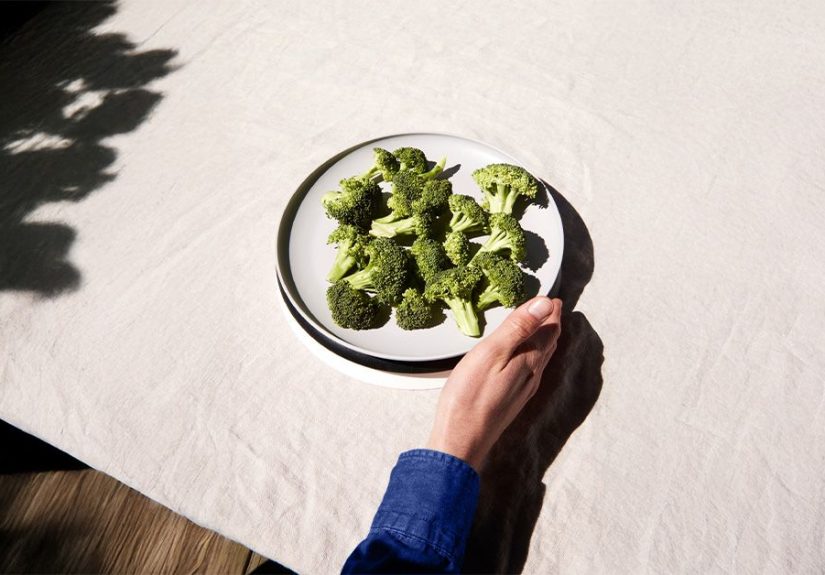
Broccoli looks like tiny trees. Cauliflower looks like a cloud that forgot how to float. Together, they may be doing something even more impressive than photobombing your dinner plate: showing up in research as foods linked to a lower risk of colon cancer.
Before we crown them “King and Queen of the Produce Aisle,” let’s be clear: no single food can guarantee cancer prevention. But when multiple reputable medical and public health sources point in the same directionmore vegetables, more fiber, fewer processed meats, healthier weight, more movement, and regular screeningbroccoli and cauliflower start to look less like side dishes and more like strategic teammates.
This article breaks down what the science actually says about cruciferous vegetables (broccoli and cauliflower’s extended family), why the link to colon cancer risk is biologically plausible, how to cook them so their best compounds don’t ghost you, and how to build a realistic routine you’ll stick witheven if you’re not emotionally ready for kale.
Why colon cancer prevention is having a moment
Colon cancer (often grouped with rectal cancer as “colorectal cancer”) usually develops over years, often starting as small growths called polyps. The good news is that this slow timeline creates a huge opportunity for preventionthrough lifestyle habits and, crucially, screening.
Screening isn’t just “finding” cancerit can prevent it
Many screening methods can detect polyps early, when they can be removed before they turn into cancer. That’s why medical organizations in the U.S. recommend routine screening for average-risk adults starting in midlife (with earlier screening for people at higher risk, like strong family history or certain genetic conditions).
Diet mattersbut it’s one piece of a bigger puzzle
If you’ve ever heard someone say, “Just eat healthy,” you’re allowed to roll your eyes. “Healthy” is vague, and nobody wants wellness advice that sounds like it came from a fortune cookie. The more useful truth is: patterns matter. Diet quality over time can influence inflammation, body weight, gut microbes, insulin regulation, and exposure to carcinogensfactors that researchers consistently connect to colorectal cancer risk.
What the research says about broccoli, cauliflower, and colon cancer
When studies say broccoli and cauliflower are “linked” to a lower risk of colon cancer, they’re usually talking about observational research: large populations tracked over time, comparing disease outcomes based on reported eating habits.
Cruciferous vegetables show up as “protective” in several analyses
Across multiple population studies and meta-analyses, higher intake of cruciferous vegetables is often associated with a lower risk of colorectal cancer (and sometimes colon cancer specifically). The signal isn’t identical in every studynutrition research almost never isbut the trend appears often enough to keep showing up in reviews and prevention guidance.
Why results can look “mixed” (and why that’s normal)
- Diet is hard to measure. People don’t eat in lab conditions. Food questionnaires rely on memory, honesty, and portion-size guesswork (“Was that a cup of broccoli or a small green shrub?”).
- Cooking changes chemistry. Raw vs. steamed vs. roasted can affect the compounds that make cruciferous vegetables special.
- People are complicated. Someone who eats lots of broccoli may also exercise more, smoke less, and get screenedfactors that lower risk independently.
- Genes and gut microbes vary. Different bodies convert cruciferous compounds differently. Translation: broccoli doesn’t behave the same way in every human ecosystem.
So, “linked to lower risk” is a strong hintnot a contract signed by the universe. Still, it’s a hint worth paying attention to, especially because broccoli and cauliflower offer benefits beyond cancer prevention (hello, heart health and digestion).
Why broccoli and cauliflower are biologically “interesting”
Broccoli and cauliflower belong to the cruciferous vegetable family (also called Brassica). They’re famous for two big reasons: fiber and glucosinolates.
1) Fiber: your colon’s underrated best friend
Fiber does a few colon-friendly things at once:
- Keeps things moving (yes, we’re talking about poop; welcome to a colon article).
- Feeds beneficial gut bacteria, which produce short-chain fatty acids that may support a healthier colon environment.
- Supports healthy weight and metabolism by improving fullness and blood sugar regulation.
High-fiber diets are consistently associated with a lower risk of colorectal cancer in many studies. That doesn’t mean you need to live on bran cereal. It means your colon tends to like a steady supply of plants: vegetables, fruits, beans, lentils, whole grains, nuts, and seeds.
2) Glucosinolates: the “special ops” plant chemicals
Cruciferous vegetables contain glucosinolates, which can be converted into biologically active compounds like isothiocyanates (including the celebrity compound sulforaphane). These compounds have been studied for roles in:
- Helping the body handle certain carcinogens (think detox-related enzyme activity)
- Reducing inflammation
- Protecting cells from DNA damage
- Influencing how cells grow and die (important in cancer biology)
In plain English: broccoli and cauliflower contain compounds that may help the body create an internal environment less friendly to cancer development. It’s not a magic shield, but it’s a meaningful nudge.
How much broccoli and cauliflower do you actually need?
There’s no universally agreed “perfect dose” because studies measure intake differently. But here’s the practical takeaway that lines up with prevention guidance and real-world nutrition:
A realistic goal: a few servings per week, consistently
If cruciferous vegetables are new to your life, don’t start with a heroic daily mountain. Start with something you’ll repeat:
- 2–4 servings per week of broccoli, cauliflower, Brussels sprouts, cabbage, kale, or bok choy
- Build toward most days if you enjoy them and they fit your digestion
One serving is often about ½ cup cooked or 1 cup raw. Frozen counts. Pre-cut counts. “Microwave steam bag” absolutely counts. Your colon is not grading your effort on artisanal presentation.
If you’re sensitive to gas, start smaller
Cruciferous vegetables can cause bloating in some peopleespecially if your current diet is low in fiber. The fix is usually gradual increases, not banishment. Add a small portion, chew well, and drink water. Your gut microbiome adapts over time like a tiny internal training program.
Cooking tips to keep the good stuff (and enjoy the taste)
Here’s where broccoli and cauliflower get sneaky: the conversion of glucosinolates into active compounds relies on an enzyme called myrosinase. Heat can reduce myrosinase activityso how you cook matters.
Best methods: lightly cooked, not obliterated
- Light steaming: often recommended because it softens the vegetable while preserving more beneficial compounds than boiling to death.
- Roasting: delicious and still valuable, especially if you don’t overdo the time/temperature. Bonus: browning makes vegetables taste like they went to culinary finishing school.
- Stir-fry: quick cooking can be a win if you keep it brisk.
Pro trick: chop, wait, then cook
Chopping or crushing cruciferous vegetables helps start the enzyme reaction. Let chopped broccoli or cauliflower sit for about 10–15 minutes before cooking. It’s like giving the chemistry a head start.
Another trick: add a little “enzyme helper” after cooking
If you love fully cooked broccoli (no judgment), you can add a small amount of raw cruciferous (like shredded cabbage) or a pinch of mustard powder after cooking. Mustard contains enzymes that may help generate more active compounds.
Beyond broccoli: the whole colon-cancer-lowering playbook
If broccoli and cauliflower are the headline, the full story is your overall lifestyle. Think of this as the “ensemble cast” approach: many small advantages stacking up over time.
1) Eat more plants (variety beats perfection)
Aim for a plate that’s mostly plants most of the time: vegetables, fruits, beans, lentils, and whole grains. This supports fiber intake, micronutrients, and a healthier gut environment.
2) Limit processed meats and go easy on red meat
Multiple health authorities associate processed meat intake with increased colorectal cancer risk. If deli meats and hot dogs are frequent guests at your table, consider making them “sometimes foods,” not daily defaults. Try rotating in:
- Beans or lentils (tacos, chili, soups)
- Fish or poultry
- Tofu or tempeh (marinated well, it’s surprisingly satisfying)
3) Move your body (your colon likes activity)
Regular physical activity is linked to lower colorectal cancer risk. You don’t need a marathon identity. Walking, cycling, strength training, dancing in your kitchenanything that’s consistent counts.
4) Maintain a healthy weight (without diet culture nonsense)
Excess body fat is associated with higher colorectal cancer risk. The practical angle isn’t “be smaller,” it’s “build habits that support metabolism”: fiber-rich meals, protein at meals, movement, sleep, and stress management.
5) Don’t smoke, and keep alcohol modest
Smoking increases risk for many cancers, including colorectal. Alcohol can also raise risk depending on amount and pattern. If you drink, moderation mattersand if you don’t, there’s no need to start “for your health.”
6) Screening: the real MVP
Diet helps lower risk; screening can prevent cancer by catching and removing polyps. If you’re at average risk, talk to a clinician about screening options like stool-based tests (e.g., FIT) or colonoscopy. If you have higher risk factors (family history, inflammatory bowel disease, inherited syndromes), you may need earlier or more frequent screening.
Who should be extra proactive (and talk to a clinician sooner)?
Some people benefit from earlier screening and tailored prevention strategies. Examples include:
- First-degree family history of colorectal cancer or advanced polyps
- Personal history of polyps or colorectal cancer
- Inflammatory bowel disease (ulcerative colitis or Crohn’s colitis)
- Known genetic syndromes (such as Lynch syndrome)
Also: if you have symptoms like blood in stool, persistent changes in bowel habits, unexplained weight loss, or ongoing abdominal pain, don’t self-diagnose with the internet. Get evaluated.
Conclusion
Broccoli and cauliflower won’t file your insurance paperwork or schedule your colonoscopy. But as part of a high-fiber, plant-forward eating pattern, they bring a compelling mix of fiber and bioactive compounds that research repeatedly associates with lower colorectal cancer risk.
The most powerful approach isn’t “eat one superfood forever.” It’s stacking small, sane habits: more vegetables (including crucifers), fewer processed meats, regular activity, healthy weight support, and screening on time. Your colon doesn’t need perfectionit needs consistency.
Real-life experiences: making broccoli and cauliflower part of your week (without becoming a salad monk)
Note: The examples below are common, real-world patterns dietitians and clinicians often see (composite scenarios, not individual medical stories). They’re here to make the science feel usable in actual lifewhere dinners happen at 9 p.m., kids reject “green things,” and you occasionally forget the produce drawer exists.
The “I bought broccoli and it died in the fridge” era
Many people start with good intentions: broccoli goes into the cart, everyone feels virtuous, and thenthree days laterit’s a sad, floppy reminder that motivation is not a meal plan. The upgrade usually isn’t willpower. It’s friction reduction. People who succeed tend to switch to one of these:
- Frozen broccoli florets (steam-in-bag, no chopping required)
- Pre-cut fresh broccoli/cauliflower (yes, you pay more; you’re paying for follow-through)
- Roasting a whole tray on Sunday so it’s ready to add to bowls, eggs, pasta, or tacos
Once broccoli becomes “already cooked,” it stops being a project and starts being an ingredient.
The “cauliflower is bland” conversion
Cauliflower has a reputation for tasting like… polite nothingness. But in real kitchens, people often warm up to it when they treat it like a canvas instead of a standalone star. Common wins:
- Roasted cauliflower with olive oil, garlic, and smoked paprika (it gets nutty and sweet)
- Cauliflower “steaks” with a bold sauce (chimichurri, tahini-lemon, or spicy yogurt)
- Cauliflower rice mixed half-and-half with regular rice (texture improves, nobody feels tricked)
The secret is seasoning. Cauliflower isn’t boring; it’s just waiting for instructions.
The “my stomach hates cruciferous vegetables” phase
Some people genuinely feel gassy or bloated after broccoli and cauliflowerespecially if their baseline fiber intake is low. A common experience is that smaller portions and more cooking help at first. People often do better with:
- ¼–½ cup servings, gradually increasing over a few weeks
- Cooked broccoli/cauliflower instead of raw
- Pairing with protein and healthy fats (slower digestion, steadier comfort)
Over time, as fiber intake increases more broadly (beans, oats, fruit, whole grains), many people notice their gut gets less dramatic. Think of it as training your microbiome like it’s learning a new job.
The “family won’t eat it” negotiation
In households with picky eaters, the most successful strategy is often “add, don’t announce.” People report better results when broccoli and cauliflower show up in familiar formats:
- Broccoli folded into mac-and-cheese (start small)
- Cauliflower blended into soups for creaminess (no one needs to know)
- Roasted broccoli tossed with pasta, lemon, and parmesan
- Stir-fried cauliflower in tacos or fried-rice style dishes
It’s not deception. It’s diplomacy.
The “health habits that actually stick” snapshot
People who keep these vegetables in rotation tend to use simple systems: two repeatable recipes, a default grocery list item, and one “emergency vegetable” (frozen) for busy nights. The experience is less about obsession and more about identity: “I’m someone who keeps vegetables around.” Not perfect. Just consistent. And in cancer prevention, consistency is the quiet superpower.