Table of Contents >> Show >> Hide
- What This Guide Covers (and Where the Info Comes From)
- Before You Hit “Register”
- Option 1: Create a Discord Account in Your Browser (Windows & macOS)
- Option 2: Create a Discord Account in the Desktop App
- After You Sign Up: Set Up Your Account Like a Responsible Adult (or a Clever Teen)
- Security & Privacy: Keep Your Account Yours
- Troubleshooting: Common Sign-Up Problems on PC & Mac
- Quick FAQ
- Experience Corner: 12 Things I’ve Learned the Hard Way (So You Don’t Have To)
- Conclusion
You’re here because you want a Discord account on your computerfast, clean, and without accidentally signing up for
“DadJokeDungeon_1997” (unless that’s your brand, in which case: respect). Whether you’re joining a gaming squad,
a study group, a work community, or a server dedicated entirely to pictures of frogs wearing tiny hats, the first
step is the same: create your account the right way and lock it down so it stays yours.
This guide walks you through creating a Discord account on Windows PC and Mac,
using either the web browser or the desktop app. We’ll also cover verification,
usernames vs display names, security basics (MFA, passkeys, backup codes), and common sign-up issuesbecause nothing
kills the vibe like a verification email that vanishes into the void.
What This Guide Covers (and Where the Info Comes From)
Discord changes its interface from time to time, but the core account-creation flow stays pretty consistent. To
keep this article accurate and practical, the steps and tips below synthesize guidance from reputable U.S.-based
sources, including the Discord Help Center and Discord Blog, plus major tech
publications and security-focused resources such as Wired, The Verge,
Engadget, Lifewire, How-To Geek, Business Insider,
Digital Trends, Zapier, and Mozilla. No copy-paste, no
Franken-paragraphsjust a clean, human rewrite that’s easy to follow.
Before You Hit “Register”
Choose Your Path: Browser vs Desktop App
Discord gives you two easy ways to sign up on a computer:
-
Browser (Web App): Great if you’re on a shared computer, don’t want to install anything, or
just want to “try Discord” like you’re sampling an ice cream flavor. -
Desktop App (Windows/Mac): Ideal if you’ll use Discord regularlygenerally smoother for voice,
screen sharing, notifications, and staying logged in.
The actual account creation steps are almost identical in both. The differences are mainly installation
and a few quality-of-life features once you’re inside.
What You’ll Need (Don’t Skip This)
- An email address you can access (preferably one you won’t abandon in two months).
- A strong password (not “Password123,” not your pet’s name + your birthday, not “qwerty.”)
- Your date of birth (Discord asks for this during registration).
-
Optional: A phone number you can use for verification if Discord requests it for security or
access to certain features.
Quick reality check: if you lose access to your email and you didn’t set up extra security, recovering the
account can get complicated. Start with an email you’ll keep.
Option 1: Create a Discord Account in Your Browser (Windows & macOS)
This is the fastest route: no downloads, no installers, no “Are you sure you want to open this file?” pop-ups
acting like your computer is your anxious aunt.
Step-by-Step: Discord Sign Up on Web
-
Open Discord in your browser. Go to the Discord site and choose the option to open Discord in
your browser, or head to the login page and look for Register. -
Click “Register.” If you’re on a login screen, “Register” is usually right there like a quiet
hero waiting to be noticed. -
Enter your details. Typically: email, password, date of birth, and the names Discord asks for
(more on “username vs display name” later). -
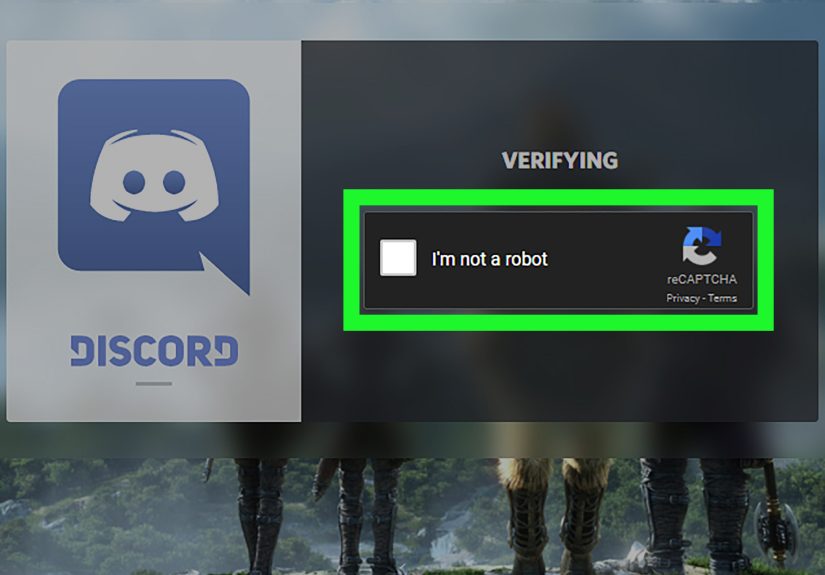
Complete any security check. You may see a CAPTCHA or a quick “prove you’re human” step.
(Congratulations on your carbon-based existence.) -
Finish registration. Discord may let you enter immediately, but you should still verify your
email to secure the account and avoid random access limits later.
Browser Tips That Save Time
-
Use a modern browser. Chrome, Firefox, Edge, and Safari generally work well. If something
behaves weirdly, try a different browser before you assume the internet is mad at you personally. -
Turn off aggressive ad/script blockers temporarily if the CAPTCHA or registration button won’t
cooperate. -
Don’t multitask with 27 tabs if your computer is already sweatingregistration pages love to
glitch when resources are maxed out.
Option 2: Create a Discord Account in the Desktop App
If Discord is going to be part of your daily routine, the desktop app is usually the better experienceespecially
for voice chat, screen sharing, and notifications that actually show up when you want them.
Windows PC: Download, Install, Then Register
-
Download the Discord installer for Windows. Use the official Discord download page to grab the
Windows installer. -
Run the installer. Windows may ask for permission; approve it if you downloaded from the
official site. - Open Discord. After installation, launch the app. You’ll see a login screen.
- Click “Register.” Same idea as the browser flowlook for Register near the login fields.
- Fill in your account details (email, password, date of birth, and the naming fields).
-
Verify your email. Don’t “do it later.” Later is where accounts go to become “mysteriously
locked.”
Mac: Download, Install, Then Register
- Download Discord for macOS. Grab the Mac version from Discord’s official download page.
-
Install it. Open the downloaded file (often a .dmg), then drag Discord into your
Applications folder if prompted. -
Launch Discord. You may see a macOS security prompt the first timeapprove it if it’s the
official app. - Click “Register.” On the login screen, choose Register.
- Enter your details and complete any verification steps.
- Verify your email. Again: “future you” deserves fewer problems.
Desktop App vs Web: The Practical Difference
If you mostly text chat and pop into servers occasionally, the browser is fine. If you do voice calls, screen
sharing, or want better performance and smoother notifications, the desktop app usually wins. The good news is:
you can use the same account on both, and switch anytime.
After You Sign Up: Set Up Your Account Like a Responsible Adult (or a Clever Teen)
Creating an account is step one. Making it usable and secure is step twoalso known as “the part people skip
until something goes wrong.”
Verify Your Email (and How to Resend It)
Discord typically sends a verification email shortly after sign-up. Open it and click the verification link. If
you don’t see it:
- Check spam/junk and any “Promotions” tabs.
- Search your inbox for “Discord.”
-
In Discord, go to User Settings (the gear/cog near your username), look for the verification
banner, and use Resend Verification Email.
Verified email isn’t just a formalityit helps with account recovery and reduces the chance you get blocked from
certain actions.
Username vs Display Name: What People Actually See
Discord’s naming system can be confusing because different places show different “names.” In general:
-
Username: Your main account identifier on Discord (and it must be unique). Discord has
transitioned to a username format that’s easier to shareso pay attention when you pick yours. -
Display name: The friendly name people usually see on your profile. It can be less formal,
more readable, and more “human.” -
Server nickname: A name that can change per server (useful if you want “Work You” and “Weekend
Goblin You” to stay separate).
Practical advice: pick a username you won’t regret posting on a public server. Your display name can be fun; your
username should be durable.
Set Up Your Profile Without Overthinking It
You can customize your profile in User Settings (desktop) or profile editing areas (varies by platform). Start
with:
- Avatar: Something recognizable at small size (your face, a logo, or a clean icon).
- Bio: One line is enough. Nobody needs your life story. Save it for your memoir.
- Status: Helpful if you’re in a work or study server (e.g., “In class,” “AFK,” “Recording”).
Join Your First Server (or Add Friends)
Most people join Discord through an invite link from a friend, creator, or community. Once you’re in:
- Read the server rules channel (yes, actually read itmods can smell chaos).
- Introduce yourself in the welcome channel if the server has one.
- Adjust notification settings per server so your computer doesn’t become a 24/7 doorbell.
Security & Privacy: Keep Your Account Yours
Discord is social, which means it’s also a favorite playground for scammers. A little setup now prevents a lot of
regret later.
Use a Strong Password (And Don’t Reuse It)
The best Discord password is the one you’ve never used anywhere else. Long beats complicated. A mix of unrelated
words plus numbers/symbols works well (and is easier to remember than keyboard-mashing). If you use a password
manager, even betterlet it generate a strong password and move on with your life.
Enable Multi-Factor Authentication (MFA)
MFA adds a second layer of security so a stolen password isn’t enough to hijack your account. Discord supports
multiple MFA options, which may include passkeys/security keys, an authenticator app, and SMSplus backup codes
for emergencies. If you set this up, store your backup codes somewhere safe (not in a text file named
“definitely-not-passwords.txt”).
Watch Out for Fake “Verification” Tricks
A common scam is a bot or user telling you to “verify” by clicking a sketchy link, scanning a QR code, or running
a command on your computer. Real Discord verification generally happens through Discord’s own interface. If
someone asks you to run scripts, download “verification tools,” or log in on a lookalike site, treat it like a
stranger offering you candy from an unmarked van: politely decline and back away.
Know Why Discord Might Ask for Phone or Age Checks
Depending on your region, account signals, or what content/features you’re trying to access, Discord may ask you
to verify via phone number or confirm your age group for safety and compliance reasons. If you run into a prompt
like this, stick to the official Discord flow and avoid third-party “helpers.”
Troubleshooting: Common Sign-Up Problems on PC & Mac
“Email Already Registered”
This usually means you already have an account tied to that email (maybe past-you made one and forgot).
Try logging in instead, then use “Forgot your password?” if needed. If you truly want a separate account, you’ll
need a different email address.
No Verification Email Shows Up
Check spam/junk, search your inbox, and then resend the verification email from Discord’s User Settings. Also
double-check that you typed your email correctly during registrationone missing letter can send your verification
email to someone else’s inbox. Awkward.
CAPTCHA Keeps Looping or Won’t Load
- Disable VPN temporarily and retry (some CAPTCHAs get grumpy with VPNs).
- Turn off script blockers for the registration page.
- Try a different browser or the desktop app.
- Restart the browser and clear cache if it’s been “a while” (technical term).
Discord Requests Phone Verification
Sometimes Discord requires phone verification to reduce spam and abuse. Use a phone number you control, and make
sure it isn’t already attached to another Discord account. If you’re on a shared family phone plan, this can
occasionally create conflictsso keep that in mind.
Installer Issues (Windows or macOS)
If Discord won’t install, re-download the installer from the official site, reboot, and try again. On Windows,
ensure you have permission to install apps and enough free disk space. On Mac, confirm you moved Discord into
Applications and that macOS security settings aren’t blocking it. If problems persist, the browser version can
get you up and running immediately.
Quick FAQ
Can I create a Discord account without installing anything?
Yes. You can sign up and use Discord in a web browser. Installing the desktop app is optional.
Do I have to verify my email?
You can sometimes use Discord briefly without verification, but email verification is strongly recommended for
security and account recovery (and to avoid random limitations).
Can I change my username later?
Usually, yes. Discord lets you adjust account naming settings, though exact rules can vary. If you’re choosing a
username today, pick something you can live with for a while.
Is Discord free?
Yes, Discord is free to use for core features. There are optional paid upgrades (like Nitro) that add perks, but
you can join servers, chat, and voice call without paying.
Experience Corner: 12 Things I’ve Learned the Hard Way (So You Don’t Have To)
I’ve helped enough friends, cousins, coworkers, and “my mic doesn’t work” strangers get started on Discord to
develop a sixth sense for where things go sideways. Here are the real-world lessons that don’t always show up in
step-by-step instructionsbecause life is messy, and so is the average downloads folder.
1) The best time to verify your email is immediately. The second-best time is also immediately.
People who skip email verification often discover the consequences at the worst possible moment: right when a big
event starts, or when they’re trying to join a server that needs a verified account. If your verification email
isn’t showing up, don’t rage-refresh for 20 minutesuse the “resend verification email” option in settings and
check spam. It’s boring, but it works.
2) Your username is not your display name. This is the most common confusion. Someone will ask,
“What’s your Discord?” and you’ll confidently give them the wrong thing. My advice: choose a username that’s
simple enough to tell someone out loud without spelling it like you’re calling in a pizza order. Then use display
names and server nicknames for fun. Your future self will thank you the first time you join a professional or
school server and realize you’re not stuck as “xXxSnaccAttackxXx.”
3) Password reuse is how accounts get stolen. I know it feels efficient. It’s not. It’s like
using the same key for your house, your car, your office, and your diary, and then leaving a copy under the mat.
A password manager takes the pain out of it: generate a strong unique password, save it, and never think about it
again.
4) MFA isn’t optional if you care about the account. If you’re joining servers with friends,
work teams, or communities you actually value, turn on multi-factor authentication. The day you get a weird login
prompt or suspicious DM is the day you realize why MFA exists. Bonus tip: save backup codes somewhere safe. Not in
a Discord DM to yourself. That’s like hiding a spare key inside the house and calling it “secure storage.”
5) The web app is a lifesaver when installs go wrong. On a school laptop with restricted admin
access, a work Mac with tight security policies, or a Windows PC that’s been through “a few” questionable driver
downloads, the desktop installer can fail. Instead of getting stuck, use Discord in the browser to create the
account and start chatting. You can always install the app later when you have the right permissionsor when your
computer stops acting like a soap opera.
6) Notification settings are your sanity settings. New users often join three servers, forget to
adjust anything, and then get blasted by notifications like they signed up for a fire alarm subscription. Mute
servers that are noisy, set mentions-only notifications where appropriate, and remember: you are not required to
be available for every message.
7) Don’t click “verification” links from strangers. Real servers may have onboarding steps, but
scammers love to imitate them. If a bot asks you to run a command, download a file, or sign in somewhere that
isn’t clearly Discord, stop. When in doubt, ask a moderator in a public channelor leave. Your account is not a
sacrificial offering to the gods of “Free Nitro.”
8) Keep your account recovery options current. If you change emails or phones, update your
account settings. The number of people locked out because “that was my old school email from 2019” is… a lot.
Like, “maybe we should all talk about this more” a lot.
9) Your first server should be friendly, not overwhelming. Huge servers can be fun, but they can
also feel like walking into a stadium mid-concert and asking, “So… what did I miss?” Start with a smaller
community where it’s easier to learn channels, etiquette, and how Discord culture works.
10) Discord is customizabledon’t suffer through defaults you hate. Adjust audio input/output
devices, push-to-talk, noise suppression, theme settings, and accessibility options. If your friends sound like
they’re calling from inside a microwave, it’s usually not “Discord being Discord.” It’s usually the wrong mic
selected.
11) Your profile is your handshake. A clear avatar and a readable display name make it easier
for people to recognize you. You don’t need to be overly polished, but a little clarity goes a long wayespecially
in servers where everyone is new.
12) Expect small UI differences between Windows and Mac. The core steps are the same, but
buttons may live in slightly different places depending on version and rollout. If you can’t find something,
look for the gear icon for settings, search within settings, or use Discord’s help search. The feature probably
existsit just moved like your favorite snack in a reorganized grocery store.
Bottom line: creating a Discord account on PC or Mac is easy. Creating one you won’t lose, regret, or constantly
fight with? That’s where a few smart decisionsverification, MFA, strong password, and sane notificationsmake
Discord feel fun instead of frustrating.
Conclusion
You can create a Discord account on Windows or Mac in minuteseither in your browser or the desktop app. The
“secret sauce” is what you do right after: verify your email, pick a durable username/display name setup, and
enable multi-factor authentication so your account stays secure. Once that’s done, you’re free to join servers,
meet people, and argue politely about whether pineapple belongs on pizza (it does, and I will not be taking
questions).