Table of Contents >> Show >> Hide
- Start with a Plan, Not a Pillow
- Get the Layout Right First
- Color Confidence: Build a Palette You’ll Love
- Make Small Spaces Feel Bigger (Without Knocking Down Walls)
- Light It Right: Layered Lighting for Every Room
- Layer Texture, Pattern, and Personality
- Common Decorating Mistakes to Avoid
- Room-by-Room Decorating Quick Tips
- Real-Life Decorating Experiences & Lessons Learned
- Bringing It All Together
Decorating your home shouldn’t feel like taking a pop quiz on color theory and furniture placement.
Think of it more like hosting a great party: set the mood, invite the right “guests” (furniture, color, texture),
and try not to panic if something spills. Inspired by the relaxed, livable style you see in
Better Homes & Gardens, this guide walks you through practical, down-to-earth decorating advice
that works for real homes, real families, and real budgets.
We’ll cover everything from color and layout to lighting, small-space tricks, and the most common decorating mistakes
designers wish you’d stop making. Whether you’re styling your very first apartment or finally giving your forever home
the glow-up it deserves, these tips will help you create rooms that feel pulled together, personal, and incredibly inviting.
Start with a Plan, Not a Pillow
One of the biggest rookie decorating mistakes is buying “all the things” before you have a plan. Designers consistently
recommend starting with a clear vision: how do you want the room to feelcozy, airy, sophisticated, playful? Once you
know the vibe, it’s much easier to make decisions about furniture, color, and décor that actually work together instead
of fighting for attention.
Create a Simple Mood Board
You don’t need a design degree to build a mood board. Screenshot rooms you love from magazines and décor sites, snap
photos of pieces you already own, and toss them into a folder or free design app. Look for repeating themes:
- Are you drawn to warm, earthy neutrals or crisp whites and blues?
- Do you like clean lines and minimal clutter or layered, collected spaces?
- Are there recurring materials like linen, leather, rattan, or velvet?
Once you see patterns in what you love, you can shop and decorate with much more confidence. Instead of impulse-buying
a trendy chair because Instagram told you to, you’ll know if it actually fits your home’s style.
Measure, Then Measure Again
Another planning essential: scale. Designers constantly warn that too-tiny rugs and oversized sofas are public enemy
number one in living rooms. Before you buy anything big, measure your space and map it out with painter’s tape on the floor.
This quick step helps you visualize traffic flow, how far chairs are from the coffee table, and whether that sectional
will feel cozy or crowded.
Get the Layout Right First
You can have the prettiest furniture in the world, but if the layout is awkward, the room will never feel quite right.
Think of layout as the skeleton of your decorating planeverything else hangs off it.
Float Furniture Away from the Walls
Pushing every piece of furniture against the walls is a classic mistake. It can make even a large room feel like a
waiting room instead of a welcoming space. If possible, pull your sofa and chairs slightly away from the walls to create
a more intimate conversation zone. Use a rug to anchor that central seating area and a coffee table within easy reach
for drinks and snacks.
Respect Traffic Flow
Imagine how people naturally move through the room. You shouldn’t have to sidestep around a coffee table or squeeze
behind chairs to reach the sofa. Try to leave at least 30–36 inches for main walkways and around 18 inches between a
sofa and coffee table so you can set down a drink without doing a core workout every time.
Use Symmetry (But Don’t Overdo It)
Symmetrical layoutslike two matching sofas facing each other or paired chairs flanking a fireplaceinstantly feel
calm and orderly. They’re a great starting point, especially in living rooms and bedrooms. To avoid a stiff or
“hotel-like” look, add a few asymmetrical touches: a single statement lamp, a stack of books on one side of the coffee
table, or a mix of pillow patterns.
Color Confidence: Build a Palette You’ll Love
Color is one of the most powerful decorating tools you have. It can make a room feel bigger or cozier, calm or energizing.
The trick is choosing a paletteand sticking to it.
Use the 60–30–10 Rule
Many designers lean on the 60–30–10 formula for foolproof color:
- 60% main color: walls, large rugs, biggest furniture pieces.
- 30% secondary color: curtains, accent chairs, bedding, smaller furniture.
- 10% accent color: throw pillows, art, vases, lamps.
For example, a living room might use warm white as the main color, soft camel as the secondary, and a smoky blue as
the accent. Once you pick your palette, shopping becomes easierif something doesn’t fit your color story, it probably
doesn’t belong.
Always Test Paint in Real Light
Paint is notorious for shape-shifting throughout the day. That lovely greige you saw online can turn purple or green in
your actual space, depending on lighting and surrounding finishes. Instead of committing to a whole gallon, paint large
sample swatches on multiple walls and look at them in morning, midday, and evening light. Check how they play with your
flooring, countertops, and upholstery before you commit.
Try Trendy Color in Small Doses
Trend alertslike color-drenched rooms or bold accent ceilingsare fun but can feel overwhelming if you go all in.
Take a Better Homes & Gardens approach: mix timeless neutrals with trendy hues in elements that are easier to change,
like throw pillows, art, blankets, and even painted side tables. If you fall out of love with that spicy terra-cotta
shade in a year, it’s much better to repaint a small accent than your entire open-concept living area.
Make Small Spaces Feel Bigger (Without Knocking Down Walls)
Small homes and apartments are where clever decorating really shines. With the right strategies, you can make compact rooms
feel open, functional, and stylish instead of cramped and cluttered.
Use Mirrors Strategically
Mirrors are like magic tricks for small spaces. Place a large mirror opposite a window to bounce light around the room,
or hang a vertical mirror to draw the eye upward and make ceilings feel higher. In tiny entryways, a mirror above a slim
console instantly adds depth and a convenient spot for last-minute lipstick checks.
Choose Multi-Tasking Furniture
In tight spaces, every piece needs a jobor two. Look for:
- Ottomans with hidden storage for blankets, games, or kids’ toys.
- Coffee tables with shelves or drawers underneath.
- Sofa beds or daybeds for overnight guests.
- Wall-mounted shelves instead of bulky bookcases.
Better Homes & Gardens–style decorating is all about blending beauty and practicality. If a piece looks nice but doesn’t
help you live better, it’s just taking up valuable real estate.
Declutter More Than You Think You Need To
No amount of clever styling can rescue a space that’s overflowing with unused stuff. Before you buy storage bins or
new furniture, do a serious edit. Keep the items you use, love, or would genuinely miss. Donate or sell the rest.
You’ll be amazed how much more polished your rooms look when surfaces have breathing room.
Light It Right: Layered Lighting for Every Room
If you’ve ever walked into a room that felt oddly harsh or gloomy, lighting was probably to blame. Designers almost
always recommend using three types of light:
- Ambient lighting: general light from overhead fixtures, chandeliers, or recessed lights.
- Task lighting: focused light for reading, cooking, working, or grooming.
- Accent lighting: lamps, sconces, and picture lights that highlight features and add warmth.
Instead of relying on a single overhead fixture, combine floor lamps, table lamps, and wall sconces. Put dimmers on
key lights so you can shift from “kid homework” brightness to “movie night” cozy at the touch of a switch.
Choose Bulbs Carefully
Bulbs matter more than you think. Look for warm white bulbs (around 2700K–3000K) in living spaces and bedrooms for a
soft, flattering glow. In work zones like kitchens and home offices, slightly cooler bulbs can help you see clearly
without feeling like you’re under fluorescent office lights. And yes, it’s worth it to spend a little extra on bulbs
that don’t make your paint color look weird.
Layer Texture, Pattern, and Personality
The difference between a “nice” room and a “wow, I want to live here” room is often texture and personality.
That’s where rugs, pillows, throws, art, and accessories come in.
Mix Textures for a Cozy, Collected Look
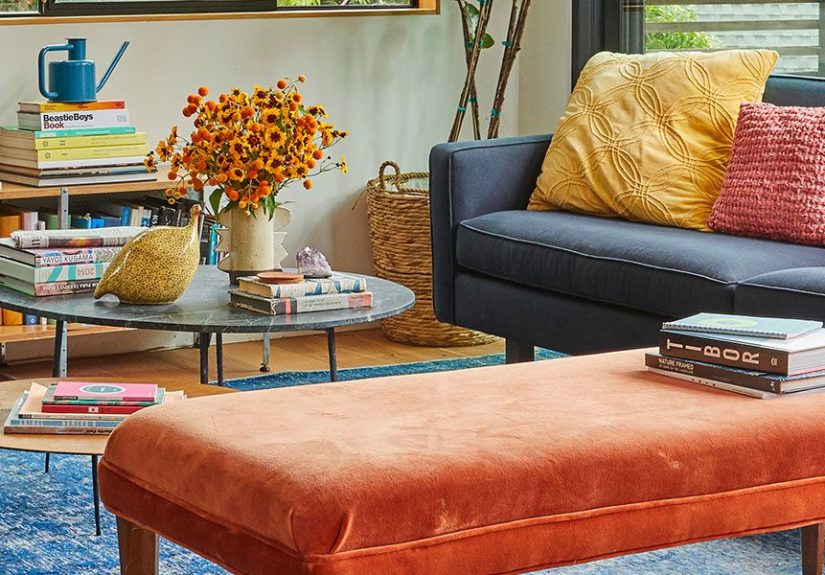
Imagine a living room with a linen sofa, chunky knit throw, smooth leather ottoman, woven rattan basket, and a soft
wool rug. Even if everything is in neutral tones, the room feels rich and inviting because of the mix of textures.
Try combining:
- Soft: velvet, chenille, faux fur, washed linen.
- Rough: jute, sisal, rattan, raw wood.
- Smooth: metal, glass, glazed ceramics.
Layer these textures in each room so it feels balanced instead of flat or overly shiny.
Play with Pattern (Without Giving Yourself a Headache)
Pattern can be intimidating, but there’s an easy formula:
- Pick a “hero” pattern you love (a floral, stripe, or geometric).
- Add one or two supporting patterns in smaller doses (tiny dots, subtle stripes, tone-on-tone prints).
- Keep everything within your chosen color palette so it feels intentional.
For example, your hero pattern might be a floral pillow on the sofa. Support it with a striped throw and a smaller
geometric pillow in coordinating colors. Suddenly, your space looks styled, not chaotic.
Common Decorating Mistakes to Avoid
Great decorating is as much about what you don’t do as what you do. Here are some frequent missteps designers
see over and over:
- Rug too small: In a living room, aim for a rug large enough that at least the front legs of major seating pieces sit on it.
- Tiny art on big walls: Use larger pieces or create a gallery wall instead of one small frame floating in space.
- Matchy-matchy furniture sets: Mix woods, finishes, and shapes for a more collected, high-end look.
- Ignoring vertical space: Hang curtains high and wide, use tall bookcases, and consider vertical storage to draw the eye up.
- Over-decorating surfaces: Leave some empty space so the eye has a place to rest.
- Skipping a floor plan: Buying large pieces without measuring first can derail your entire project.
The good news: almost all of these are fixable with a few smart swaps and better proportions.
Room-by-Room Decorating Quick Tips
Living Room
- Anchor the seating area with an appropriately sized rug.
- Place the sofa and chairs for conversation first, TV placement second.
- Use at least three light sources: overhead, floor lamp, and table lamp.
- Mix pillows in different sizes and textures rather than identical sets.
Bedroom
- Let the bed be the star with a great headboard, bedding, and pillows.
- Use matching or coordinating lamps on each side of the bed for symmetry and function.
- Choose soothing colors and avoid harsh overhead lighting.
- Keep nightstands from becoming clutter magnetsadd a tray or small box to corral essentials.
Kitchen and Dining
- Warm up hard surfaces with rugs, wood tones, and soft textiles like runner rugs or café curtains.
- Use pendant lighting over islands or dining tables to define the zone.
- Display only your prettiest or most useful items on open shelves; keep the rest behind doors.
Entryway
- Add a slim table or shelf, a mirror, and a basket for keys and mail.
- Use hooks or a small coat rack if you lack a closet.
- Choose a durable, washable rug that can handle heavy traffic.
Real-Life Decorating Experiences & Lessons Learned
Ask anyone who has decorated more than one home and you’ll hear the same thing: you learn by doing (and sometimes by
messing up spectacularly). Here are some lived-in lessons that echo the classic Better Homes & Gardens advice.
First, almost everyone has a “too small rug” story. Maybe you bought the most affordable option only to realize that it
floats in the middle of the room like a postage stamp. The fix is eye-opening: upgrading to a larger rug suddenly makes
the whole space feel intentionally designed. Chairs stop wobbling between rug and floor, and the room feels grounded.
Once you see the difference, you’ll never go back.
Another common experience: falling for a paint swatch in the store and regretting it at home. Many people have ended up
with a bedroom that looks icy blue instead of soft gray or a beige that leans unexpectedly pink. The simple habit of
painting big test patches and living with them for a few days saves money, time, and marital debates. It also reminds
you that good decorating rarely happens in one rushed weekend; it’s a process of testing, tweaking, and observing.
Small spaces deliver some of the most satisfying “after” moments. Maybe you started with a cramped apartment living room
where the sofa hugged the wall and the TV felt like a shrine. By gradually editing down your stuff, floating the sofa
slightly away from the wall, adding a larger rug, and hanging curtains closer to the ceiling, the room suddenly feels
taller, wider, and more polished. Visitors might not be able to name what changedthey just know it feels good to be there.
Then there’s the magic of texture. Many people start decorating by focusing only on color: “My living room is blue and
white.” But the room doesn’t come to life until you add layersa nubby throw over the arm of the sofa, a woven tray on
the coffee table, a leather footstool, a ceramic lamp with a linen shade. Over time, you realize that you can keep your
color palette simple and let texture do the heavy lifting. This is a favorite Better Homes & Gardens approach because
it’s easy to refresh seasonally without starting from scratch.
Another lived-in lesson: don’t feel like you have to finish a room in one shopping trip. Many seasoned decorators, and
plenty of happy homeowners, will tell you their favorite rooms evolved slowly. They saved up for a quality sofa, added
vintage side tables they found on a weekend outing, then layered in art and plants over months or even years. That
collected looka mix of old and new, high and lowrarely comes from buying an entire matching set in one day.
Finally, the best decorating advice is deeply personal: pay attention to how your home makes you feel. Do you actually
use that bar cart, or is it just there because all the photos online had one? Does your bedroom feel restful, or is it
doubling as a laundry staging area? Notice what frustrates you and what delights you. Let those real-life experiences
guide your next changes. When you combine timeless design principles with lived-in feedback from your own daily life,
you end up with rooms that aren’t just prettythey genuinely support the way you live.
Bringing It All Together
Great decorating isn’t about copying a magazine spread perfectly; it’s about borrowing smart ideas and adapting them to
your home, your budget, and your lifestyle. Start with a plan, respect scale and layout, build a color palette, layer
lighting and texture, and avoid common pitfalls like too-small rugs and overstuffed rooms. Then, slowly add personal
touchesfamily photos, heirlooms, travel finds, favorite colorsthat make your space unmistakably yours.
If you keep the relaxed, welcoming spirit of Better Homes & Gardens in mind, decorating becomes a lot less scary
and a lot more fun. Your home doesn’t have to be perfect; it just has to feel like a place where you love to land at
the end of the day.