Table of Contents >> Show >> Hide
- What Is the Design House Stockholm Round Form Pendant?
- Why the Round Form Pendant Works So Well
- Where to Use the Design House Stockholm Round Form Pendant
- How to Style It Without Overthinking Everything
- Placement Tips for Better Results
- Who Should Buy This Pendant?
- Final Thoughts
- Extended Experiences: Living With the Design House Stockholm Round Form Pendant
- SEO Tags
Some lights are just there to prevent you from walking into furniture. Others do a little more emotional heavy lifting. The Design House Stockholm Round Form Pendant belongs firmly in the second camp. It is the kind of pendant that does not scream for attention, yet somehow ends up becoming the thing everyone notices first. That is a very Scandinavian trick: be calm, be useful, be beautiful, and make it all look suspiciously effortless.
At first glance, this pendant feels simple. But “simple” in good design usually means someone did an impressive amount of work so the rest of us could enjoy the result without needing a design degree and a flowchart. The Round Form Pendant turns geometry, proportion, and glass into a fixture that looks clean, soft, and quietly architectural. It brings presence without visual clutter, which is rarer than it should be in a world where many ceiling lights seem determined to audition for a superhero movie.
In this guide, we will look at what makes the Design House Stockholm Round Form Pendant special, how it fits into modern interiors, where it works best, and what buyers should consider before installing it. We will also explore the lived experience of using this pendant in real spaces, because lighting is not just about how something looks in a catalog. It is about how your room feels at 7:15 p.m. when dinner is on the table, your laptop is closed, and you would like your home to act like a home.
What Is the Design House Stockholm Round Form Pendant?
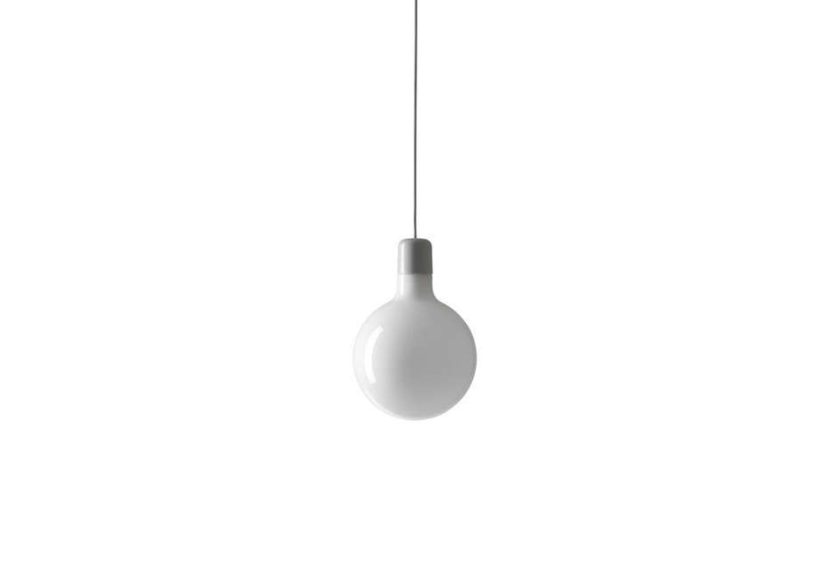
The Design House Stockholm Round Form Pendant is a sculptural glass pendant developed as part of a geometric lighting family associated with Form Us With Love. The collection is known for working with elemental shapes, and the round version is arguably the most universally appealing of the bunch. It has the visual softness people love in globe-like pendants, but with a more graphic identity. Instead of blending into the ceiling like a polite background extra, it acts more like a composed design object.
This is one reason the pendant still feels relevant. It lands in that sweet spot between decorative and disciplined. It is not overly ornate, not aggressively industrial, and not so trendy that it will look exhausted by next spring. In practical terms, it is also a fairly versatile size for many homes, making it more approachable than oversized statement pendants that look fabulous in a showroom and deeply ridiculous over a modest breakfast table.
The overall impression is a balance of blown-glass elegance, geometric restraint, and useful everyday illumination. Those three things do not always show up together. When they do, designers and homeowners tend to notice.
Why the Round Form Pendant Works So Well
1. It embraces Scandinavian design without turning into a cliché
Plenty of products borrow the language of Scandinavian design: pale palette, simple silhouette, maybe a dash of “quiet luxury” for good measure. The problem is that many of them stop at the aesthetic costume. The Round Form Pendant feels more convincing because the restraint is tied to function. The shape is clear, the material feels honest, and the overall form is easy to live with. That makes it feel less like trend-chasing and more like actual design thinking.
2. The circular silhouette softens a room
Modern interiors often lean hard on straight lines. Cabinets, countertops, dining tables, shelving, windows, even your very judgmental black-framed mirror are usually rectangular. A round pendant breaks up that rigidity. It introduces softness overhead and creates visual relief without needing color, pattern, or decorative fuss. In rooms that already feel crisp, a circular pendant can be the thing that keeps the space from looking emotionally unavailable.
3. Glass keeps the fixture visually light
One of the smartest things about a glass pendant is that it can still feel substantial without appearing heavy. This matters in apartments, smaller dining corners, compact kitchens, and rooms where too much visual mass overhead can make the ceiling feel lower. The Round Form Pendant has presence, but it does not bully the room.
4. It is decorative, but still practical
Good pendant lighting should do more than hover dramatically. It should actually support the room’s daily use. A pendant over a table, island, bedside, or entry needs to create mood while still helping you see what you are doing. The Round Form Pendant makes sense because it is both a sculptural piece and a functional fixture. It is not just mood lighting with commitment issues.
Where to Use the Design House Stockholm Round Form Pendant
Dining nook or dining table
This may be the pendant’s happiest habitat. Over a dining table, the round form reads as centered, intentional, and welcoming. It visually anchors the table below and creates a zone within the room, which is especially helpful in open-plan homes. If your dining area needs a little definition but you do not want a chandelier with the personality of a theater production, this pendant makes a strong case for itself.
Kitchen breakfast corner
In a breakfast nook, the pendant adds intimacy. The glass keeps it airy, while the shape makes the corner feel curated instead of accidental. If your kitchen is full of hard surfaces, stainless finishes, and visual noise from appliances, a clean round pendant can help rebalance the atmosphere.
Over a small kitchen island
In the right-sized kitchen, a single Round Form Pendant can work over an island. If your island is longer, multiple pendants may make more sense, but in a smaller layout a single sculptural piece can feel more refined. The key is proportion. A pendant should look intentional, not like it wandered into the room and decided to stay.
Bedroom lighting with character
Pendant lighting in bedrooms is one of those moves that instantly makes a room feel more considered. Hanging a pendant beside the bed instead of using a table lamp frees up surface space and adds a boutique-hotel quality. A round glass form works especially well here because it feels soft and atmospheric rather than severe.
Entryway or stair landing
If you want your entrance to say, “Someone with taste lives here,” without shouting it from the roofline, this pendant can do the job. It introduces shape and light in a way that feels clean and memorable. In a stairwell or double-height entry, it can also function as a vertical focal point, drawing the eye upward with elegant ease.
How to Style It Without Overthinking Everything
Pair it with natural materials
The Round Form Pendant looks excellent with oak, ash, walnut, linen, boucle, matte ceramics, and softly textured plaster walls. These materials bring warmth to the pendant’s clean geometry and help the glass feel grounded rather than precious. If your space already includes wood furniture and neutral textiles, this light will feel right at home.
Let it contrast with sharper architecture
This pendant becomes even more effective when surrounded by straight lines. Think slab cabinetry, a rectangular dining table, steel shelving, or a kitchen with a crisp backsplash grid. The circular form keeps the room from becoming too rigid. It adds rhythm, and rhythm is often what separates a room that looks fine from one that feels finished.
Use warm bulbs and a dimmer
Even the most beautiful pendant can become a small interrogator if the bulb is too harsh. A warm color temperature and a dimmer switch make a huge difference. You want the glow to feel inviting, not like your home has suddenly become a dentist’s office with better chairs.
Do not overcrowd the ceiling
A sculptural pendant needs breathing room. If your room already has exposed beams, a busy wallpaper, open shelving, and three other visual exclamation points, the smarter move may be to let the Round Form Pendant remain the primary ceiling statement. Good styling often comes down to restraint, which is annoying but true.
Placement Tips for Better Results
Beautiful lighting still has to obey a little math. Over a dining table or counter, pendants are commonly hung around 30 to 36 inches above the surface. If you are working with multiple pendants, spacing them evenly helps the composition feel calm rather than chaotic. For islands, it is also helpful to leave visual breathing room at the ends, so the lights do not feel jammed edge to edge.
In a dining room, the fixture should relate to the table below it. That does not mean everything has to match perfectly, but the scale should make sense. The Round Form Pendant is especially effective when it looks centered and deliberate. If it hangs too high, it loses intimacy. Too low, and dinner conversation starts to feel like a game of peekaboo.
For entryways or open floor areas, think about floor clearance and sightlines. The pendant should contribute to the architecture, not become a surprise forehead test. In bedrooms, pendant height depends on bed placement, side table height, and how dramatic you want the composition to feel. Slightly asymmetric placement can look wonderfully intentional when the rest of the room is simple.
Who Should Buy This Pendant?
The Design House Stockholm Round Form Pendant makes the most sense for people who want a light fixture with personality, but not chaos. It is ideal for anyone drawn to Scandinavian interiors, modern organic spaces, restrained minimalism, or contemporary rooms that need one softening element. It also suits buyers who appreciate designer lighting that can outlast trend cycles.
This pendant may be especially appealing if you are tired of fixtures that are either aggressively flashy or aggressively boring. The Round Form Pendant sits in the middle. It is subtle, but not forgettable. Stylish, but not exhausting. Distinctive, but not needy. Frankly, that is an excellent set of qualities for both lighting and people.
Final Thoughts
The beauty of the Design House Stockholm Round Form Pendant is that it does not rely on gimmicks. It uses shape, material, and proportion to create an object that feels relevant now and likely still will years from now. It can elevate a dining corner, add softness to a kitchen, bring sophistication to a bedroom, or sharpen the mood of an entryway. Most importantly, it does all of this while remaining livable.
Great lighting changes how a room looks, but even better lighting changes how a room feels. That is where this pendant earns its place. It offers clarity without coldness, simplicity without blandness, and style without demanding applause every five minutes. In other words, it behaves like good design should.
Extended Experiences: Living With the Design House Stockholm Round Form Pendant
Living with the Round Form Pendant is a little different from merely admiring it online. In photos, you notice the clean lines first. In a real home, what stands out is how the pendant changes the room throughout the day. In the morning, it reads as a composed object, almost like a piece of floating glass geometry. In the evening, once the light is on and the room settles down, it becomes warmer and more atmospheric. That shift matters. Plenty of fixtures look impressive at noon and underwhelming after sunset. This one tends to improve when the day winds down.
In a dining area, the experience is especially strong. The pendant creates a visual center without making the room feel staged. Meals feel more anchored. The table suddenly has a purpose beyond becoming a temporary storage unit for mail, chargers, and that one sweater you keep meaning to fold. The light encourages the space to be used properly, which is a surprisingly powerful thing. Design at its best changes behavior gently. It nudges rather than shouts.
In a kitchen, the pendant often works like a translator between the practical and the personal. Kitchens can be tough rooms. They are full of hard surfaces, necessary appliances, and visual noise. A pendant like this introduces softness without sacrificing clarity. It helps a kitchen feel less transactional and more human. You are still chopping vegetables and answering texts, but the room feels calmer while you do it.
In a bedroom, the experience becomes even more emotional. A hanging pendant beside the bed feels intentional in a way table lamps sometimes do not. The Round Form Pendant adds a sense of rhythm and polish, particularly when paired with warm bedding, wood nightstands, and soft wall colors. It makes the room feel edited. Not sterile, not fussy, just thoughtfully put together. There is a certain luxury in that kind of visual quiet.
Another thing owners and design lovers tend to appreciate is the pendant’s social skill. It plays well with other pieces. It does not require you to redesign the whole room around it. It works with vintage furniture, contemporary millwork, Japandi palettes, mid-century touches, and even more eclectic interiors where one calm object is needed to keep the rest of the room from spiraling into visual chaos. That versatility is part of the long-term appeal.
Ultimately, the lived experience of the Design House Stockholm Round Form Pendant is less about spectacle and more about steadiness. It keeps looking right. It keeps feeling useful. It keeps contributing something subtle but real to the mood of the space. And honestly, that may be the highest compliment you can give a light fixture. It is there every day, overhead, doing its job beautifully, never once asking for a standing ovation.