Table of Contents >> Show >> Hide
- The Show That Felt Like a Family (And Looked Like Real Life)
- Why End a Hit? Carl Reiner’s “Quit While You’re Ahead” Philosophy
- Dick Van Dyke’s Reaction: “We Were Heartbroken”
- The Ottomans, the Walnuts, and the Genius of Doing One More Joke
- What Happened After the Curtain Fell
- What Creators Can Learn from Reiner’s Decision
- Conclusion
- Experiences Related to “Dick Van Dyke Was ‘Heartbroken’ When Carl Reiner Ended His Sitcom” (Reader Stories, Creator Moments, and Fan Feelings)
Some TV shows get canceled. Others get endedon purpose, with the calm confidence of someone placing a mic gently on a stand and walking away while the crowd is still cheering.
That’s what happened with The Dick Van Dyke Show, the classic CBS sitcom that ran from 1961 to 1966 and helped define what smart, warm, laugh-out-loud network comedy could look like. And that’s why the story still stings: Dick Van Dyke has said he was “heartbroken” when creator Carl Reiner chose to stop the show.
It’s a little like hearing your favorite band announce they’re retiring at the end of a sold-out stadium tour. You respect the artistry… but you also want to stage a peaceful protest outside the drummer’s house.
The Show That Felt Like a Family (And Looked Like Real Life)
A sitcom with two homes: the writer’s room and the living room
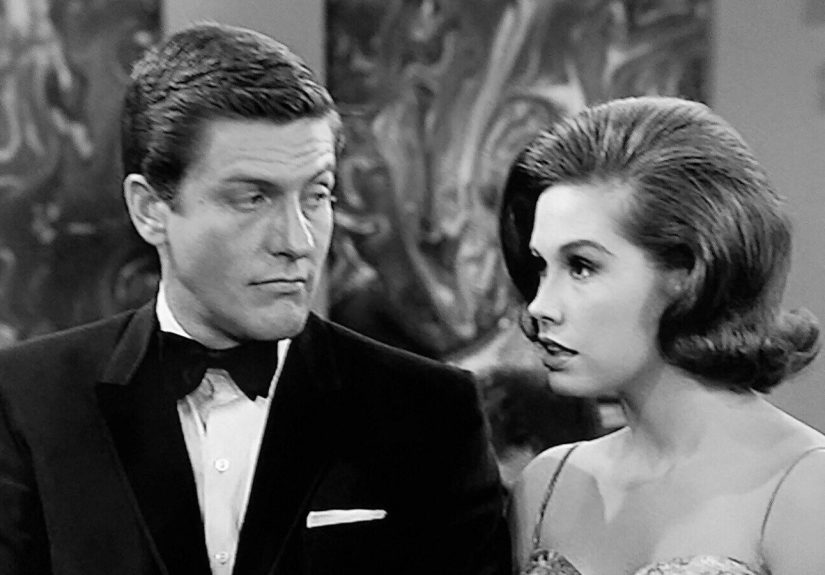
The Dick Van Dyke Show followed Rob Petrie, a comedy writer for a fictional variety program called The Alan Brady Show, juggling deadlines at work and domestic chaos at home in New Rochelle, New York. His “work family” included fellow writers Buddy Sorrell and Sally Rogers, plus the perpetually flustered producer Mel Cooleywhile his “real family” featured wife Laura and son Ritchie.
That split structure was a big part of the magic. The show wasn’t just about jokes; it was about how jokes get made, and how regular people try (and sometimes fail) to be functional adults after a long day of pretending to be functional adults.
Rob and Laura: a marriage that didn’t talk down to the audience
Rob and Laura Petrie weren’t sitcom mannequins smiling through problems like they’d been assembled in a “Husband & Wife” kit. Their relationship felt lived-in: teasing, supportive, occasionally irritated, andcruciallymutual.
Even decades later, writers and performers point to the show as a blueprint for how to do “married comedy” without turning one partner into a cartoon. You could watch them disagree and still believe they liked each other when the scene ended. That sounds basic, but for early-’60s TV, it was quietly revolutionary.
Why End a Hit? Carl Reiner’s “Quit While You’re Ahead” Philosophy
Here’s the part that makes modern viewers blink: Reiner ended the show by choice. Not because the ratings fell off a cliff. Not because the network pulled the plug. Because he thought the creative engine was starting to recycle its own exhaust.
“We started to sort of repeat ourselves”
In interviews late in his life, Reiner explained that after five seasons, the writers began noticing a pattern: they’d pitch a story and then catch themselves saying, “We did one like that.” That’s not a small problemit’s the sitcom equivalent of realizing you’re telling the same story at every party, only now your friends can recite it with you.
Ending a beloved series while it still feels sharp is brutally rare. Networks often prefer the “keep squeezing until the tube is flat” method of content management. Reiner’s decision was more like: protect the legacy, even if it breaks your heart (and everyone else’s).
Leaving on top takes nerve (and a very specific kind of stubbornness)
Reiner was also a creative fighter. Stories from behind the scenes describe him pushing networks to let the show be honestwhether that meant defending writers, resisting censorship, or insisting that comedy could handle subjects that weren’t usually “allowed” in a neat, wholesome time slot.
When you combine that integrity with his fear of repetition, the ending starts to make sense. Reiner wasn’t just protecting a show. He was protecting a standard: if it can’t be great, it doesn’t get to keep going just because it’s convenient.
Dick Van Dyke’s Reaction: “We Were Heartbroken”
If Carl Reiner was the architect, Dick Van Dyke was the rocket fuel. His physical timingplus his ability to play “normal guy who is suddenly not normal at all”made the show sparkle. So when Reiner decided to stop, Van Dyke didn’t respond with a polite “well, that’s showbiz.” He’s described the feeling much more plainly: heartbreak.
Why it hurt so much
It’s easy to assume actors are sad only because a steady job disappears. But with this show, the loss was deeper: a daily rhythm, a creative playground, a group of people who had learned each other’s comedic “language.”
The cast and writers weren’t just punching a clock. They were building something that felt unusually personalpartly because the show’s premise came from real experiences in comedy and writing, and partly because the chemistry on screen was backed by genuine admiration off screen.
The paradox of a “planned ending”
What makes this story linger is the contradiction: the show is remembered as one of the early sitcoms with a deliberately planned finaleyet the people making it still felt emotionally blindsided when the decision became real.
That’s the human part. You can agree with the logic and still hate the outcome. You can admire the artistry and still want one more season. You can even tell yourself, “This is the right move”… while quietly hoping someone forgets to turn in the final script.
The Ottomans, the Walnuts, and the Genius of Doing One More Joke
Want proof Reiner understood lasting comedy? Look at the show’s opening sequence: Rob Petrie walks into the living room anddepending on the versioneither steps around or trips over the ottoman. It’s a tiny gag that became iconic, partly because it distilled the show into one image: ordinary life, plus one perfectly timed stumble.
Reiner didn’t just want laughs; he wanted a laugh that told you what kind of show you were watching. And he was creative enough to keep refining that “hello, world” moment until it became TV history.
The episodes themselves had the same precision. Fans still talk about surreal classics (yes, the walnuts), inventive storytelling, and the way the show could be silly without being empty. It made comedy feel smart, but never smuglike your funniest friend, not your snarkiest acquaintance.
What Happened After the Curtain Fell
Carl Reiner’s next act: comedy that refused to retire
After the series ended, Reiner’s creative life kept expandingwriting, directing, performing, and collaborating with other comedy legends. Even in his later years, he stayed publicly curious and productive, still talking about craft, structure, and what makes a scene work.
That’s another reason the ending matters: Reiner didn’t stop because he was done. He stopped because the show was done, in the specific way he wanted it to be done.
Dick Van Dyke kept moving, tooand kept dancing
Van Dyke went on to more iconic work, from big-screen roles to later TV successes, and decades of public appearances that regularly remind people: yes, this man is still somehow lighter on his feet than most of us after a full night’s sleep.
But it’s telling that even with a huge career, the end of this sitcom still registers as a genuine loss. When something is that joyful, you don’t “get over it.” You just learn to be grateful it happenedand mildly irritated that time only moves in one direction.
What Creators Can Learn from Reiner’s Decision
Whether you’re writing TV, making YouTube videos, building a podcast, or running a brand, the “end it early” choice has lessons that go way beyond nostalgia.
1) Repetition is the first warning light
If your best pitch instantly reminds the room of an older pitch, you don’t need more caffeineyou need a new direction or a clean ending.
2) A strong ending is part of the product
A finale isn’t a sad obligation; it’s a feature. A planned ending can keep a story tight, protect quality, and give audiences the satisfying feeling of completion instead of slow decay.
3) Your legacy is built on what you refuse to water down
Reiner’s choice is remembered because it’s rare. It’s hard to walk away from a success. It’s harder to do it while everyone’s still begging for more.
Conclusion
So yesDick Van Dyke was “heartbroken” when Carl Reiner ended his sitcom. And honestly, that heartbreak is part of the tribute. It means the show wasn’t just popular; it was meaningful. It meant something to the people who made it, not only to the people who watched it.
Carl Reiner ended The Dick Van Dyke Show like an artist, not a scheduler. Dick Van Dyke remembered that ending like a human being, not a brand. Put those two truths together and you get the kind of story that lasts: a comedy built on craft, friendship, and the brave decision to stop before the laughter turned into an echo.
Experiences Related to “Dick Van Dyke Was ‘Heartbroken’ When Carl Reiner Ended His Sitcom” (Reader Stories, Creator Moments, and Fan Feelings)
Even if you’ve never worked on a TV set (most of us have not), the emotional punch of this story feels oddly familiar. Because the real headline isn’t only “sitcom ends.” It’s: something good ends because someone cared enough to keep it good. That hits people in a very everyday way.
For longtime fans, the experience often starts in reruns. You catch an episode on a classic TV channel while folding laundry or pretending you’re “just resting your eyes” on the couch. The jokes still land. The timing still feels modern. Then you realize you’ve watched four episodes in a row and you’re genuinely happier than you were an hour ago. That’s when the ending becomes personalbecause you’re not just losing a show, you’re losing a mood. A comfort. A little weekly reminder that grown-up life can be handled with humor and kindness (plus the occasional ottoman-related injury).
For newer viewers, the experience can be almost startling. You go in expecting “old TV” and instead find writing that’s tight, character work that’s believable, and a marriage that feels like two adults sharing a life instead of one adult lecturing another adult. When you learn the series stopped after five seasons by choice, it can feel like discovering a mythical creature: the show that didn’t overstay its welcome. You might even catch yourself thinking, “Why don’t more creators do this?”and then immediately answering your own question with, “Because it must be painfully hard.”
For writers and creators, Reiner’s decision hits like a professional case study. Many people have had the experience of making something successfula blog, a podcast, a product, a video seriesand then feeling the subtle creep of repetition. At first it’s harmless: a familiar format, a recurring bit. Then it becomes uncomfortable: you’re polishing the same idea again, hoping the audience won’t notice. That’s when the story of Reiner ending a beloved sitcom can feel less like trivia and more like a dare. It asks: are you brave enough to protect quality, even when “more” is available?
For anyone who’s been part of a great team, Van Dyke’s heartbreak is the most relatable part of all. Maybe you’ve loved a job not because of the tasks, but because of the people. Maybe you’ve been in a group where everyone’s timing clicksat work, in a friend circle, on a volunteer project, in a band, on a sports team. When that ends, the loss isn’t logical; it’s emotional. You can understand the reasons and still miss the rhythm. You miss the inside jokes. You miss how easy it felt to be your best self around those people.
That’s why this story keeps resurfacing. It isn’t only about television history. It’s about the surprisingly tender truth that comedywhen it’s made with carecreates real bonds. And when the person steering the ship chooses to dock while the sea is still calm, everyone on board can feel grateful… and absolutely crushed… at the exact same time.