Table of Contents >> Show >> Hide
- What Does “Distance Makes the Heart Grow Fonder” Really Mean?
- The Psychology Behind Missing Someone
- Why Long-Distance Relationships Can Feel More Intimate
- The Role of Technology: Helpful, But Not a Relationship Wizard
- When Distance Really Does Make Love Stronger
- When Distance Makes the Heart Wander, Worry, or Wear Sweatpants Sadly
- The Reunion Problem: Why Closing the Distance Can Be Hard
- Signs Distance Is Helping the Relationship
- Signs Distance Is Hurting the Relationship
- How to Make Distance Work in a Healthy Way
- So, Is the Saying True?
- Experiences Related to “Distance Makes the Heart Grow Fonder: Is It True?”
- Conclusion
“Distance makes the heart grow fonder” sounds like something stitched onto a throw pillow in a cozy gift shop, probably next to a candle named Missing You in Vanilla Fog. But behind the sentimental sparkle, there is a surprisingly serious question: does being away from someone actually deepen love, or does it simply give the imagination more room to redecorate the relationship?
The answer is: sometimes. Distance can make the heart grow fonder when two people use the separation to communicate intentionally, appreciate each other more, maintain trust, and build a shared future. But distance can also make the heart grow confused, anxious, suspicious, or overly dramatic. The miles themselves are not magical. They are not tiny cupids wearing hiking boots. What matters is what the couple does with the space between them.
Research on long-distance relationships suggests that couples living apart can report equal or even higher levels of trust, satisfaction, and intimacy compared with couples who live close together. That may sound shocking if your mental picture of a long-distance relationship involves sad playlists, bad Wi-Fi, and someone whispering “Can you hear me now?” into a frozen video call. Yet many couples thrive at a distance because they learn to communicate with more purpose. They talk about feelings, plans, fears, and daily details that nearby couples sometimes skip because they assume proximity equals connection.
What Does “Distance Makes the Heart Grow Fonder” Really Mean?
The phrase means that being apart can increase affection, longing, appreciation, and emotional attachment. When someone is not physically present every day, their absence may make their presence feel more valuable. The ordinary becomes special. A phone call feels like an event. A weekend visit feels like a tiny holiday. Even a “good morning” text can carry the emotional weight of a handwritten love letter, minus the ink smudge and mysterious coffee stain.
But the phrase does not mean distance automatically improves a relationship. A weak relationship does not become strong simply because one person moves to Denver and the other stays in Boston. Distance tends to magnify what already exists. Trust may become stronger, but insecurity may become louder. Communication may become deeper, but avoidance may become easier. Love may grow, but so can uncertainty.
The Psychology Behind Missing Someone
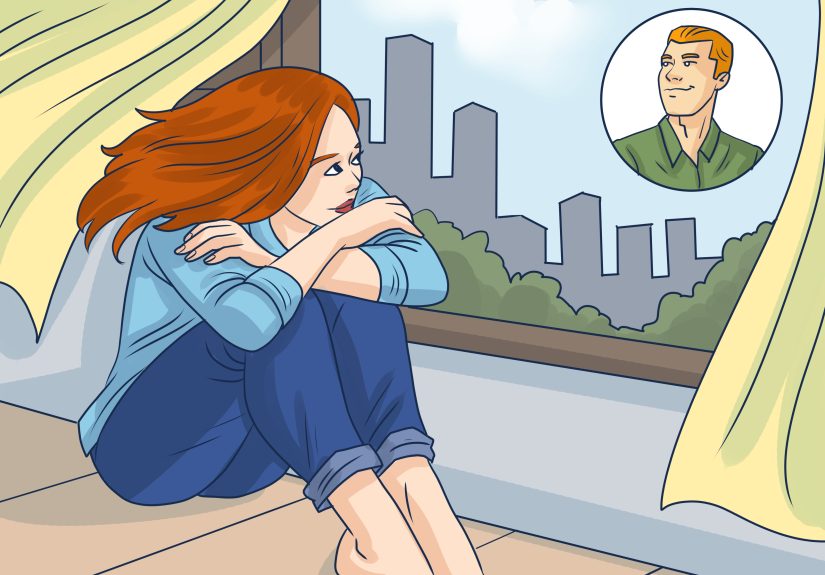
Missing someone is not just a romantic idea; it is tied to how people form emotional bonds. When a person matters to us, their absence creates a noticeable gap in our routines. We miss their voice, their humor, their habits, and even their oddly specific opinions about how the dishwasher should be loaded. The mind naturally returns to people who give us comfort, meaning, and emotional security.
Distance can also sharpen appreciation. When partners are together all the time, it is easy to take small acts of care for granted. When they are apart, those same acts become more visible. A thoughtful message, a remembered detail, or a planned call can feel powerful because it shows effort. In long-distance love, effort is the love language that wears sensible shoes and shows up on schedule.
Anticipation Can Increase Affection
One reason distance can make the heart grow fonder is anticipation. Looking forward to seeing someone can create excitement and emotional focus. The countdown to a visit gives the relationship a sense of momentum. Couples may plan dates, imagine conversations, or think about how they want to spend limited time together. This anticipation can make reunions feel meaningful and joyful.
However, anticipation has a sneaky side. When people wait a long time to see each other, they may expect the reunion to be perfect. That is a lot of pressure to place on one weekend, one dinner, or one airport hug. Real life has traffic, tiredness, awkward moods, and restaurants that somehow run out of the one thing you came for. Healthy couples leave room for imperfect moments instead of treating every visit like the final scene of a romantic movie.
Why Long-Distance Relationships Can Feel More Intimate
Long-distance couples often rely heavily on communication. Since they cannot always share physical space, they share thoughts, stories, feelings, and small details. This kind of self-disclosure can build emotional intimacy. A partner who knows your schedule, your worries, your goals, and your favorite ridiculous snack may feel close even from hundreds of miles away.
Researchers have found that long-distance couples may engage in more meaningful self-disclosure and may perceive their partners in especially positive ways. In plain English: when people are apart, they often talk more deliberately and may focus more on what they admire. That can strengthen closeness. It can also create idealization, which is the relationship equivalent of applying a flattering filter to someone’s entire personality.
The Power of Intentional Communication
Communication in a long-distance relationship works best when it is both consistent and meaningful. Constant texting is not the same as connection. A couple can exchange 200 messages and still avoid the one conversation that matters. On the other hand, a thoughtful 20-minute call can do more for intimacy than an entire day of “lol,” “same,” and “what are you eating?”
Strong long-distance communication usually includes three things: everyday updates, emotional check-ins, and future planning. Everyday updates help partners feel included in each other’s lives. Emotional check-ins build trust and vulnerability. Future planning reminds both people that the relationship is moving somewhere, not just floating around in the cloud like a shared photo album nobody organized.
The Role of Technology: Helpful, But Not a Relationship Wizard
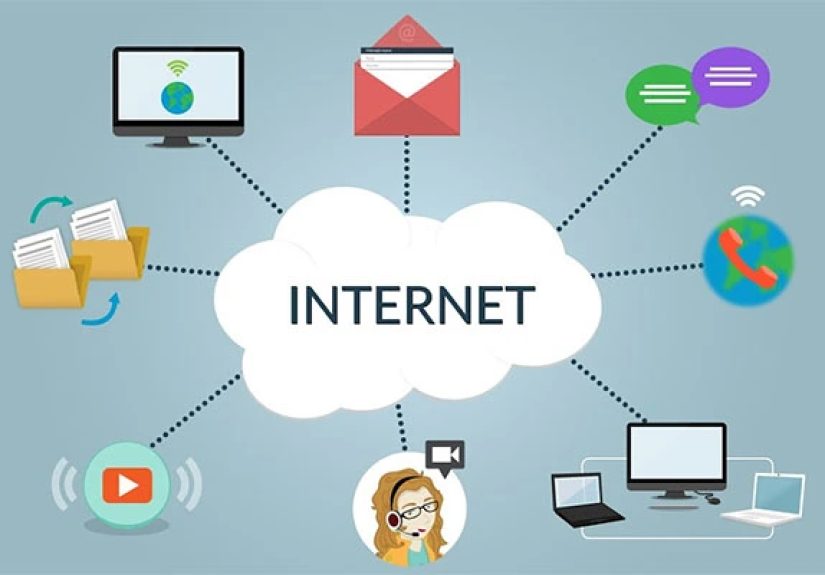
Modern technology has made long-distance relationships more possible than ever. Video calls, voice messages, shared calendars, private chats, online games, and streaming dates can help couples create a sense of shared life. A couple can cook the same recipe in different kitchens, watch a movie together, or send photos from ordinary moments. These small rituals help reduce emotional distance.
Still, technology is a tool, not a substitute for emotional presence. A phone can connect two people, but it can also distract them. Many couples struggle when one partner is physically present but mentally trapped inside a glowing rectangle. The goal is not to communicate all day; the goal is to communicate in ways that make both people feel seen, heard, and valued.
Texting, Calling, and Video Chat All Serve Different Purposes
Texting is great for quick affection, updates, jokes, and reminders. Voice calls add tone, warmth, and emotional nuance. Video calls provide facial expressions and body language, which help reduce misunderstanding. A healthy long-distance relationship usually uses a mix of communication methods instead of expecting one format to carry the entire emotional furniture set.
For example, a quick text might say, “Good luck with your presentation.” A voice message might explain, “I know you were nervous, but I’m proud of how hard you prepared.” A video call later can give both people space to talk, laugh, and reconnect. Each method plays a role. Together, they create a fuller sense of closeness.
When Distance Really Does Make Love Stronger
Distance can strengthen love when it encourages appreciation, independence, trust, and emotional maturity. Couples who do well apart often learn how to support each other without controlling each other. They respect separate routines, friendships, school, work, and personal goals. Instead of demanding constant proof of love, they build confidence through reliability.
Distance also gives people room to grow as individuals. That can be healthy. A strong relationship does not require two people to merge into one emotionally dependent blob with matching hoodies. The best relationships allow both partners to have their own lives while still choosing each other with care and consistency.
Example: The Career Move Couple
Imagine one partner moves from Chicago to Seattle for a job while the other stays behind to finish school. The distance is hard, but they set a realistic rhythm: short texts during busy days, two video calls a week, one honest conversation every Sunday about plans and feelings, and a visit every couple of months. They do not pretend it is easy. They also do not turn every delayed reply into a courtroom drama. Over time, they become better at expressing needs, managing schedules, and appreciating each other’s effort.
In this case, distance may make the heart grow fonder because the couple uses it well. They do not rely on longing alone. They build structure around the relationship.
When Distance Makes the Heart Wander, Worry, or Wear Sweatpants Sadly
Distance can hurt a relationship when communication becomes inconsistent, trust weakens, or the future feels unclear. Uncertainty is one of the biggest challenges. If two people do not know when they will see each other, how serious the relationship is, or whether they eventually plan to live in the same place, anxiety can grow quickly.
Another problem is conflict avoidance. Some long-distance couples avoid difficult conversations because they do not want to “ruin” limited time together. That sounds kind, but unresolved issues do not disappear. They sit quietly in the background, eating emotional popcorn, waiting for the worst possible moment to jump into the scene.
Idealization Can Be Romanticand Risky
Long-distance partners may idealize each other because they mostly see curated versions of daily life. During visits, people often try to be their best selves. They may dress nicely, plan fun activities, and avoid annoying habits. That is understandable. Nobody wants to spend a rare weekend together arguing about laundry techniques.
But idealization can become risky when it prevents people from seeing the full person. Real relationships include stress, boredom, disagreement, chores, budgeting, family dynamics, and the occasional bad mood for no poetic reason. If distance hides these realities for too long, the relationship may feel different when the couple finally lives nearby.
The Reunion Problem: Why Closing the Distance Can Be Hard
Here is the twist: some long-distance relationships struggle after the couple moves closer. It sounds backward, but it makes sense. When partners reunite, they lose some features that made the distance feel special: anticipation, independence, novelty, and carefully planned quality time. Suddenly, the relationship must survive normal Tuesday energy.
Living near each other introduces new questions. How often should we meet? How do we divide time with friends, family, work, and personal space? Are we compatible in everyday routines? Do we handle conflict well when we cannot simply end the call and say goodnight? These questions are not signs of failure. They are signs that the relationship has entered a new stage.
How to Transition From Long-Distance to Close-Distance
Couples can manage the transition by talking openly before the move. They should discuss expectations around time together, independence, finances, social life, conflict, and future plans. It helps to keep some of the intentional habits built during distance, such as regular check-ins and planned dates, while also learning how to enjoy ordinary time together.
The goal is not to keep the relationship in permanent honeymoon mode. The goal is to build a realistic, affectionate, flexible partnership. Love that only works during airport reunions may struggle in grocery store aisles. Love that can handle both is much stronger.
Signs Distance Is Helping the Relationship
Distance may be strengthening the relationship if both partners feel secure, respected, and emotionally connected. They communicate regularly without feeling forced to report every movement. They can discuss hard topics without panic. They celebrate each other’s growth instead of resenting it. They make plans, keep promises, and repair misunderstandings.
Another good sign is that both people still feel like themselves. A healthy long-distance relationship should not shrink someone’s life. It should add love, support, and meaning while still allowing school, work, friends, hobbies, rest, and personal goals to exist. Romance should be part of life, not an unpaid full-time surveillance job.
Signs Distance Is Hurting the Relationship
Distance may be damaging the relationship if communication feels like a burden, trust is constantly questioned, or one person feels emotionally neglected. Other warning signs include avoiding future plans, frequent jealousy, repeated broken promises, one-sided effort, or feeling more lonely inside the relationship than outside it.
It is also concerning when partners use distance to avoid accountability. Being far away should not become an excuse for disappearing, dismissing feelings, or refusing to talk about important issues. A relationship does not need perfect communication, but it does need repair. Even strong couples misunderstand each other. The difference is that they come back, clarify, apologize when needed, and try again.
How to Make Distance Work in a Healthy Way
1. Create a Communication Rhythm
Do not rely on guesswork. Talk about how often you both want to text, call, or video chat. Some people love daily contact; others need more breathing room. A clear rhythm prevents unnecessary anxiety. It also reduces the classic long-distance mystery: “Are they busy, upset, asleep, or trapped under a decorative bookshelf?”
2. Share Ordinary Details
Big conversations matter, but ordinary details create closeness. Tell each other about the weird thing your coworker said, the song stuck in your head, or the lunch that looked better than it tasted. These small updates help partners feel included in daily life.
3. Talk About the Future
A long-distance relationship needs direction. That does not mean every couple must have a five-year plan laminated and color-coded. But both partners should understand what they are working toward. Will someone move? When might visits happen? What are the next steps? Hope becomes stronger when it has a calendar.
4. Keep Conflict Honest and Kind
Do not save every difficult topic for the next visit, and do not turn every disagreement into a breakup forecast. Address issues with respect. Use video or voice for sensitive conversations when possible, because tone matters. Text fights are famous for turning one unclear sentence into a three-act tragedy.
5. Build Trust Through Reliability
Trust grows when words and actions match. Call when you say you will. Be honest about schedule changes. Share concerns before resentment hardens. Small reliable actions are more powerful than grand speeches. Anyone can say, “You mean everything to me.” Fewer people remember the appointment, the exam, the interview, or the stressful family event and check in afterward.
So, Is the Saying True?
Yes, distance can make the heart grow fonderbut only under the right conditions. It works when absence increases appreciation, when communication becomes more intentional, and when both partners remain emotionally available. It fails when distance becomes a cover for avoidance, fantasy, control, or uncertainty.
The better version of the saying might be: Distance makes the heart grow fonder when the relationship is fed with trust, effort, honesty, and a believable plan. Less poetic? Yes. More useful? Absolutely. It may not fit on a throw pillow, but it could save a relationship from becoming a group project where only one person does the slides.
Experiences Related to “Distance Makes the Heart Grow Fonder: Is It True?”
People who have experienced long-distance relationships often describe them as a strange mix of tenderness, frustration, independence, and emotional creativity. One common experience is learning that love is not always loud. Sometimes it is a quiet message after a long day. Sometimes it is remembering a partner’s exam date, job interview, family situation, or favorite comfort food. These small gestures become emotional proof that the relationship is still alive and paying rent in both people’s hearts.
Another common experience is discovering the importance of routines. Many couples begin long distance with the heroic belief that love will naturally handle everything. Then life arrives wearing muddy shoes. Time zones, busy schedules, schoolwork, jobs, family obligations, and exhaustion make spontaneous communication harder. Couples who succeed often stop waiting for perfect timing and start creating dependable habits. A Sunday evening call, a morning voice note, or a shared online movie night can become a stabilizing ritual.
Long distance also teaches people about emotional self-control. When a partner replies late, it is easy for imagination to sprint directly into worst-case scenarios. A healthy response is to pause, consider ordinary explanations, and communicate instead of accusing. This does not mean ignoring genuine problems. It means not letting fear write the entire script before the other person has a chance to speak.
Many people also learn that missing someone can be beautiful and annoying at the same time. Missing a partner may make music sound deeper, weekends feel longer, and airports look weirdly romantic. But it can also make ordinary stress feel heavier. Seeing other couples casually spend time together may sting. Special occasions can feel incomplete. The emotional challenge is real, and pretending otherwise does not help.
At the same time, distance can create personal growth. People often develop stronger friendships, focus on goals, build independence, and learn how to enjoy their own company. This is healthy when both partners support each other’s growth. A strong long-distance relationship does not demand that life stop until the next visit. It encourages both people to keep becoming fuller, wiser, more grounded versions of themselves.
One of the most powerful experiences comes during reunions. The first hug after weeks or months apart can feel unforgettable. But the best couples understand that reunions do not have to be perfect to be meaningful. Someone may be tired. Plans may change. The weather may behave like it has personal issues. What matters is not creating a flawless romantic montage; it is reconnecting honestly.
Finally, long distance often reveals whether two people are truly compatible. It shows how they handle uncertainty, effort, disappointment, and planning. It reveals whether they can talk about hard things without turning love into a battlefield. In that sense, distance is not just a test of affection. It is a test of teamwork. When both people show up with patience, humor, honesty, and care, the heart does not merely grow fonder. It grows wiser.
Conclusion
“Distance makes the heart grow fonder” is true for some couples, but it is not a universal law like gravity or the mysterious ability of socks to vanish in the dryer. Distance can deepen love when it inspires appreciation, trust, intentional communication, and personal growth. It can weaken love when it creates insecurity, avoidance, unrealistic idealization, or an unclear future.
The strongest long-distance relationships are not built on longing alone. They are built on daily choices: answering bids for connection, sharing ordinary life, making realistic plans, and treating each other with care even when the miles are inconvenient. In the end, distance does not decide whether love survives. People do. The miles may write the challenge, but the couple writes the story.